News

News

Navy Tightens Transfer Rules After Sailor’s Murder Exposes Deadly Gaps

The Navy is changing how it handles sailors under investigation for sexual assault or stalking after the murder of Petty Officer 3rd Class Angelina Resendiz, a 21 year old sailor whose death has now forced a hard look at a transfer process that clearly needed one.

Under the revised policy, sailors facing those investigations may be temporarily moved only to shore commands, according to William Speaks, a spokesman for the Chief of Naval Personnel.

“This revision was taken as a result of reviews by the Navy in the wake of the murder of Petty Officer 3rd Class Angelina Resendiz by a fellow Sailor,” Speaks told Task and Purpose.

No additional details about those Navy reviews were immediately released, which leaves the public with a familiar military answer: a major change has been made, but the full chain of reasoning remains behind the curtain.

The policy update was announced through a recent Navy Administrative Message dealing with when commanding officers may temporarily transfer sailors “when circumstances disrupt cohesion, safety, or good order and discipline within their commands,” Speaks said.

That language may sound bureaucratic, but the issue underneath it is anything but abstract. It is about whether a command receiving a sailor under investigation actually knows enough to protect its crew.

The new requirement also forces commanders to coordinate with the Naval Criminal Investigative Service, the proper law enforcement organization, Sexual Assault Response Coordinators, and the relevant commanding officers before making those temporary transfers.

In plain English, the Navy is now requiring people in authority to talk to each other before moving a potentially dangerous sailor into a new command. That should not be revolutionary, but after what happened to Resendiz, it is now written into policy.

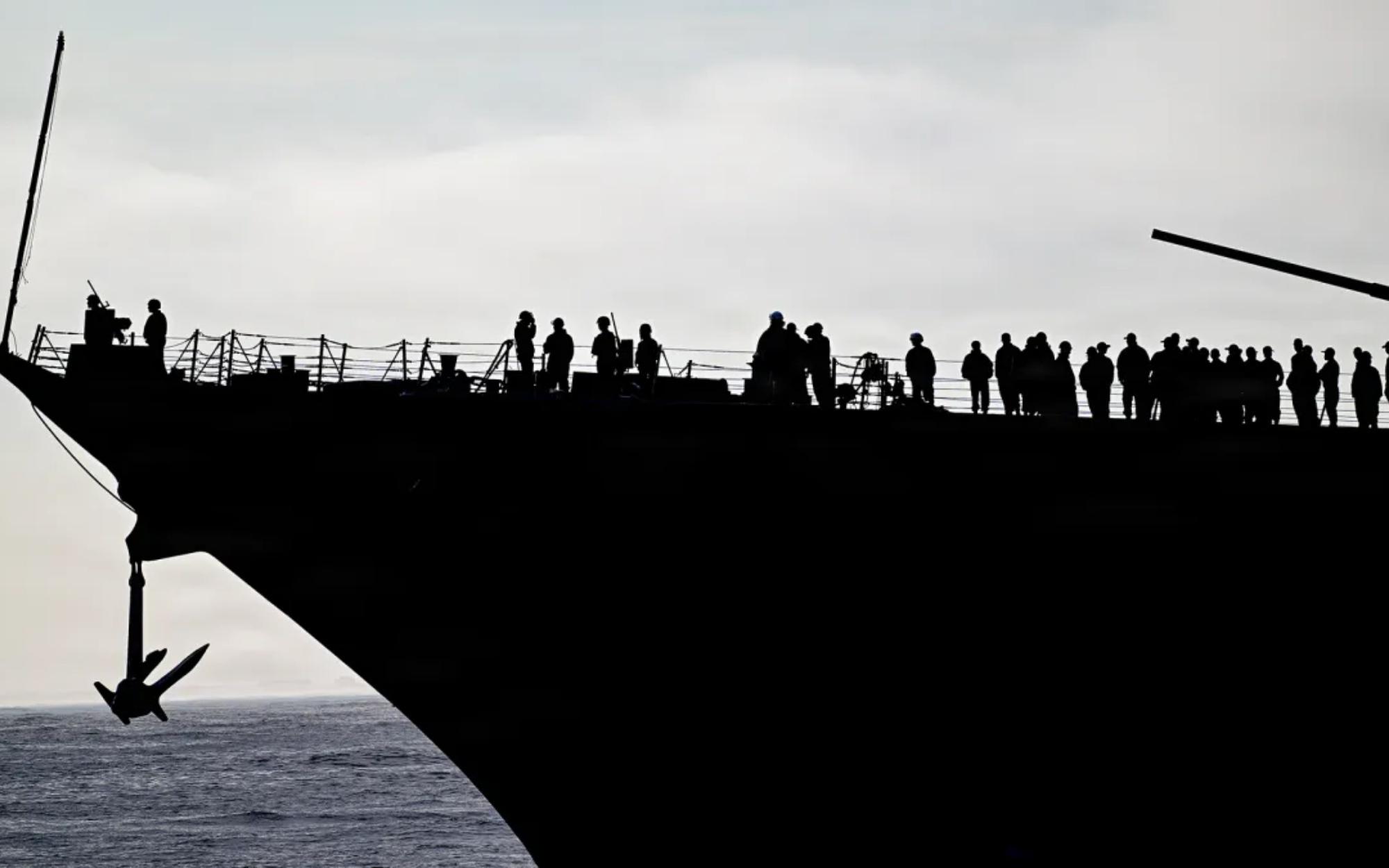
Resendiz was assigned to the destroyer USS James E. Williams when she disappeared in May 2025. She had joined the ship shortly after completing training as a culinary specialist, a rating centered on operating dining facilities and supporting the daily life of the crew.

Her shipmates remembered her as a friend to everyone, according to USNI News. They described her as passionate about serving in the Navy and excited about the future that was stolen from her.

Resendiz vanished on May 29, 2025, after making an urgent call to a friend saying she needed to be picked up. Investigators found her body on June 9 less than 10 miles from Naval Station Norfolk, Virginia.

Exactly one year later, Jermiah Copeland was sentenced to 44 years in prison after admitting in court that he strangled Resendiz. He was also reduced in rank from petty officer third class to seaman apprentice after pleading guilty to unpremeditated murder and other charges tied to her death.

Copeland also pleaded guilty to aggravated assault of a second victim and indecent recording of a third victim, according to USNI News. Prosecutors had initially accused him of assaulting five women in total, including Resendiz.

The charges against Copeland under the Uniform Code of Military Justice involved alleged incidents between July 2024 and June 2025 aboard the aircraft carrier USS Harry S. Truman, in Oslo, Norway, and in Norfolk. The Navy has posted his charge sheet online, with the victims’ names redacted.

As part of his sentence, Copeland will receive a dishonorable discharge, forfeit all pay and allowances, and be required to register as a sex offender after his release from federal prison, according to NCIS.

For families and advocates who have watched the military stumble through sexual assault cases for years, the policy shift is being viewed as overdue but important. Basic accountability should not take a murder to become official practice, but here we are.

Shannon Hough, founder of Shield of Sisters, called the change “a great start.” Her organization provides counseling and other resources to victims of military sexual trauma and has been working with Resendiz’s family since her death.

Hough said she was glad the process will now include NCIS, Sexual Assault Response Coordinators, and military attorneys. She also welcomed the requirement for commanders to communicate before sailors under investigation for sexual assault or stalking are moved.

“I think it’s a huge, huge step in the right direction; that’s what we’ve been calling for,” Hough told Task and Purpose on Monday.

Hough said she believes the requirement could have changed the outcome if it had been in place earlier. In her view, Copeland might not have been transferred to Resendiz’s ship, and she “would probably still be alive.”

“I think Angelina would still be with us, and the gaining command might have had more knowledge of just how bad he was,” Hough said.

The Navy’s new rule cannot undo what happened to Resendiz, and nobody should pretend otherwise. But it does draw a bright line around a common sense principle: commands receiving sailors under serious investigation need to know what they are getting.

For the fleet, this is not just a personnel issue. It is a readiness issue, a discipline issue, and a trust issue inside the ranks.

A command cannot function if sailors believe known risks are being quietly shuffled around like paperwork. The Navy’s policy change is a necessary step toward making sure the next warning sign is not ignored until another family gets a folded flag and a lifetime of questions.
News

Pentagon Shifts Iran War KIA Totals Into ‘Overseas Operations’ Category Amid Scrutiny

The Pentagon changed how it is publicly reporting U.S. casualties tied to the Iran conflict, moving recent killed in action figures into an “Overseas Operations” category after questions erupted over fluctuating totals.

The adjustment came Sunday through the military’s casualty reporting system, following weeks of confusion that began after Operation Epic Fury launched on Feb. 28, when U.S. and Israeli forces first struck Iran.

Under the revised setup, a page titled “Overseas Operations (OO) Casualty Summary” now lists U.S. casualties suffered in the conflict since July 7. That effectively separates those losses from the totals previously associated with Operation Epic Fury.

The move followed criticism that the Pentagon had lowered the number of American troops listed as killed and wounded in the war with Iran. In Washington, where bureaucratic labels often arrive right before accountability questions, the timing did not exactly go unnoticed.

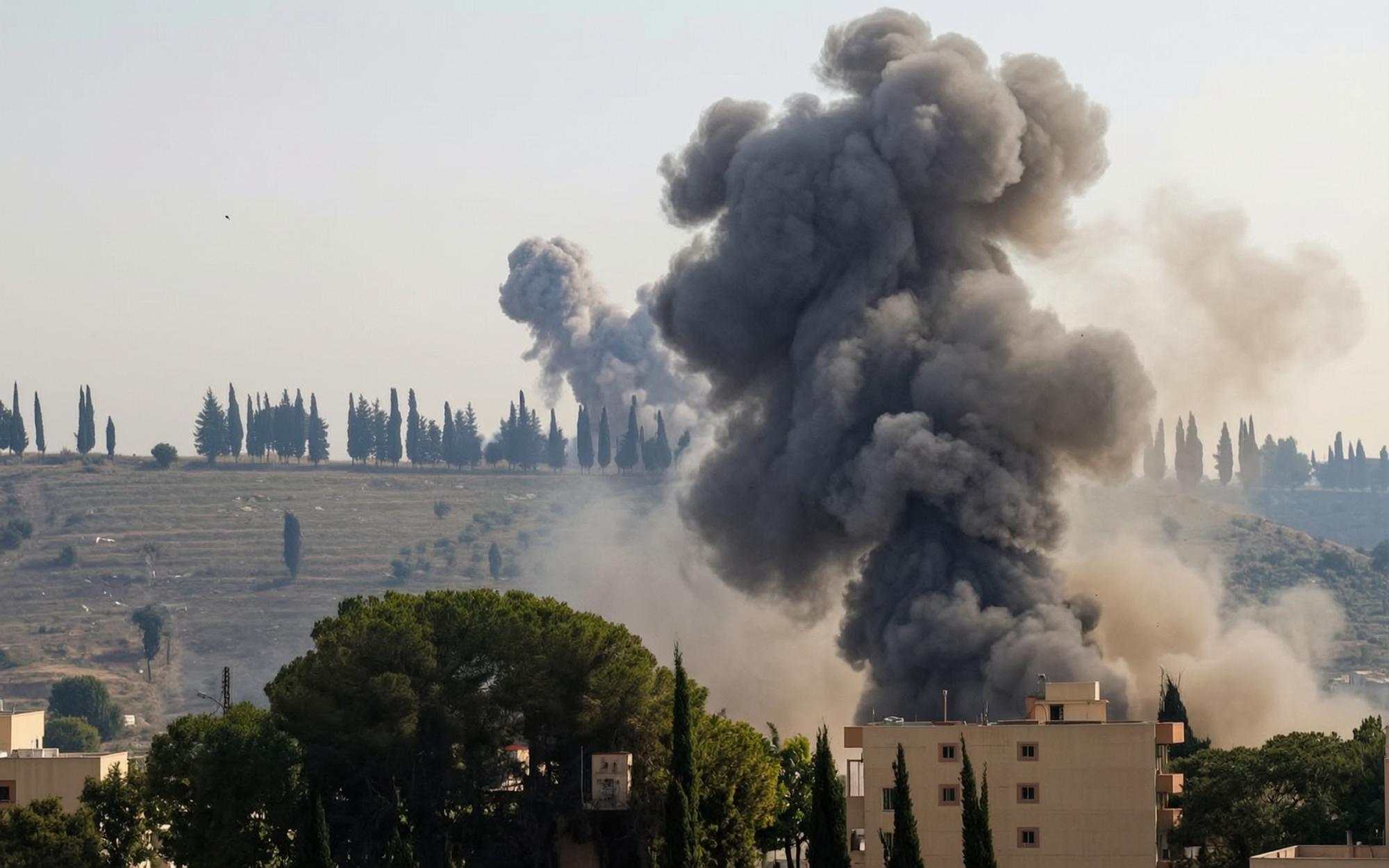
On July 17, three U.S. service members were killed when an Iranian missile struck their sleeping barracks at Muwaffaq Salti Air Base in Jordan. A fourth death occurred two days later in Erbil, Iraq, during a controlled detonation involving an attack drone.

The Pentagon initially updated its casualty system to show 18 killed, then later reduced that figure back to 14. That shift fueled scrutiny from reporters, lawmakers, and military families who expect casualty numbers to be handled with precision, not fog machine theatrics.

Iran Pounds Kuwait As U.S. Forces Hit Back Near Hormuz In Escalating Gulf Clash

On July 23, Sean Parnell, the chief Pentagon spokesman, pushed back against a New York Times report about the lowered killed in action figure. He wrote on X, “Our Pentagon Press Office gave the New York Times a courtesy off-the-record phone call explaining in detail that the site errors on the Defense Casualty Analysis System (DCAS) were due to a temporary data disruption. Our team explained we are working on it being resolved in coordination with the Military Services.”

Under the new overseas operations category, the Pentagon reports 207 U.S. service members wounded in action. Operation Epic Fury separately lists 417 wounded, bringing the combined wounded total across both categories to 624.

The total number listed as killed now stands at 18 when the categories are combined. That number matches the higher figure that appeared before the system was revised, though the presentation now splits the casualties across separate operational labels.

US Pounds Iranian Targets After Tehran Fires Drones In Gulf Escalation
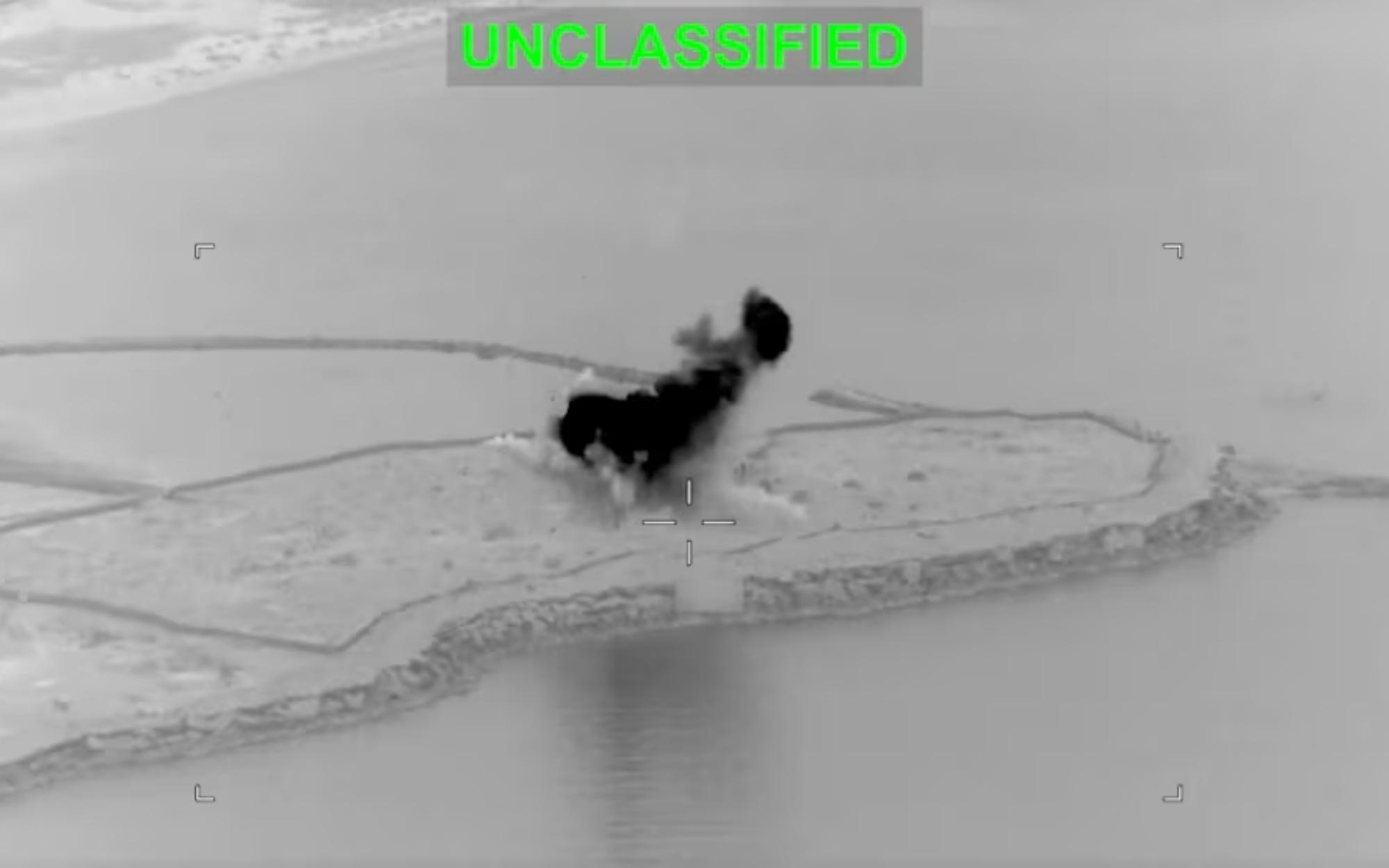
U.S. forces struck Iranian coastal surveillance sites on Saturday. (U.S. Central Command)

The post July 7 tally begins one day before the fragile June ceasefire between the United States and Iran collapsed. After that collapse, U.S. Central Command conducted 13 consecutive nights of strikes against Iran.

The Trump administration has argued that Iran’s return to hostilities restarted the 60 day period during which the president may use military force without congressional approval. That position treats the latest escalation as a new conflict rather than a continuation of the fighting that began in February.

U.S. Hits Iran With Punishing New Strikes After Oil Sanctions Snapback Over Tanker Attacks
A U.S. Air Force F-16 Fighting Falcon aircraft refuels from a KC-135 Stratotanker aircraft during Operation Epic Fury, April 2, 2026. (U.S. Air Force)

President Donald Trump formally notified Congress on July 10 that hostilities with Iran had resumed. Administration officials maintain that this new phase resets the clock under the War Powers framework, giving the commander in chief room to act without waiting for the usual Capitol Hill grandstanding.

War Secretary Pete Hegseth made a similar argument in April when he said the ceasefire meant Trump did not yet need to seek congressional consent to extend military operations. Hegseth argued that a pause in fighting also paused the statutory clock that would otherwise force the president to gain approval or end operations after 60 days.

U.S. Casualties Mount as Iran Clash Triggers Broad Military Response
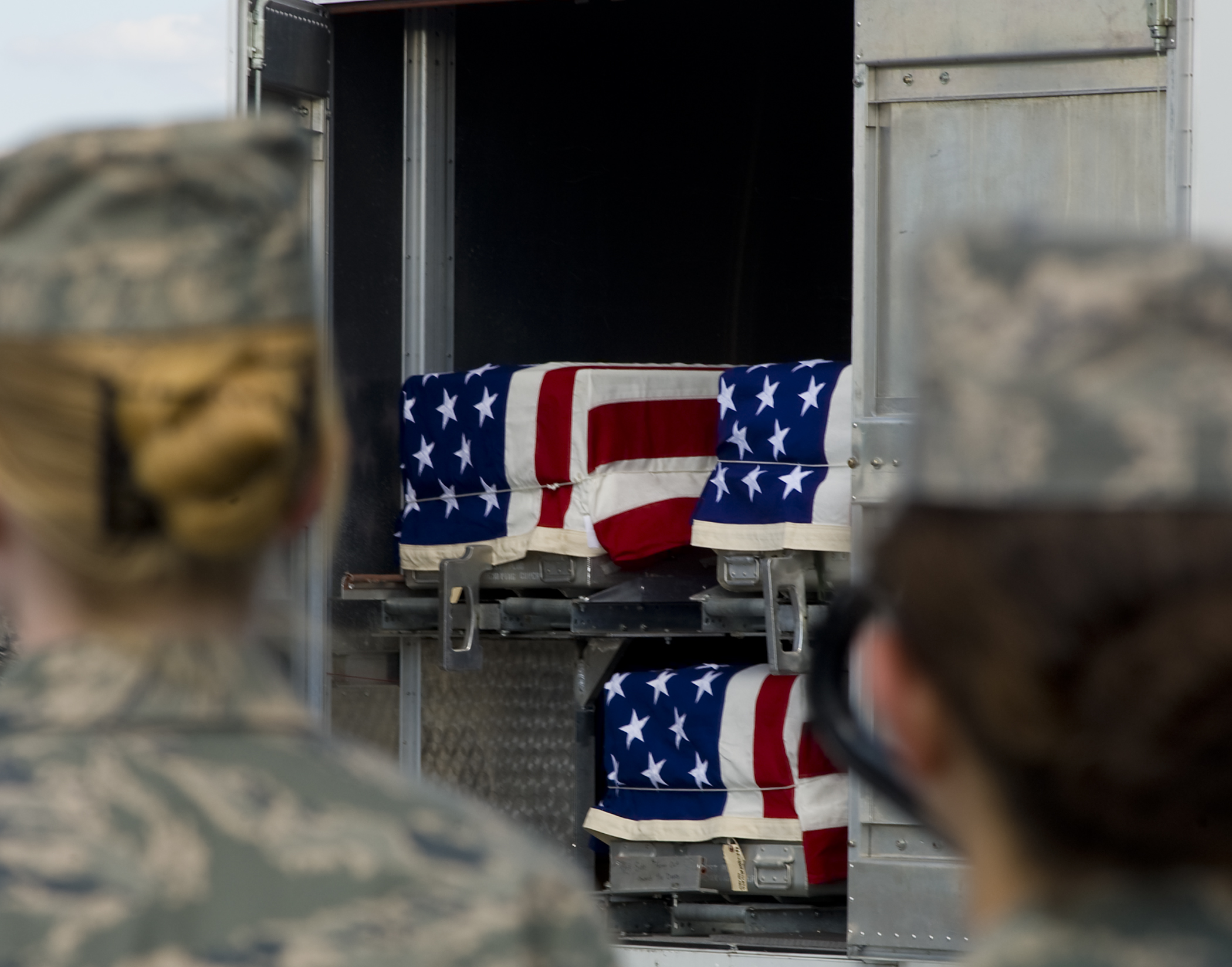
Air Force personel watch as the caskets of six fallen soldiers are loaded onto a waiting hearse at Dover Air Force Base Delaware July 8, 2009. All fallen service members are transferred directly from theater to the Air Force Mortuary Affairs Operation Center at Dover Air Force Base Delaware. (DoD photo by Benjamin Faske) (released)

“We are in a ceasefire right now, which [in] our understanding means the 60-day clock pauses, or stops,” Hegseth told Sen. Tim Kaine, D-Va., during a Senate Armed Services Committee hearing.

Kaine pushed back, saying, “I do not believe the statute would support that,” and adding that he has “serious constitutional concerns and we don’t want to layer those with additional statutory concerns.” Naturally, constitutional alarm bells in Congress tend to ring loudest when a Republican president is using force against a hostile regime.

The broader debate lands on familiar ground. Congress has not formally declared war since World War II, even as more than 100,000 American service members have died in conflicts around the globe since 1945.

Names on Bombs Aboard Lincoln Sign Bold Tradition as Readiness Rises
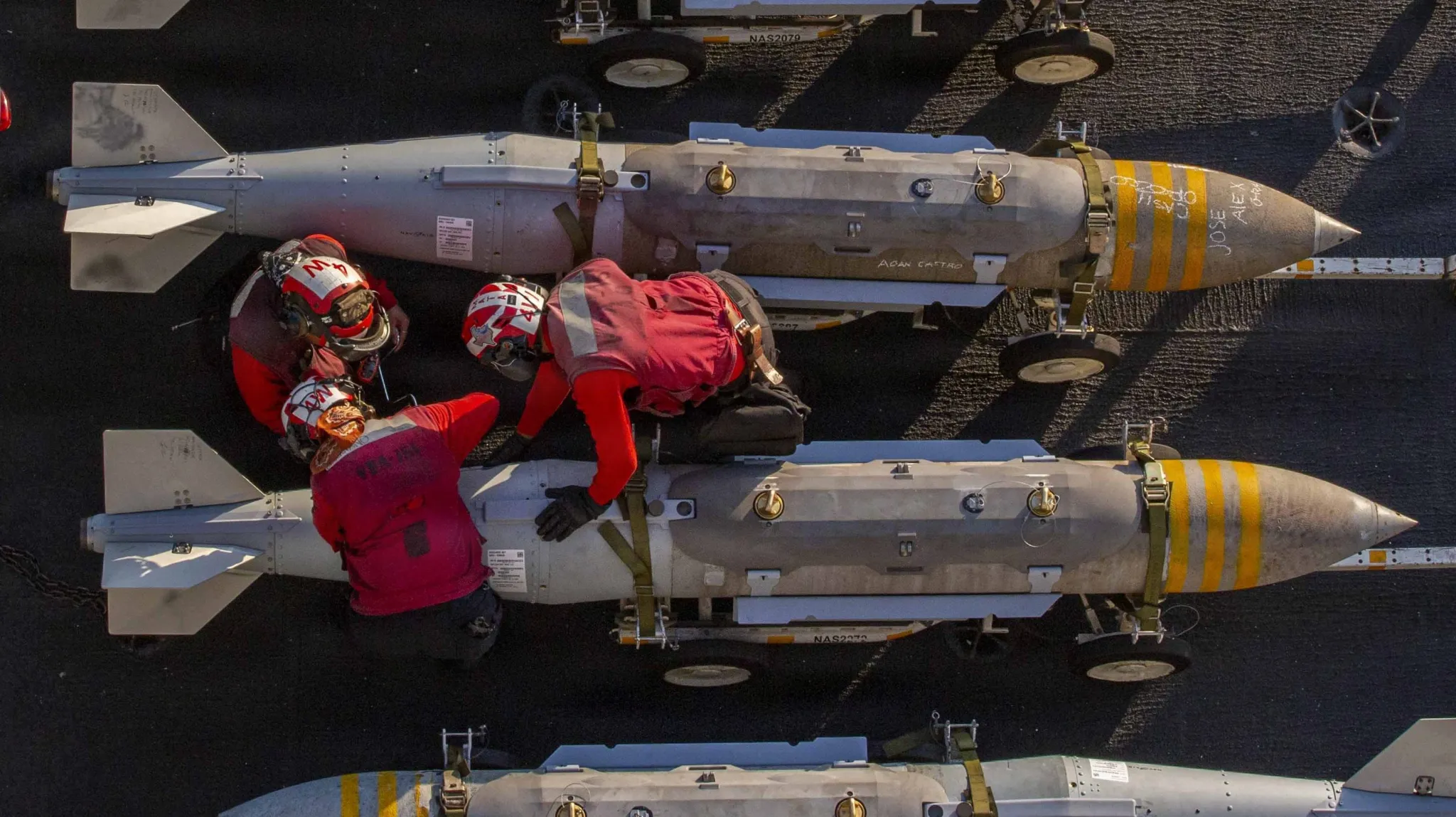
Sailors on the U.S. aircraft carrier appeared to have signed their names on munitions being loaded on planes in the first days of the Iran war. Navy photo.

For troops and families, the legal chess match matters less than the integrity of the casualty record. Whether listed under Operation Epic Fury or Overseas Operations, every killed and wounded American belongs in a count that is accurate, timely, and impossible to mistake for political bookkeeping.

The Pentagon’s new accounting system lines up with Trump’s position that Iran’s latest escalation marks a fresh phase in the conflict. Still, the casualty shuffle ensures the debate over transparency, war powers, and the price paid by American service members is not going away quietly.

News

Seattle Police Chief Blows Up After Questions About Absence During Deadly Festival Shooting [WATCH]

Seattle officials are facing continued scrutiny following a deadly shooting at the Bite of Seattle festival that left three people dead and four others injured, as questions remain about the city’s emergency response and public communication, as reported by Townhall.

The shooting occurred Sunday as the annual food festival was concluding. According to the reported timeline, two individuals exchanged gunfire, resulting in a mass casualty incident.

Police later arrested a 15-year-old in connection with the shooting, while another person of interest remained at large more than 17 hours after the incident.

The response by law enforcement and city officials has drawn criticism over the lack of emergency notifications and delays in providing information to the public.

According to KOMO News, no AlertSeattle emergency notification was issued following the shooting.

The city’s emergency alert system is designed to send text messages, emails, and phone notifications during public safety emergencies.

Paul Nicholas, a vendor at the Bite of Seattle, told KOMO News that his booth overlooked the area where the shooting occurred.

He said he did not receive updates from Seattle Center officials, the Seattle Police Department, or the office of Mayor Katie Wilson regarding whether the area was secure, whether authorities were searching for another suspect, or when vendors could safely retrieve their property.

Questions also emerged regarding the timing of the department’s initial media briefing. According to the report, members of the media waited several hours for a preliminary press conference following the shooting.

Seattle Police Chief Shon Barnes was attending a conference in Dallas, Texas, when the shooting occurred.

During a news conference Monday, Barnes was questioned about the department’s response, including the delay in releasing information to the public and why emergency alerts were not issued.

According to KOMO News, South Seattle Emerald reporter Connor Nash pressed Barnes about the department’s communication with residents during the incident.

Barnes said the department’s priority was securing the crime scene and searching for the second person of interest.

He also acknowledged the importance of providing timely information to the public.

“The public has a right to participate in their own public safety. They can only do that if we get our information out.”

Officials have not publicly explained why AlertSeattle was not activated following the shooting.

Mayor Katie Wilson reportedly said she was uncertain whether the emergency notification system would typically be used under those circumstances.

Seattle describes AlertSeattle as its official emergency notification system and says it distributes critical public safety information during emergencies.

The city’s Office of Emergency Management refers to it as the “best way” for residents to receive emergency information.

Seattle City Councilmember Bob Kettle, who chairs the council’s Public Safety Committee, said questions surrounding the emergency alert system were valid.

“It’s a very good point,” Kettle said.

When asked why no emergency alerts were sent, Kettle responded:

“I don’t have the answer to that question.”

The incident has also highlighted the actions of responding officers, who authorities said arrested a 15-year-old suspect and rendered aid to an injured child at the scene.

As of the latest information reported in the source article, investigators were still searching for a second person of interest, and questions remained about the timeline of the public notification process, the decision not to activate AlertSeattle, and the handling of communications following the shooting.

News

Biden Classified Docs Story Implodes as Ghostwriter Tapes Expose Memory Mess [WATCH]

Former President Joe Biden’s carefully protected classified documents narrative just took another hit, and this one comes with audio.

Recordings from his interviews with memoir ghostwriter Mark Zwonitzer, gathered during special counsel Robert Hur’s investigation, have now been released to the public.

The tapes come after a long legal fight by Biden’s attorneys to keep them sealed.

After months of resistance, the Biden team dropped its lawsuit seeking to block release, and a judge accepted that dismissal Monday.

The push to obtain the material came from Mike Howell, formerly of the Heritage Foundation and now with the Oversight Project.

Howell pursued the recordings and transcripts for more than two years through public records requests, arguing voters had a right to hear what Hur relied on.

The Oversight Project then published hours of Biden’s 2016 and 2017 conversations with Zwonitzer, who helped write “Promise Me, Dad.”

The audio shows Biden pausing often, speaking slowly, and struggling to recall names, dates, and events.

That matters because Hur’s report described Biden’s conversations as “painfully slow” and said he was “struggling to remember events and straining at times to read and relay his own notebook entries.”

The tapes appear to back up that description in uncomfortable detail.

Oversight Project Vice President of Litigation Jeff Clark told Fox News Digital, “Joe Biden didn’t want these tapes to come out. But now they have.”

He added, “There is no joy in Bidenville today.”

Clark also said, “Robert Hur’s and Merrick Garland’s decision to give Biden a free pass for keeping and disclosing classified information must now be reexamined.”

That is exactly the question hanging over this whole episode, especially after years of Democrats pretending classified document rules only apply to their political enemies.

Hur investigated Biden’s handling of classified materials from his time as vice president under Barack Obama and as a U.S. senator from Delaware.

He declined to pursue criminal charges, saying prosecutors could not prove beyond a reasonable doubt that Biden willfully retained or disclosed the material.

Hur also wrote, “Mr. Biden’s memory was significantly limited, both during his recorded interviews with the ghostwriter in 2017 and in his interview with our office in 2023.”

That line was widely discussed when the report came out, but hearing the recordings gives it a sharper edge.

In one recording, Biden warned Zwonitzer while discussing a 2014 Situation Room meeting, “Some of this may be classified, so be careful.”

He then added, “I’m not sure. It isn’t marked classified, but….” That is not exactly the kind of casual aside that inspires confidence.

Another clip from April 24, 2017, shows Biden struggling to remember two economic advisers.

“I’ll think of his name,” Biden said, before adding, “I should write the names down because I keep forgetting them.”

Zwonitzer eventually supplied the name Alan Krueger after a long pause. For a man who spent decades selling himself as the smartest foreign policy adult in the room, the moment is not flattering.

The same day, Biden appeared unable to recall where he had been on a particular date.

He later remembered attending a memorial service for a fallen service member, but the name still escaped him.

Biden also circled back to a meeting with Ron Klain, saying, “But at any rate, back to there was I had a meeting with Ron Klain, and I don’t know when.”

WATCH:

The audio also captures him trying to place a lunch with former Treasury Secretary Larry Summers.

“When he, when he came to me and I’ll get the date. Remind me when did Summers come to me to have lunch to it was when I was thinking about running.”

Later, Biden said, “Here’s what happened, before I forget. Don’t mind my train of thought. He also pledged to support me in 2016.”

The political problem for Biden and his defenders is obvious.

For years, Americans were told concerns about his mental sharpness were cheap shots, right wing noise, or edited clips, yet here are recordings from before his presidency showing the very issues critics raised.

WATCH:

The public now has more than spin to review, and the Biden classified documents story looks a lot less tidy than the establishment wanted voters to believe.

News

Fauci Diary Exposes Fatality Rate Deception as Senate Scrutiny Intensifies [WATCH]

Anthony Fauci is heading back into the spotlight, and not for another round of glowing cable news interviews or celebrity doctor worship, as reported by Breitbart.

A newly released personal diary from the former National Institute of Allergy and Infectious Diseases chief shows that Fauci privately assessed the coronavirus fatality rate far lower than what he was telling Americans in public during the early days of the pandemic.

According to the diary, Fauci wrote in February 2020 that the case fatality rate was likely closer to 0.2 to 0.3 percent rather than 2.0 percent.

That is a rather important detail, especially when the same man soon appeared before cameras and Congress warning the public with much higher numbers.

Sen. Rand Paul of Kentucky, chairman of the Senate Committee on Homeland Security and Governmental Affairs, released the diary ahead of Fauci’s scheduled testimony before the committee on Wednesday, July 29, 2026.

Paul has long pressed Fauci on pandemic decision-making, federal health bureaucracy, and the convenient memory gaps that seem to appear whenever accountability enters the room.

The diary reportedly documents Fauci’s daily activities during the early Trump administration response to coronavirus.

It includes his media appearances, internal discussions, and private thinking as federal officials were attempting to understand the virus.

One February entry described a conversation with former CDC Director Tom Frieden.

Fauci privately suggested that the virus appeared to be acting like a bad influenza in transmissibility, while the true number of infections was likely far larger than confirmed case counts showed.

That larger denominator mattered because it would make the fatality rate significantly lower.

Americans were not getting that softer private calculation from the man who soon became the federal government’s pandemic oracle.

During a March appearance on Hannity, Fauci gave viewers a much more alarming public message.

“The mortality for seasonal flu is 0.1. The mortality for this is about two, two and a half percent. It’s probably lower than that. It’s probably closer to one. But even if it’s one, it’s ten times more lethal than the seasonal flu. You got to make sure that people understand,” Fauci said.

That statement alone shows the gap between private caution and public messaging.

Fauci acknowledged on air that the number was probably lower, but he still emphasized a figure far above what his own diary had indicated weeks earlier.

The same pattern appeared when Fauci testified before Congress that month.

“Well, understand that the seasonal flu that we deal with every year has a mortality of 0.1 percent. The stated mortality overall of this, when you look at all the data, including China, is about 3 percent. It first started off as two, and now three. I think if you count all the cases of minimally symptomatic or asymptomatic infection, that probably brings the mortality rate down to somewhere around one percent, which means it is ten times more lethal than the seasonal flu.”

He continued, “I think that’s something that people can get their arms around and understand. I mean, people always say, well, the flu. You know, the flu does this. The flu does that. The flu has a mortality of 0.1 percent. This has a mortality of 10 times that. And that’s the reason why I want to emphasize we have to stay ahead of the game in preventing this.”

That testimony helped fuel the official pandemic posture that reshaped American life.

Schools closed, churches were pressured, businesses were crushed, mandates followed, and the ruling class told the country to stop asking questions because the experts had everything under control.

Fauci also appeared on The Daily Show with Trevor Noah that same month and again used a stronger public comparison.

“That’s a lot, and we get used to that morbidity and mortality, but the mortality of this is about 10 times that. It’s at least 1 percent,” Fauci said.

The newly released diary raises the obvious question that Washington’s public health defenders would rather avoid.

If Fauci privately believed the fatality rate was dramatically lower, why did he repeatedly present more frightening numbers to the public?

The answer matters because pandemic policy was not some academic exercise.

Real people lost jobs, children lost classroom time, small businesses vanished, and families were treated like criminals for wanting to live normal lives.

For years, critics who questioned the official narrative were smeared as reckless, ignorant, or worse.

Now another document suggests that the public version of events was not as clean, settled, or honest as the bureaucracy insisted.

Fauci’s upcoming testimony gives senators a fresh chance to press him on the difference between what he wrote privately and what he said publicly.

If the country is ever going to recover from the damage done by the pandemic regime, the people who drove that regime should have to answer plainly, without the usual fog machine of expert jargon.

News

Veteran Suicidal Thoughts Surge Nearly 50% as Attempts Hold Steady, Study Finds

Suicidal thoughts among American veterans have climbed sharply over the past five years, even as reported suicide planning and attempts have remained relatively steady, according to a new study that should get more attention than the usual Washington press release shuffle.

The study, built from a survey of 2,636 veterans, found that 13.4% reported suicidal thoughts in the previous two weeks. That is up from 9% in the 2019 to 2020 survey, a jump of nearly 50%.

Researchers from the Department of Veterans Affairs National Center for PTSD and the Yale School of Medicine examined data from the 2025 to 2026 National Health and Resilience in Veterans Study. Their findings were published July 20 in JAMA Network Open.

The overall rate of suicide planning and attempts did not significantly change during the same period. However, the numbers were worse for certain groups, especially younger veterans and women, who showed higher rates of suicidal thoughts, planning and attempts across the five year span.

Ian Fischer, the study’s lead author and a clinical psychologist at the VA Connecticut Healthcare System, said the changing makeup of the veteran population makes this kind of research essential.

“The veteran population has become younger, and there have been increases in the proportion of women veterans and shifts in its racial and ethnic composition over the past five years, making it essential to monitor changes in suicidal thoughts and behaviors and identify the veterans who may benefit most from prevention and early intervention,” Fischer said Tuesday in a Yale press release.

The hard numbers remain brutal. More than 6,000 veterans have died by suicide each year since 2001, and in 2024, the most recent year with accurate nationwide data, 6,398 veterans died by suicide.

Veterans ages 18 to 34, along with those dealing with homelessness or serious health problems, remain at higher risk. According to VA data, veteran suicide rates are 60% higher than the national average, and suicide is the second leading cause of death among veterans under age 45.

The VA has spent millions on suicide prevention and has partnered with community groups through grants and support programs. Lately, the department has also pushed more veterans to enroll in VA medical services, pointing to evidence that veterans receiving VA care have lower rates of suicide and suicide attempts.

The study found that veterans who rely on VA primary care were twice as likely to have received mental health treatment at some point in their lives. More than half of veterans using VA health care services were actively enrolled in mental health care.

Still, a major gap remains. Fewer than 37% of veterans who reported suicidal thoughts in the previous two weeks were receiving mental health care, which means too many are still slipping through a system that Washington insists is working.

“These findings suggest that the VA is playing an important role in connecting veterans at elevated suicide risk with mental healthcare,” said Brandon Nichter, a visiting scholar in Yale’s Department of Psychiatry and study coauthor, in a release.

“At the same time, many veterans with recent suicidal thoughts are still not engaged in treatment. Expanding outreach and reducing barriers to care across both VA and community health systems will be essential to reaching these individuals,” Nichter said.

Researchers said younger veterans may face elevated suicide risk in part because post 9/11 veterans endured “elevated trauma exposure” during the wars in Iraq and Afghanistan. Those conflicts left a long shadow, no matter how many officials would prefer to file the consequences away in a tidy budget document.

The authors also warned that comparing veterans from different eras is complicated by generational differences and “survivorship bias.” In plain English, older veterans may appear to have lower rates of suicidal behavior because the highest risk younger veterans may not survive into older age.

Women veterans had higher odds of suicide planning and attempts in the survey, while national VA data still show that male veterans die by suicide at higher rates. That distinction matters for prevention, because a one size fits all approach is exactly how bureaucracies miss the people most at risk.

The study identified major depression, alcohol use and adverse childhood experiences before military service as risk factors for suicide attempts. PTSD, major depressive disorder and adverse childhood experiences were tied to suicidal thoughts and planning.

The authors cautioned that the survey depended on veterans reporting their own experiences, and some may have been unwilling to disclose suicidal thoughts or attempts. The sample also did not include incarcerated or institutionalized veterans, meaning it cannot fully represent every part of the veteran population.

Based on the findings, researchers estimated that between 2.3 million and 2.4 million of the nation’s roughly 16 million veterans experienced suicidal thoughts during the study’s measured time frame. They also estimated that roughly 1.4 million veterans had planned suicide at some point, while about 830,000 had attempted suicide during their lifetimes.

The researchers said they hope the findings will sharpen prevention, intervention and treatment efforts. “Targeting key risk factors in vulnerable sub-populations may help mitigate suicide risk,” they wrote.

News

Whistleblower Exposes Becerra’s Migrant Child Scandal as Missing Kids Crisis Explodes [WATCH]

Xavier Becerra’s record as Joe Biden’s Health and Human Services secretary is back under the spotlight, and not because anyone suddenly discovered competence in the Biden cabinet.

A whistleblower has come forward with allegations that rip open the scandal surrounding unaccompanied migrant children processed under his watch, as reported by Red State.

The timing is remarkable. As Washington prepares to revisit Anthony Fauci’s COVID record, another Biden official is facing questions over a crisis involving children, secrecy, bureaucracy, and the familiar smell of government failure.

Becerra has already faced scrutiny over reports that hundreds of thousands of unaccompanied minors could not be properly accounted for during his tenure.

Now a caseworker from the Pomona Fairplex in California is alleging that the system meant to protect vulnerable children became a rushed release pipeline.

According to the whistleblower, children were separated from siblings, moved in the middle of the night, released to questionable sponsors, and sent to addresses that were not properly verified. Some, she alleges, were never seen again.

The whistleblower brought the allegations to Republican California gubernatorial candidate Steve Hilton, who is running against Becerra.

Hilton is now putting the issue directly at the center of the race, which is exactly where it belongs if California voters still care about basic accountability.

The caseworker described a chaotic operation where minors arrived with names and phone numbers written on their arms in Sharpie.

Staff would allegedly call the listed number, and in some cases, the supposed sponsor did not even know the child’s name.

“A lot of these people did not have proof,” she said. That sentence alone should have stopped the machine cold, but according to the whistleblower, the releases continued.

She added, “We still have no proof that the child went to that address, because we couldn’t do any follow-up or continue with the case or see welfare checks; we couldn’t do any of that either.”

That is not child welfare. That is government-sanctioned abandonment with paperwork.

The whistleblower also alleged that fake documents were accepted, including newly assembled identification cards with selfie photos and fraudulent birth certificates.

Sponsors were reportedly not vetted in person, with confirmations happening by phone or through WhatsApp.

“We were constantly getting information that is false, and we had to go with it,” she said.

That claim paints a picture of a bureaucracy more interested in clearing cases than safeguarding children.

Becerra also allegedly pushed for speed. Critics have described the process as an assembly line for illegal minors, one where staff was pressured to move children quickly rather than carefully.

The Pomona Fairplex became one of the key facilities involved in this operation. The article reports that Becerra contacted Los Angeles County Supervisor Hilda Solis directly about using the location.

The White House also reportedly called Solis directly to request the use of the facility. That detail should make every serious reporter in California sit up, though the legacy press has an impressive talent for sleeping through Democratic scandals.

Solis is a former Obama Labor secretary and a longtime figure with deep Big Labor connections.

She has also drawn controversy over political alliances, appointments, and other questions during her years in public office.

The broader allegation is grim.

Children were allegedly released to sponsors who were not who they claimed to be, sent into abusive workplaces, handed to fake relatives, or placed in situations vulnerable to trafficking.

One statement attributed to the whistleblower was especially damning. “Sometimes [the sponsor] didn’t know the name of the child.”

Another allegation cuts straight to the failure of basic verification. “Children were sent to sponsors who provided a fraudulent form of identification.”

The whistleblower also said, “We still have no proof that the child went to that address.” For a federal agency entrusted with children, that is a catastrophic sentence.

Hilton has amplified the claim that Becerra “lost” 319,000 children and that 140,000 remain missing.

If even a portion of these allegations are confirmed, this is not just a political problem for Becerra. It is a national disgrace.

Polling has shown Becerra ahead of Hilton by a wide margin, 61% to 36%, according to the Public Policy Institute of California.

But scandals involving missing children have a way of breaking through when voters finally hear the details.

Hilton has promised more material to come, and this first round should already be enough to demand hearings, subpoenas, records, and answers.

The California press corps can either do its job or keep pretending Democratic management failures are just unfortunate clerical events.

Becerra wants to be governor of California after serving in Biden’s cabinet.

Voters deserve to know whether the man asking for more power presided over a system that treated vulnerable children like inventory to be moved, logged, and forgotten.

News

McConnell Drops Another Proof of Life Photo as Senate Absence Fuels Frenzy [WATCH]

Senator Mitch McConnell resurfaced Monday with a new photo meant to calm questions about his health after a 44 day absence from the Senate.

In Washington, where the ruling class often treats basic transparency like a state secret, the picture did more than answer questions.

The image showed McConnell smiling from a rehab bed alongside his wife, Elaine Chao.

It was clearly intended to project calm, even as the Kentucky Republican has been missing from the Senate during a stretch when voters deserve to know who is actually doing the job.

A statement from the Capitol’s Office of Attending Physician tried to put the matter to rest.

“Senator McConnell continues his recovery from a fall at home in June,” the statement said.

The office added more details about his rehabilitation, saying doctors have been checking on him daily.

“OAP physicians visit with the Senator every day, discussing all aspects of his rehabilitation care. Since his discharge from hospital care, he has maintained a strenuous course of physical therapy and rehabilitation, including multiple sessions a day designed to rebuild strength and reduce the risk of future falls. His bout with childhood polio continues to be a significant factor in his mobility,” the statement read.

McConnell also confirmed he will not attend this year’s Fancy Farm picnic, a major Kentucky political tradition.

For a senator who has spent decades as one of the most powerful figures in Republican politics, missing such an event only adds fuel to the conversation.

The latest photo follows an earlier “proof of life” image released this month as speculation grew around McConnell’s extended disappearance from public view.

The timing and lack of regular public updates created a vacuum, and Washington being Washington, that vacuum was quickly filled with whispers.

Last week, rumors circulated that McConnell was “brain dead” and being kept alive by machines.

The new medical statement pushed back on those claims and said he had not suffered a heart attack or stroke.

WAATCH:

McConnell, now 84 years old, said his hospitalization followed a fall at home.

“My doctors have confirmed that I didn’t break any bones or suffer a concussion. I didn’t have a heart attack or a stroke. I don’t have any tumors or hemorrhages. But I was briefly unconscious and was taken to the hospital. While receiving excellent care over the past several weeks, I’ve also had to deal with a mild case of pneumonia,” McConnell said.

That explanation is more detailed than what the public initially received, but it also raises the obvious question.

Why does it take weeks of rumors before voters get a fuller picture of what is happening with one of the most senior officials in the country?

The Office of the Attending Physician also noted that McConnell’s recent health challenges are not isolated.

“Senator McConnell has experienced several falls throughout the year that have been attributed to his post polio condition. He was admitted to the hospital four weeks ago after falling at home and sustaining minor injuries,” the statement said.

McConnell’s health has been a growing concern for some time, especially after prior public episodes in which he appeared to freeze while speaking to reporters.

The political class may prefer to politely look away, but voters across the country are increasingly tired of being told not to believe their own eyes.

The Senate is not a ceremonial retirement lounge.

It is where major decisions on spending, judges, national security, and the future of the country are supposed to be made by people who are present, alert, and accountable.

Republican voters have watched the old guard cling to power while grassroots conservatives ask for fresh leadership and actual transparency.

That frustration is not going away because a carefully staged photo lands online.

For now, McConnell’s team wants the public to see a recovering senator, not a sidelined power broker whose absence has become impossible to ignore.

The photo may quiet some of the wilder rumors, but it will not end the larger debate over age, accountability, and whether Washington’s permanent political class knows when it is time to step aside.

News

Socialist Mayor Mamdani Pushes Taxpayer Grocery Scheme with Prices Rigged Below Retail [WATCH]

New York City Mayor Zohran Mamdani is moving ahead with a taxpayer-funded grocery experiment that sounds less like sound policy and more like a campaign flyer written in a socialist faculty lounge, as reported by The Gateway Pundit.

Mamdani announced Monday that the city will open five city-owned grocery stores, one in each borough, with a government-managed basket of basic food items priced up to 30% below normal retail levels.

The plan is one of the major promises from Mamdani’s campaign, and it comes with a very real public price tag.

City officials have already lined up $70 million in capital funding to build and prepare the five locations.

The discounted items are expected to include fresh produce, meat, seafood, dairy, refrigerated goods and pantry staples such as eggs, milk, bread, cheese, rice and beans.

According to ABC7 NY, city officials claim families could save about $90 a month or around $1,000 a year.

Mamdani sold the plan as a strike against corporate greed and grocery sticker shock.

“Every week, New Yorkers walk into a grocery store hoping the prices haven’t gone up again… A trip to the grocery store shouldn’t spell dread for New Yorkers.”

He added, “That’s why we are guaranteeing a 30% discount on the most common and most critical groceries for families across the five boroughs” and said, “In a city that’s defined by unpredictability, you deserve stability.”

That all sounds lovely if one ignores the part where taxpayers are footing the bill. There is no magical government grocery fairy paying for rent, construction, renovations, land, property taxes and the other costs private businesses face every day.

Under the proposal, New York City will provide grocery-ready sites, pay startup and facility costs, create a single government-approved brand and dictate major operating rules.

Private operators will be asked to run the stores, but City Hall will set pricing mandates, labor conditions and performance standards.

The city released a request for proposals Monday to find private companies willing to operate these taxpayer-backed markets.

Translation: the government wants the private sector to manage the mess after politicians write the rules and subsidize the competition.

The first location is expected at The Peninsula development in Hunts Point in the Bronx by the end of 2027.

Another 9,000-square-foot store is planned for La Marqueta in East Harlem, but that one is not expected to open until 2029.

Sites in Brooklyn, Queens and Staten Island have not been chosen yet, though Mamdani claims all five stores will be running before the end of his first term.

That is a bold timeline for a city government not exactly famous for doing anything quickly or cheaply.

The administration says these stores will not sell high-profit items like cigarettes, alcohol, lottery tickets or prepared hot foods.

Officials claim that move is meant to avoid direct competition with local bodegas.

But that explanation does not pass the laugh test for small business owners watching City Hall build subsidized rivals down the street.

Private supermarkets and bodegas still have to pay rent, taxes, insurance, maintenance, and labor costs with no socialist safety net under them.

Some store owners have already called the idea a “slap in the face” and accused the city of “using our tax money to compete with us.”

They also warn that customers using SNAP benefits could simply shift from neighborhood stores to subsidized government-backed locations.

The East Harlem site is especially glaring, since roughly 45 grocery stores already operate within a 35-minute walk of the planned location.

That area already includes chains, smaller markets and bodegas trying to survive on thin margins in one of the most expensive cities in America.

“Of course it will affect this store,” Sarah Kang, manager of a nearby CTown Supermarkets location, said when asked about Mamdani’s government-backed competitor.

For local grocers, this is not an academic debate about affordability; it is City Hall picking winners and losers with public money.

News

Explosive Records Expose China Blackmail Push Against the Biden Family [WATCH]

Donald Trump warned voters during the 2020 campaign that China knew plenty about the Biden family business machine, and that Beijing could use that knowledge as leverage over Joe Biden.

The political class sneered, the legacy press did its usual eye roll, and anyone asking obvious questions was shoved into the conspiracy corner.

Now, newly discussed records are making that old media performance look even worse.

Emmy winning investigative reporter Catherine Herridge has been digging through declassified material tied to China and its 2020 election influence operation, and what she found should have set off alarm bells across every serious newsroom in America.

Herridge told Katie Pavlich on Katie Pavlich Tonight on NewsNation that the records reference blackmail by China connected to the Biden family.

That is not a small detail, and it certainly is not the kind of thing the press can wave away with another lazy lecture about misinformation.

“I found these records which are talking about blackmail by China,” Herridge said.

“It was for President Biden’s daily brief. I can conclude, I think, that it was probably about targeting his family.”

That is about as direct as it gets.

The records were not some random internet rumor, and they were not buried in a dark basement guarded by a dragon, despite how hard the corporate press may pretend otherwise.

Herridge made clear that the issue was available to anyone willing to look.

“I think in the media or legacy media, there was kind of a willful blindness,” Herridge said.

“They didn’t want to look at the records. All you had to do was spend a couple of hours.”

WATCH:

A couple of hours.

That is apparently too much effort for the same media crowd that had endless energy for Russia hysteria, anonymous leaks, and breathless panels about every anti Trump narrative that wandered through Washington.

The revelations follow Trump’s primetime address to the nation, where he highlighted newly declassified intelligence about China allegedly acquiring 220 million American voter files.

He also described how career officials inside the intelligence community worked to bury the seriousness of that operation from senior leaders, including Trump himself.

Herridge has since connected those concerns to broader questions about what was happening inside the federal bureaucracy during the 2020 campaign.

She pointed to an instant message from senior FBI counterintelligence official Nikki Floris that Herridge described as evidence of a “shadow government” inside the bureau.

Senator Ron Johnson of Wisconsin told Herridge that in August 2020, around the same time the Chinese influence operation was being suppressed, Floris gave him and Senator Chuck Grassley of Iowa a defensive briefing.

Johnson believes that briefing was presented as being about Russia, but was really meant to steer the senators away from the Hunter Biden laptop and prepare the ground for calling it disinformation.

That matters because the laptop was not a minor campaign sideshow.

It contained material raising serious questions about the Biden family’s foreign dealings, including the kind of connections and money trails that responsible journalists once claimed to care about.

Instead, Americans got the usual establishment routine.

Big Tech throttled the story, media outlets dismissed it, intelligence veterans helped frame it as foreign trickery, and the same crowd now demanding trust from the public acted shocked when Americans stopped believing them.

Herridge also spoke with a senior member of former Director of National Intelligence Tulsi Gabbard’s investigations team.

According to that account, some officials inside the intelligence community believed they knew better than Trump and needed to manage what he saw.

“They had to save President Trump from his own instincts, from his own tendencies,” Herridge said.

She described a bureaucracy invested in preserving a “globalist view,” whether that meant minimizing China’s threat or labeling the Biden laptop as “Russian disinformation”.

WATCH:

That is the central scandal here.

It is not only that China may have had leverage connected to the Biden family, although that alone should be enough to trigger a serious national reckoning.

The deeper problem is that people entrusted with protecting the country appear to have decided what the public was allowed to know.

They picked narratives, protected institutions, and treated voters like a nuisance to be managed.

For years, Americans were told concerns about Hunter Biden, foreign cash, and China’s possible leverage over Joe Biden were wild right wing fantasies.

The evidence keeps marching in the opposite direction, and the smug fact checkers are looking more ridiculous by the day.

Trump said Biden was compromised, and the record now gives that warning a lot more weight than the press ever admitted.

Washington owes Americans real answers about what China knew, who buried it, and how much national security was put at risk while the guardians of democracy were busy guarding Democrats.


Scroll to Top