News

News

Hegseth Launches Crackdown Task Force to Hunt Down Media Leakers

The U.S. government has had enough of leaks jeopardizing national security and endangering American lives.

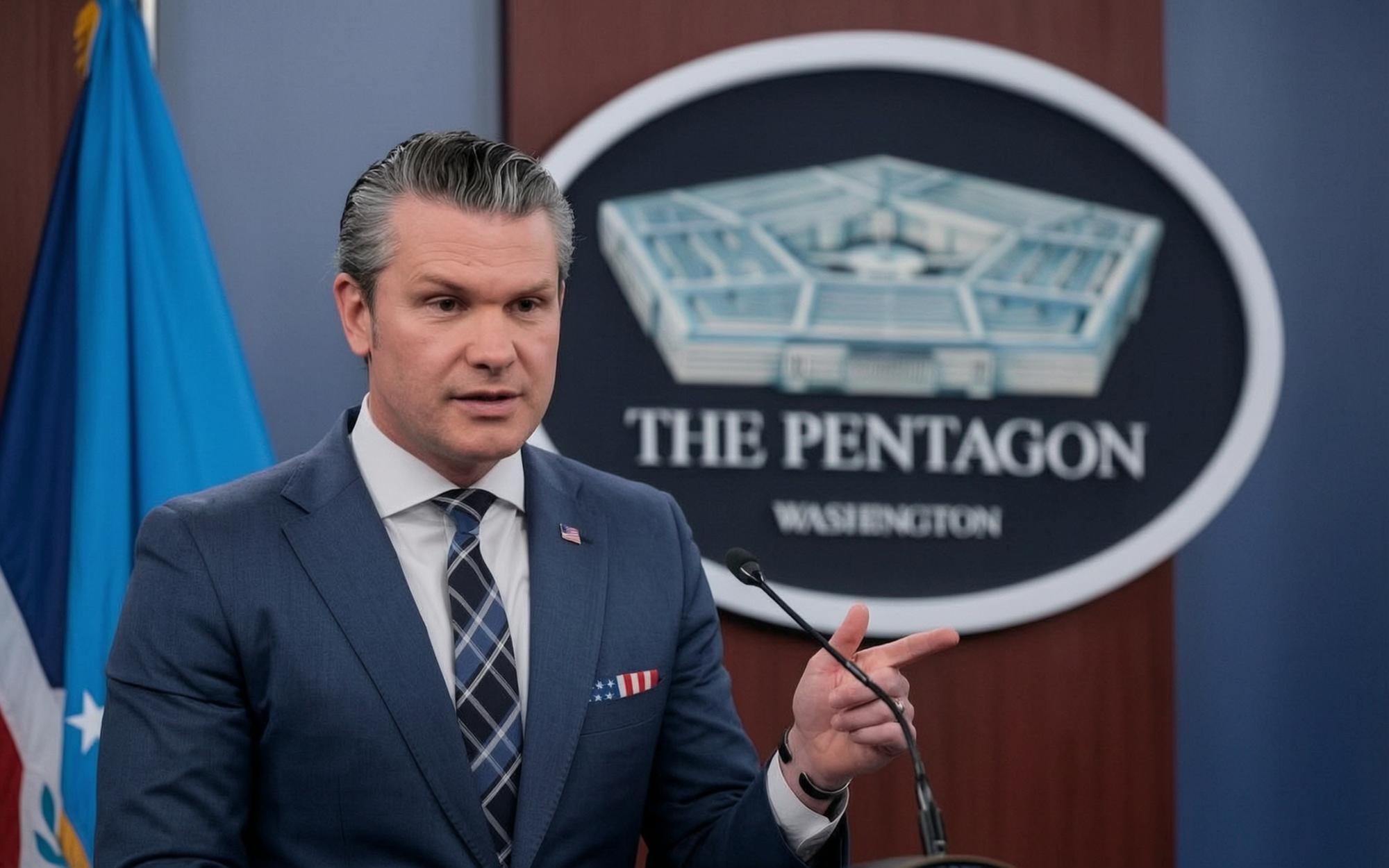
War Secretary Pete Hegseth announced this week that a new joint task force from the War Department and the Justice Department will target and prosecute those responsible for unauthorized disclosures to the liberal media.

Hegseth, a longtime advocate for accountability inside the national security community, revealed the initiative in a Monday video message where he emphasized that leaking classified information is not “whistleblowing” — it’s betrayal.

“Access to confidential and secret information is a sacred trust, and those who betray that trust will be met with the full force of the law,” Hegseth said.

According to Hegseth, the War Department’s Office of General Counsel now possesses full authority to request and receive departmental records concerning ongoing leak probes.

The clear message: it’s open season on insider leakers who funnel secrets to political operatives disguised as journalists.

This move follows President Trump’s sharp warning earlier this year after a classified detail about a downed F-15E pilot over Iran was mysteriously leaked to the press.

The disclosure reportedly tipped off the Iranian regime that an American airman had survived the crash — forcing the Pentagon to scramble rescue operations and risk U.S. special operators in hostile territory.

At the time, President Trump didn’t mince words. He made it clear the administration would not tolerate so-called “journalists” acting like an extension of America’s enemies.

“We’re going to go to the media company that released it, and we’re going to say, ‘National security. Give it up or go to jail,’” Trump said, making his stance unmistakable.

The President’s outrage was well founded. Reports from outlets like The New York Times and Axios were first to publicize the sensitive details of the missing pilot before military authorities could secure the region. As a result, Tehran reportedly offered a bounty for any Iranian who could locate or capture the airman.

Leaks, particularly those involving troop movements or rescue missions, are not just breaches of confidentiality.
Former Army Sergeant Pleads Guilty to Attempting to Sell U.S. Military Secrets to China
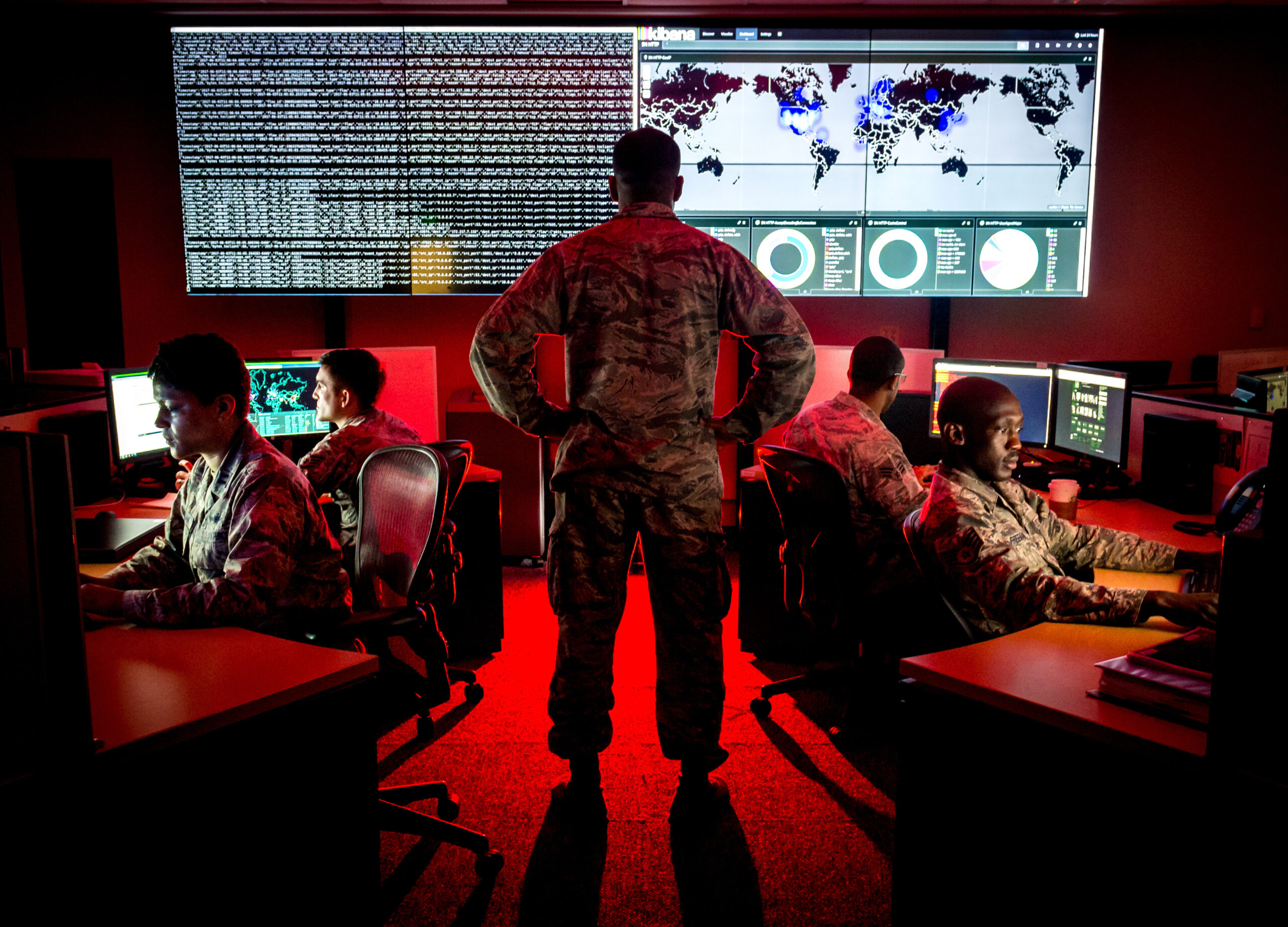
Cyber-warfare specialists serving with the 175th Cyberspace Operations Group of the Maryland Air National Guard engage in weekend training at Warfield Air National Guard Base, Middle River, Md., Jun. 3, 2017. (U.S. Air Force photo by J.M. Eddins Jr.)

They are moral failures that risk American lives for the sake of cheap clicks and partisan sensationalism. Hegseth’s move signals a new era of enforcement — one where betraying one’s country for media clout carries real consequences.

The joint task force marks one of the most aggressive federal efforts yet to clamp down on unauthorized disclosures.

Justice Department officials are expected to coordinate directly with military investigators to trace digital footprints, review communications logs, and pursue criminal charges against those responsible.

Critics in the mainstream press are already crying foul, predictably decrying the effort as “authoritarian” or a “threat to press freedoms.”

But for most Americans, the real question is simple: who stands up for the men and women in uniform when our adversaries exploit Washington’s leaky culture?

For too long, establishment newsrooms have treated classified operations like gossip fodder. They’d rather publish secret intelligence for clicks than protect soldiers still on the battlefield. Hegseth’s crackdown is a long-overdue correction — a message that national security outranks newsroom self-importance.

Inside military and intelligence circles, the initiative is being hailed as a victory for operational discipline. Officers familiar with the matter say the joint task force will finally give commanders the backing they need to enforce secrecy agreements that too often go ignored in political Washington.
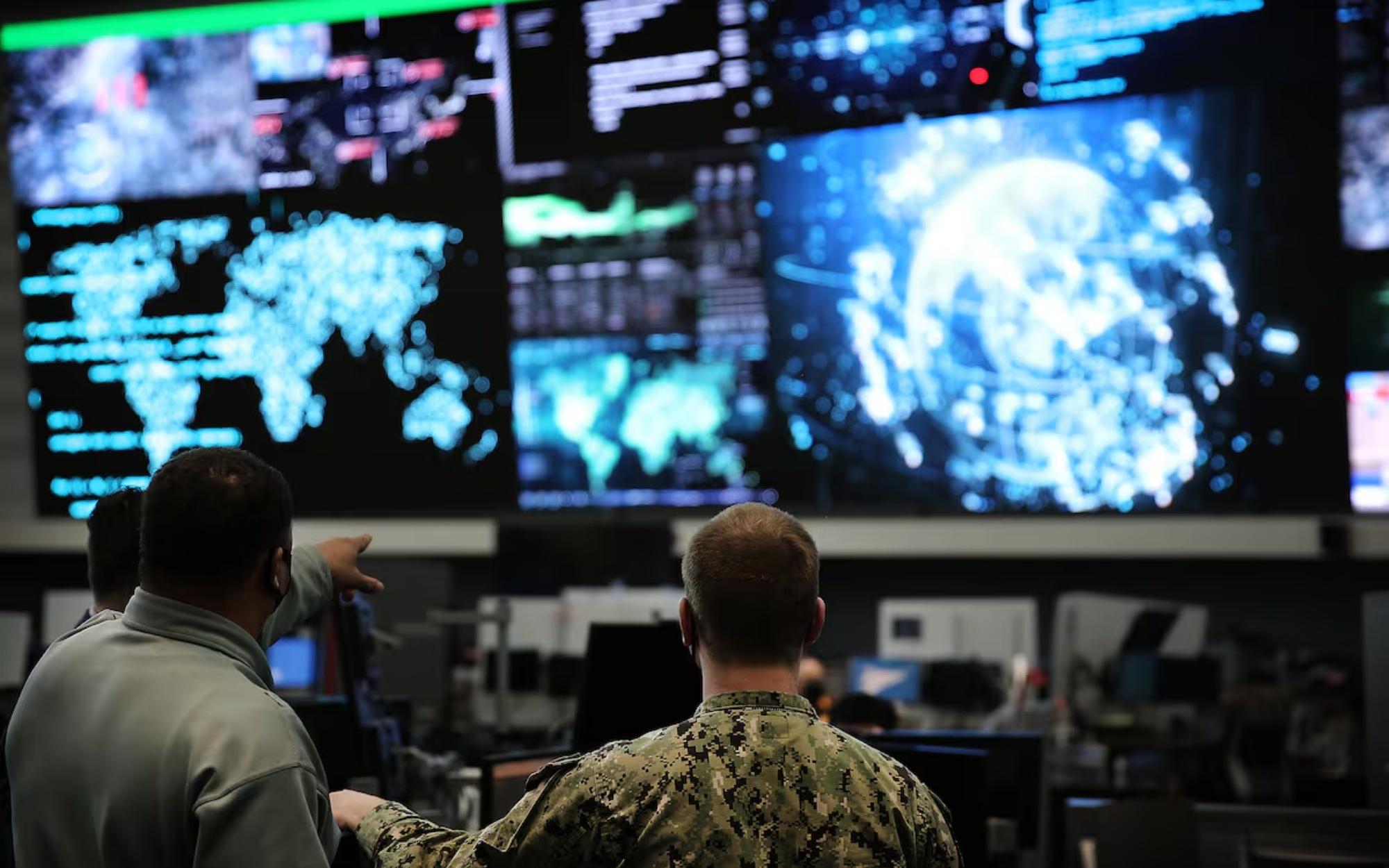
Pentagon Rolls Out ‘Cyber Mastery Incentive Pay’ to Boost Digital Warfighters
U.S. Cyber Command members work in the Integrated Cyber Center, Joint Operations Center at Fort George G. Meade, Maryland, April. 2, 2021. (Josef Cole/DoD)

Most importantly, it draws a clear line: loyalty to one’s nation outweighs loyalty to any media brand or political ideology.

In Hegseth’s War Department, leaking isn’t a shortcut to celebrity status; it’s a one-way ticket to felony charges.

President Trump’s America First agenda relies on securing not only our borders but our information. The new task force cements that stance and signals to would-be leakers that the era of leniency is over.

When classified missions are compromised, American warriors pay the price — and under Trump and Hegseth’s leadership, those responsible will finally be held to account.
News

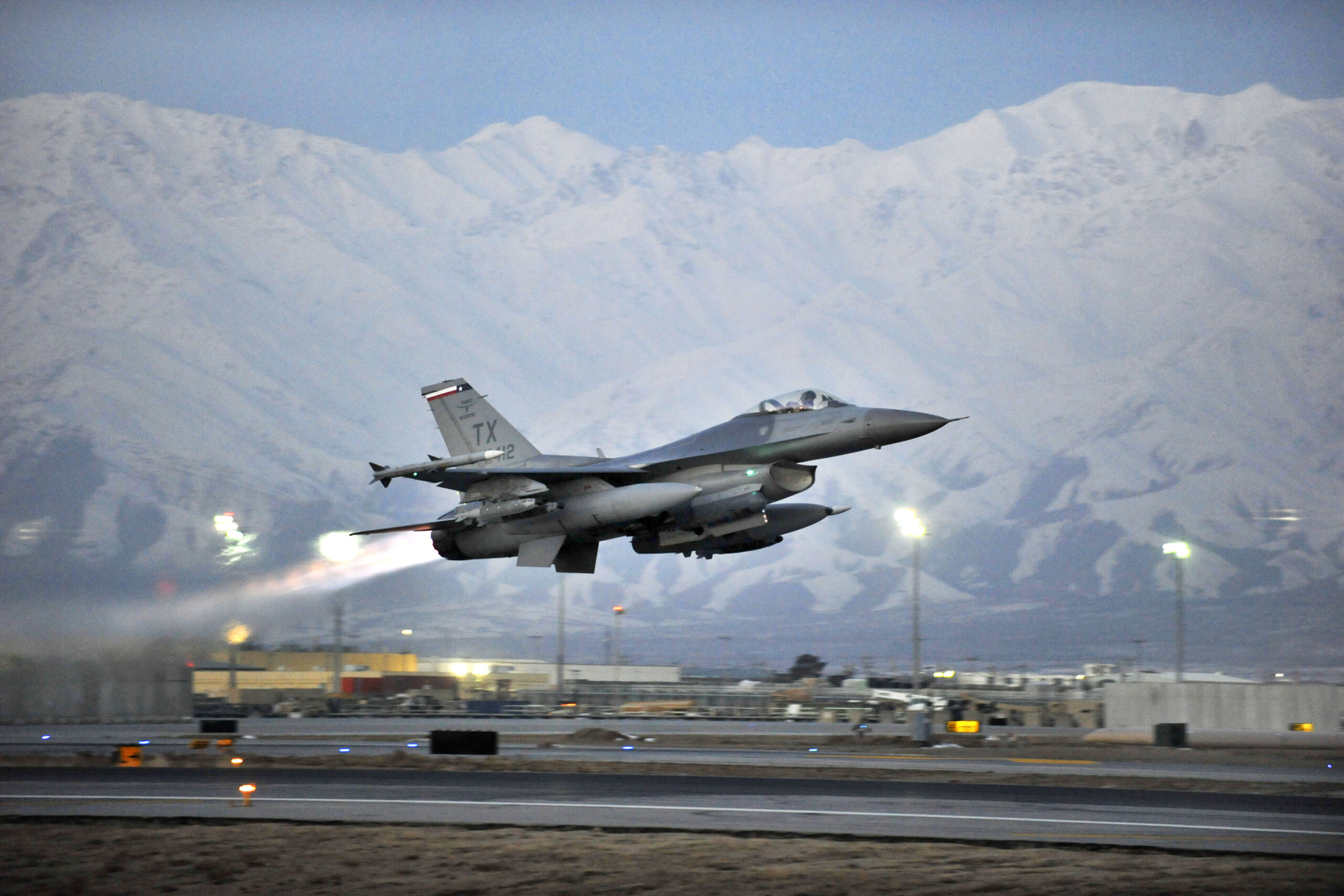
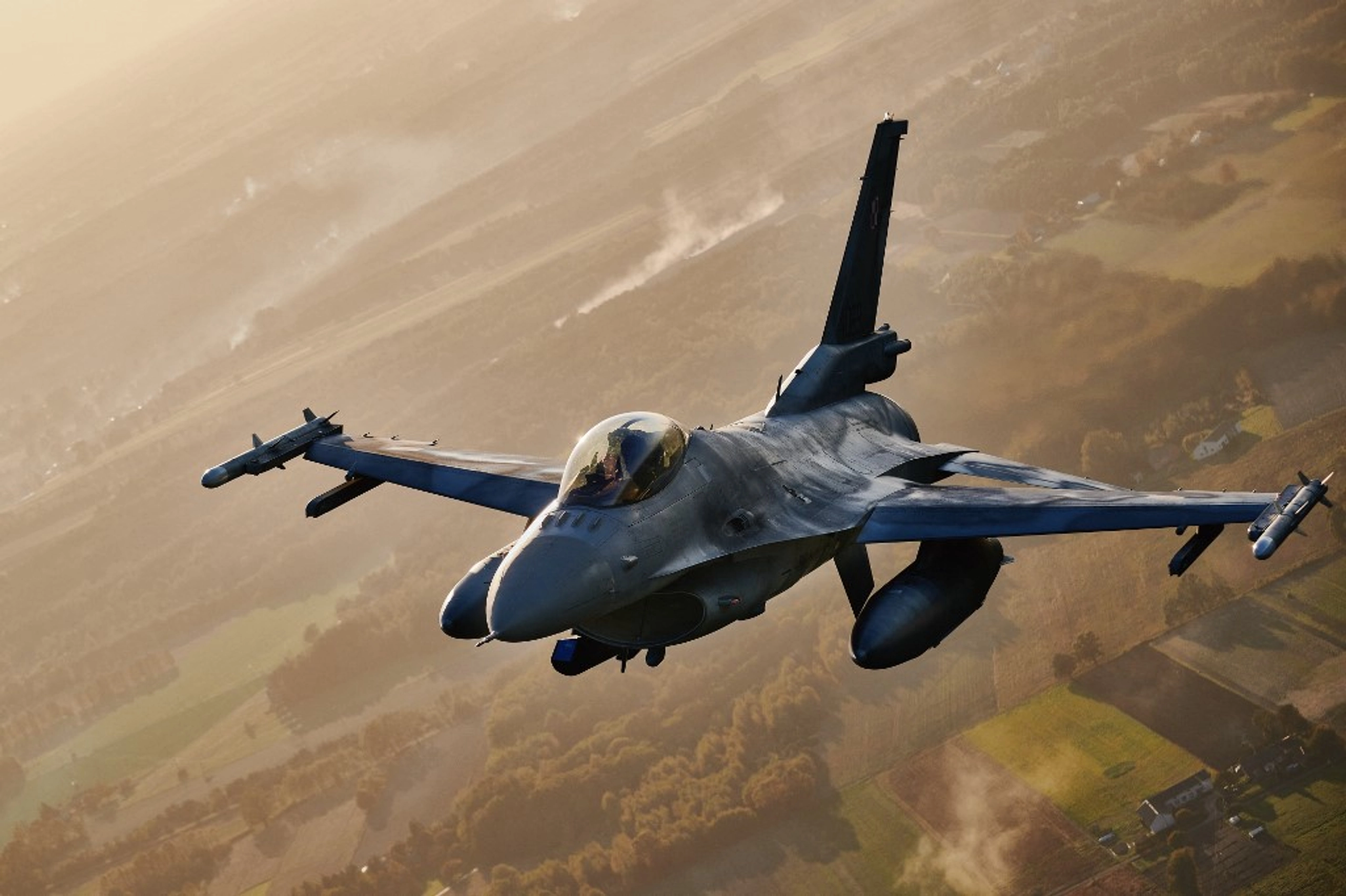
Heroic F-16 Pilot Earns Distinguished Flying Cross After Braving Enemy Fire in Saudi Skies

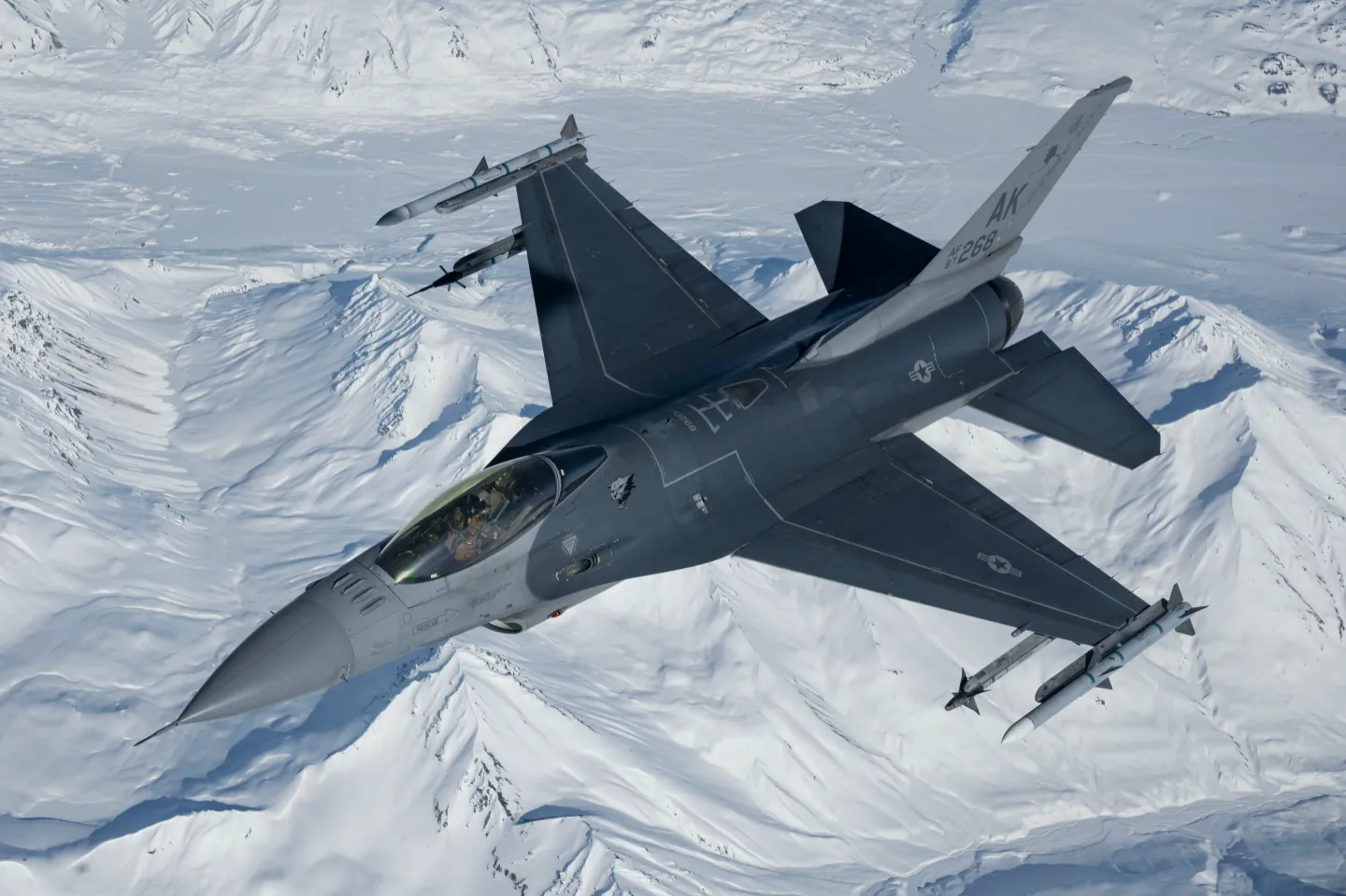
An American hero has once again reminded the world why the U.S. Air Force leads the skies. Capt. Nathanial “Icarus” Welch, an F-16 Fighting Falcon pilot, was recently awarded the revered Distinguished Flying Cross with Valor for extraordinary courage during a high-stakes mission over Saudi Arabia last year.

His actions were nothing short of textbook American grit — charging headfirst into danger to shield his fellow airmen and ensure mission success.

Welch, serving as chief of plans and programs in Alaska’s 18th Fighter Interceptor Squadron, deployed to Prince Sultan Air Base in April 2025 with the 480th Expeditionary Fighter Squadron.

His mission: help execute Operation Rough Rider, a campaign targeting Iranian-backed Houthi rebels who had begun turning Saudi airspace into missile central.

These weren’t training flights or routine patrols. Welch and his team were flying into contested territory where the enemy was more than eager to pull the trigger.

During an April 29 mission that rapidly turned chaotic, Welch found himself threading his F-16 through intense missile fire.

As explosions erupted perilously close to his aircraft, Welch didn’t flinch or flee — he stayed on-station, deliberately putting himself between enemy attacks and the allied aircraft he was escorting. His persistence and tactical awareness saved lives, prevented potential aircraft losses, and exemplified what every American fighter pilot should strive to be.

“Capt. Welch exemplifies everything the nation asks for in a fighter pilot escorting other combatants into a heavily defended enemy position,” said Air Force Col. Matthew Johnston, 354th Fighter Wing commander.

“He selflessly placed his aircraft between enemy missile systems and the aircraft he was protecting to ensure mission success and the survival of the force package.”

Coming from combat leadership, that’s not just praise — that’s acknowledgment of an aviator who flew like a warrior when it mattered most.

U.S. Sends Retired F-16s from 'Boneyard' to Ukraine for Spare Parts

Although the War Department didn’t release granular details about the engagement, Welch’s “Wild Weasel” unit is well known for one thing — hunting down enemy missile systems. The unit’s unofficial motto, “First In, Last Out,” could very well have defined Welch’s story that day.

Operation Rough Rider was no easy deployment; the Houthis, funded and armed by Tehran, have made a notorious name for themselves with constant missile and drone attacks targeting coalition allies. Welch’s performance added another victory chalk mark for American airpower in an increasingly volatile Middle East battleground.

Lt. Gen. Robert Davis, commander of the 11th Air Force, presented the award during a ceremony at Eielson Air Force Base, Alaska. Speaking candidly, Davis thanked Welch for his courage and leadership under fire. “Icarus, thanks for doing your job with excellence and valor in the face of danger,” Davis said. “I know you would go back and do it again; I know all your wingmen would also have done the same.”

Collision with Ducks Forces Emergency 'Flameout Landing' of U.S. Air Force F-16 in Alaska

In an Air Force built on the premise of integrity, service, and excellence, this recognition carried weight — not just for Welch, but for every pilot who’s stared down a radar lock and refused to back down.

The Distinguished Flying Cross remains one of America’s highest recognitions of wartime aviation heroism. Adding the “V” device distinguishes acts of valor performed while directly engaging an armed enemy.

Simply put, it’s not about being in the air — it’s about what you do when missiles are pointed right at you. For Welch, that meant flying toward danger when others might have turned away. That’s courage on a level that no bureaucratic award system can truly capture.

What makes this especially significant is how Welch embodies the posturing America needs right now. Under President Trump’s strong national security vision and War Secretary Pete Hegseth’s battle-ready leadership, the military’s combat edge and warrior ethos are once again being sharpened.

Instead of distractions and social experiments, the spotlight is back where it belongs — on heroes like Welch who live out the creed of “service before self.”

It’s easy to gloss over stories like this in an age dominated by political noise, but what Welch accomplished matters deeply.

U.S. Hits Iran With Punishing New Strikes After Oil Sanctions Snapback Over Tanker Attacks
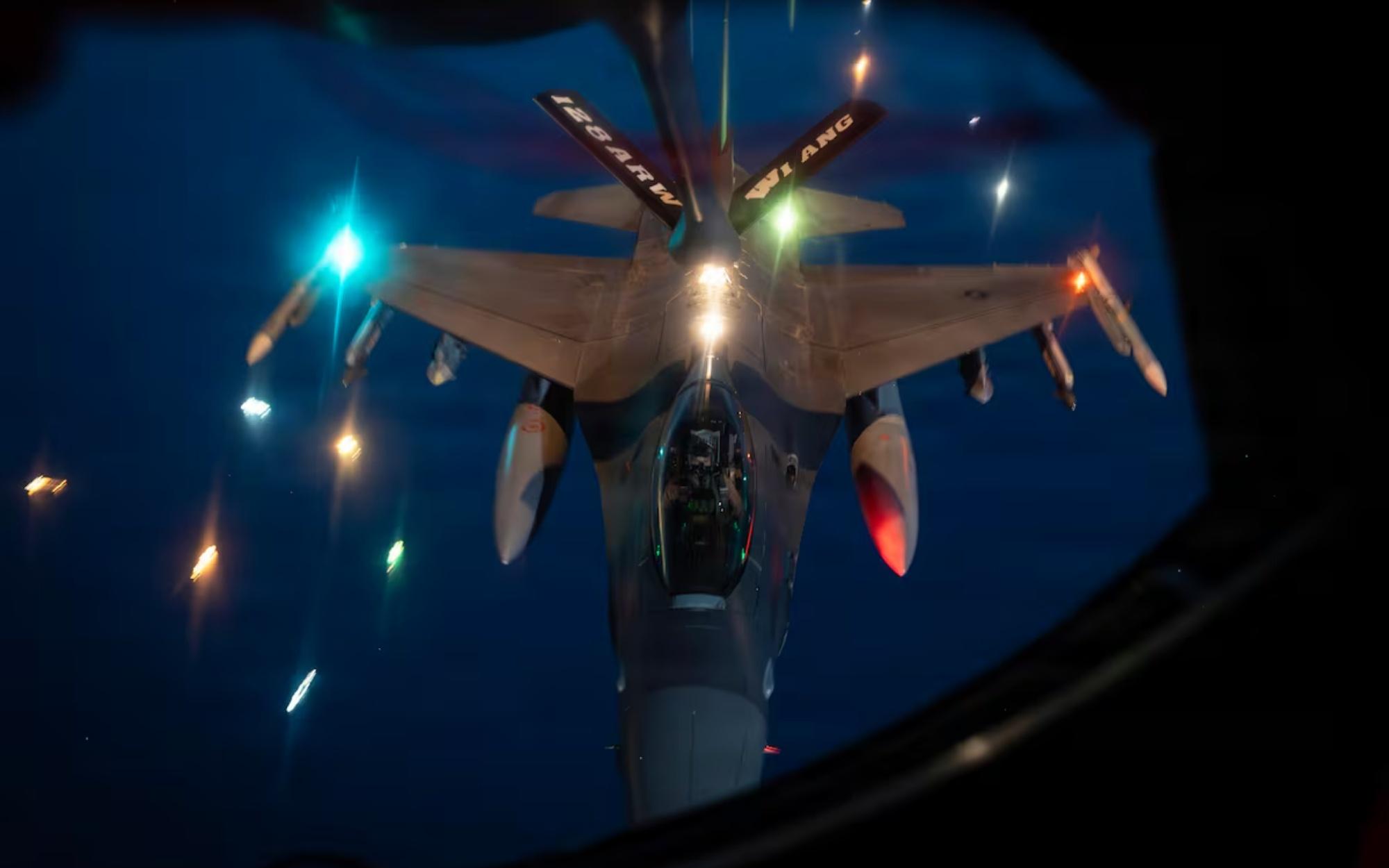
A U.S. Air Force F-16 Fighting Falcon aircraft refuels from a KC-135 Stratotanker aircraft during Operation Epic Fury, April 2, 2026. (U.S. Air Force)

Each mission flown over hostile airspace tells the story of America’s deterrent power, and moments like these remind adversaries that when our pilots take to the skies, hesitation isn’t in the vocabulary.

From Cold War intercepts to the War on Terror to operations countering Iranian proxy forces, the Air Force continues to serve as the shield of freedom above the battlefield.

Welch’s award also serves as a morale booster across the ranks. Every fighter pilot knows how rare it is to receive a Distinguished Flying Cross, let alone one marked by valor.

It’s a tangible reminder that leadership notices real bravery — the kind where missiles streak past the canopy and decisions have to be made in seconds. It’s confirmation that the American spirit of boldness and selflessness is alive and well in the cockpit.

In an era when far too many downplay the cost of global security, Welch’s recognition underscores exactly who carries that burden — the men and women who take to the skies not for fame or politics, but for mission and nation.

F-16s Intercept Russian Surveillance Planes Near Alaska for Two Consecutive Days
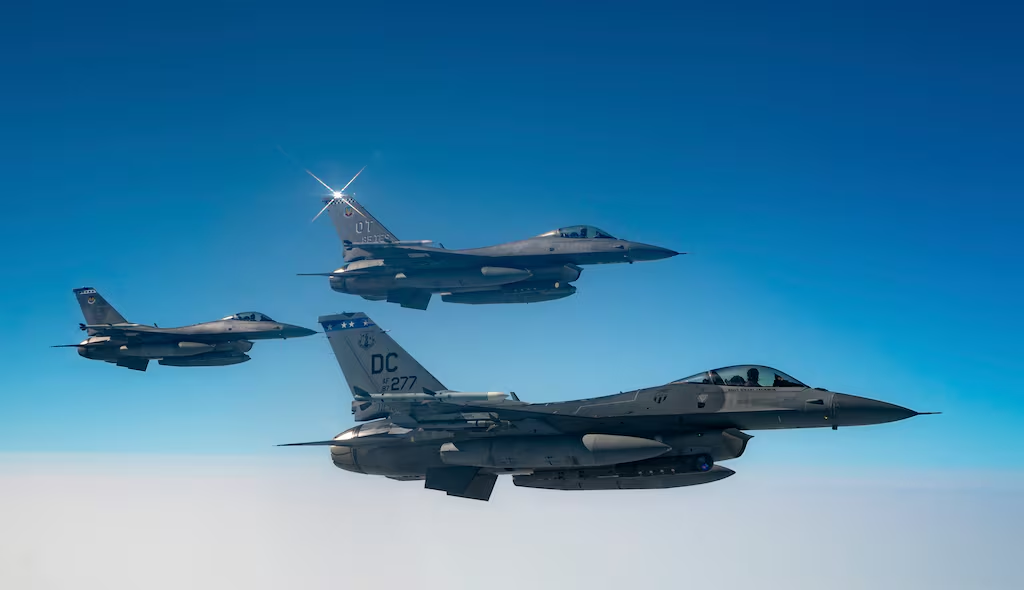
NORAD launched a pair of F-16 Fighting Falcons to intercept Russian spy aircraft near Alaska on back-to-back days this week. (Staff Sgt. Tryphena Mayhugh/Air Force)

That’s what America looks like at 30,000 feet: capable, determined, and unyielding.

For Capt. Nathanial “Icarus” Welch, one thing is certain — his story is not just an award citation.

It’s a reminder to every American that while politicians argue and enemies scheme, our warriors are still out there, doing what they’ve always done best: fighting for freedom and coming home victorious.

News

Can America’s Military Still Adapt When the Fight Changes?

The U.S. military has long prided itself on its world-class readiness—numbers of troops on call, ships at sea, and aircraft ready to launch.

But in an era of evolving warfare driven by drones, artificial intelligence, and lightning-fast battlefield shifts, readiness may no longer be the full measure of strength. The bigger question is: How fast can America’s war machine adapt when the unexpected strikes?

Commanders across the services can measure nearly every tangible factor of power—how many soldiers are deployable, how many fighters can fly, how quickly a brigade can mobilize.

Yet, despite all the spreadsheets and metrics, there’s a growing concern that the Department of War may not be measuring what matters most in the wars ahead: adaptability, judgment, and flexibility under fire.

No military plan survives first contact, as the old saying goes, and modern warfare is proving that axiom more brutal than ever.

Rapid technological advancement, especially in unmanned systems, has rendered yesterday’s assumptions obsolete almost overnight. According to defense experts, the ability to think and act faster than the enemy—not just show up on time—is becoming the decisive variable of victory.

The Pentagon’s own 2022 National Defense Strategy essentially admits that the future battlefield will be a maelstrom of uncertainty.

Between China’s swarm of drones, Russia’s erratic cyber tactics, and Iran’s proxy networks, American forces will face a level of chaos that can’t be easily predicted or spreadsheeted.

Nora Bensahel, a professor at Johns Hopkins, laid it bare: “You have to train your forces to fight in a particular way, but the odds are you’re going to be wrong.”

And with technology transforming at breakneck speed, the traditional training pipelines and bureaucratic models simply can’t keep up.

US Troops Poised To Resume Poland Deployments After Abrupt Pentagon Halt
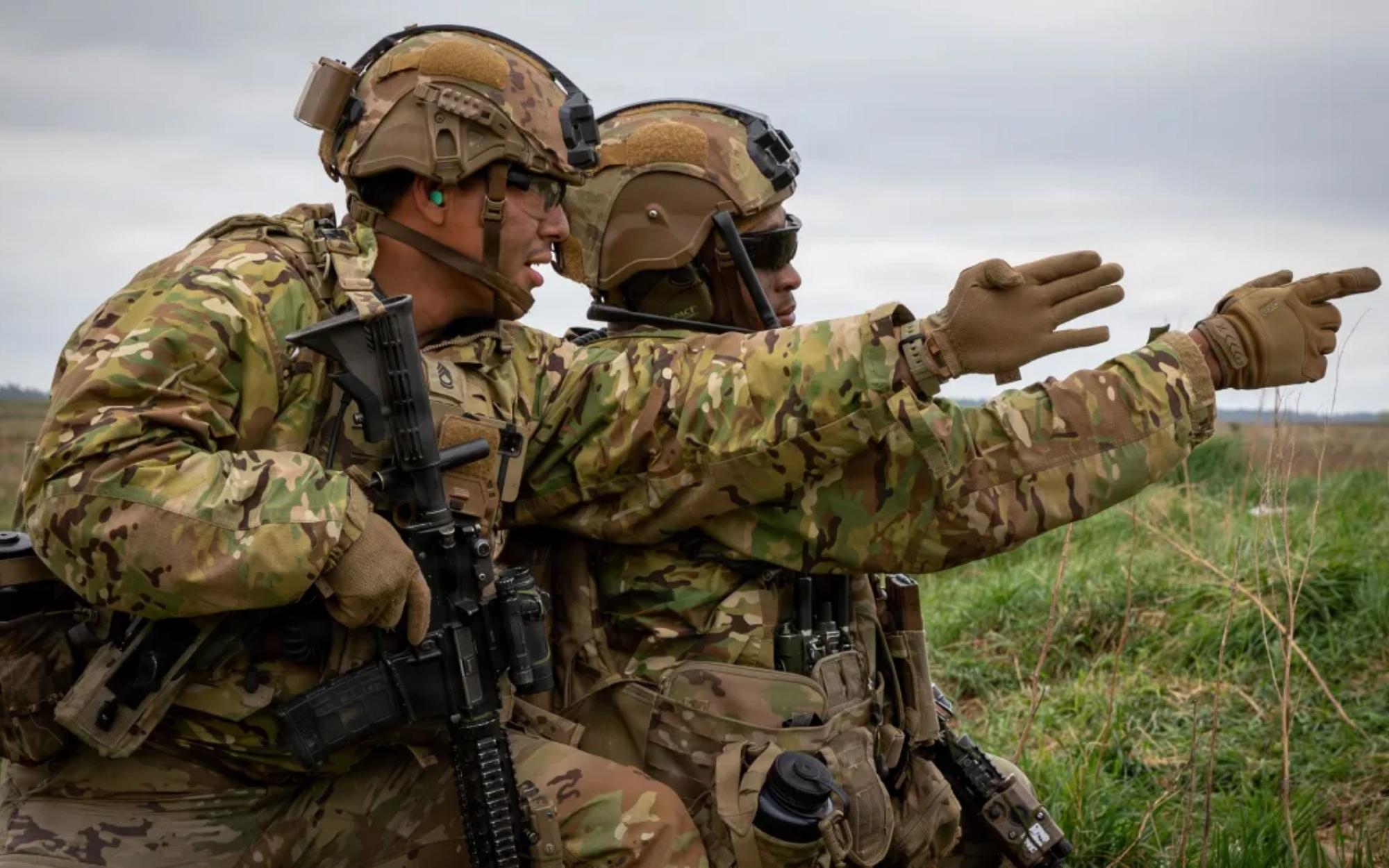
Soldiers assigned to Bull Troop 1, 2nd Cavalry Regiment, near Bemowo Piskie Training Area, Poland, May 7, 2026. A cancelled deployment of U.S. troops to Poland may now be back on, according to a Polish defense official. Army photo by Spc. Thomas Madrzak.

Ukraine’s blood-soaked fields are already serving as the laboratory for the next generation of war. The proliferation of drones, both cheap and sophisticated, has flipped the old hierarchies upside down. Suddenly, a farmer with a joystick can decimate million-dollar armored vehicles.

The lesson is brutal and simple: the adaptable survive, the rigid perish.

America’s services are taking note. The Army has refocused its combat doctrine to reflect lessons learned from Ukraine, emphasizing decentralized flexibility under its mission command model. The Navy is doubling down on unmanned undersea and surface experimentation.

The Air Force is pursuing autonomous “wingmen” in its collaborative combat aircraft programs. Each service is pushing modernization, but the question remains—are they moving fast enough?

Current readiness assessments are still rooted in counting gear, tracking training hours, and measuring mission capability.

That data tells commanders whether units can fight; it does not reveal whether they can evolve mid-battle when things blow up—literally and figuratively. As Bensahel put it, “Readiness indicators are very important, but they can’t tell you anything about adaptability.”

Adaptability, she argues, depends on three key elements—doctrine, technology, and leadership. Mission command doctrine embodies that spirit by entrusting junior leaders to show initiative, take measured risks, and make independent decisions when the fog of war sets in. But that mindset must be cultivated, not simply drafted into manuals.

Marines Engage in Multiple Firefights Defending U.S. Embassy in Haiti
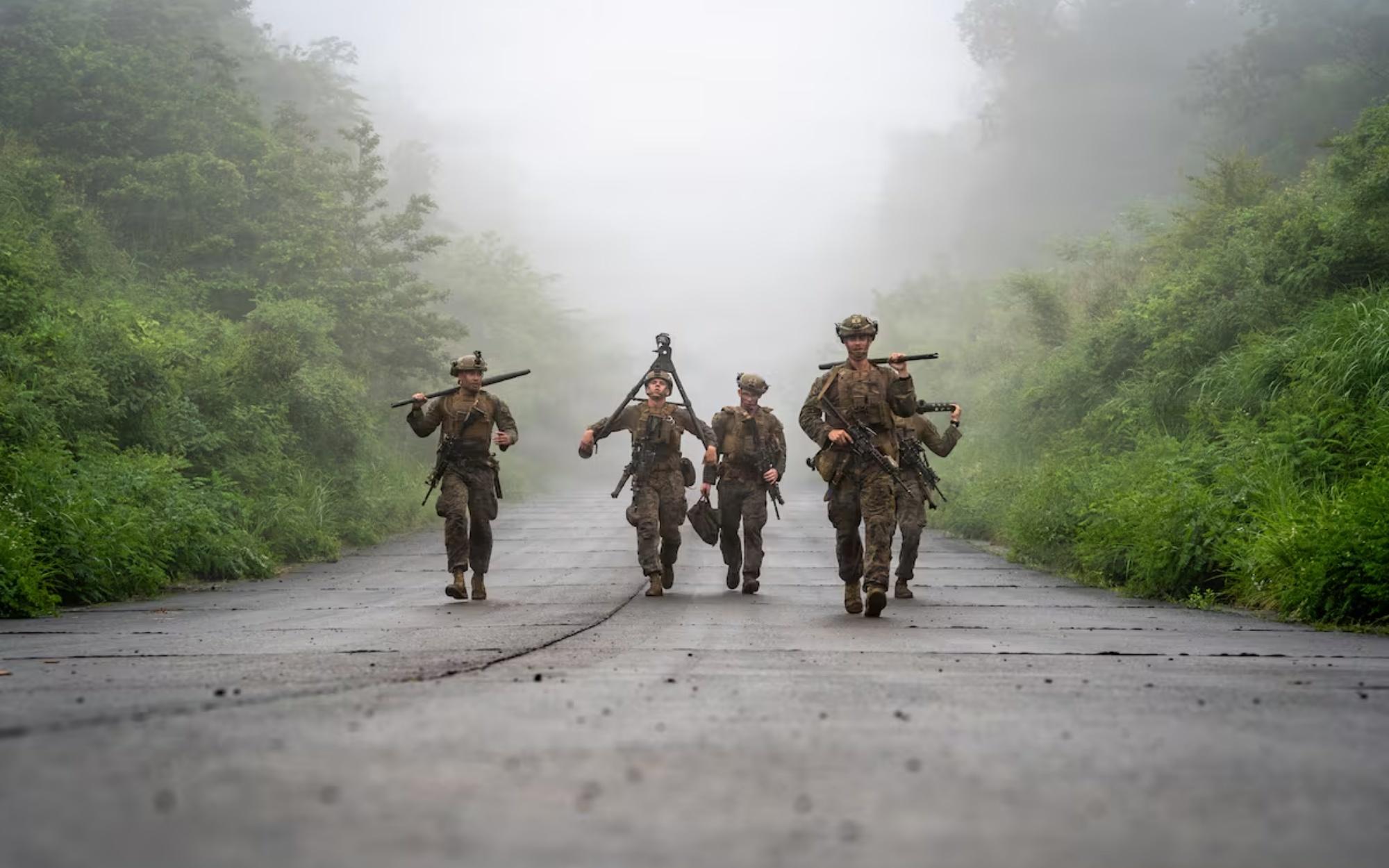
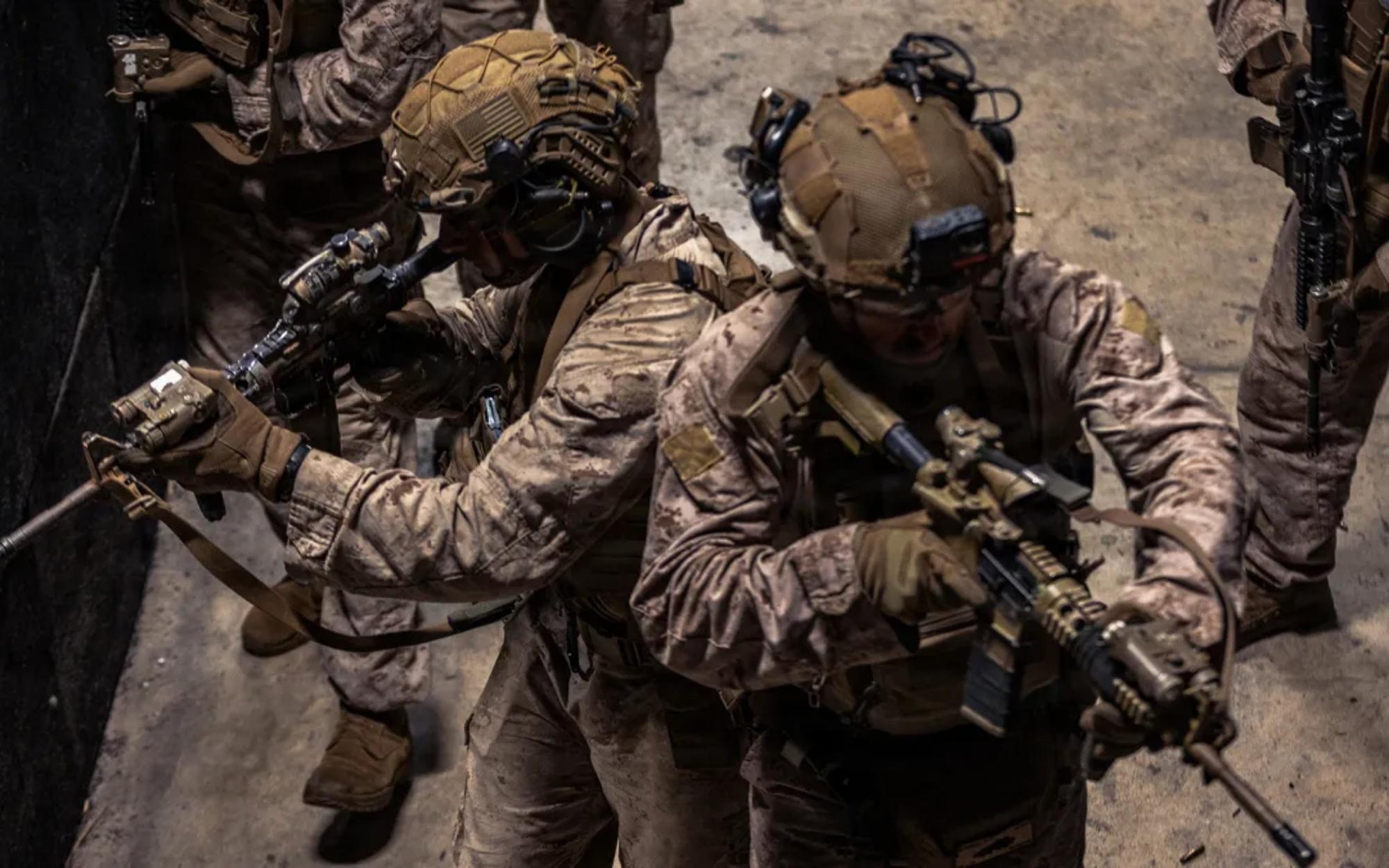
Marines with the 22nd Marine Expeditionary Unit (Special Operations Capable), walk back-to-back down a hallway during a live-fire shoot house at Camp Santiago, Puerto Rico on April 18, 2026. Marine Corps photo by Sgt. Tanner Bernat.

Training adaptability across a two-million-person force is a steep mountain to climb. While junior officers and enlisted leaders often displayed impressive initiative in Iraq and Afghanistan, institutional inertia among senior leadership slowed the larger adaptation process. Bureaucracy smothers flexibility, and the War Department knows it.

Retired Marine intelligence officer Ben Connable warned that the problem isn’t collecting information—it’s doing something useful with it.

“There’s almost a belief that knowledge now exists in this kind of ether,” he said. “We don’t really have to do much with it anymore.” In other words, military institutions are drowning in data but starving for wisdom.

Connable argued that American military education, while rich in historic case studies, hasn’t adapted its lessons fast enough from recent conflicts.

“We’ve done a particularly poor job of transmitting recent cases into modern knowledge,” he said. “The lessons that you fail to learn, you wind up repeating.” It’s a painful truth for an institution built on after-action reports and PowerPoint briefings.

US Unleashes Wave Of Airstrikes In Somalia After Monthlong Lull
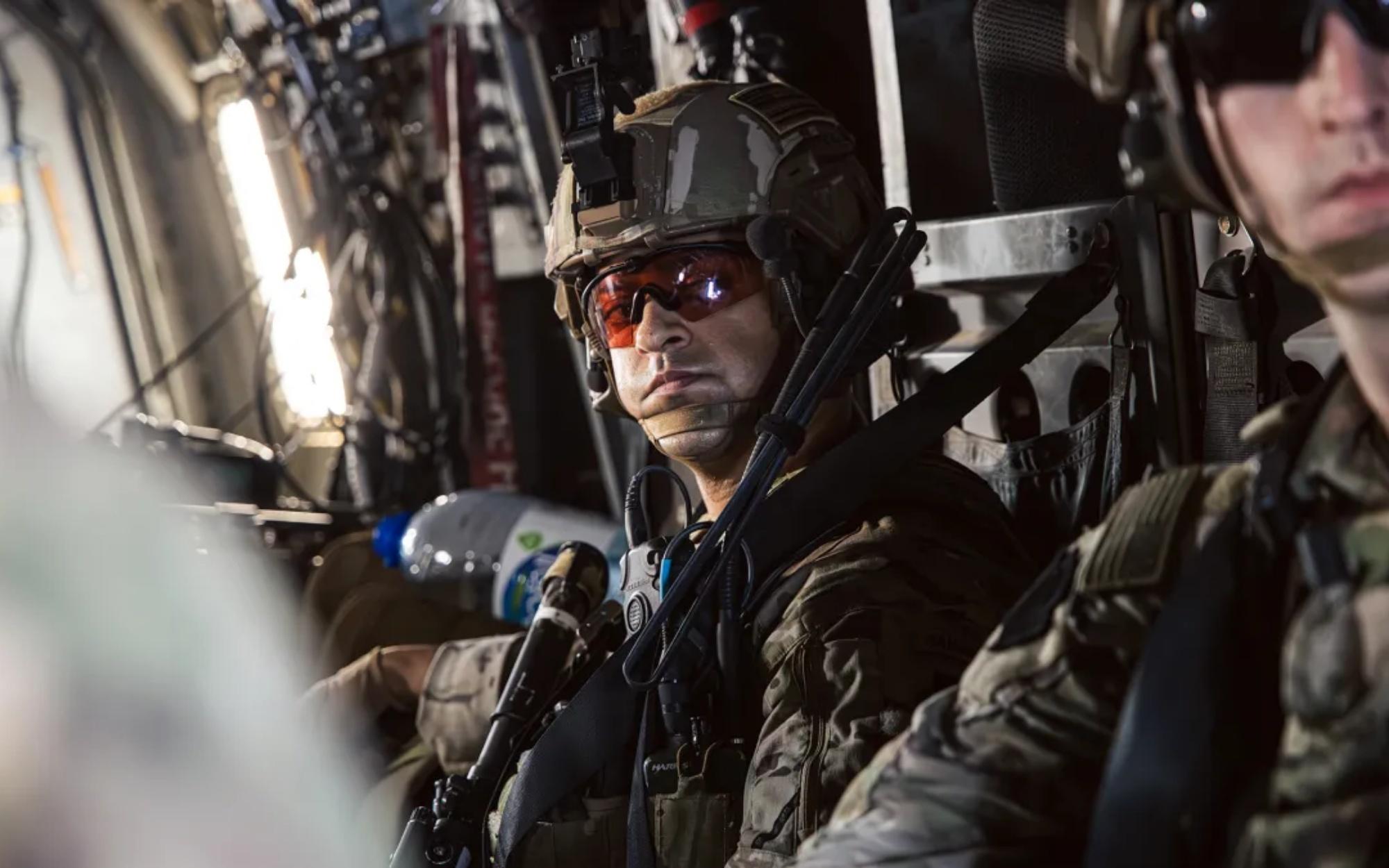
Soldiers assigned to Task Force Associator, East Africa Response Force sit inside an MV-22 Osprey prior to takeoff at Camp Lemonnier, Djibouti, May 15, 2025. Army photo by Sgt. Nicholas Session.

Ultimately, the nation’s fighting force must rediscover the value of experimentation—and tolerate the occasional failure that comes with it.

Bensahel put it bluntly: “If you want to get leaders in the habit of trying new things that might or might not work, you have to have some tolerance for failure.”

That requires leadership willing to take risks, loosen bureaucratic shackles, and reward creative solutions instead of blind compliance. Fortunately, under President Trump’s renewed emphasis on combat effectiveness and War Secretary Pete Hegseth’s push to restore grit, accountability, and mission focus, the winds are shifting.

The future warfighter must not only be ready but adaptable—because the battlefield of tomorrow will belong to those who move smarter and faster than the enemy can anticipate.

News

Governor McMaster Selects Lindsey Graham’s Sister to Temporarily Fill Late Senator’s Seat [WATCH]

South Carolina Gov. Henry McMaster has appointed Darline Graham Nordone to serve the remainder of the late Sen. Lindsey Graham’s term, sending the longtime public figure’s sister to Washington after his death over the weekend, as reported by Breitbart.

Nordone will serve as South Carolina’s interim U.S. senator until January, when the winner of the upcoming election takes office.

A Republican special primary scheduled for next month will determine the party’s nominee for the general election in November, where the Republican candidate will face Democrat Annie Andrews.

Although Nordone has never held elected office, she has remained closely involved in her brother’s public life for decades, appearing with him at speeches, campaign events, and political advertisements.

Her appointment follows a lifetime marked by the close relationship she shared with Graham, who became her legal guardian after the deaths of both of their parents while they were still young.

Their mother died in 1976 following a battle with Hodgkin’s lymphoma.

Fifteen months later, the family suffered another tragedy when Nordone, then 13 years old, found their father after he died from a heart attack in his sleep.

At the time, Graham was 22 years old and beginning law school at the University of South Carolina. Following the deaths of their parents, he shifted his focus to caring for his younger sister.

“I can remember the day my father passed away, standing in the living room of that house, absolutely scared to death,” Nordone told NPR in 2015.

“Lindsey wrapped his arms around me and promised me he would always be there for me and always take care of me.”

While attending law school in Columbia, Graham regularly traveled to Seneca, where relatives were helping care for his sister. He later became her legal guardian.

After joining the U.S. Air Force as a military lawyer, Graham adopted Nordone so she would qualify for his military benefits.

The relationship between the siblings remained a defining part of Graham’s life throughout his political career.

Graham, who never married or had children, even joked during his 2016 presidential campaign that his sister could be among a “rotating” group of White House hosts serving in place of a first lady.

Nordone frequently appeared alongside Graham during major political moments.

When he filed his candidacy paperwork in March for this year’s Senate election, she attended with her children and grandchildren.

Speaking during that filing, Graham reflected on the hardships he and his sister overcame together.

“What have I learned in this life I’ve led? I take nothing for granted. I count every blessing, every day,” Graham said.

He continued by recalling the challenges they faced after losing their parents before adding, “I understand what a blessing my life has been and the only way I can pay you back for the blessings I’ve received is to be the most thoughtful, relevant, aggressive senator.”

Nordone later married, raised children and grandchildren, and has worked with people with disabilities.

During a 2015 interview with C-SPAN, Graham said his sister’s accomplishments represented the greatest achievement of his own life.

Speaking about Nordone, Graham said her success “is the highlight of it, by far.”

Former Graham campaign consultant Bob McAlister said the siblings’ childhood experiences shaped Graham throughout his career.

“He grew up with nothing,” McAlister said.

“The back of the bar where he and his sister grew up was always kind of top of mind to him… And I think the way he and Darline grew up just had an indelible impact on him, and for some reason, it gave him the drive that he had to do what he did.”

McAlister added, “A lot of people have different ideas about Lindsey from what they’ve seen on TV and all that, but everything about him can be traced back to his boyhood, the way he grew up, the way he took care of his sister.”

Nordone also appeared in one of Graham’s 2014 Senate campaign advertisements while he sought a third term.

Reflecting on her brother’s commitment after the deaths of their parents, she said:

“He never let me down. Never. I don’t see how he did it, to take on the responsibility of raising a little sister.”

“That came from within for Lindsey,” she added.

Hours before McMaster announced the appointment, President Donald Trump revealed on social media that he had recommended Nordone for the interim Senate seat.

Trump described the selection as “a fabulous tribute to Lindsey, who loved her dearly!”

Nordone will now represent South Carolina in the U.S. Senate until the newly elected senator takes office following the November election.

News

Insurrection Chaos Erupts as Anti-ICE Mob Tries to Storm Susan Collins’ Office in Maine [WATCH]

An angry leftist mob descended on Senator Susan Collins’ office in Maine following reports of a deadly ICE-involved shooting in the city of Biddeford.

The scene turned chaotic as protesters attempted to break into the senator’s office, shouting anti-police and anti-ICE slogans while demanding an end to what they called “state violence.”

It was a disturbing display of unchecked fury, and it happened in the office of one of the most moderate Republicans in Washington.

According to Maine officials, the incident that sparked the uproar involved Immigration and Customs Enforcement agents and a suspect who was shot and killed during an operation.

While few confirmed details have emerged, preliminary reports suggest the suspect may have tried to run over an ICE agent with a vehicle.

As expected, the left wasted no time turning this into yet another anti-law-enforcement spectacle.

Maine House Speaker Ryan Fecteau, a Democrat who represents the city of Biddeford, posted on Facebook that a shooting had taken place and that ICE was involved.

“Fellow Biddeford residents and Mainers, this morning a shooting occurred in Biddeford. A person was killed. ICE was involved,” Fecteau wrote.

He added that state police and the Department of Public Safety were on the scene and that the FBI would likely be investigating as well.

By midafternoon, left-wing activists were outside Susan Collins’ Maine office, chanting, waving banners, and trying to push into the building.

Videos posted online showed agitators banging on doors and shouting at staff members inside.

WATCH:

Police were called to clear the entrance and maintain order.

The entire scene looked less like a peaceful protest and more like an attempted insurrection, though the corporate press will almost certainly avoid using that term.

It is worth noting that Senator Collins is hardly a firebrand conservative.

She has often gone out of her way to accommodate Democrat priorities, sometimes frustrating her own party in the process.

Yet that was not enough to satisfy the angry mob gathered at her doorstep.

They decided she was fair game, despite her reputation as one of the Senate’s most moderate voices.

Many conservatives are asking the obvious question: Do any of these protesters work?

The coordinated outrage from the left seems oddly timed, especially when almost nothing is known about what actually happened during the ICE encounter.

Facts are always the first casualty when progressive activists see an opportunity to rage against law enforcement.

WATCH:

Just as predictable was the response from the left-wing media, which immediately began framing the story through the lens of racial justice and immigration politics.

The same outlets that spent years downplaying violent protests in Portland and Minneapolis are pretending not to notice the blatant attempt to storm a sitting senator’s office.

Had the political sides been reversed, cable networks would be blaring talk of “domestic terrorism” and “threats to democracy.”

The FBI has reportedly joined the investigation into the Biddeford shooting, and both local and state police remain on site gathering evidence.

At the time, officials had not released the name of the individual killed in the encounter, and ICE has not provided specific details about what triggered the use of deadly force.

That has not stopped professional activists from spreading wild rumors online about agents “murdering immigrants.”

Meanwhile, Collins’ staff has confirmed that everyone inside the office is safe, though the level of hostility outside shocked even veteran staffers.

Some of the mob attempted to rip signs off the windows while others tried to block law enforcement vehicles arriving on the scene.

The entire situation revealed, once again, how selective the left is when it comes to political violence.

What makes the incident even more absurd is the choice of target.

Of all the senators to go after, the mob decided on Susan Collins, one of the few Republicans who have crossed the aisle repeatedly over the years.

Collins has voted with Democrats on key issues, from judicial appointments to spending bills.

Yet the far left treats her no differently than they do staunch conservatives like Ted Cruz or Josh Hawley.

To them, anyone with an “R” beside their name is an enemy.

The event highlights the growing radicalization of the Democrat activist base, which now views law enforcement, border control, and even moderate Republicans as enemies of the state.

They are driven not by facts or reason but by emotion and an addiction to outrage. It is a political culture that thrives on chaos and destruction, not dialogue or reform.

If the situation had involved conservatives trying to storm a Democrat senator’s office, there would already be federal charges, primetime hearings, and nonstop condemnation from every media outlet in the country.

But because it was a mob of leftists, the story will likely fade quickly from the headlines.

For now, the people of Maine are left wondering how far this kind of political extremism will go.

What began as a local law enforcement matter has turned into yet another example of how the radical left wages war on order, authority, and anyone who refuses to submit to their narrative.

And they are doing it in broad daylight, in front of cameras, with no accountability in sight.

News

President Trump Unleashes on CNN’s Kaitlan Collins Over Iran Question, Boots Press From Room [WATCH]

President Donald Trump criticized CNN correspondent Kaitlan Collins during a White House event on Monday after signing executive proclamations modifying the boundaries of two national monuments in Utah before taking questions from reporters.

The event focused on proclamations affecting the Bears Ears National Monument and the Grand Staircase-Escalante National Monument.

As The Gateway Pundit reported, according to the White House, the changes were intended to reverse expansions made during former President Joe Biden’s administration.

“The Proclamations reduce these monuments to appropriate sizes that allow for common sense land use in these areas,” the White House said.

The White House said one proclamation reduces the size of the Grand Staircase-Escalante National Monument from approximately 1.87 million acres to about 181,500 acres.

A second proclamation reduces the size of the Bears Ears National Monument from approximately 1.36 million acres to approximately 121,100 acres.

According to the White House, the protected landmarks, structures, and objects covered under the Antiquities Act will continue to receive protection.

The administration said the surrounding land not directly associated with those protected sites will be available for multiple-use, sustained-yield management.

After signing the executive orders, Trump answered several questions from members of the press.

During the exchange, CNN correspondent Kaitlan Collins questioned the president about comments he had made regarding the Strait of Hormuz.

Collins asked Trump who would reimburse the United States after he previously said America was “going to get paid for guarding” the strategic waterway.

Trump responded by criticizing Collins and CNN.

“You read fake news like you network, CNN…the fake news would rather us lose the war, which is really treasonous!” Trump said.

The exchange came as the administration continued military operations targeting Iran. Earlier Monday, Trump announced that U.S. forces were conducting another round of military strikes against Iranian targets, marking the third consecutive night of operations.

Before ending the question-and-answer session, the president referenced the ongoing military action.

“We’re doing a major attack tonight…for 47 years, nobody’s hit them militarily. We’re hitting them very hard. Thank you very much!”

Trump said as he concluded the event and directed members of the press to leave the room.

The confrontation followed a series of public comments by Trump regarding U.S. operations involving Iran and the Strait of Hormuz, where he has said the United States intends to maintain security in the strategically important shipping lane.

The monument proclamations signed on Monday also represent another reversal of environmental and land management policies adopted during the Biden administration.

According to the White House, the revised boundaries are intended to balance preservation of historically and scientifically significant sites with broader land-use opportunities outside those protected areas.

The White House maintained that the Antiquities Act protections for designated landmarks, structures, and objects remain unchanged under the new proclamations, while lands not directly connected to those resources will be managed under multiple-use policies.

The exchange between Trump and Collins quickly drew attention as it unfolded during the press availability following the signing ceremony.

The president ended the session immediately after responding to Collins’ question and referencing the ongoing military campaign.

The White House has continued to emphasize both its land management initiatives and its military actions in the Middle East as major priorities of the administration.

News

Dem Senator Says the Quiet Part Out Loud About the Save America Act [WATCH]

Several Republican lawmakers are pushing back against comments made by Sen. Elissa Slotkin, D-Mich., after she claimed the SAVE Act would make it more difficult for married women to vote, as reported by Breitbart.

During a town hall meeting, Slotkin criticized the legislation, arguing it was intended to benefit Republicans at the ballot box.

She said the SAVE Act was designed to “rig our democracy so that it would be hard for any Democrat in any state to win any election.”

Slotkin also argued that the proposal would negatively affect married women by creating additional documentation requirements for voting.

She said the legislation would “disenfranchise all married women,” adding that women who changed their last names after marriage would have to present their birth certificates at polling places.

Her remarks prompted responses from several Republican senators, including Sen. Rand Paul, R-Ky., and Sen. Mike Lee, R-Utah, who rejected her claims in posts on X.

Paul called Slotkin’s argument inaccurate and said the proposal simply requires voters to verify their U.S. citizenship.

“This talking point from the Left is not only false, but it also paints women as incapable, which we all know is not the case. Showing up to the polls to vote with an ID that proves you’re an American citizen – whether you’re married or not – is common sense. We need to pass the SAVE America Act,” Paul wrote.

Lee also disputed Slotkin’s assertion by comparing the identification requirements to employment verification already required under federal law.

“By that same logic, no married woman in America could fill out an I-9 form, which every American must do when starting a new job. This is absurd. And it highlights why we need to pass the SAVE America Act,” Lee wrote.

The debate over the SAVE Act comes as voter identification laws continue to be a point of disagreement between Republicans and Democrats nationwide.

Supporters of voter ID laws have pointed to election participation data in Georgia following the state’s election reforms as evidence that stricter voting requirements have not reduced turnout.

According to the available election data, Georgia experienced either stable or increased voter participation after implementing election law changes.

During the 2022 midterm elections, early voting tripled compared to the 2018 midterm elections and doubled compared to the 2020 election cycle.

Black voters also cast more than 100,000 additional early ballots than they did during the 2018 midterms.

Georgia also recorded another high level of participation during this year’s primary elections.

According to WABE, approximately one million voters cast ballots during the early voting period before polls closed on Friday.

The outlet reported that the previous Georgia primary record for early voting was approximately 857,000 ballots cast in 2022.

“About 1 million people turned out for early voting as polls closed Friday, according to the Georgia secretary of state’s office. The previous record for early voting in a Georgia primary was about 857,000 in 2022,” WABE reported.

The report also noted changing turnout patterns between the two major political parties compared with the last primary cycle.

“And Democrats have flipped the script on Republicans this year compared to the early voting period in the 2022 primary,” the outlet added.

The report further noted that Republican Gov. Brian Kemp has become “concerned about the Democratic turnout advantage” as early voting numbers increased.

Republicans backing the SAVE Act have argued that requiring proof of citizenship strengthens election integrity while maintaining access to the ballot for eligible voters.

Democrats, including Slotkin, have continued to argue that the proposal could create additional barriers for some voters, particularly married women who have changed their surnames.

The exchange has become the latest flashpoint in the broader national debate over election security, voter identification requirements, and access to the ballot ahead of future federal elections.

News

Lawmakers Press War Department to Release Report On Iran School Strike

Democrat senators led by Kirsten Gillibrand are once again trying to pressure President Trump’s administration and the War Department to release details from a U.S. military investigation into a strike that reportedly hit a girls’ school in Iran on February 28.

The usual suspects in Washington — including Jack Reed, the top Democrat on the Senate Armed Services Committee — have made a show out of demanding accountability, framing themselves as crusaders for “transparency.”

According to their letter, signed by more than two dozen senators, they want the military to finalize its investigation, brief Congress, and outline steps to make sure such an event “does not happen again.”

Of course, it’s tough to miss how this sudden burst of moral outrage comes at a convenient political moment, when Democrats seem to be searching for another way to take swipes at the Trump administration’s war record.

Reuters was the first to report that an internal investigation found U.S. forces may have been responsible for the strike that killed civilians in the city of Minab, Iran, on the very first day of the war.

Iranian officials claim more than 175 were killed — a figure that cannot be verified independently but has been joyfully wielded by Tehran’s propaganda outlets.

The senators’ letter argues there is “no justification for withholding an unclassified accounting of what happened.”

But from the looks of it, they’re more interested in public relations than the truth on the ground. The War Department, meanwhile, told Reuters that “the investigation is ongoing” and that there were “no updates to announce at this time.” In other words, the adults are still doing their jobs, even if the politicians aren’t.

Iran’s regime has used the incident as a propaganda tool, calling it a U.S. war crime. That’s a slap in the face, considering Iran’s Revolutionary Guard has spent decades deliberately targeting civilians across the Middle East.

As it turns out, archived versions of the school’s own website show it sat right next to an IRGC compound — in other words, a legitimate military target. What Tehran labels an “innocent girls’ school” may have actually doubled as a staging ground for missile deployment.

According to sources cited by Reuters, the intelligence used for targeting may have been outdated, which isn’t unusual in fast-moving wartime conditions.

Navy Super Hornet Hammers Iranian Tanker in Gulf of Oman After Ignored Warnings
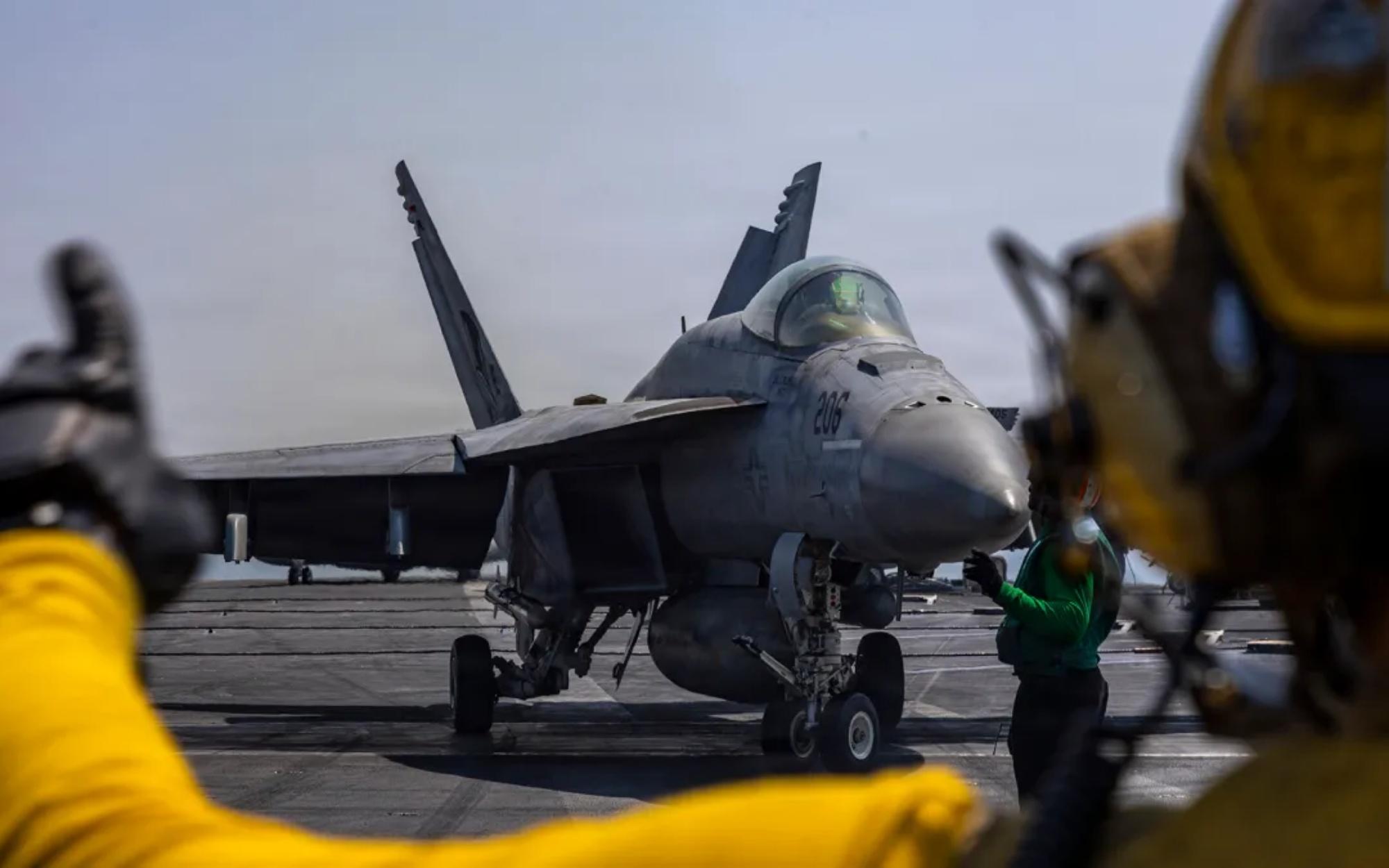
An F/A-18E Super Hornet prepares to launch from the flight deck of aircraft carrier USS Abraham Lincoln during Operation Epic Fury on March 6, 2026. Navy photo.

U.S. Admiral Brad Cooper, head of Central Command, testified earlier that the investigation is “complex” because the site itself was on an active Iranian cruise missile base. That complexity seems lost on the senators who are quick to grandstand but slow to grasp the realities of war.

President Trump, who has consistently defended America’s military while demanding accuracy and accountability, has publicly questioned the Iranian version of events.

“Somebody said it was our missile, maybe it wasn’t our missile, but I have seen nothing to lead me to believe it was,” Trump said, noting the chaos and confusion that come with the fog of war. His skepticism reflects a Commander-in-Chief who refuses to let hostile narratives define the truth.

Iran’s claims ring hollow considering their own history of embedding military assets in civilian locations. This tactic, perfected by terror proxies like Hezbollah, is meant to draw international outrage whenever the U.S. or its allies strike back.

The senators demanding an immediate report are ignoring this reality, though they surely know better. They’re playing politics with military operations.

The lawmakers’ letter also asked War Secretary Pete Hegseth and Admiral Cooper to submit an unclassified version of the findings to Congress, along with a “prevention and remediation plan.”

The irony is thick — the same Democrats who spent years tying the military’s hands with bureaucratic rules now want to micromanage battlefield decision-making. America’s warfighters deserve support, not lectures from career politicians who’ve never worn the uniform.

Iran Conflict Won’t Slow Taiwan Arms Shipments, Officials Assert
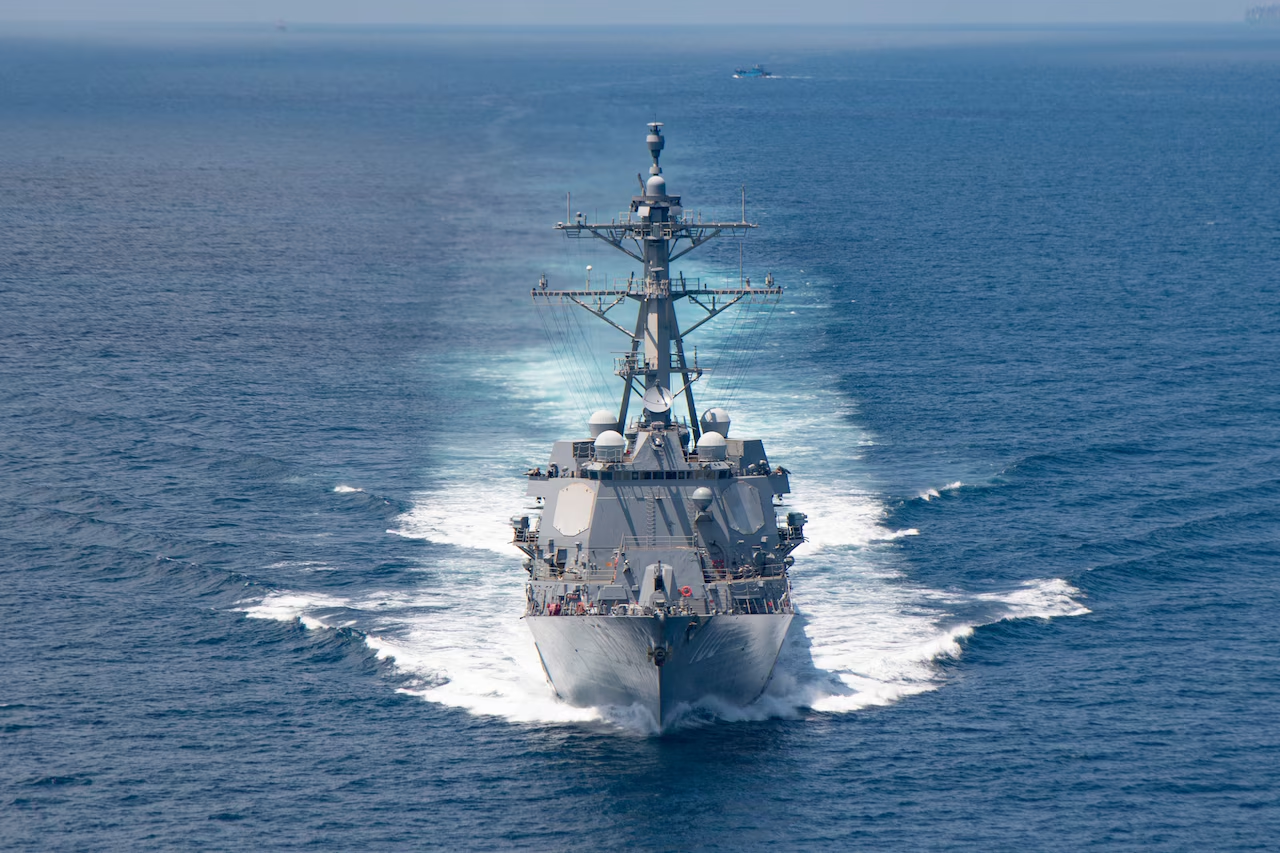
Arleigh-burke class guided-missile destroyer USS Kidd transits the Taiwan Strait during a routine transit, Aug. 27, 2021.

The letter goes on to claim that the United States has a “legal and moral obligation” to prevent civilian casualties. That’s a statement every professional soldier would agree with.

But using it to score political points against the Trump administration and the War Department does a disservice to the men and women putting their lives on the line. The real “moral obligation” here is to stop bending over backward to legitimize Iranian talking points.

What’s lost in this latest tempest is the fact that investigations like this take time — especially when they involve active war zones, classified operations, and hostile actors who manipulate the evidence.

The military’s job is to find the truth, not deliver sound bites on a Senate deadline. War Secretary Pete Hegseth has made clear the priority is operational integrity and accountability, not appeasing media narratives.

Once again, Democrats are rushing to frame complex wartime decisions as moral failings. The U.S. never intentionally targets civilians, and every serious military professional knows that. But for some politicians, the tragedy of war is just another chance to score cheap headlines. That’s not leadership. That’s exploitation.

News

President Trump Orders Relentless Third Night of U.S. Airstrikes Hammering Iran’s Military Strongholds [WATCH]

President Donald Trump ordered another round of U.S. military airstrikes against Iran on Monday, marking the third consecutive night of operations targeting the Iranian regime’s military infrastructure, according to U.S. Central Command, as reported by The New York Post.

Speaking to reporters in the Oval Office shortly after the strikes began, Trump said the military campaign would continue as the United States sought to weaken Iran’s offensive capabilities and secure the Strait of Hormuz.

“We’re hitting them very heavy tonight, as you know,” the president said.

“We have tremendous amounts of ammunition. We have numbers that we haven’t had in years, and we’re hitting them very hard, and it’ll continue, and we’ll see what happens. But we’re knocking out all of their offensive capability, and we’re controlling the straits.”

U.S. Central Command announced the operation in a statement posted to X, saying the latest attacks began at 4:45 p.m. ET.

“At 4:45 p.m. ET today, US Central Command began launching the third consecutive night of strikes against Iran, at the Commander in Chief’s direction,” the statement said.

CENTCOM added that the military campaign was intended to reduce Iran’s ability to threaten commercial shipping and civilians in the region.

“These strikes will continue imposing a heavy cost on Iranian forces and degrade their ability to attack innocent civilians and commercial shipping in the Strait of Hormuz,” the command stated.

According to CENTCOM, U.S. forces concluded the five-hour operation at 10:15 p.m. ET after striking multiple military objectives throughout Iran.

“During the five-hour mission, U.S. forces successfully struck military targets across Iran, including Bushehr, Chah Bahar, Jask, Konarak, Abu Musa, and Bandar Abbas to further degrade Iran’s ability to attack commercial shipping,” CENTCOM said.

“CENTCOM forces employed precision munitions against Iranian coastal defense systems, missile and drone sites, and maritime capabilities.”

The military also emphasized that the more than 50,000 U.S. service members stationed throughout the Middle East “remain vigilant, lethal, and ready.”

Iranian state media and unconfirmed reports on social media indicated explosions occurred in several cities along Iran’s Persian Gulf coastline, including Jam, Konarak, Bushehr, Bandar Abbas, and Bandar Kangan. Reports also suggested possible strikes on targets located on the islands of Kish, Qeshm, and Abu Musa.

Earlier Monday, Trump suggested that Pickaxe Mountain, a heavily fortified site believed to potentially house uranium stockpiles, could become a future military target.

“We’re going to take out Pickaxe Mountain. Tell the Iranians to be ready,” Trump said during an interview with Hugh Hewitt.

“We’re watching [it] closely. We see no activity there. They’re not doing well with their nuclear situation. Every time we hear about it, we blow it up. So they don’t like talking about it. But we’ll probably give Pickaxe a shot relatively soon.”

The president formally notified Congress on Friday that the United States resumed what he described as “limited” and “measured” kinetic strikes against Iran beginning July 7.

During his Oval Office remarks on Monday, Trump also confirmed that the United States had reinstated a naval blockade targeting Iran.

“We’re putting the blockade back, and it’s a blockade not for anybody but Iran,” Trump said.

ICE Officers Fatally Shoot Man Who Tried To Ram Agents During ME Immigration Operation [WATCH]

“In other words, anybody doing business with Iran can’t go through. Everyone else will be able to go through.”

Trump argued that combining military strikes with the naval blockade has proven to be the most effective strategy for increasing pressure on the Iranian regime after Tehran declined to comply with the terms of a preliminary peace agreement reached last month.

The president also claimed that Washington had reached an agreement with Iran before negotiations collapsed.

Trump said the United States had a “deal with [Iran] two days ago” before Tehran backed out, while maintaining that a negotiated settlement to end the conflict remains possible.

The latest operation follows another large-scale military campaign carried out Sunday night.

According to CENTCOM, U.S. fighter aircraft, naval vessels, one-way attack aerial drones, and one-way attack sea drones struck dozens of targets at multiple locations across Iran, including military air-defense systems, coastal radar sites, missile and drone capabilities, and small boats.

Before Monday night’s strikes began, Trump previewed the continued military campaign during an appearance on “Fox & Friends,” where he vowed the United States would maintain control of the strategically important Strait of Hormuz.

“We’re taking over the strait. They have nothing. They’ve got nothing,” Trump said when asked about Iran’s claims that it had closed the waterway.

“So we’re just going to hit them very hard, and we’re going to, we’re going to keep the strait, and we’ll probably run it,” the president later added.

“We’ll become the guardians of the strait. Maybe we’ll call it the guardian angel of the strait, and we should be reimbursed for that … We guarded it for nothing, and now we’re going to guard it — we’re going to get paid for guarding it.”

News

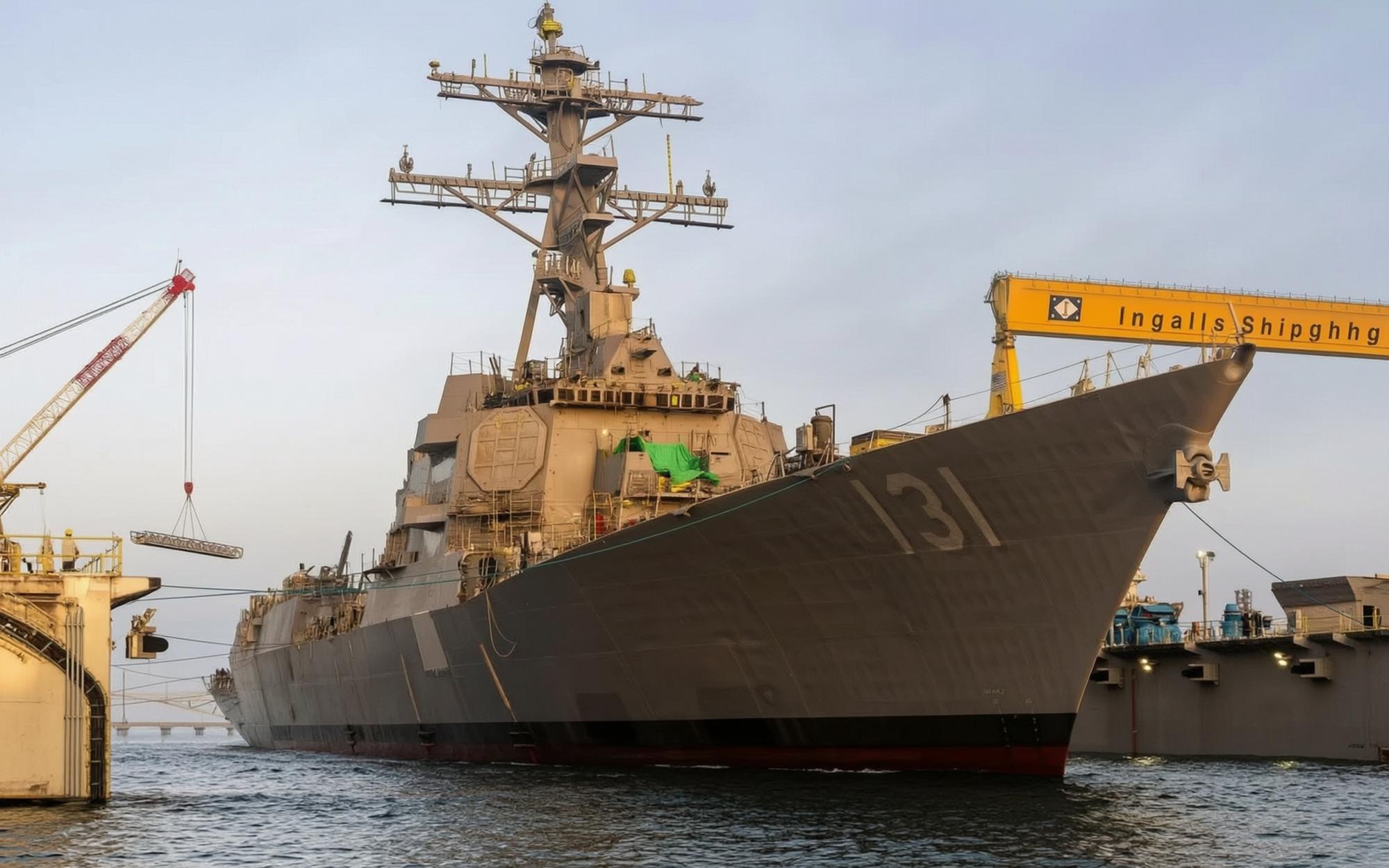
Navy Christens USS George M. Neal to Honor Hero of Daring North Korea Rescue

In a moment that merged history, valor, and American grit, the Navy officially christened a new destroyer in honor of Aviation Machinist’s Mate George Milton Neal, one of the few Black sailors to serve as an aircrew rescue crewman during the Korean War.

The future USS George M. Neal now carries the name of a man whose courage defied both the enemy and the limitations of his time.

At just 17, Neal joined the Navy and quickly earned distinction as a rare Black sailor in the aircrew ranks.

In July 1951, while serving aboard the Australian carrier HMAS Sydney, he volunteered for one of the most dangerous helicopter rescue missions of the war. His task: to save a downed Marine pilot, Capt. James Wilkins, who had crash-landed deep in the hostile, mountainous terrain of North Korea.

Neal and his pilot, Lt. j.g. John Kelvin Koelsch, faced nearly impossible odds. The low clouds prevented any U.S. fighter escort coverage, forcing them to fly alone into enemy territory.

They made one pass searching for Wilkins with no success, and then — showing true warrior grit — went back a second time despite the growing darkness and an approaching storm of gunfire.

When they finally located Wilkins, Neal exposed himself directly to enemy fire to lower the rescue sling. Enemy rounds tore through the air, striking their helicopter. Still, Neal steadied himself and began lifting the wounded Marine to safety. Moments later, the aircraft was hit again and went down in enemy territory.

Surviving the crash was only the start. Neal, alongside the injured Koelsch and Wilkins, spent nine harrowing days dodging capture in unforgiving mountain terrain.

With limited food and worsening injuries among the group, Neal’s endurance and spirit kept his small team alive. According to his Navy Cross citation, Neal’s “unflagging physical endurance and fighting spirit” were vital to the group’s survival.

Eventually, seeking water and shelter, the men were captured by North Korean forces. Koelsch, wounded and weakened, was taken to a prison camp where he refused to cooperate with his captors and ultimately died later that year. He was later posthumously awarded the Medal of Honor.

It wasn’t until decades later that the Navy would honor Neal with a ship bearing his name, placing him permanently among the service’s most revered heroes.

Over seventy years after his remarkable mission, Neal’s daughter, Kelley Neal Gray, christened the destroyer in a ceremony at Huntington Ingalls Industries Shipbuilding in Pascagoula, Mississippi.

The event was emotional, solemn, and patriotic — a tribute to courage under fire and the kind of American exceptionalism that the left so often ignores.

“On behalf of my family, I express my deepest gratitude to the United States Navy,” Gray said. “We are forever grateful that his life of service, sacrifice, and courage will be remembered through a ship that will one day defend our nation and carry his legacy throughout the world.”

Officials said the USS George M. Neal will serve not only as a modern destroyer but as a floating reminder of individual sacrifice and American toughness.

William Toti, performing the duties of Undersecretary of the Navy, called the christening “another step toward building the Navy our nation needs.” In other words, America needs warriors forged in the spirit of heroes like Neal — men who run toward danger.

The ceremony highlighted how far the Navy has come since the early 1950s, when Neal’s pioneering service broke racial barriers while demonstrating that bravery and loyalty to country know no color.

Today, the ship that bears his name is a symbol of unity through service, reminding everyone that strength and patriotism still define the U.S. military.

Under President Trump’s “America First” legacy and with pro-war priorities being restored under Secretary of War Pete Hegseth, moments like this strike deeper.

They remind the country of what matters — honoring warriors, not bureaucrats; celebrating American heroism, not political grandstanding.

The destroyer now named for Neal will soon join the fleet as part of the most powerful naval force on Earth. It will sail with his legacy attached to its hull — a legacy built on service, tenacity, and the refusal to quit even when surrounded by the enemy. And that, in essence, is the American way.

The christening in Pascagoula was more than a ceremony. It was a recognition that courage and sacrifice still form the backbone of national security.

As future sailors step aboard the USS George M. Neal, they won’t just be manning a warship; they’ll be walking in the footsteps of one of the Navy’s bravest men.

At a time when the world feels increasingly chaotic and America faces challenges abroad, this ship’s name will serve as a reminder that heroism is timeless — and that true warriors still define the Republic.


Scroll to Top