
All eight people aboard a civilian aircraft chartered by the Army Corps of Engineers were killed Thursday when the plane crashed near a remote military radar installation on Alaska’s western coast.
Federal aviation and military officials confirmed there were no survivors.
The dead included two pilots and six passengers, according to reporting from The Associated Press.
The Army Corps of Engineers confirmed Friday that two of its employees were among those killed while supporting the mission.
The twin engine Cessna 441 departed from Ted Stevens Anchorage International Airport and was traveling toward Cape Newenham.
According to the Federal Aviation Administration, the aircraft crashed at approximately 12:15 p.m. local time near Cape Newenham Airport.
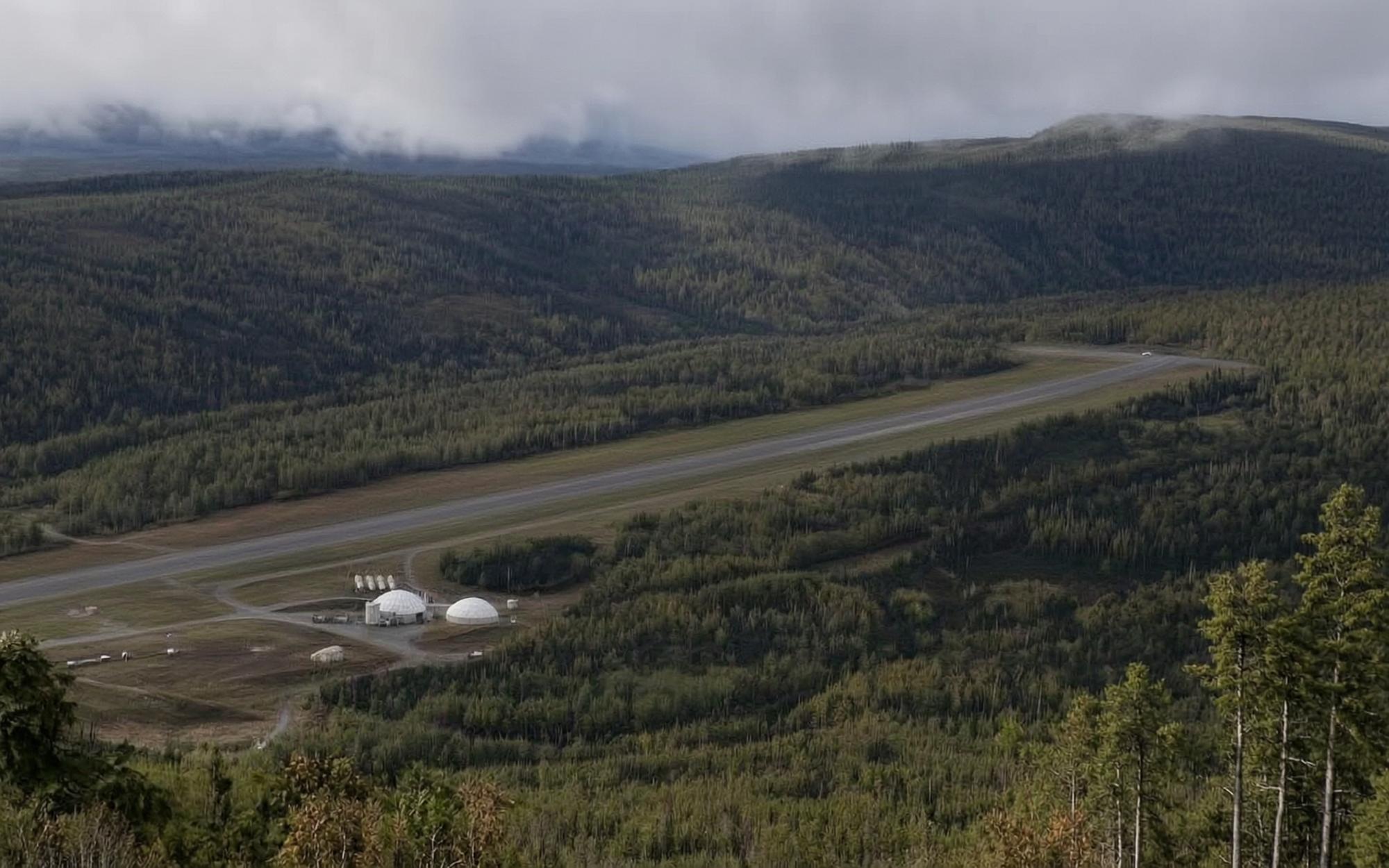
The isolated Air Force airstrip sits near the Bering Sea and provides essential access to the Cape Newenham Long Range Radar Station.
The installation is located in rugged territory where routine transportation and logistics are anything but routine.
Alaskan Command called the tragedy “a devastating loss for our military families and the communities we serve.”
The words reflected the heavy toll of an accident involving professionals working in one of America’s most demanding operational environments.
Air Force Lt. Gen. Robert Davis, commander of Alaskan Command, offered condolences to the families, colleagues and communities affected by the crash. “This is a devastating loss for our military family and the communities we serve,” Davis said in a statement.
Military authorities said the victims’ next of kin had been notified. Additional details will be released “as it becomes available and is appropriate to share,” the Army Corps of Engineers said.
The military typically waits at least 24 hours after completing next of kin notifications before publicly identifying victims.
As of the latest official statements, the names of the pilots and passengers had not been released.
Alaska Command did not disclose the precise assignment being performed by those aboard the aircraft. Officials described the plane as a “civilian-contracted aircraft.” contracted to support work connected with the remote radar location.
Davis described the people aboard as “dedicated professionals carrying out a vital mission in a demanding environment,” according to the AP.
Their work supported military infrastructure that helps watch the nation’s northern approaches and protect American airspace.
The Pacific Air Forces Regional Support Center manages the Cape Newenham station. It is part of an expansive network of isolated radar sites used to track aircraft operating across Alaska and near the state’s borders.
Those installations carry growing national security importance because Alaska occupies a critical position between North America, Russia and the wider Arctic.
Radar personnel and support teams provide an early warning capability in a region where distance, weather and terrain can turn even ordinary travel into a serious undertaking.
Because of the station’s remote location, personnel and supplies can reach the site only by aircraft or barge, Air Force officials have previously explained.
That limited access makes contracted aviation a necessary lifeline for maintenance crews, military personnel and civilian specialists supporting the radar network.
“Our absolute priority right now is providing unwavering support to their families, friends and teammates during this devastating time,” Davis said.
The command has not announced further details about support efforts, but its statement made clear that assistance to grieving families remains the immediate focus.
The FAA and the National Transportation Safety Board have opened investigations into the crash.
Investigators are expected to examine the aircraft, flight records, operational conditions and other available evidence before reaching any conclusion about what caused the plane to go down.
Officials have not publicly identified a suspected cause, and there was no immediate indication of mechanical failure, weather involvement or pilot error.
Until investigators complete their work, military and aviation authorities are urging patience while the facts are carefully established.
