Author name: Common Defense

News

Army Gives Chaplains 90 Days to Strip Rank from Uniforms Under Hegseth Plan

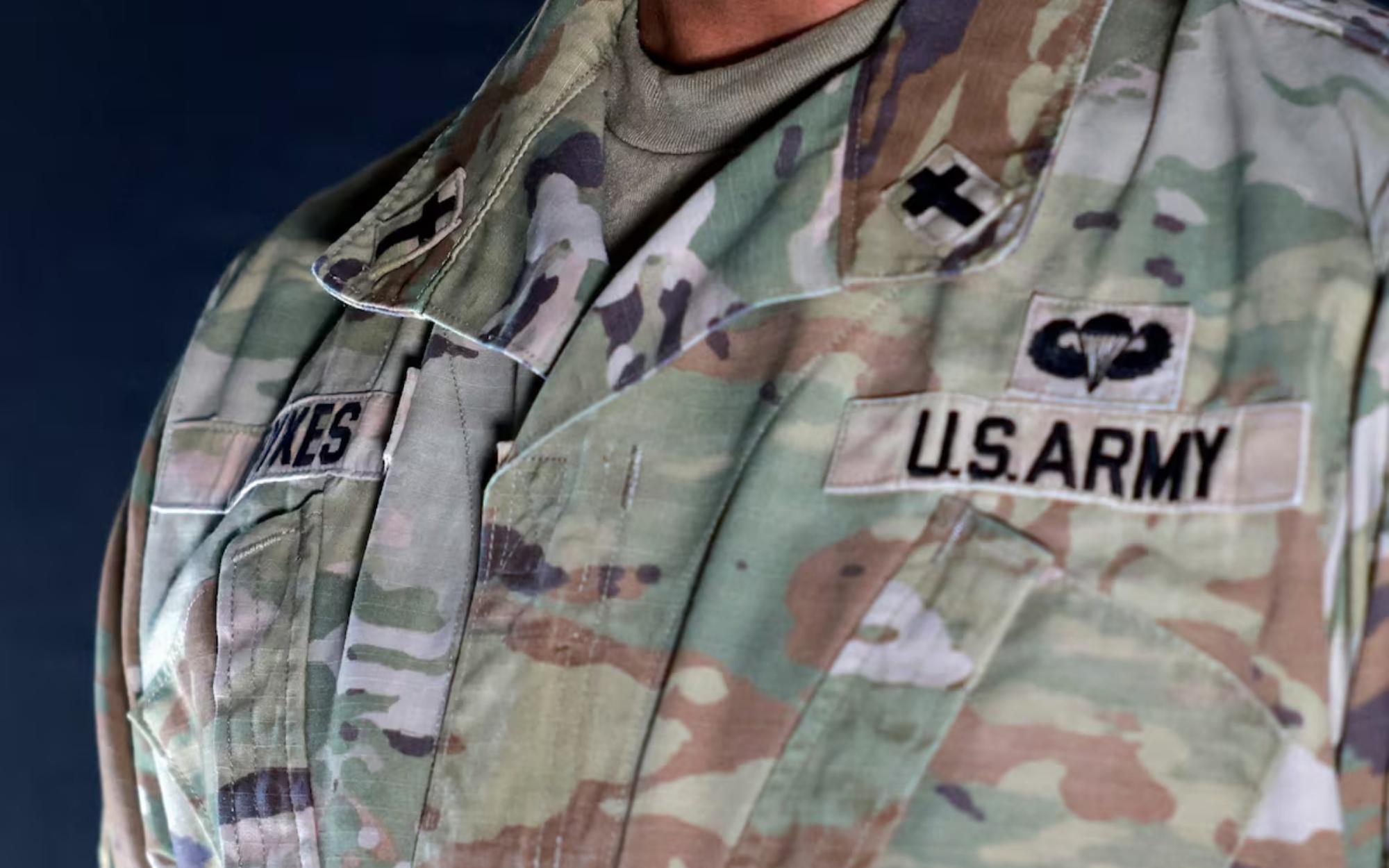
The U.S. Army is giving its chaplains 90 days to remove rank insignia from their uniforms, marking a major milestone in Secretary of War Pete Hegseth’s push to restore the spiritual mission of military chaplains.

The directive reinforces Hegseth’s long-held belief that chaplains serve God first and the chain of command second.

Issued under the signature of Secretary of the Army Dan Driscoll, the order requires chaplains to remove rank from their Army Combat Uniforms within 90 days and from cold-weather gear within 180 days.

The initiative draws a firm line under Hegseth’s March directive stating, “A military chaplain is first and foremost a chaplain, and an officer second.”

The change may sound cosmetic to the uninitiated, but it’s far more than that. It redefines the public face of military chaplains. Hegseth’s goal is clear—recenter faith within the military’s moral core after decades of secular bureaucrats trying to water it down.

For too long, the Pentagon’s religious services have been bogged down by political correctness and half-hearted “spiritual wellness” programs that avoided real faith.

In a video released earlier this year, Hegseth explained that the removal of rank insignia is meant to make every chaplain’s calling visible and unmistakable.

“This change is a visual representation of that fact,” he said. The message? A chaplain isn’t a mere middle manager in uniform; he’s a spiritual guide standing above the chain of rank when it comes to faith and moral guidance.

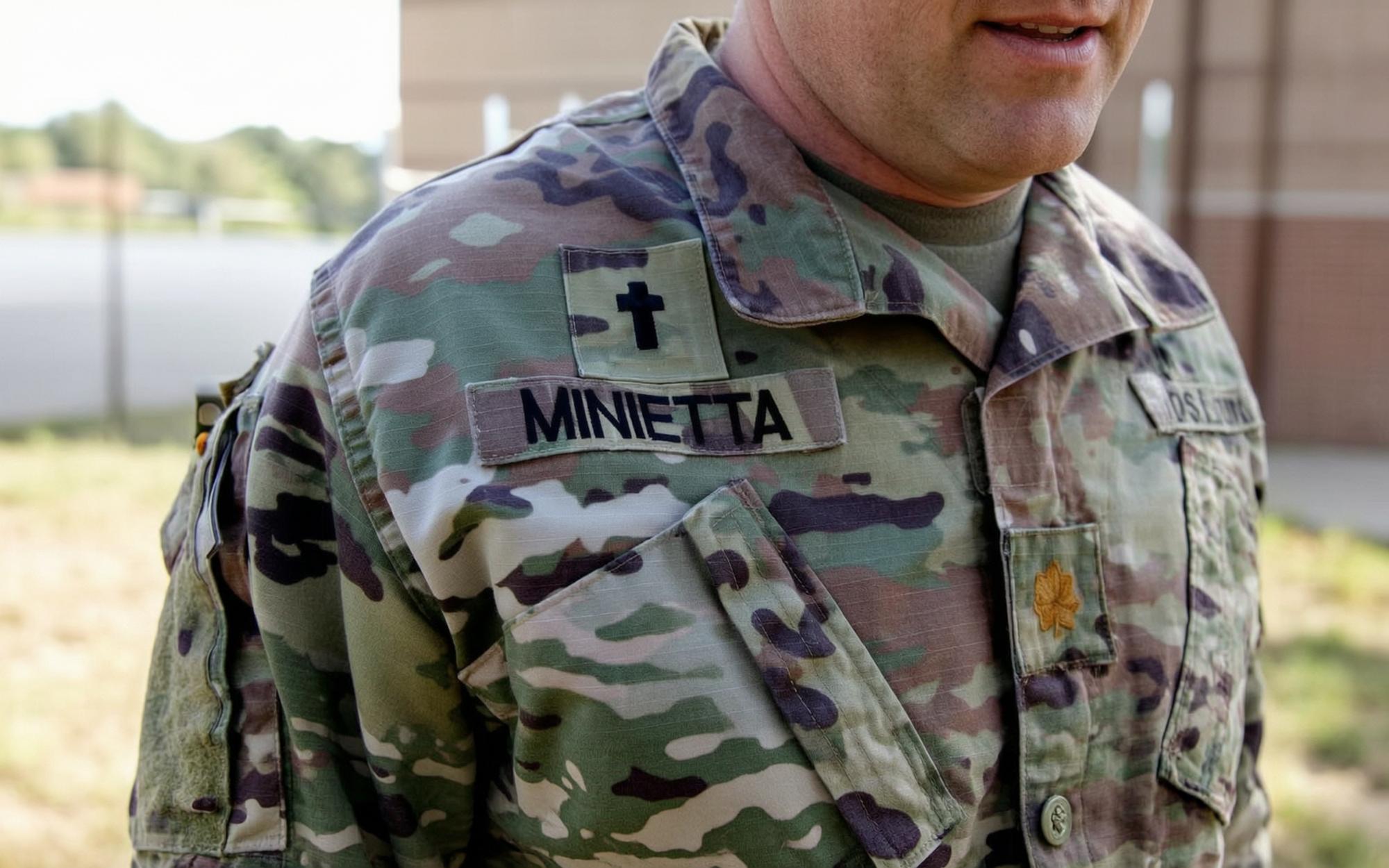
The Army directive also lays out clear guidance on how to display faith insignia on combat uniforms and headgear.

The approved insignia include the Latin cross, Jewish tablets with the Star of David, Muslim crescent moon, Buddhist wheel of righteousness, and Hindu Om. This limited list standardizes the symbols while steering away from the absurd proliferation of over 200 “faith codes” that had sprouted like bureaucratic weeds over the past several decades.
U.S. Military Chaplaincy Celebrates 250 Years of Faith, Service, and Support
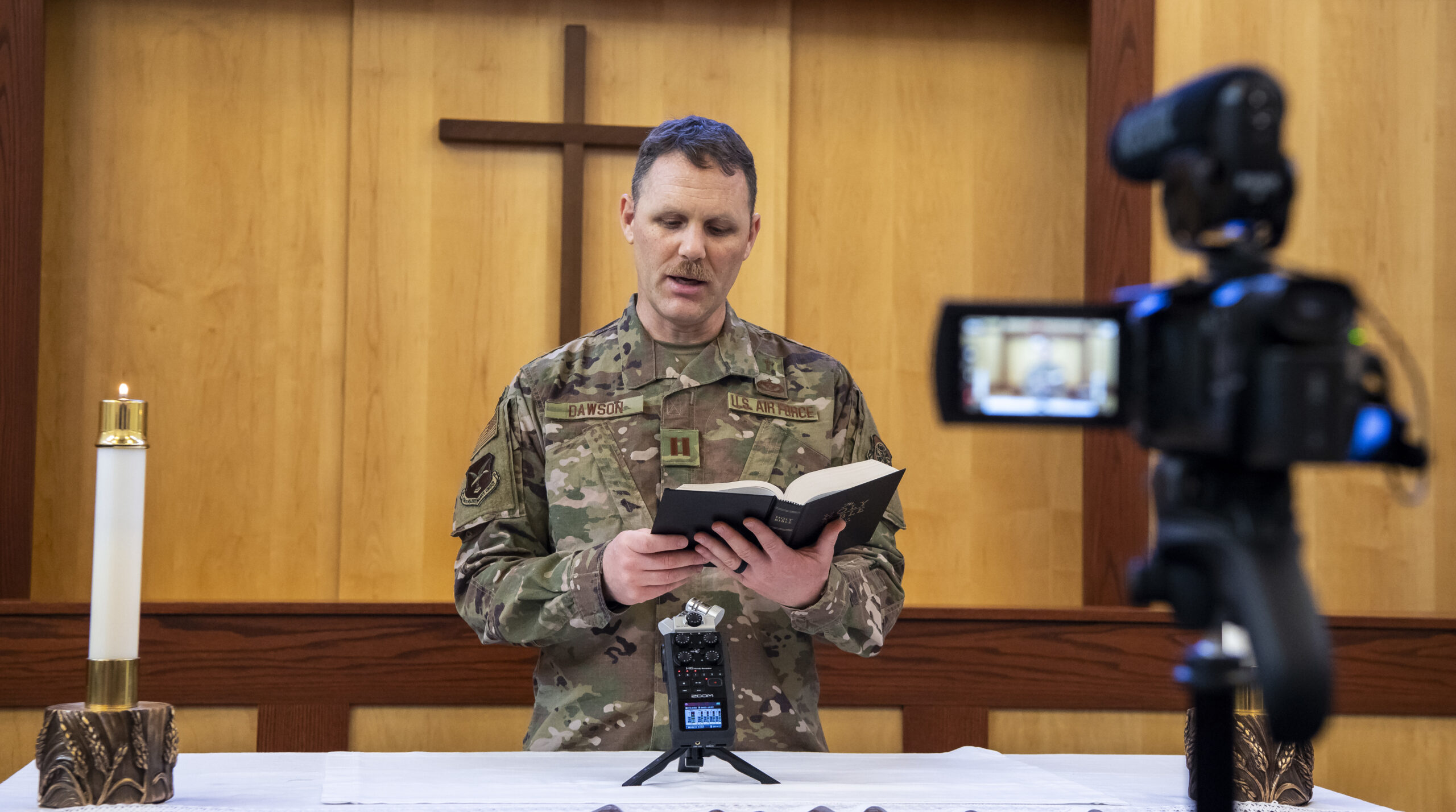
Chaplain (Capt.) Jonathan Dawson, 436th Airlift Wing chaplain, speaks during a service recording April 25, 2020, at Chapel 1 on Dover Air Force Base, Delaware. The recordings are created during the week and aired on Sunday due to COVID-19 restrictions. The recordings allow the chapel to provide services while ensuring people’s safety. (U.S. Air Force photo by Senior Airman Christopher Quail)

Hegseth’s overhaul doesn’t stop there. He also greenlit a full reorganization of the Chaplain Corps and the elimination of the “spiritual fitness guide,” a legacy project of the previous administration’s diversity bureaucracy that treated faith like a mental health exercise.

The War Department has now consolidated more than 200 obscure religious affiliation identifiers down to 31—an overdue clearing of the clutter.

Critics within the old military establishment are already voicing predictable objections, claiming that reducing rank visibility could “confuse” troops or “undermine command structures.”

But for anyone who has served, the meaning of a chaplain’s presence in the field is unmistakable—he or she is there for every soldier, regardless of rank, creed, or circumstance. Stripping the visible rank doesn’t create confusion; it clarifies purpose.

The move also underlines a broader cultural shift under Hegseth and President Trump’s leadership—away from the Pentagon’s bureaucratic self-image and back toward mission, discipline, and faith.

Morale has suffered in recent years not from too much religion but from too little conviction. Making chaplains more visible as spiritual leaders, rather than officers, sends a strong message that faith once again has a rightful place inside the ranks.
U.S. Military Chaplaincy Celebrates 250 Years of Faith, Service, and Support

For many chaplains, the change is welcomed. Many have long felt tension between their pastoral mission and their military status.

One Army chaplain told reporters privately, “When soldiers come to me, I want them to see a symbol of faith, not another officer they have to salute.” Under this new policy, that mission becomes visible again—literally and symbolically.

The visual symbolism matters. Soldiers at the front lines don’t turn to a chaplain because of their rank.

They turn to them because chaplains speak to something deeper than command hierarchy—morality, sacrifice, courage, forgiveness, and the long tradition of faith that guided American warriors from Valley Forge to Fallujah.

It’s not a coincidence that this policy comes under a War Secretary who actually served and understands the terrain. Hegseth, a combat veteran, has emphasized over and over that America’s military cannot maintain readiness if it cuts itself off from its spiritual foundations.

His vision stands in stark contrast to the soulless management style of the past two decades, when chaplains were treated more like HR consultants than spiritual anchors.
Air Force Rolls Out New Faith-Based Insignia For Chaplains, Maternity Uniform Dress For Expectant Airmen

By prioritizing faith above rank, the Army is doing something rare in modern government—it’s acknowledging that spiritual leadership is not subordinate to bureaucratic hierarchy.

Soldiers will still recognize chaplains as officers; the paperwork isn’t changing. But the uniform will now reflect something beyond the chain of command: a moral authority grounded in belief and service to something larger than self.

For a military struggling with recruitment, suicides, and declining morale, the answer isn’t another “resiliency” task force. It’s faith. And with Secretary Hegseth and President Trump putting that back at the core of the mission, the U.S. Army just took one visible, unmistakable step toward remembering what makes it—and America—great.
News

Air Force Seeks 1,000-Mile Powerhouse Weapon to Dominate Future Battles

The U.S. Air Force is setting its sights on a serious leap forward in long-range firepower, moving to develop a next-generation weapon capable of striking targets more than 1,000 nautical miles away.

This ambitious endeavor signals a renewed determination to regain air dominance and send a clear warning to adversaries like China and Russia that American aerospace power isn’t fading—it’s sharpening.

For two days in late August, the service will host an Industry Day at Eglin Air Force Base in Florida, calling on traditional and nontraditional defense partners to propose cutting-edge solutions.

The event will serve as a platform for private industry to pitch designs for what the Air Force calls the Air Force Long Range Weapon, or AFLRW, a dual-variant missile system engineered for both air-to-air and air-to-surface missions.

According to a notice from Air Force Materiel Command, the service seeks a weapon that can deliver across a wide spectrum of mission types, especially under classified Defense Planning Scenarios designed to simulate high-intensity combat operations.

These scenarios are part of wargaming exercises that map out how the U.S. would respond to large-scale conflicts with major powers, making this project far more than just a test case—it’s the groundwork for future wars.

The Air Force Life Cycle Management Center is leading the initiative and may select multiple vendors for prototype development. The service’s requirements are stringent: weapons must meet open-architecture standards under the Weapons Open Systems Architecture (WOSA) and integrate seamlessly with the Government Reference Architecture (GRA).

Officials say the new system must be capable of not only reaching exceptional ranges but also operating flexibly across theaters and platforms.

That means these weapons could eventually be mounted on aircraft like the B-52, F-15EX, or any next-generation airframe designed for global strike capabilities.

In its solicitation, the Air Force categorized proposals into two main tracks: All-up-round Solutions and Weapon System Integrator Solutions. Companies developing All-up-round systems are expected to deliver fully integrated missiles with vertical design and manufacturing processes.

That includes managing the subsystems for both the air-to-air and air-to-surface variants, all while remaining compliant with the open-architecture mandates.

Pentagon Orchestrates Bold Surge in Missile Production Across Top Contractors
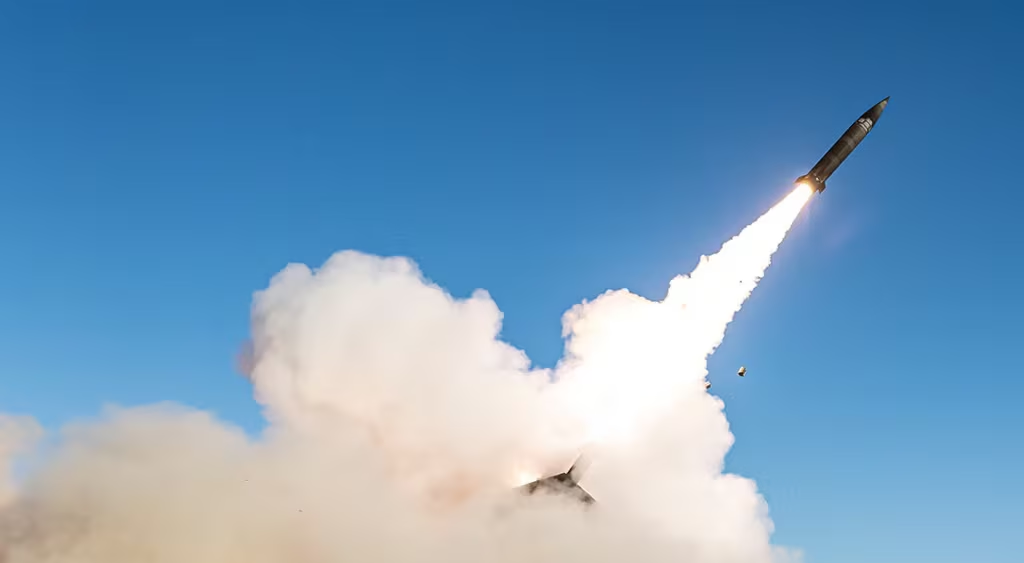
The Army successfully conducted a test of the Precision Strike Missile on April 10, 2025. (Darrell Ames/Army)

The second track, dubbed the Weapon System Integrator Solution, positions firms as master integrators responsible for assembling various modular components into a complete, fully functional missile.

These integrators will blend government-approved and third-party components within a digital twin environment—a virtual model of the weapon that allows for precision testing and rapid adaptation.

This modular, digital-first approach is part of a broader shift underway across the War Department, emphasizing flexibility, faster development, and battlefield adaptability.

It also embodies the modern doctrine pushed by leaders like War Secretary Pete Hegseth and President Trump, both of whom have emphasized that America’s technological edge must come through innovation—and not be suffocated by bureaucracy.

Allied Forces Obliterate Two Decommissioned Warships During Balikatan 2026 Firepower Showdown
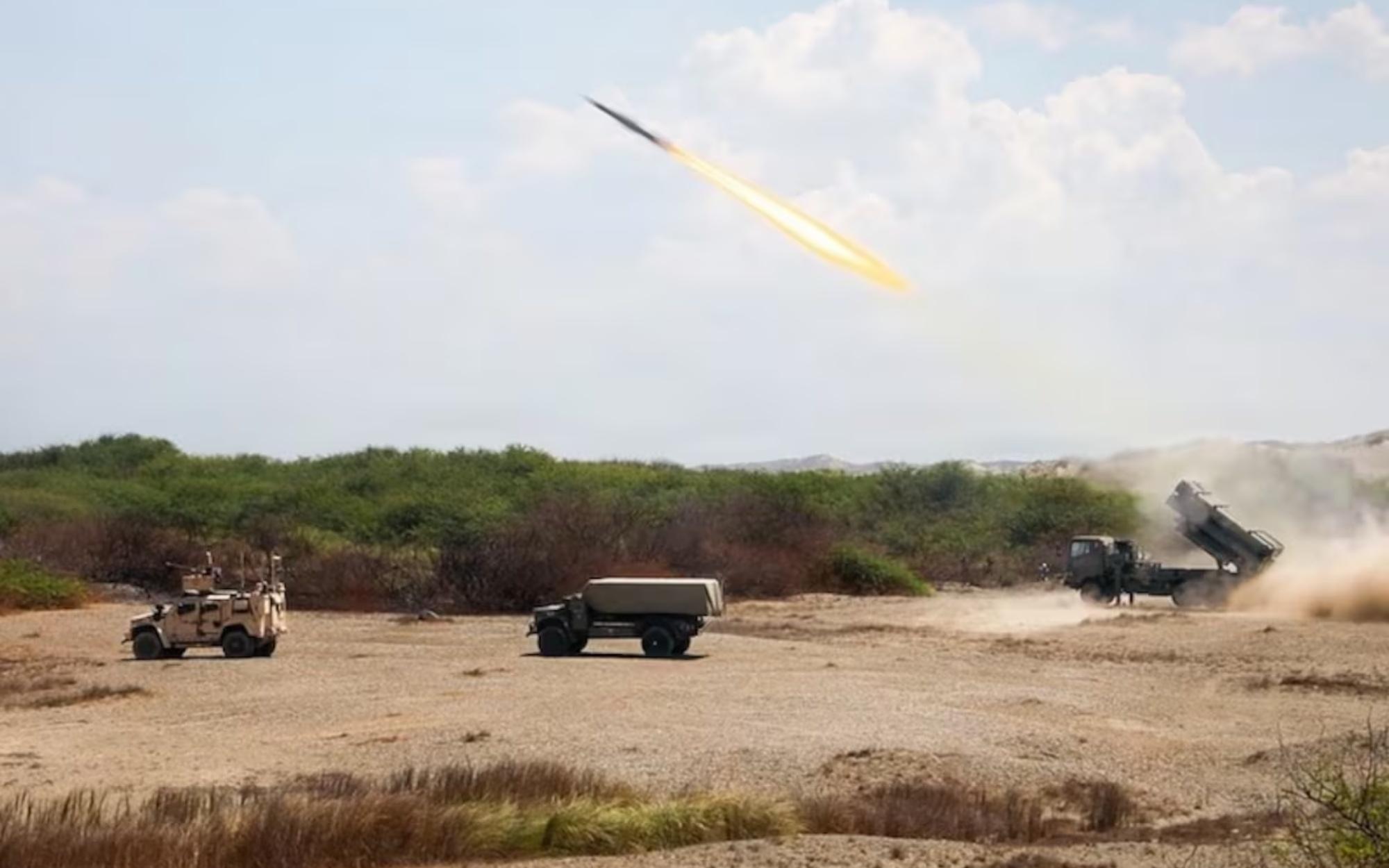
A Japan Ground Self-Defense Force Type 88 Surface-to-Ship Missile System fires during Exercise Balikatan 2026 at Paoay Sand Dunes, Philippines, May 6, 2026. (Jonathan Beauchamp/U.S. Marine Corps)

The Air Force plans to hold follow-on meetings with potential contractors in October and November.

These one-on-one discussions will let the Air Dominance Division, Air Combat Command, and Air Force Global Strike Command dig deeper into vendor proposals and evaluate which solutions can transform quickly from concept to reality. It’s a competitive process designed to weed out theoretical talkers and reward real doers.

The unclassified portion of the request makes clear that this weapon could reshape how the U.S. approaches both deterrence and engagement.

A thousand-mile standoff range dramatically changes tactics, allowing U.S. forces to strike deep into enemy territory without exposing pilots or aircraft to dangerous counterattacks. In an era where potential adversaries invest heavily in air denial systems, the AFLRW would give the U.S. a clear asymmetric edge.

Pentagon Strikes Massive Deal To Build 10,000 Containerized Missiles By 2027
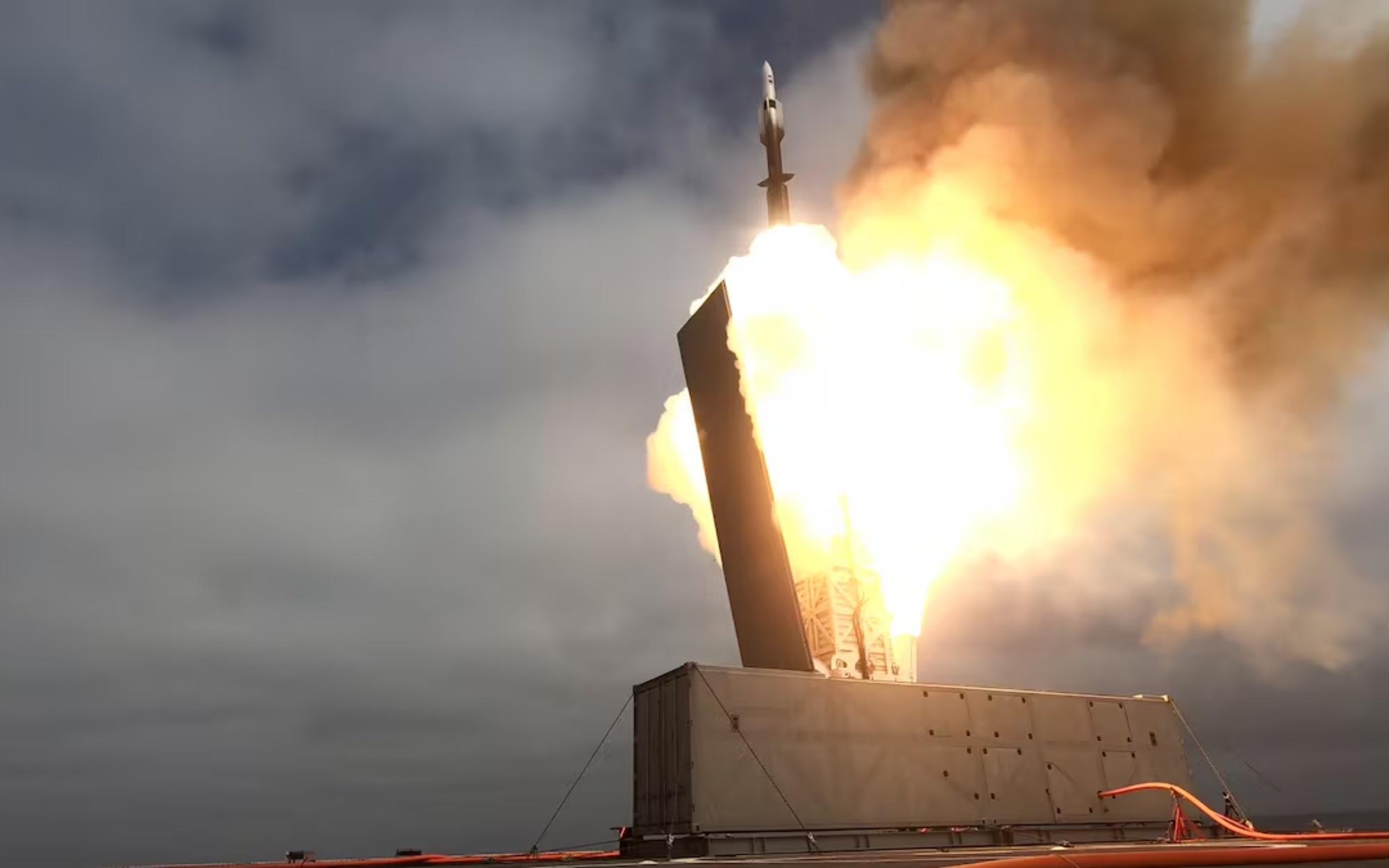
USS Savannah conducts a live-fire demonstration on Oct. 24, 2023, using a containerized launching system that fired a Standard Missile-6 from the ship at a designated target. (Lt. Zachary Anderson/U.S. Navy)

Industry insiders expect participation from both major defense contractors and smaller innovators who’ve been experimenting with scramjet propulsion, adaptive warheads, and advanced composite materials.

The Air Force is making a point to welcome “nontraditional vendors,” recognizing that private sector creativity—especially in the aerospace and tech sectors—has outpaced Washington’s old acquisition playbook.

Eglin Air Force Base, long known for its role in weapons testing, will again be the proving grounds where innovation meets military necessity.

This pairing of American ingenuity with operational intensity is exactly the formula that built the stealth bomber, precision-guided munitions, and hypersonic systems now entering service.

Critics might question the cost, but supporters argue that failing to modernize costs far more in the long term.

Top NATO Commander Accelerates Patriot Missile Deliveries to Ukraine Amid Rising Demand
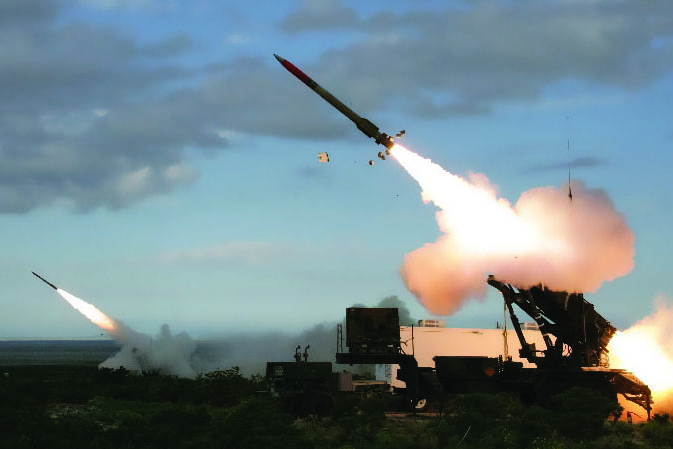
The Army test fires a Patriot missile in a recent test. The Patriot missile system is a ground-based, mobile missile defense interceptor deployed by the United States to detect, track and engage unmanned aerial vehicles, cruise missiles, and short-range and tactical ballistic missiles. Patriot, along with other missile defense systems, are included in the Army Air and Missile Defense 2028, which provides the Army’s overarching vision for the AMD force, describes how the AMD force is postured to support the Army and joint forces, and articulates what must be accomplished to achieve the 2028 desired end state of preventing and defeating adversary air and missile attacks through a combination of deterrence, active and passive defense, and support to attack operations. (U.S. Army photo)

China’s missile arsenal now bristles with long-range precision capabilities designed to push U.S. forces farther from the Pacific battlespace. A weapon that reverses that dynamic would restore balance—and deterrence.

This initiative isn’t just about one missile; it’s a test of whether America’s defense industrial base can move faster, collaborate smarter, and deliver ahead of schedule.

The Air Force’s message is clear: evolve or fall behind. And in today’s geopolitical reality, “falling behind” isn’t an option.

A future of air power dominance depends on weapons like the AFLRW—long-reaching, precise, and American-made. If all goes as planned, the next time an adversary looks to test U.S. resolve, the response won’t need to be close. It’ll already be on its way from a thousand miles out.

Raytheon to Ramp Up Missile Production Amid Pentagon Deals
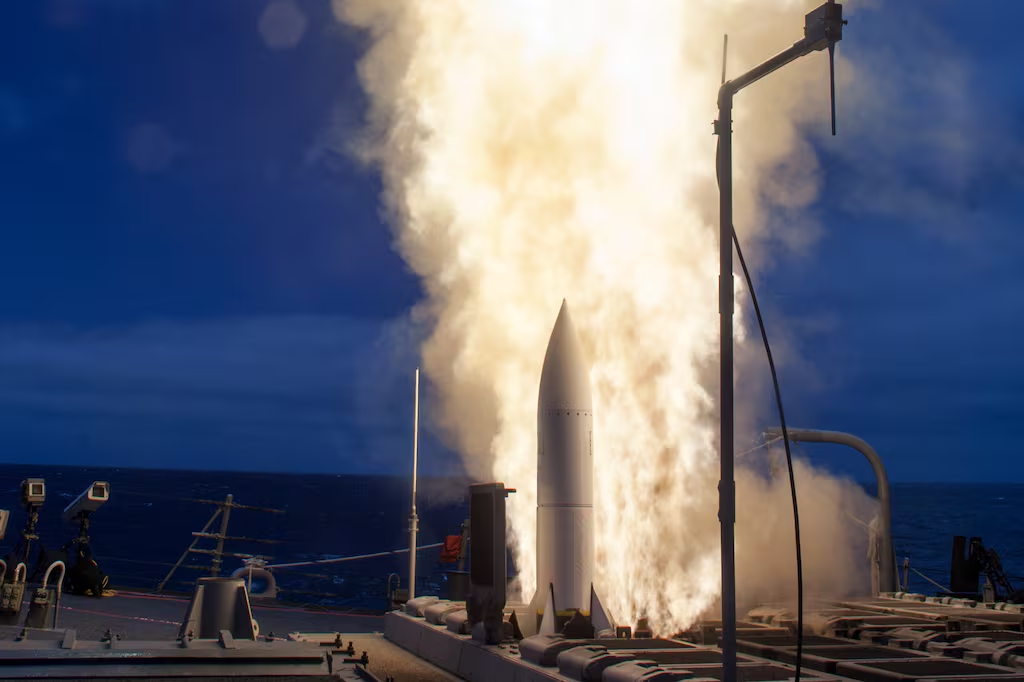
The Arleigh-Burke class guided-missile destroyer USS John Paul Jones launches a SM-6 missile during a live-fire test. (U.S. Navy)
News

Feds Hand Out $17 Million in Paltry Payouts for Navy’s Hawaii Fuel Water Disaster

The Biden administration’s Justice Department is bragging about paying out $17 million to military families in Hawaii—families poisoned by the Navy’s own fuel-contaminated water.

To anyone keeping score, that’s about $27,000 per person for getting sick, watching their children suffer, and losing faith in their government.

It’s a drop in the bucket and a classic example of bureaucrats trying to buy silence with taxpayer dollars.

The payouts go to just 629 people out of more than 6,500 who filed claims after the 2021 Red Hill fuel spills in Oahu.

Another 3,000 victims haven’t accepted the government’s offers, calling them “paltry.” They’re right. And the military service members who were directly affected still haven’t seen a single cent.

Attorney Kristina Baehr, who represents many of these families, said it best: “Every dollar paid represents some measure of accountability for families who were exposed to fuel-contaminated water in their homes… and were forced to fight their own government for recognition and relief.”

The Red Hill disaster was no minor accident. In both May and November of 2021, massive spills from the Navy’s Red Hill Bulk Fuel Storage Facility contaminated the water supply for nearly 10,000 military and civilian households.

Families suffered from chronic nausea, neurological issues, rashes, burns, thyroid problems, and migraines—all from the water that officials insisted was safe to drink.

While the Navy later admitted operator error, that acknowledgment has done little for those who endured months of illness and confusion.

Families were eventually relocated to hotels, but not before thousands drank, cooked, and bathed in poisoned water—water the Navy repeatedly claimed was “fine.” That betrayal cut deep into trust between America’s uniformed families and the very government they serve.

The Justice Department, now declaring “a fair and just resolution,” seems to think $27,000 per victim checks that accountability box.

Associate Attorney General Stanley Woodward even praised the “efficient resolution” of the claims, calling it proof of the administration’s “commitment to ensuring justice for our nation’s heroes.”

But Baehr pointed out the glaring hypocrisy: “No dollars are going to America’s heroes,” she said.

“The DOJ argued in court that service members should be dismissed from their claims because when they bathed their babies at home and bathed themselves naked in their showers, those were incident to military service because they occurred in military housing.”

Battle for the Pacific: Why America Can’t Afford to Lose Hawaii’s Training Ground
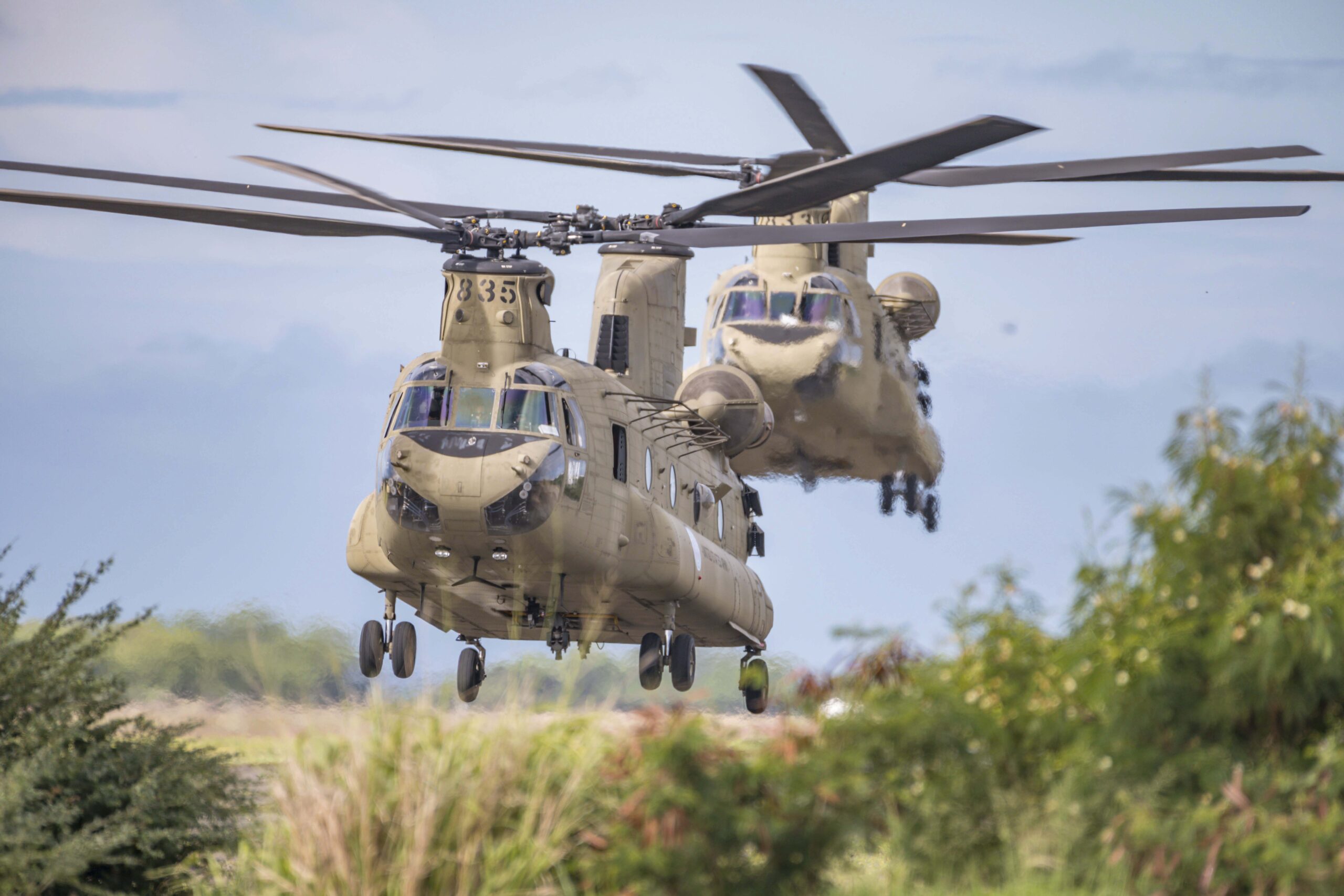
A pair of CH-47 Chinook helicopters from Company B, 1st General Support Aviation Battalion 211 Aviation, Hawaii National Guard (HING) loaded with Soldiers and equipment take off for transport to Maui and Kauai, April 13, 2020, Kapolei, Hawaii. Additional HING Soldiers have been activated to assist with missions on all the neighbor islands. (US Army National Guard photo by Sgt. John Schoebel)

That insulting legal position exposes how detached Washington’s bureaucrats have become from the families who fuel this nation’s defense.

These men and women don’t have the luxury of pontificating in policy meetings—they live on base, send their kids to military schools, and trust their government to keep them safe. Instead, that same government is fighting them in court and offering table scrap settlements.

According to Baehr, the court had already set fair damage orders. But rather than meet those amounts, the government undercut them with lower offers and then turned around to brag about their “justice.” It’s lawyer-speak for “we avoided paying what we actually owe.”

The remaining families holding out aren’t being stubborn—they’re demanding integrity.

They want accountability from the War Department and from Washington officials who would rather sweep the Red Hill debacle under the rug. “The government had an opportunity to settle all claims if they had made an offer within the court’s order,” Baehr said. “Instead they made this lowball offer.”

Marines Explore Counter-Drone Capabilities for Amphibious Combat Vehicle Amid Growing Threats
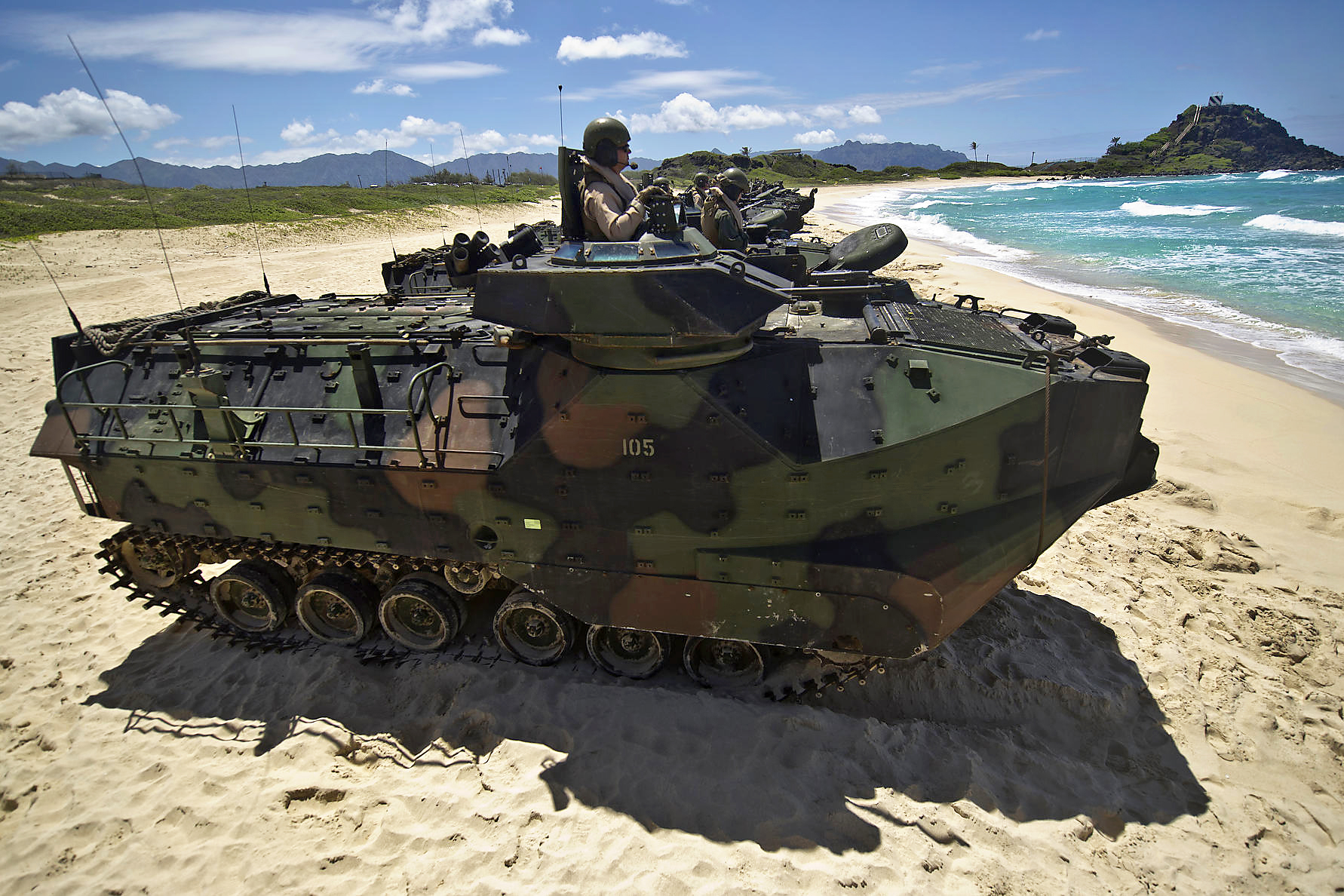
U.S. Marines assigned to Combat Assault Company, 3rd Marine Regiment, Marine Corps Base Hawaii Ð KaneÕohe Bay stand by in R7-A1 amphibious assault vehicles off Pyramid beach July 12, 2012, to meet up with the USS Essex (LHD-2) off shore during the Rim of the Pacific Exercise 2012.. Twenty-two nations, more than 40 ships and submarines, more than 200 aircraft and 25,000 personnel are participating in RIMPAC exercise from Jun. 29 to Aug. 3, in and around the Hawaiian Islands. The world’s largest international maritime exercise, RIMPAC provides a unique training opportunity that helps participants foster and sustain the cooperative relationships that are critical to ensuring the safety of sea lanes and security on the world’s oceans. RIMPAC 2012 is the 23rd exercise in the series that began in 1971.(Department of War photo by U.S. Air Force Tech. Sgt. Michael R. Holzworth/Released)

Even as the storage tanks have been drained, the damage remains—physically for families and morally for the institution. The Red Hill disaster revealed not just sloppy maintenance but a breakdown in trust between the people who wear the uniform and the bureaucrats running the system from afar.

“Until every affected family is treated fairly, until injured service members have their day in court, and until the full consequences of Red Hill are acknowledged, this matter is not over,” Baehr said.

In a handful of recent cases, some settlements have crept closer to fair amounts—around $45,000 to $50,000—still short of the real costs.

But at least those figures show what accountability could look like if Washington stopped pretending an insult-level payout is justice served.

This isn’t just about contaminated water. It’s about contaminated trust. The same families who keep America’s warfighters strong were misled, mistreated, then told to be grateful for crumbs.

The War Department’s handling of Red Hill shows what happens when accountability takes a back seat to public relations. It’s time Washington stops hiding behind press releases and starts doing right by the families it failed.

News

101st Airborne Turns Drones Into Breach Busters, Redefines Frontline Warfare

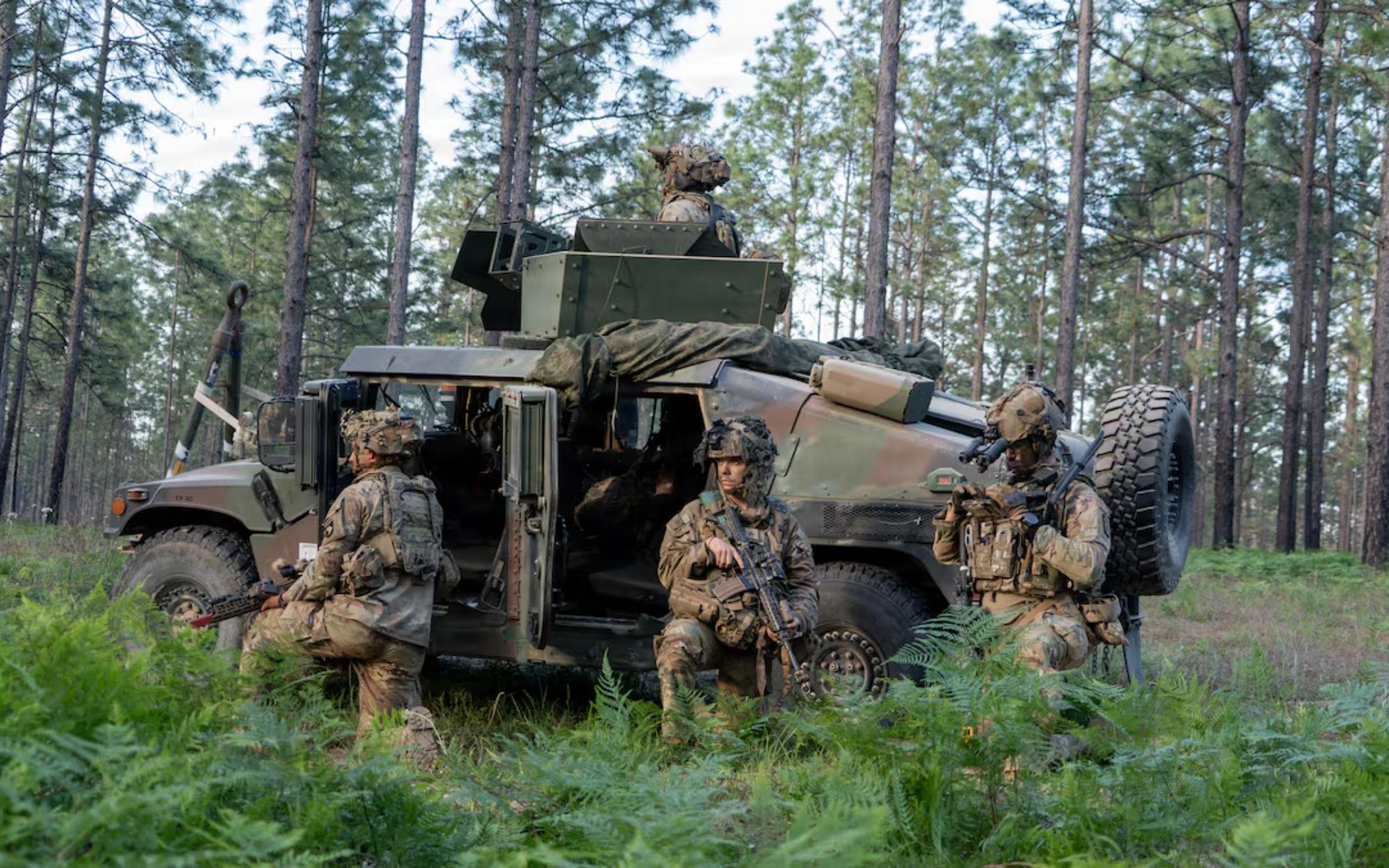
In one of the most forward-leaning combat experiments in years, soldiers from the 101st Airborne Division have turned drones into literal game changers on the modern battlefield.

During training at Fort Polk, Louisiana, the legendary “Screaming Eagles” demonstrated how small, soldier-built drones can breach enemy lines, punch through razor wire and clear trenches long before troops ever set foot on contested ground.

Colonel Ryan Bell, who leads the 3rd Mobile Combat Brigade, said his soldiers took 21st-century warfighting into their own hands by building more than 500 drones, including around 150 homemade attack models.

The unit treated these mini airframes as expendable tools rather than precious assets — and the results spoke for themselves.

“These drones are ammunition,” Bell said bluntly. “When you run the numbers, a brigade in sustained combat might need 1,000 to 1,500 drones every single week.”

His message to the War Department and industry partners was unmistakable: mass production, not boutique development, is the future of victory.

The innovative units crafted what they called “Attritable Battlefield Enabler” drones — or ABEs — built from 3D-printed parts supplied by the Robotics and Autonomous Integration Directorate (RAID) at Fort Campbell.

With cooperation from the engineers, Bell’s soldiers developed an add-on that allows the drones to drop grappling hooks — meaning no more sending soldiers into harm’s way to manually breach razor wire under fire.

The unit also designed munitions capable of blasting through multiple strands of concertina wire. These new drone-delivered payloads now enable remote breaching of fortified lines, without exposing a single rifleman.

Two U.S. Soldiers Die in Non-Combat Incidents While Deployed in Middle East
U.S. Army Soldiers assigned to the 101st Combat Aviation Brigade, 101st Airborne Division, arrive at Albrecht Duerer Airport Nuernberg for a nine-month rotation in support of Atlantic Resolve, Germany, June 22, 2020. 101st CAB is the sixth rotation of an aviation brigade to deploy to Europe as part of the regionally allocated forces supporting Atlantic Resolve. (U.S. Army photo by Sgt. Alleea Oliver)

“We had drones,” Bell said, “but we were still using old-school grappling hooks. Now, we can remove the risk completely.”

In addition to breaching wire and destroying sensors, the team integrated “mothership” drones — larger reconnaissance aircraft capable of deploying smaller ABEs across the battlespace.

This concept extends operational range and minimizes human exposure, perfectly aligning with the Army’s push for what leaders call a “machinic forward line.”

When the 101st ran the full-scale test, the results were startling. Bell ordered one of his commanders to conduct a robotic trench-line breach with zero soldiers up front.

Using a mix of reconnaissance and attack drones, the commander eliminated threats and destroyed enemy sensors long before infantry arrived.

The sequence was surgical. MRR drones neutralized electronic warfare threats, then sent in 25 ABEs to hit specific enemy positions. Another pair of ABEs dropped specialized charges that ripped through the razor wire.

From Old Abe to the Screaming Eagle: How the 101st Airborne Became a Symbol of Courage
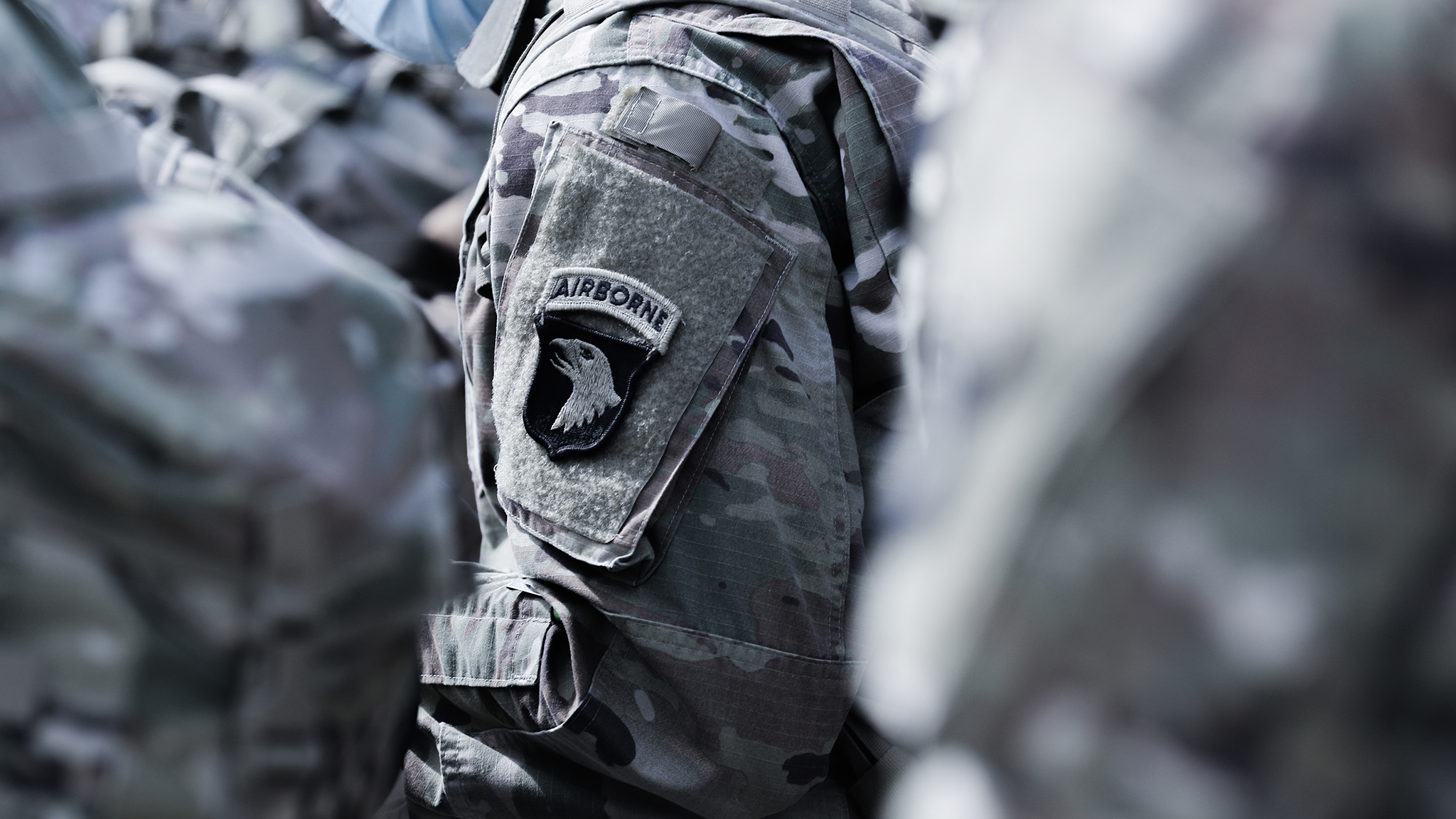
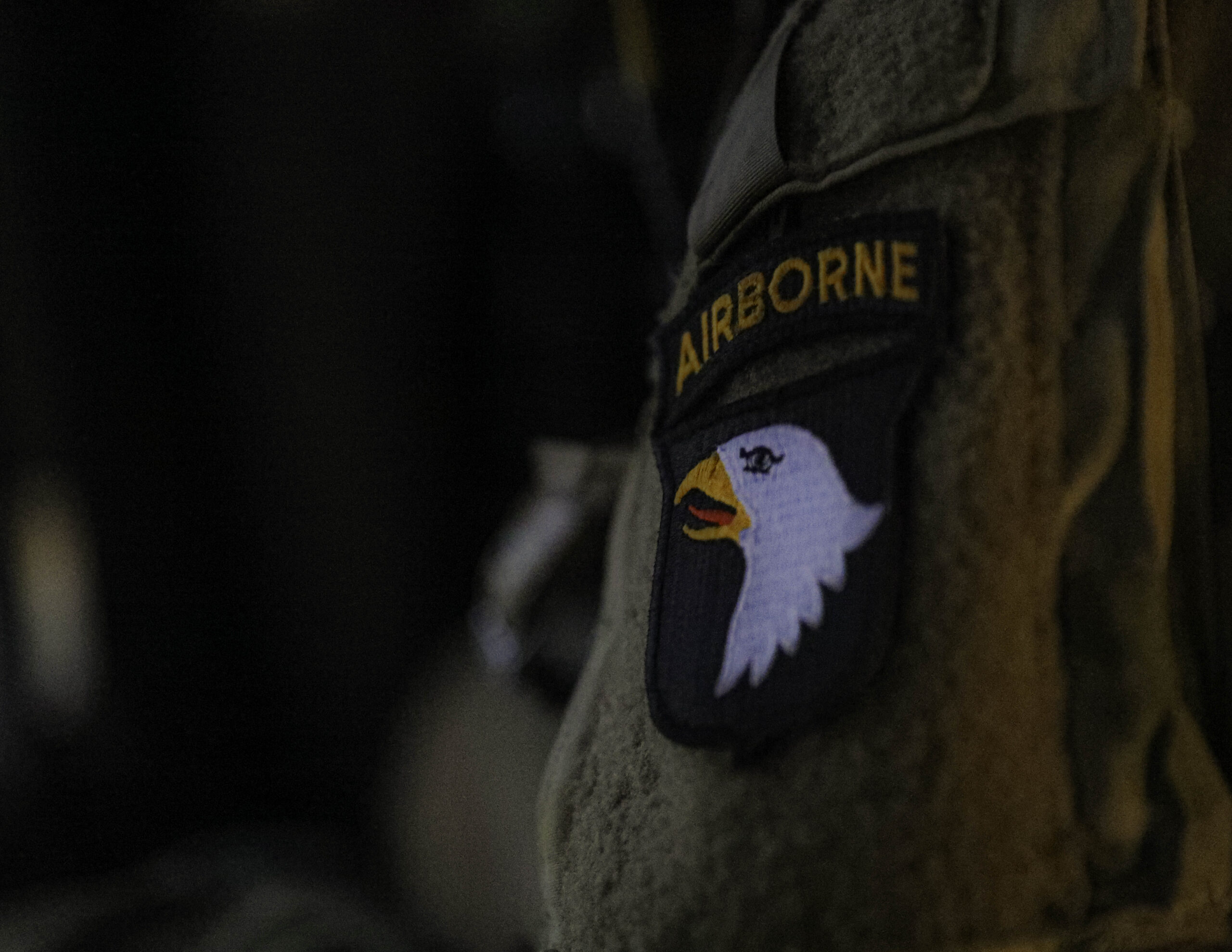
The 101st Airborne Division “screaming eagle” patch is highly recognizable within the U.S. Army. (DVIDS)

Two experimental Hunter WOLF unmanned ground vehicles followed, detonating C4 to remove landmines and finish the job. By the time troops advanced, the breach was totally uncontested.

“It took 35 drones and just over 100 pounds of C4,” Bell explained, “but we accomplished the same effect as three 155mm artillery barrages at a fraction of the cost — and no soldiers had to expose themselves.”

This innovation did not come from the Beltway’s think-tank class or international defense contractors. It came from American soldiers in the field, guided by real-world necessity and battlefield instinct.

Exactly the kind of decentralized, gutsy problem-solving President Trump and War Secretary Pete Hegseth have long demanded: warfighters driving capability, not bureaucrats.

While the experiment’s success was clear, the implications go far beyond Fort Polk. Bell made it clear that for these tactics to become widespread, production must ramp up at an unprecedented scale.

“We simply don’t have the ability to produce this many in-house,” he said. “If our brigade needs 1,000 per week, imagine what the full force requires. The private sector will have to step up.”

101st Airborne Division Tests New Capabilities in Division-Level Air Assault Exercise

That challenge could lead to significant collaboration between the War Department and America’s manufacturing backbone — precisely the kind of domestic defense mobilization Trump-era leaders have championed.

In wartime conditions, scaling drone output could become as essential as bullet or artillery production.

What the 101st Airborne has essentially done is blueprint a new model of attritable warfare: expendable machines clearing the deadliest obstacles before a single soldier risks his life.

Instead of slogging through barbed wire like it’s 1944, soldiers now command swarming robotic armies capable of neutralizing entire defensive lines.

As Bell and his team demonstrated, the future of combat is not just about high-tech toys — it’s about smart, scalable tactics that keep American troops alive.

And if one thing is certain, the 101st’s cutting-edge approach shows that the next major transformation in battlefield operations won’t come from a boardroom or a lab somewhere at the Pentagon. It’ll come from soldiers who refuse to settle for anything less than dominance.

News

USNS Kanawha Makes History with Presidential Unit Citation for Valor in Combat

A U.S. Navy auxiliary ship best known for hauling fuel will soon hold the same combat distinction as an aircraft carrier and its battle-ready escorts.

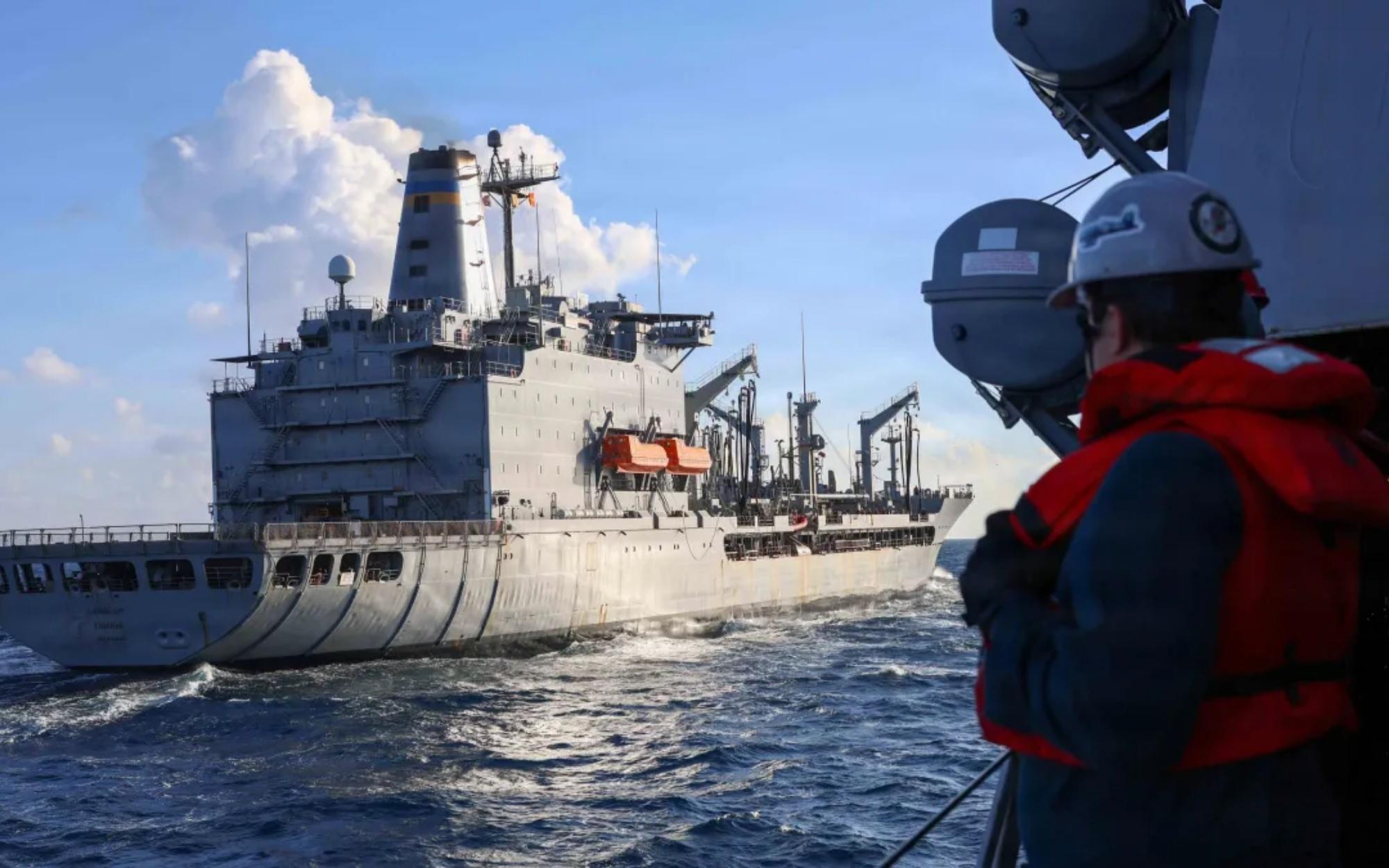
The USNS Kanawha, a Military Sealift Command oiler, is receiving the Presidential Unit Citation for its role supporting the Ford Carrier Strike Group during the blistering campaign known as Operation Epic Fury.

This isn’t a routine pat on the back. The Presidential Unit Citation represents the top-tier recognition for collective combat valor in the United States military.

The award places the Kanawha’s name alongside some of America’s most hallowed military units—Army Rangers who stormed Normandy’s beaches, SEALs who brought justice to Osama Bin Laden, and responders who threw themselves into the chaos of Hurricane Katrina.

For the Kanawha, the honor is groundbreaking. Never before in the history of the Military Sealift Command has one of its auxiliary vessels received such distinction.

These ships often linger behind the scenes, hauling supplies and fuel while the big guns grab the headlines.

But during the Ford group’s record-setting deployment, this so-called “floating warehouse” proved it was much more than a logistical footnote.

The U.S. War Department described the Kanawha’s role as indispensable to continuous naval operations.

Over the course of the deployment, its crew carried out a staggering 113 replenishments, transferring more than 17 million gallons of fuel to U.S. and allied vessels engaged across multiple theaters.

That logistical lifeline turned a carrier group into a long-range juggernaut capable of staying on station and striking hard when ordered.

Originally, the award ceremony was slated for July 2, but it’s now been pushed to mid-July. When the ribbons are pinned, it’ll mark a proud milestone not only for the Kanawha’s mixed civilian and military crew but also for the thousands who serve onboard Navy auxiliary vessels that keep the fleet moving forward.

Under the Military Sealift Command, ships like the Kanawha are owned by the Navy but operated primarily by Civil Service Mariners and Merchant Mariners—professionals who brave combat zones without heavy armament or official warship designation.

It’s a reminder that America’s warfighting power depends not only on destroyers and fighter jets but on ordinary patriots willing to stand in harm’s way to keep battle groups alive.

The Ford Carrier Strike Group’s operational citation praised its “outstanding performance in action against enemy forces from 28 February to 1 May 2026.”

The Kanawha’s matching award cements its equal status with the combat vessels it sustained from just over the horizon.

In plain terms: it didn’t just tag along; it fought the fight in its own way.

The Kanawha’s deployment placed it in the thick of major wartime and near-combat missions, from the war with Iran to crucial stability operations across the Caribbean. As Iran struggled to menace global shipping and American allies, the Kanawha was part of the logistical backbone that turned the tide.

Civilians aboard the ship worked alongside Navy personnel under potentially hostile conditions, fueling ships engaged in real operations where danger wasn’t theoretical.

This isn’t the first time the Kanawha’s crew drew attention for courage in the line of duty. In February, the Civil Service Mariners were recognized with the Navy Unit Commendation ribbon—the second-highest unit honor in the Navy—for their Middle East service between October 2023 and May 2024.

That commendation highlighted how the crew helped secure key maritime chokepoints, shield global trade routes, and deter aggressors who sought to break international law.

At the time, the crews helped confront Houthi militants who were targeting commercial shipping around Yemen.

Their actions protected both military and civilian vessels and reaffirmed U.S. resolve to uphold freedom of navigation in some of the most contested waters on Earth. For an unarmed or lightly armed auxiliary vessel, that level of service demanded nerves of steel.

This new recognition—authorized directly by the President—formally elevates that heroism into the historic record. The Presidential Unit Citation isn’t about ceremony; it’s a symbol of victory under fire.

It signifies that a unit performed its mission against a real enemy under extraordinary circumstances.

For the Kanawha and her crew, the award proves that even the “behind-the-lines” sailors of the War Department’s logistical fleet are warriors in their own right.

When the fuel flows and the battle rages, they are in the thick of it, keeping the fight alive for the fleet and the nation. That is what keeps America’s Navy—the world’s true arsenal of freedom—in motion.

News

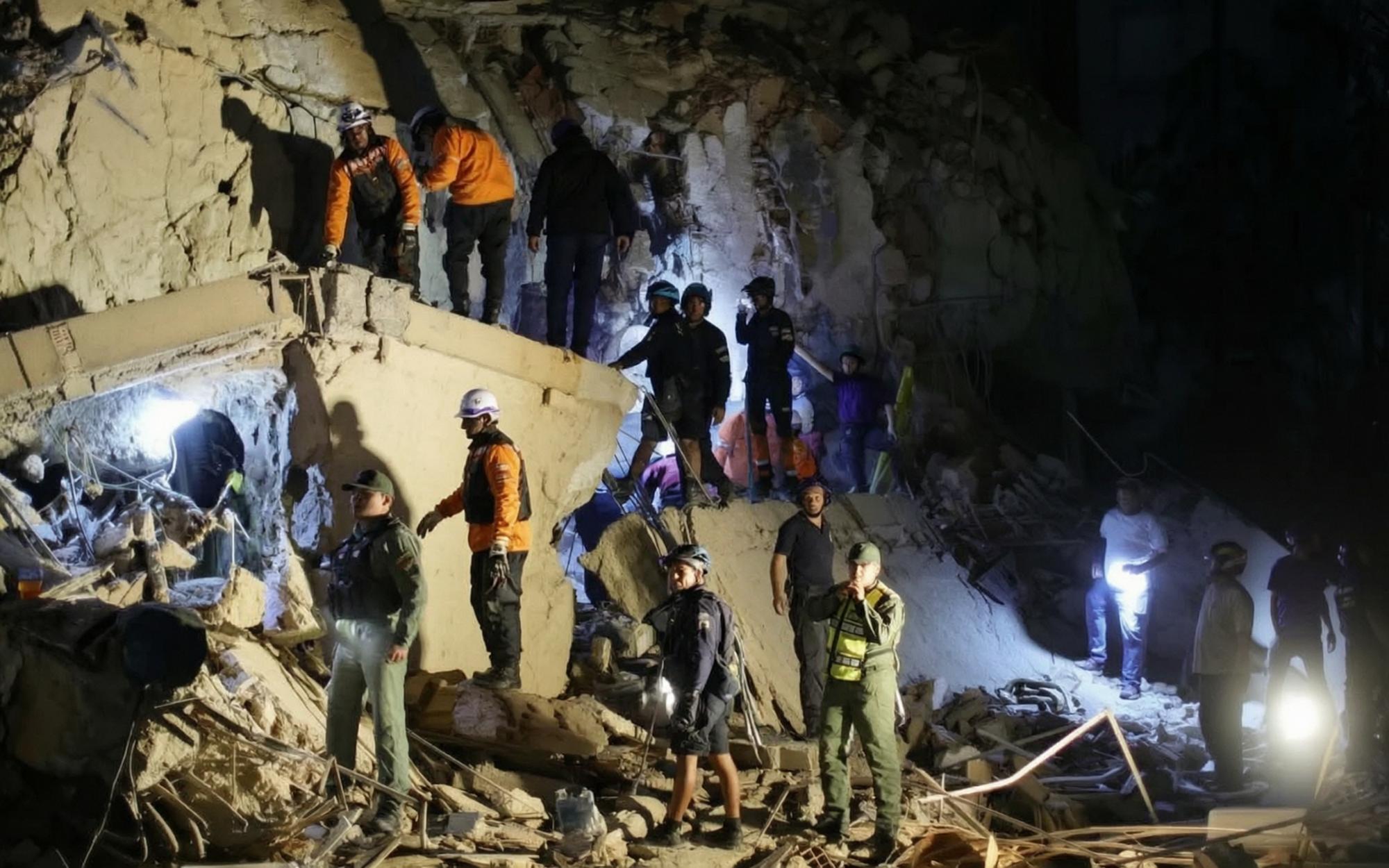
U.S. Forces Lead Mission Planning for Venezuela Earthquake Relief

The U.S. military is once again stepping up when the world calls for help — this time leading the charge in planning America’s humanitarian relief mission to earthquake-stricken Venezuela.

The country was slammed on Wednesday by two massive quakes measuring 7.1 and 7.5, leaving widespread devastation and at least 164 people dead. According to U.S. Southern Command (SOUTHCOM), American joint forces are already in motion to deliver lifesaving aid and expertise where it’s needed most.

SOUTHCOM confirmed in a statement that American military planners are coordinating across agencies, utilizing “unmatched airlift, logistics, and lifesaving capabilities” to support Venezuela’s government during the crisis.

While movement on the ground has not yet been confirmed, the command emphasized that rapid planning is underway to bring assistance to one of the Western Hemisphere’s most unstable nations.

At the moment, U.S. troops have not been officially tasked with deployment into Venezuela, but SOUTHCOM’s planning cell is in full swing. The team, operating under direction from the War Department, includes disaster response experts from the Bureau for Humanitarian Assistance.

Their job is to streamline decision-making and mission coordination during this critical window following the disaster.

“The command has established an operational planning team that includes experienced subject matter experts,” SOUTHCOM noted on social media, adding that they are coordinating “closely with regional allies who have pledged to join in international assistance.”

The U.S. often leads such efforts around the world because, frankly, no other nation can match the rapid response capabilities of American forces.

President Donald Trump reaffirmed that the United States “stands ready, willing, and able” to help Venezuela. He directed every relevant agency to prepare for immediate action, emphasizing America’s role as both a humanitarian leader and a stabilizing force in the hemisphere.

“When disaster strikes, America doesn’t hesitate,” the President said in a brief social media statement.

The State Department, led by a newly energized team under Trump’s direction, announced that a task force is up and running to coordinate global and interagency relief action.

Jeremy Lewin, the department’s official overseeing humanitarian affairs, explained that the United States is already lining up search and rescue teams, medical supplies, and relief infrastructure to arrive in the “crucial first days” after the quakes.

Two Troops Killed, One Seriously Injured in Southern Border Vehicle Accident Near Santa Teresa
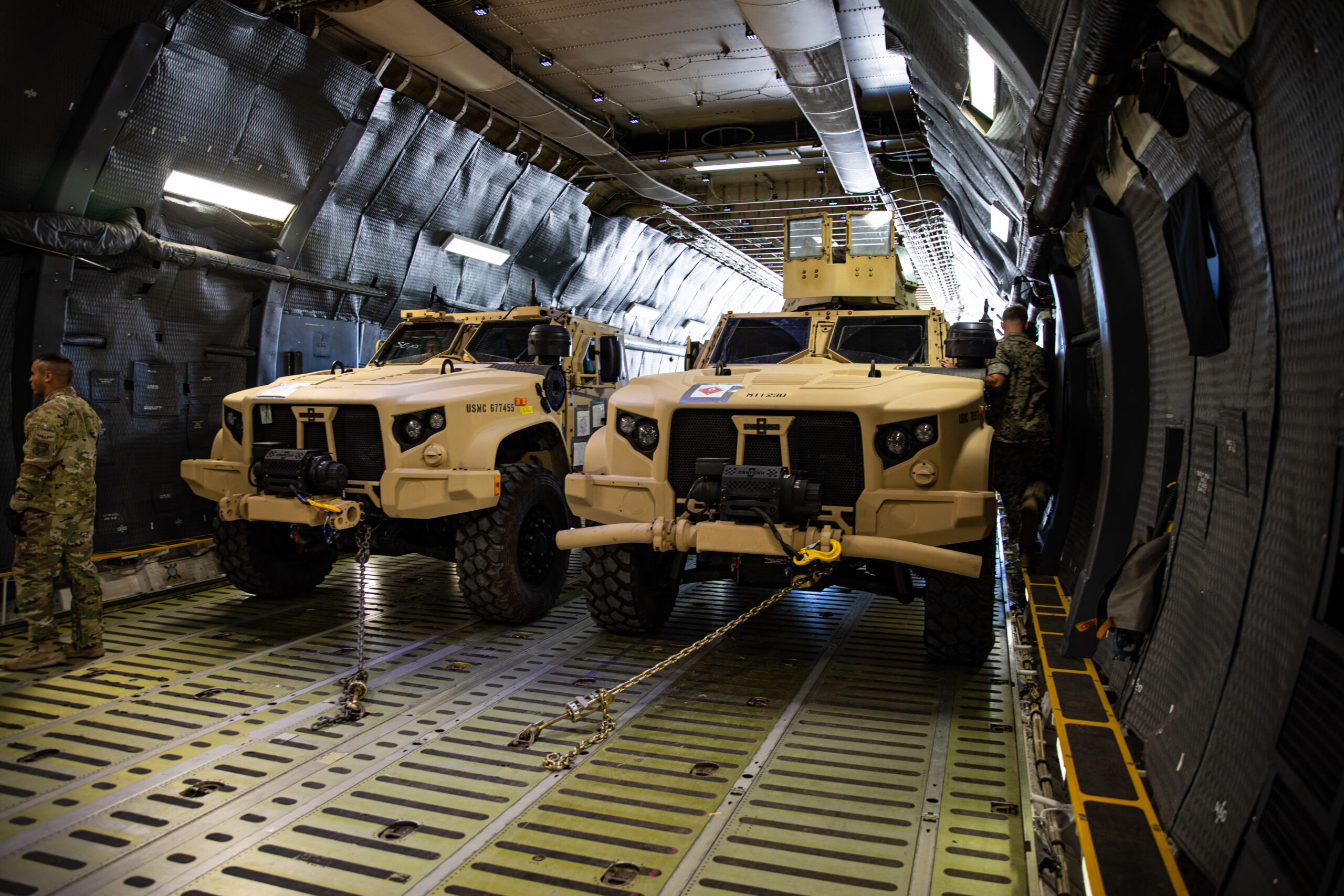
Joint light tactical vehicles are secured to a C-5M Super Galaxy at Marine Corps Air Station Camp Pendleton, California, Oct. 3, 2019. Embarkation Marines from across I Marine Expeditionary Force were given the opportunity to learn about the aircraft, and participate in loading and securing a variety of tactical vehicles. (U.S. Marine Corps photo by Lance Cpl. Roxanna Ortiz)

“Working with our partners in the interim Venezuelan government, the U.S. will be sending search and rescue teams, medical and humanitarian supplies and other resources,” Lewin wrote.

This cooperation with Venezuela’s interim government continues America’s policy of refusing legitimacy to Nicolás Maduro’s now-defunct regime, which was toppled earlier this year after a U.S. special operations mission captured him on drug-trafficking charges.

In Maduro’s absence, acting President Delcy Rodríguez faces the impossible challenge of leading a shattered nation amid political turbulence and catastrophic natural disaster.

The U.S. relief effort represents not only urgent humanitarian outreach but also an opportunity to rebuild a freer, more stable Venezuela in line with democratic values.

Pentagon planners report that the coordination now unfolding under SOUTHCOM’s direction could expand to include temporary staging hubs at U.S. installations in neighboring countries.

Air and sea transport assets, including C-17 Globemaster aircraft and Navy logistics vessels, may play pivotal roles if requests for direct assistance ramp up.

Regional allies have pledged support as well. Nations like Colombia and Brazil are expected to cooperate with American logistics planners.

The U.S. is likely to spearhead airlift corridors and manage security for incoming humanitarian convoys. Such coordination displays the kind of international leadership only possible when American resolve meets U.S. military capability.

This rapid response also serves as a stark contrast to what might have been under previous administrations that allowed crises to linger while debating procedure.

Under President Trump and the firm leadership of Secretary of War Pete Hegseth, the military is operating with clarity of mission and unapologetic purpose. No bureaucratic red tape, no “globalist waiting game” — just action.

Even as humanitarian assistance flows into Venezuela, U.S. strategists remain mindful of the geopolitical implications.

A natural disaster on this scale could either unite the region or invite foreign opportunists like China or Russia to exploit instability.

That’s why Trump’s early directive to move quickly has been seen as both a humanitarian and national security decision.

For the families in Venezuela sifting through rubble and ruin, American support may mean the difference between despair and survival.

And for the U.S. forces organizing behind the scenes, this mission is another reminder of why America maintains the world’s most capable military — not only to win wars, but to deliver mercy when others cannot.

News

Army Officer Sentenced to 12 Years for Secretly Killing Unborn Child

A U.S. Army officer who betrayed his uniform, his oath, and the most sacred trust between soldiers has been sentenced to 12 years behind bars after admitting to secretly giving an abortion drug to a pregnant soldier under his command.

Capt. Brandon Jones-Adams, 34, pleaded guilty to intentionally killing an unborn child, domestic violence, fraternization, and conduct unbecoming of an officer in a court-martial held at Joint Base Lewis-McChord, Washington.

The verdict and sentence confirm what many feared — that moral decay is creeping into corners of the U.S. military that were once defined by honor and discipline.

According to the Army Office of Special Trial Counsel, Jones-Adams administered the abortion pill Mifepristone to a junior enlisted soldier with whom he was romantically involved. The soldier was pregnant with their child when Jones-Adams secretly slipped her the drug, causing the abortion without her consent.

Lt. Col. Tyler Heimann, Circuit Chief of the Sixth Circuit Army Office of Special Trial Counsel, condemned the officer’s actions in a statement.

“Capt. Jones-Adams’ actions were deliberate, calculated, and malicious. By committing these crimes, he inflicted profound harm on his victim and betrayed the trust placed in him as an Army officer.”

That word — betrayal — cuts deep in the ranks. Soldiers are taught from day one that trust and loyalty are the backbone of the service. For an officer to violate that foundation so cruelly not only destroys lives but tarnishes the uniform itself.

The court found that under the plea deal, Jones-Adams faced a sentencing range from four to twelve years. The judge chose the maximum penalty, sending a strong message that the U.S. Army still draws the line on moral corruption and criminal abuse.

He was sentenced to 12 years in prison, stripped of all pay and allowances, and dismissed from the service — the officer’s version of a dishonorable discharge.

Jones-Adams served with the 23rd Brigade Engineer Battalion, 1-2 Stryker Brigade Combat Team, 7th Infantry Division, Multi-Domain Command Pacific. The irony of someone entrusted with leadership and discipline committing such a vile, cowardly act is not lost on the men and women who continue to serve honorably.

The convicted officer will carry out his sentence at the Northwestern Joint Correctional Facility, where, for the next 12 years, he will have time to reflect on what he destroyed — not just a life, but a legacy of responsibility and integrity that his rank demanded.

This case raises a grim question often ignored by the politically correct elite: how many moral boundaries have to be crossed before the military brass stops prioritizing social experiments and gets back to teaching right from wrong? When honor becomes optional and personal accountability fades, incidents like this become inevitable.

The Army deserves credit for applying full justice in this case. Too often, high-ranking officers walk away unscathed while enlisted troops face the full hammer of punishment.

Here, the message is clear: wearing bars or brass does not protect someone from the consequences of evil acts.

Still, it’s hard not to see this as part of a broader cultural rot. When the institution itself is steered toward moral relativism and away from faith, family, and duty — the very things that build soldiers with character — the results are predictable. A military that ignores virtue produces leaders without conscience.

There was a time when the U.S. Army stood as an example of courage and righteousness, reflecting the values of a strong nation under God.

Patriots like War Secretary Pete Hegseth and President Trump have called for restoring those values and rebuilding a culture where leadership is about service, not self. Cases like this prove that mission is as urgent as ever.

As this story fades from the headlines, one fact remains: a young soldier lost her child at the hands of the man she trusted most.

No sentence can undo that loss. But the Army’s willingness to hold even an officer accountable is a small but significant reminder — justice, though delayed, is still possible in uniform.

News

Army Plans ‘Heavy’ Infantry Vehicle to Power the Battlefield of the Future

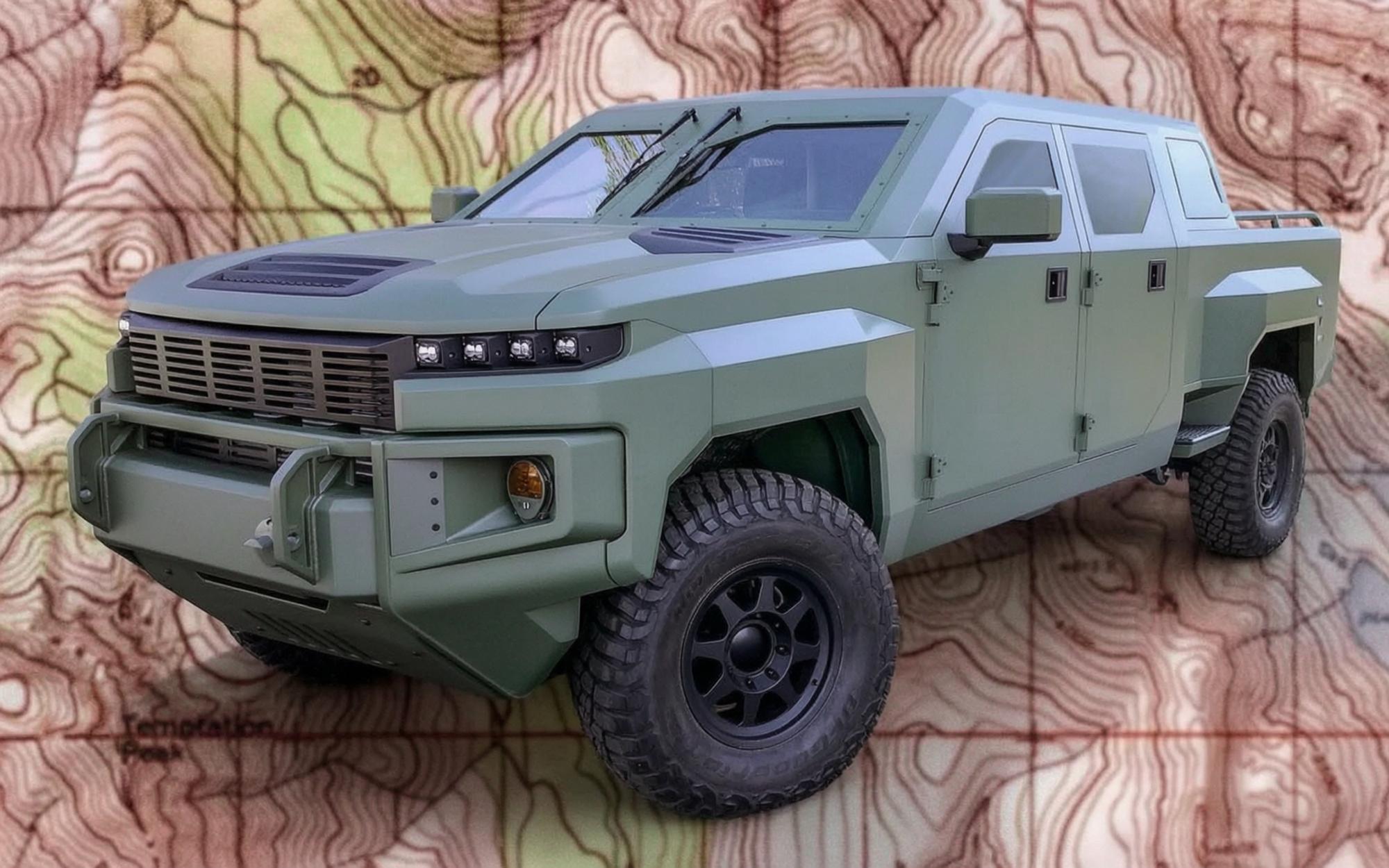
The Army is dusting off its tool kit and designing what it calls the “ISV-Heavy” — a tougher, battery-laden version of the Infantry Squad Vehicle that seems less like a war machine and more like a rolling power plant.

It’s the latest move in the Pentagon’s obsession with electrified equipment, a risky trend that may leave troops lugging lithium instead of lead on battlefields that demand grit, not gadgets.

While the average infantryman would prefer armor and firepower, the ISV-Heavy’s main mission isn’t to fight — it’s to generate electricity.

According to new contracting requirements, the vehicle will serve as a mobile generator that keeps drones, radios, computers, and even directed energy systems alive in the field.

Instead of armor plating, this “Heavy” rides into the next fight carrying circuits, cables, and batteries.

Jesse D. Tolleson Jr., principal deputy assistant secretary of the Army for acquisition, logistics, and technology, told senators last week that the new variant was designed specifically for “power generation at the mobile brigade combat team level.” In other words, the Army admits it doesn’t have enough juice for its high-tech toys.

The ISV-Heavy is meant to fill that “critical capability gap,” as Tolleson put it during a Senate budget hearing. Translated: it’s a battery truck.

The current concept reads like something straight out of Silicon Valley rather than the War Department.

The Army’s planning documents describe a vehicle capable of producing 60 kilowatts of continuous high-voltage DC power — the same output as a commercial charging station you’d find outside a big-box store. It’s supposed to keep up to 100 laptops running or power ten refrigerators in the field. Good news if the next war is fought at an EV dealership.

There’s also a “Sustained Silent Operations” mode, allowing it to run off a 60-kilowatt-hour battery with minimal noise, heat, or electromagnetic signature. Stealthy? Perhaps.

But soldiers still question whether this science-project-on-wheels can handle the brutal conditions of real combat. After all, it’s built on the same soft-skinned frame as the original ISV, which has struggled to live up to expectations.

The original Infantry Squad Vehicle, first fielded in 2019, quickly faced criticism. A 2021 Army report called the buggy “not operationally effective” for combat against a near-peer enemy — bureaucratic speak for “this thing won’t survive a firefight.” The Army’s solution wasn’t to make it tougher, but to change its mission.

By 2023, commanders officially redefined the ISV’s role away from direct combat, turning it into a glorified troop taxi meant to move quickly between objectives, not smash through them.

Now, with about 1,000 ISVs scattered among elite units like the 82nd Airborne, 101st Airborne, 25th Infantry Division, and the 75th Rangers, the Army seems intent on doubling down. The ISV-Heavy is supposed to complement its lighter sibling, giving infantry units a “mobile power node” as they operate in dispersed formations.

The Pentagon’s theory is that speed, mobility, and remote power will make American troops nimbler and deadlier. Reality says that surviving in modern warfare still takes hardened steel and overwhelming firepower.

Even so, the Army’s electrification experiment is spreading. National Guard units in Pennsylvania, Indiana, and Idaho are now transitioning from Strykers and Abrams tanks to lighter ISV configurations as part of the new Mobile Brigade Combat Team structure.

That’s quite the downgrade from 70-ton armor to an open-top “buggy” that would lose a bar fight with a roadside ditch.

Of course, real-world tests haven’t been in battle but in disaster zones. The 101st Airborne deployed over 100 ISVs in 2025 after Hurricane Helene hit the Southeast, navigating through debris and broken roads.

The vehicles proved handy for relief work, but relief efforts aren’t firefights. Using disaster recovery as a model for combat readiness might make sense in a conference room, not on a battlefield.

To its credit, the Army says General Motors has improved reliability issues since those early failures. It also commissioned three companies to deliver autonomous ISVs that could one day move troops and gear without a driver.

This tech-heavy direction might excite corporate contractors, but many veterans remember how the most complex projects tend to stall or break down when the shooting starts.

Army leaders claim their thinking comes from watching modern warfare unfold in Ukraine, where speed and small-unit agility have defined fights against drones, artillery, and missiles.

They may be right — but faster movement only matters when the gear that carries your troops can survive enemy fire. So far, the ISV is a long way from meeting that mark.

The deeper question isn’t just how much power a vehicle can generate, but whether the nation’s fighters are being equipped for power projection or power management.

Soldiers don’t win wars by charging phones. They win by having the strongest, most reliable tools of war at their fingertips.

If the ISV-Heavy is just another overcomplicated gadget to please Washington’s green-energy establishment, it may drain more than batteries when the next real war arrives.

The bottom line: while the War Department tinkers with electric grid experiments in camo paint, America’s infantry deserves machines built to endure the fight, not power the campsite. When push comes to shove, firepower beats voltage every time.

News

Lockheed Martin Lands Massive $35 Billion Deal to Supercharge THAAD Missile Production

Lockheed Martin just secured a jaw-dropping $35 billion contract that will turbocharge America’s top-tier missile interceptor program—and the timing couldn’t be more crucial.

As the nation’s warfighters prepare for an era of renewed great-power competition, the U.S. Missile Defense Agency is handing Lockheed Martin the reins to quadruple production of the Terminal High Altitude Area Defense system, or THAAD.

The seven-year deal represents one of the largest and most consequential investments in missile defense in decades.

Under the contract, Lockheed will ramp up THAAD interceptor production from 96 to a staggering 400 units per year. That’s no small feat, but one that will headline America’s strategic efforts to refill critical war stockpiles and maintain deterrence in an increasingly dangerous world.

After the conflict in Iran and other engagements abroad, the United States saw its precision weapons and air-defense reserves drained at a concerning rate.

Lawmakers on Capitol Hill have been warning that munitions inventories are stretched thin, and unless companies like Lockheed ramp up production, the U.S. could face what experts call a “window of vulnerability.” This new deal is meant to slam that window shut.

A recent report by the Center for Strategic and International Studies backed up those fears, noting that it will take at least three years for American munitions levels to recover to where they were before the Iran war. That timeline leaves a critical gap that adversaries like China could exploit.

Pentagon to Quadruple THAAD Seeker Production with BAE Systems and Lockheed Martin
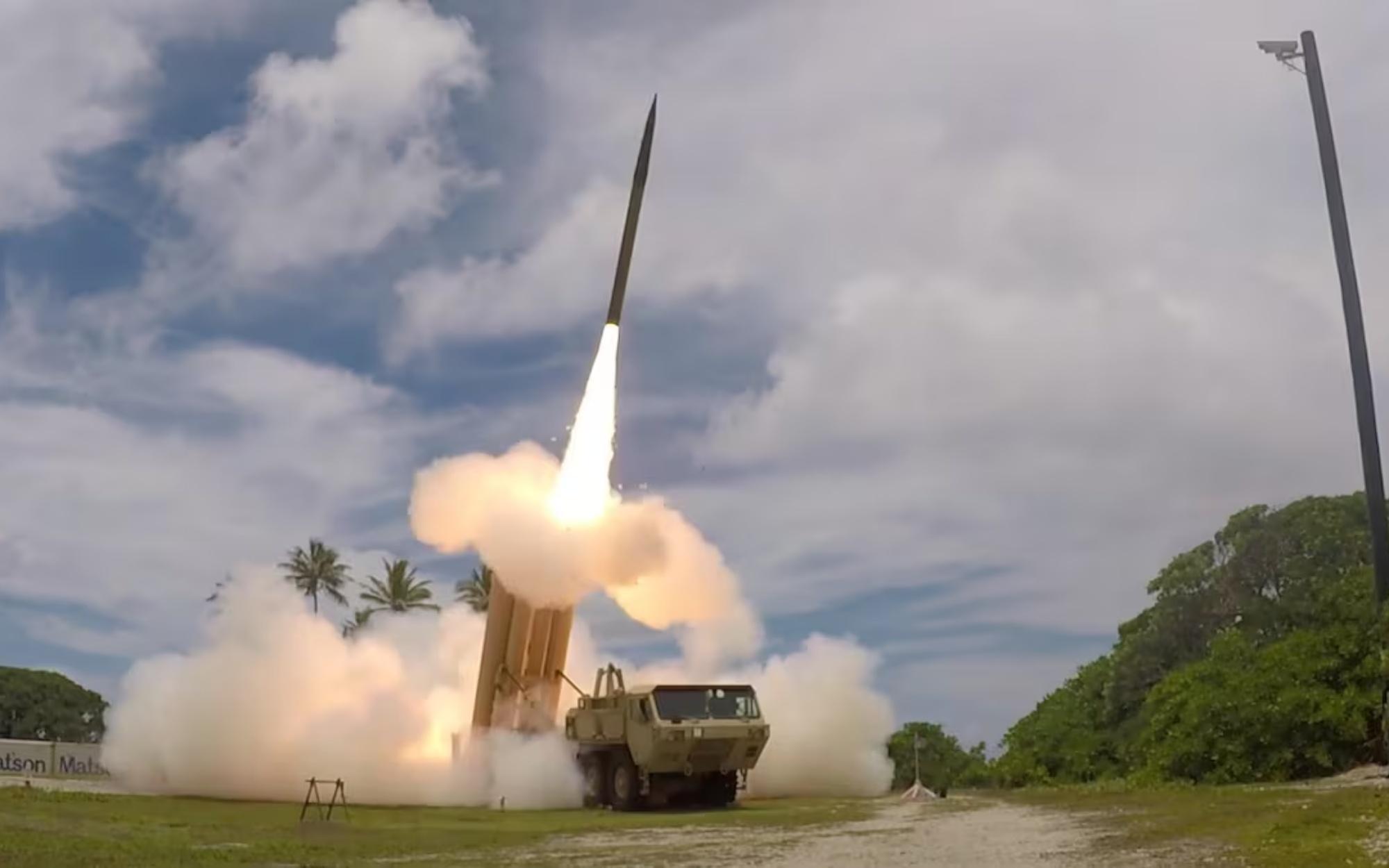
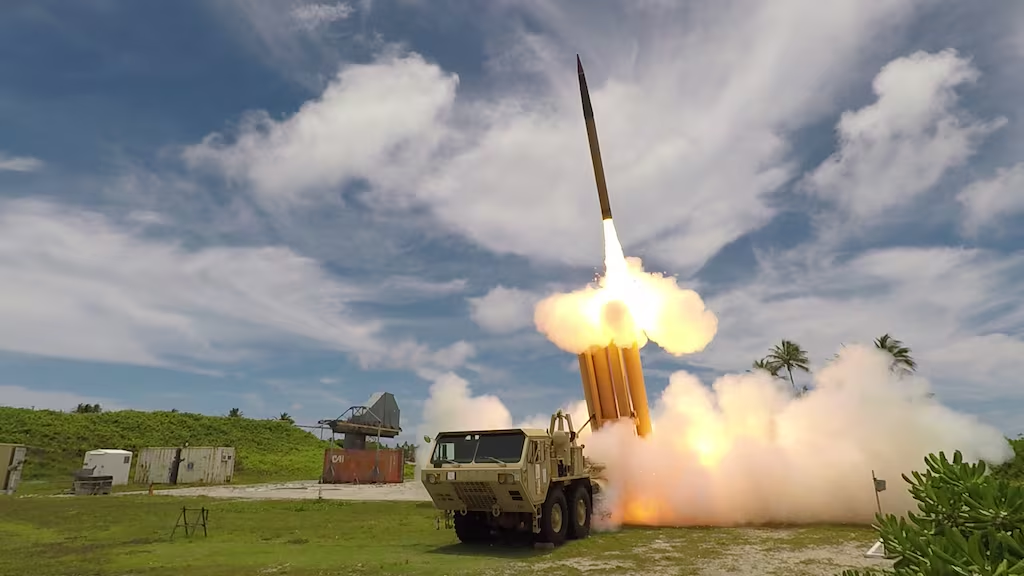
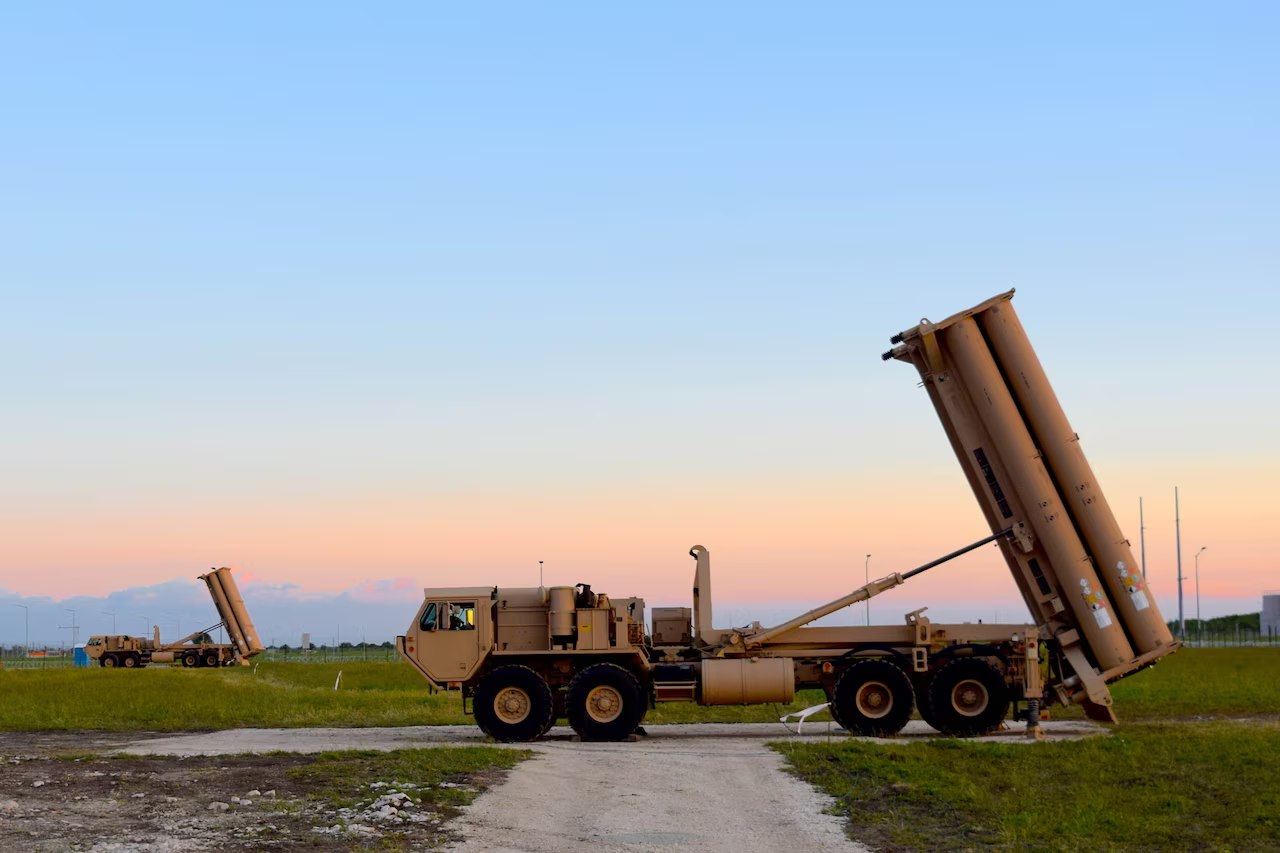
The Terminal High Altitude Area Defense system. (Lockheed Martin)

The new THAAD contract aims to close that gap by speeding up deliveries and ensuring that U.S. missile defense networks remain ready for any scenario, from the Middle East to the Western Pacific.

What makes this contract unique isn’t just its massive price tag—it’s also one of the first major projects under the Pentagon’s new Acquisition Transformation Strategy, a sweeping reform meant to fast-track weapons development and break through bureaucratic gridlock. Translation: the War Department wants results, and it wants them fast.

“This new approach propels our efforts to strengthen the defense industrial base, expand production and deliver capabilities to the American warfighter at unprecedented speed and scale,” said Tim Cahill, president of Lockheed Martin Missiles and Fire Control.

The message from industry and government alike is clear—America’s war machine is back in business.

To make the expanded production possible, Lockheed has already broken ground on new facilities across the South. Earlier this year, the company began construction on a Munitions Production Center in Troy, Alabama, and a Munitions Acceleration Center in Camden, Arkansas.

Both sites are part of a broader $9 million long-term investment program running through 2030, aimed at modernizing the domestic weapons manufacturing base.

THAAD Stays Put in Korea as Pentagon Pushes Back on Withdrawal Rumors
U.S. Terminal High Altitude Area Defense missile launchers point skyward at Naval Support Facility Deveselu, Romania, Sept. 1, 2019.

The sprawling production effort will span facilities in Dallas, Texas; Sunnyvale, California; Troy, Alabama; and Camden, Arkansas.

Lockheed will deliver THAAD missile rounds under fixed-price contracts, ensuring taxpayers have cost certainty while giving the company incentives to meet or exceed production schedules. Work will take place from 2026 through 2032, according to the Pentagon’s announcement.

At the time of award, over $842 million in fiscal year 2026 procurement funds were already obligated, signaling that this isn’t a pie-in-the-sky promise—it’s happening.

For Lockheed, the deal cements its dominance in the field of missile defense manufacturing and ensures steady work for thousands of skilled American workers in critical industries.

The award also builds on a string of recent contracts. Earlier this year, Lockheed inked additional agreements with the War Department to bolster production of the PAC-3 Missile Segment Enhancement and the Precision Strike Missile (PrSM).

Both systems play key roles in U.S. force posture and rapid-strike capabilities, especially as adversaries like China and Russia pour billions into their own missile arsenals.

To America’s men and women in uniform, these contracts are more than corporate deals—they’re a signal that Washington is finally serious about rebuilding military readiness.

Army Builds New Missile Defense MOS to Merge Patriot and THAAD Expertise
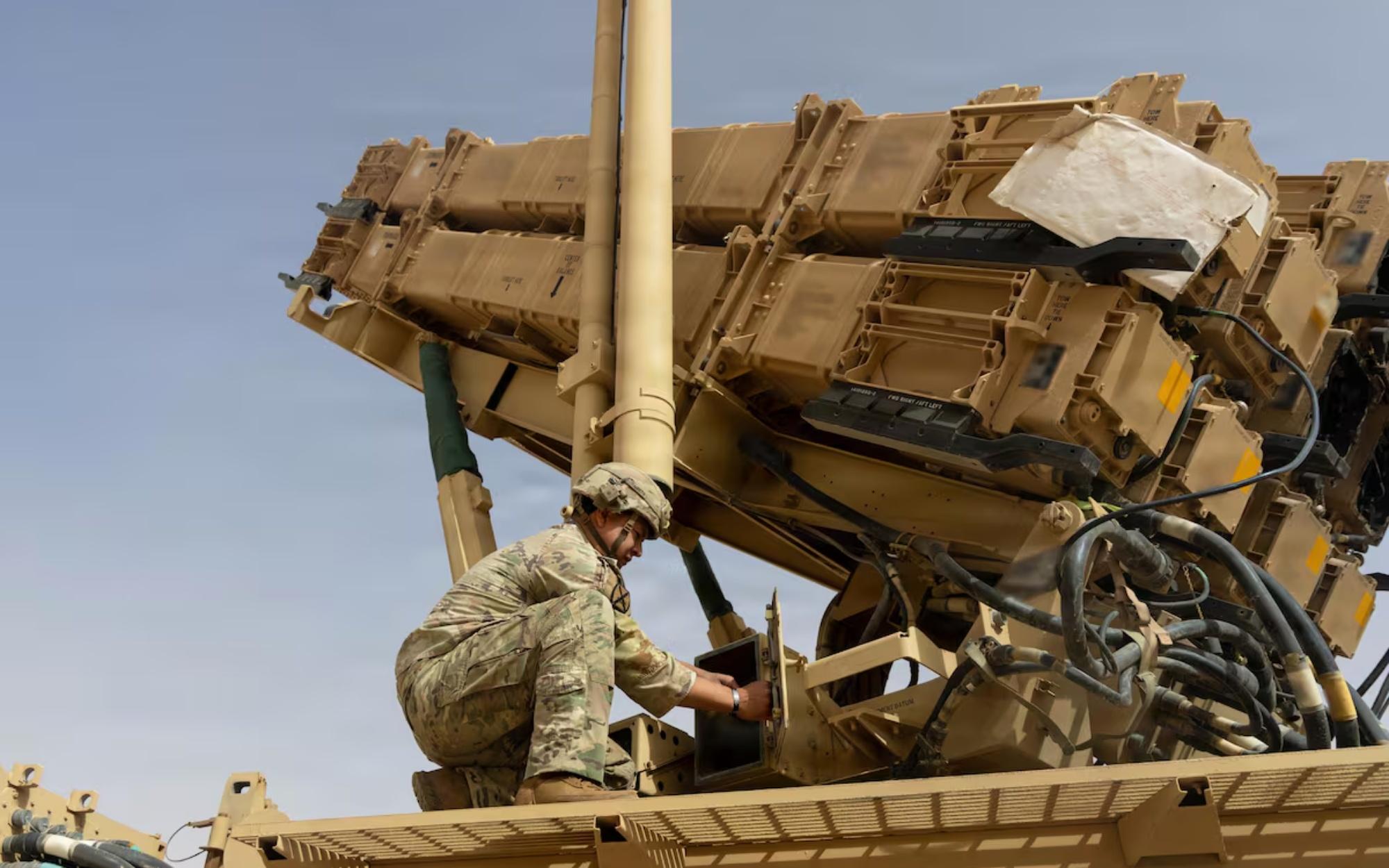
A soldier conducts maintenance on an MIM-104 Patriot missile system in the Middle East. (U.S. Army)

Years of budget politics and underinvestment left the industrial base brittle. Under new leadership and with Trump-era-style prioritization of American strength and self-reliance, the tide appears to be turning.

As Secretary of War Pete Hegseth has emphasized, restoring the capacity to outproduce America’s rivals is essential to keeping peace through strength.

This contract proves that the War Department is listening and acting decisively. With $35 billion fueling renewed production, the message is unmistakable: America’s arsenal isn’t shrinking—it’s expanding aggressively.

In a world where enemies are watching every move, ramping up THAAD production sends the right message—that the United States has both the will and the means to meet any threat head-on. The warfighter deserves nothing less.

News

Fire Erupts Aboard USS Indianapolis, Seven Sailors Hurt During Mayport Blaze

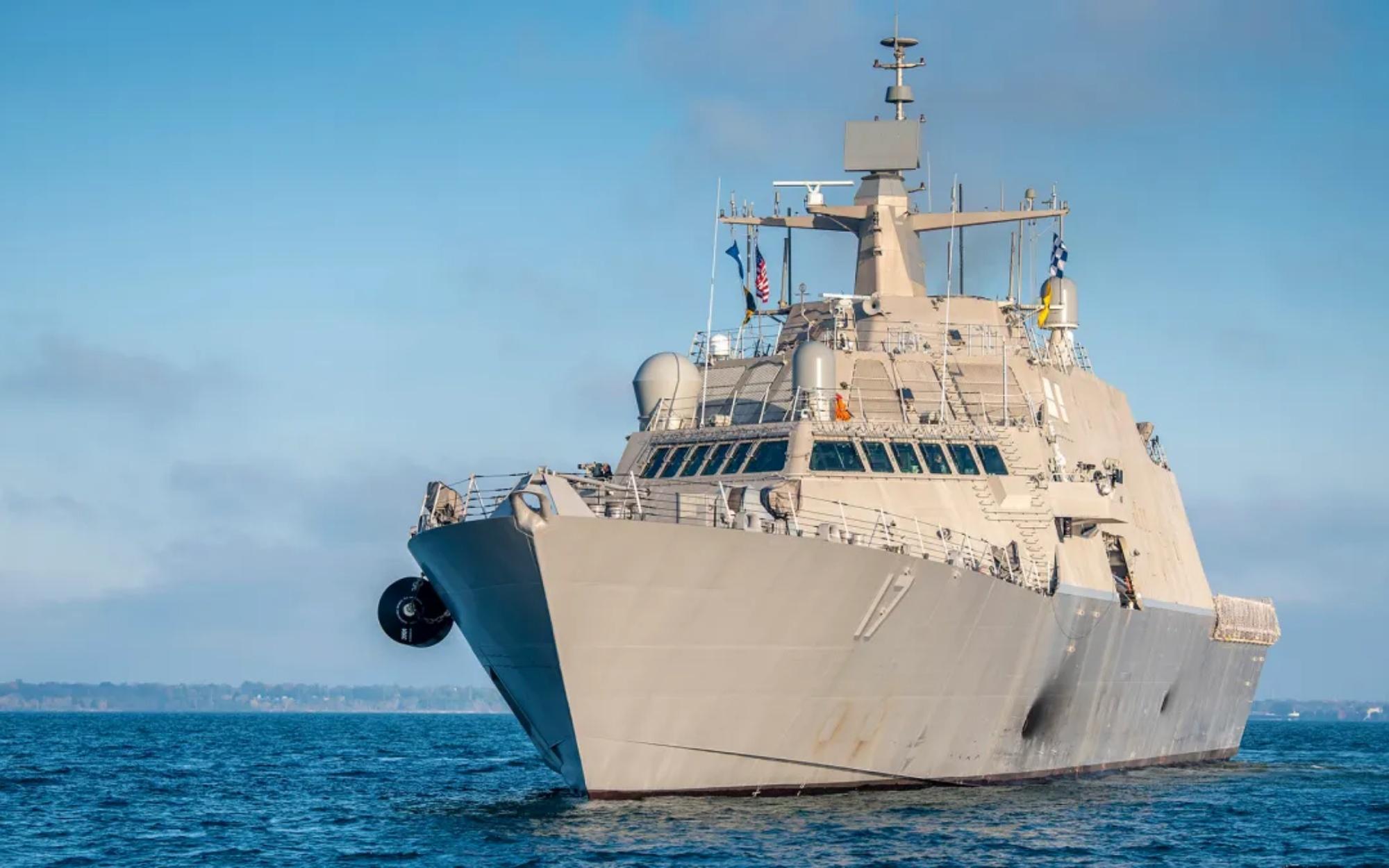
A fire broke out Wednesday morning aboard the Littoral Combat Ship USS Indianapolis while the vessel was moored at Naval Station Mayport, Florida, leaving seven sailors injured though none seriously.

avy officials confirmed that all affected personnel were treated at local hospitals and later cleared to return to duty by afternoon.

The incident began around 11:30 a.m. when smoke was reported coming from a compartment within the ship. Navy Fire and Emergency Services, along with the ship’s crew, acted immediately to contain and extinguish what was described as a “localized fire.”

Their swift response prevented wider damage, though the full scope of the impact to the ship remains under assessment.

This latest fire adds to a troubling pattern aboard U.S. Navy vessels this year. In March, the nuclear-powered aircraft carrier USS Gerald R. Ford suffered a blaze overseas in Souda Bay, Crete, resulting in one sailor’s medical evacuation.

Just months earlier, reports confirmed separate fires aboard the USS Higgins, USS Zumwalt, and USS Dwight D. Eisenhower.

The Navy’s series of onboard fires has raised questions within naval circles and defense oversight committees about maintenance cycles, crew workload, and equipment vulnerabilities.

The War Department has been working to investigate causes ranging from electrical issues to maintenance shortfalls, all while keeping surface fleet readiness at the forefront.

The USS Indianapolis, a Freedom-variant Littoral Combat Ship commissioned in 2019, represents one of the Navy’s modern designs intended for agility in littoral, near-shore operations.

As the latest vessel to bear the historic name, it continues a lineage tied to one of the most storied and tragic names in U.S. naval history—the heavy cruiser USS Indianapolis that was lost during World War II after delivering parts for the “Little Boy” atomic bomb.

That loss led to one of the Navy’s most infamous stories of survival, with hundreds of sailors lost to exposure and shark attacks after the ship was sunk in 1945.

The legacy of the name “Indianapolis” remains both a tribute and a reminder of the price sailors pay in service to America’s maritime security.

While modern Indianapolis returned from an 18-month forward deployment last November, she recently participated in a two-day force protection exercise at her homeport. Wednesday’s fire occurred while the ship was pier-side, which allowed rapid coordination between shore facilities and her crew.

Fire teams at Mayport have earned a reputation for readiness, showing once again why constant training matters.

Every sailor aboard responded according to protocol, a testament to the effectiveness of the Navy’s long-standing emphasis on damage control readiness—a skill forged through hard lessons from past shipboard disasters.

Still, repeated fire incidents aboard naval vessels present a concern. With the Navy balancing an aging fleet, experimental ship classes, and expanding operational demands worldwide, many veterans are urging a return to aggressive shipyard overhauls and tighter maintenance checks before crews set sail again.

Analysts note that quick-response actions like those taken aboard the Indianapolis showcase the professionalism of American sailors.

However, they also caution that repeated lapses, even minor ones, create openings for potentially catastrophic failures under combat conditions.

President Trump’s call for a restored “peace through strength” Navy and War Secretary Pete Hegseth’s push for tougher oversight of fleet preparedness echo this sentiment across defense circles.

The fire investigation will now determine what ignited the blaze, whether mechanical, electrical, or human error contributed, and what safety measures can prevent future outbreaks.

The Navy’s internal safety command will review every step, from detection to response timing, while damage control training across the fleet will likely tighten further.

At a time when America faces renewed maritime competition from China and Russia, ensuring every vessel remains fight-ready is more than bureaucratic talk—it’s national defense.

The sailors aboard USS Indianapolis proved their grit and composure when it mattered, delivering once more the clear message that American warfighters, from the decks of destroyers to littoral combat ships, remain ready to respond when duty calls.


Scroll to Top