
The Navy is preparing to tear into some of its aging barracks, and that means thousands of junior sailors may soon need a temporary place to sleep while the work gets done.
Private companies are being asked to pitch ideas for so called swing housing, so sailors are “not displaced into subpar accommodations during the transition.”
Among the options floated in a federal contracting notice are modular homes, trailers, RVs, worker style temporary camps, commercial apartments, extended stay hotels, and even houseboats.
It is the kind of menu that sounds strange at first glance, but the Navy is facing a basic reality that Washington often manages to complicate.
If entire barracks have to be emptied for deep renovation, sailors still need beds that are safe, legal, and livable.
“This initiative will support a major nationwide effort to renovate and modernize barracks at naval bases across the country,” Navy Installation Command officials said in a release Monday.
“To safely conduct the deep renovations needed to modernize aging facilities, entire barracks must be vacated.”
A Navy Request for Information posted Friday to SAM.gov asks contractors to offer ways to “rapidly provide safe, habitable, code-compliant temporary accommodations” while “modernization, recapitalization, and commercialization efforts are underway.”
That request makes clear the Navy is looking beyond the normal government playbook. Commercial apartment leases and hotel style lodging are also on the table, similar to a recent National Guard move to lease corporate rentals for thousands of troops mobilized to Washington, D.C.
The push follows a 2025 announcement from Navy Installation Command outlining a $375 million plan to upgrade the large barracks buildings where many single junior enlisted sailors live.
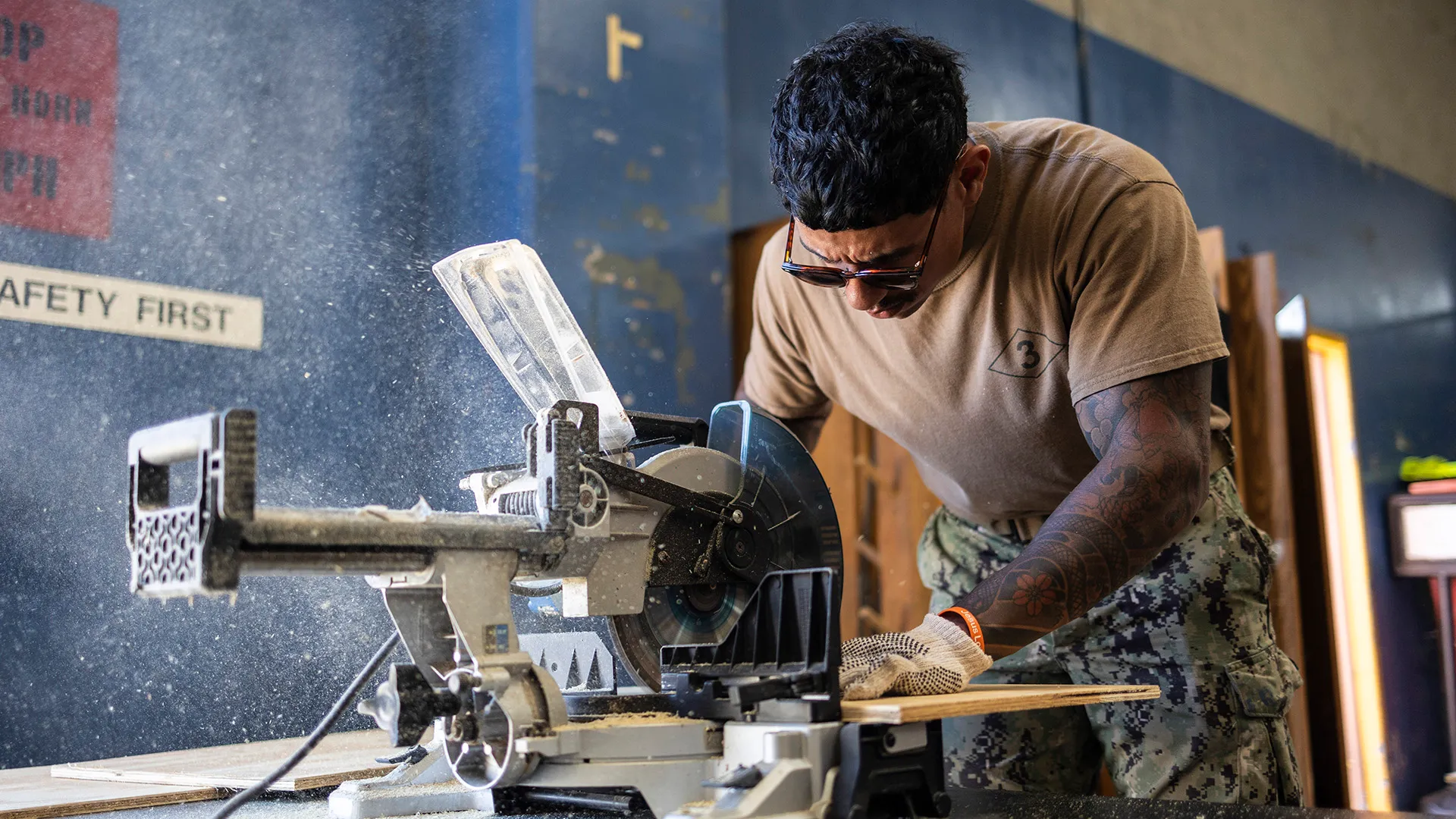
The Navy refers to those facilities as “unaccompanied housing,” which is bureaucratic speak for where young troops go after standing watch, turning wrenches, and doing the daily work of keeping the fleet moving.
Of that funding, about $300 million is aimed at major building systems, including HVAC, plumbing, and electrical upgrades.
Another $75 million is slated for new furniture, kitchens, and floors, which is not exactly luxury living, but it is the kind of basic investment sailors should not have to beg for.
The broader military housing problem has gained more attention over the last year, with the Department of War moving to spend more on barracks across the force.
Under Secretary of War Pete Hegseth, a barracks task force established in 2025 identified problems that had been allowed to fester for too long, because apparently it takes a task force to confirm that mold, broken air conditioning, bad plumbing, and worn out rooms are not great for morale.
According to the Navy request, the service expects a shortage of nearly 4,200 beds as sailors are shifted out of permanent housing during construction.
That figure could surge to as many as 6,100 beds depending on project timing and local conditions.
The shortfalls are expected to hit major fleet concentration areas, including Naval Station Norfolk in Virginia, Joint Base Pearl Harbor Hickam in Hawaii, and several Navy installations near San Diego and elsewhere in California. Those are not minor outposts, but central hubs for the force that keeps American sea power present around the world.
The Navy also expects recruitment increases to create a need for roughly 5,000 temporary beds at training bases while renovations are underway.

Those locations include Naval Station Great Lakes in Illinois, Naval Air Station Pensacola in Florida, Naval Air Station Meridian in Mississippi, and Naval Support Activity Panama City in Florida.
The houseboat idea will get the laughs, and maybe it should, because sailors living on floating temporary housing while their barracks are rebuilt is almost too Navy to parody.
Still, the larger issue is serious: the service needs to renovate worn out facilities without dumping junior personnel into worse conditions.
For years, barracks problems across the military have served as a warning light on the dashboard.
America can fund advanced ships, aircraft, missiles, and intelligence systems, but if the young men and women operating that machinery are sent back to crumbling rooms, leadership has missed something obvious.
Now the Navy is trying to do two things at once: repair the neglected infrastructure and keep sailors housed during the mess.
That means private industry may get a bigger role, whether through modular units, leased apartments, extended stay hotels, RVs, or whatever other practical option can survive inspection and deliver beds fast.
The good news is that the Navy is finally moving on the problem with real money and a nationwide plan.
The test will be whether the temporary fix stays temporary, the renovations happen on schedule, and sailors end up in better barracks instead of another government promise that drifts out to sea.
