
As fighting with Iran roared back in early July, the U.S. Air Force moved additional fighter aircraft into the Middle East, sending a clear message that American airpower was not planning to tiptoe around Tehran’s air defenses.
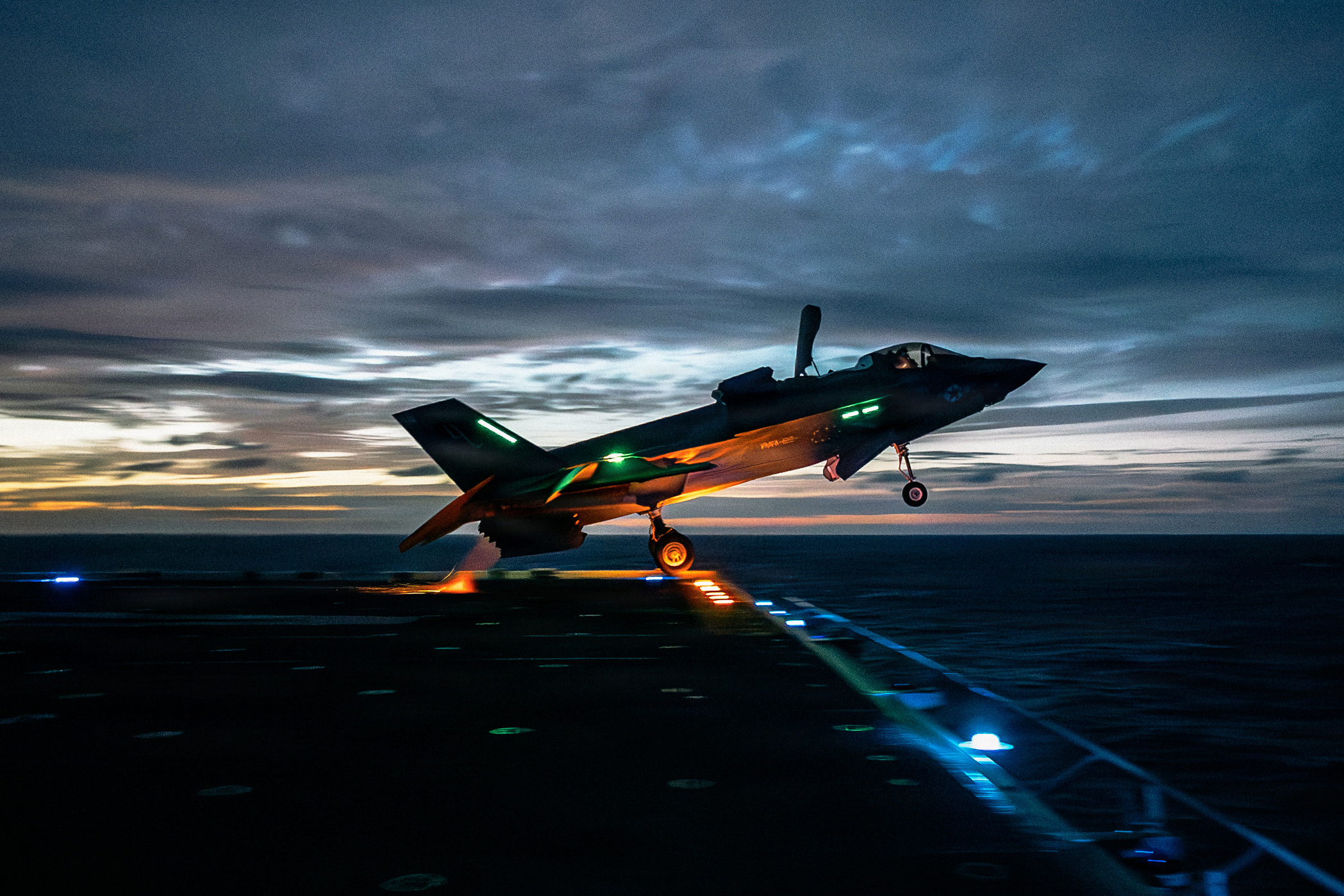
The aircraft included F-16s and F-35s from bases in Germany and the United Kingdom, platforms that can perform a range of missions but are especially valuable when the skies are filled with enemy radar, missiles, and the usual Russian and Chinese built hardware Iran likes to parade around.
These missions are known as SEAD, or suppression of enemy air defenses, and they are also famously called ‘Wild Weasel’ missions. In today’s Middle East fight, they are not a side act, because clearing the skies is what allows the rest of the air campaign to hit hard and keep moving.
Air & Space Forces Magazine reported that the deployed aircraft include F 16s from the 480th Fighter Squadron at Spangdahlem Air Base in Germany, along with F 35s from the 48th Fighter Wing at RAF Lakenheath in the United Kingdom. The Spangdahlem F-16s are especially important because some specialize in hunting and suppressing enemy air defense systems.
Some of those aircraft had only recently returned to Europe after fighting with Iran paused. But as usual, the pause did not mean the problem had gone away, because Iran’s regime used the breathing room to keep its air defenses dangerous.
Iranian systems have already threatened American and Israeli aircraft. During the first week of the war, several Israeli drones were shot down, and in March, an American F-35 was damaged badly enough that it had to make an emergency landing.
The danger has not come only from large radar guided systems. Small ground fire and shoulder fired missiles have also been a problem, including the April 3 incident when a shoulder fired missile brought down an F-15E and triggered a major combat search and rescue effort to recover both crewmembers.
An A-10 Thunderbolt II was also shot down during that operation, proving once again that old assumptions about permissive skies can get very expensive very quickly. That is exactly why Wild Weasel missions matter, because brave pilots and expensive aircraft should not be flying into a missile trap without someone kicking the door down first.
Retired Air Force Gen. Phil Breedlove said that the United States has air units whose main job is suppressing enemy air defenses. He said America is “probably the only nation in the world that truly has these dedicated and highly capable SEAD assets.”
Breedlove, who led U.S. European Command and served as Supreme Allied Commander Europe of NATO Allied Command Operations from 2013 to 2016, said U.S. forces first achieved local air superiority and then complete air superiority in the opening days of the war. That is not luck, and it is not the product of Pentagon PowerPoint fantasies, but of doctrine, training, aircraft, weapons, and pilots who know their job.
He also compared American performance with Russia’s ugly record in Ukraine. Russian aircraft have failed to win air superiority, suffered losses, and kept some of their newest fighters away from the fight because Moscow apparently prefers propaganda videos to smoking wreckage.
The Wild Weasel concept goes back to Vietnam, when American fighter crews deliberately flew into danger to provoke enemy surface to air missile sites into revealing themselves. Once those radars lit up, the crews would evade incoming fire and strike the launchers.
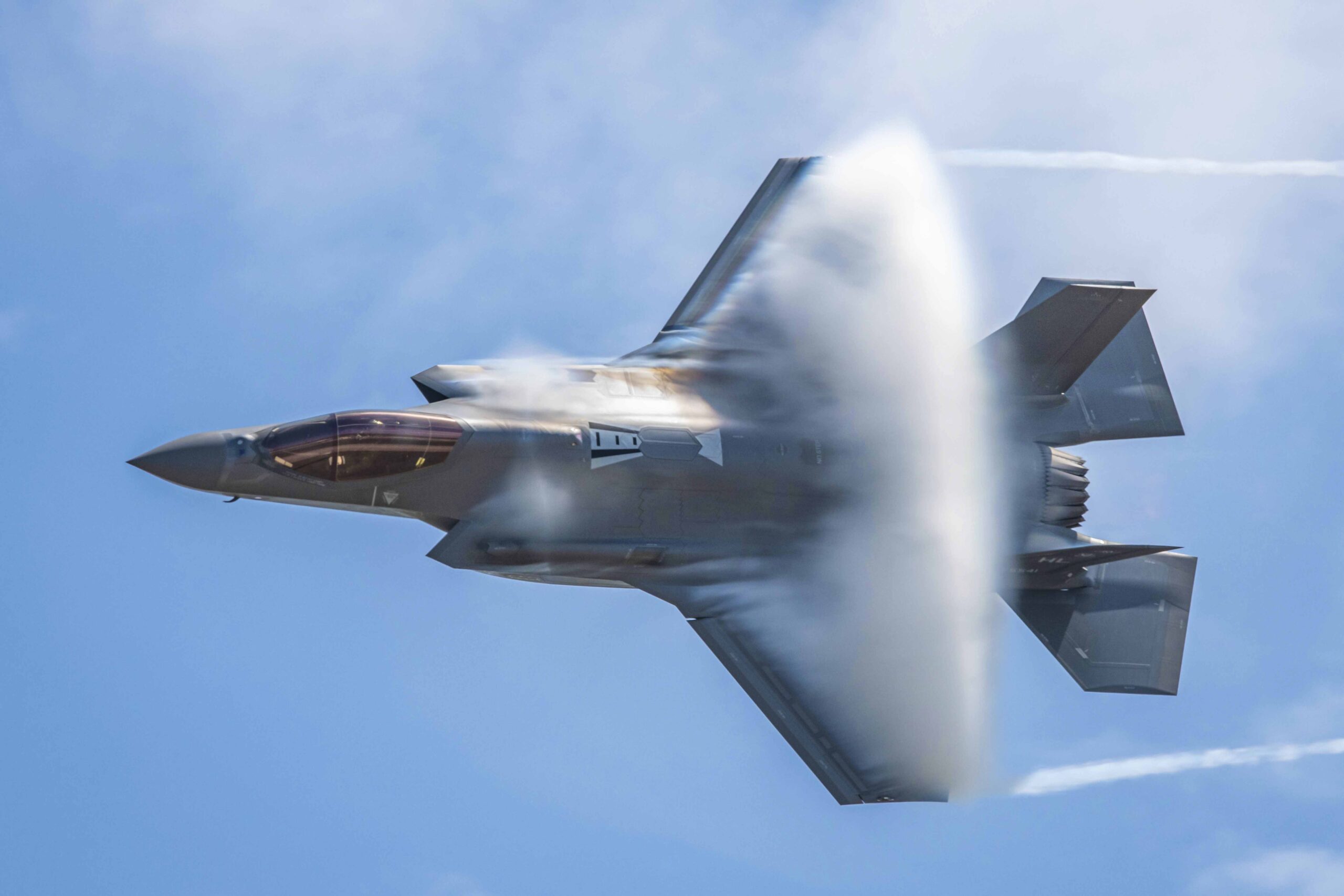
That brutal mission has evolved dramatically. Modern aircraft such as the F-16 can carry anti radiation AGM 88 HARM missiles, while electronic warfare, cyber tools, and advanced intelligence systems help identify and disrupt enemy air defenses before they can kill American crews.
Those tools have been used in recent operations against Iran and during January’s raid in Venezuela. They also played a major role during Operation Rough Rider, the spring 2025 campaign against Houthi militants in Yemen.
During that campaign, F-16s from the 480th Expeditionary Fighter Squadron faced heavy air defense coverage around Sana’a. Their job included escorting American bombers and flying low to destroy surface to air missile sites, which is the kind of work that separates actual warfighting from think tank chatter.
Pilots from the squadron earned several awards, including two Silver Stars and a Distinguished Flying Cross, for SEAD sorties in which they dodged multiple missiles. That is the Wild Weasel world, where hesitation gets people killed and aggression keeps the mission alive.
F-35s from the 34th Fighter Squadron also flew Wild Weasel missions over Yemen. Those aircraft later joined the large air armada that penetrated Iranian airspace and struck Iranian nuclear installations, with awards from the spring showing they targeted SAM sites during Operation Midnight Hammer.
Breedlove warned that Iran still has anti air capabilities and continues using Russian and Chinese systems and technology. American aircraft destroyed multiple targets, but as he put it, “nothing is static.”
“We had air superiority in Iran, we had air supremacy over the western half of the country,” Breedlove said. “But there were several down periods where they can reconstitute and rearm.”
That means Wild Weasel missions do not simply stop because a few missile batteries are turned into scrap. Breedlove said SEAD is not a “one-and-done thing,” and the latest deployments show Washington understands that keeping control of the skies requires constant pressure.
