
The Pentagon has temporarily withdrawn newly published clinical guidance supporting mandatory testosterone deficiency screening for American service members aged 30 and older.
The sudden reversal came only one day after the policy documents appeared online, creating fresh questions about when the program will formally begin.
A United States official told Reuters on Thursday that the guidance was being pulled so officials could revise the document.
The underlying policy has not been abandoned, however, because interim instructions remain active while the Pentagon works through the updates.
On Wednesday, officials published a document titled “Clinical Guidance for Health and Human Performance Optimization” on the Pentagon website.
An accompanying statement from Pentagon spokesperson Sean Parnell was also posted as the department outlined the readiness goals behind the new screening process.
By Thursday, both the clinical memo and Parnell’s statement had disappeared from public view. Anyone attempting to open the original links instead encountered “Page Not Found” notices on websites operated by the Pentagon and the Defense Health Agency.
“The draft (document) published on September 2, 2026, has been temporarily rescinded to allow for updates,” the official said, adding that interim guidance remains in effect.
Officials did not immediately detail what sections required changes or when an updated version would return.
The brief appearance and swift removal gave the rollout a rough start, particularly for a mandatory health initiative affecting a large portion of the force.
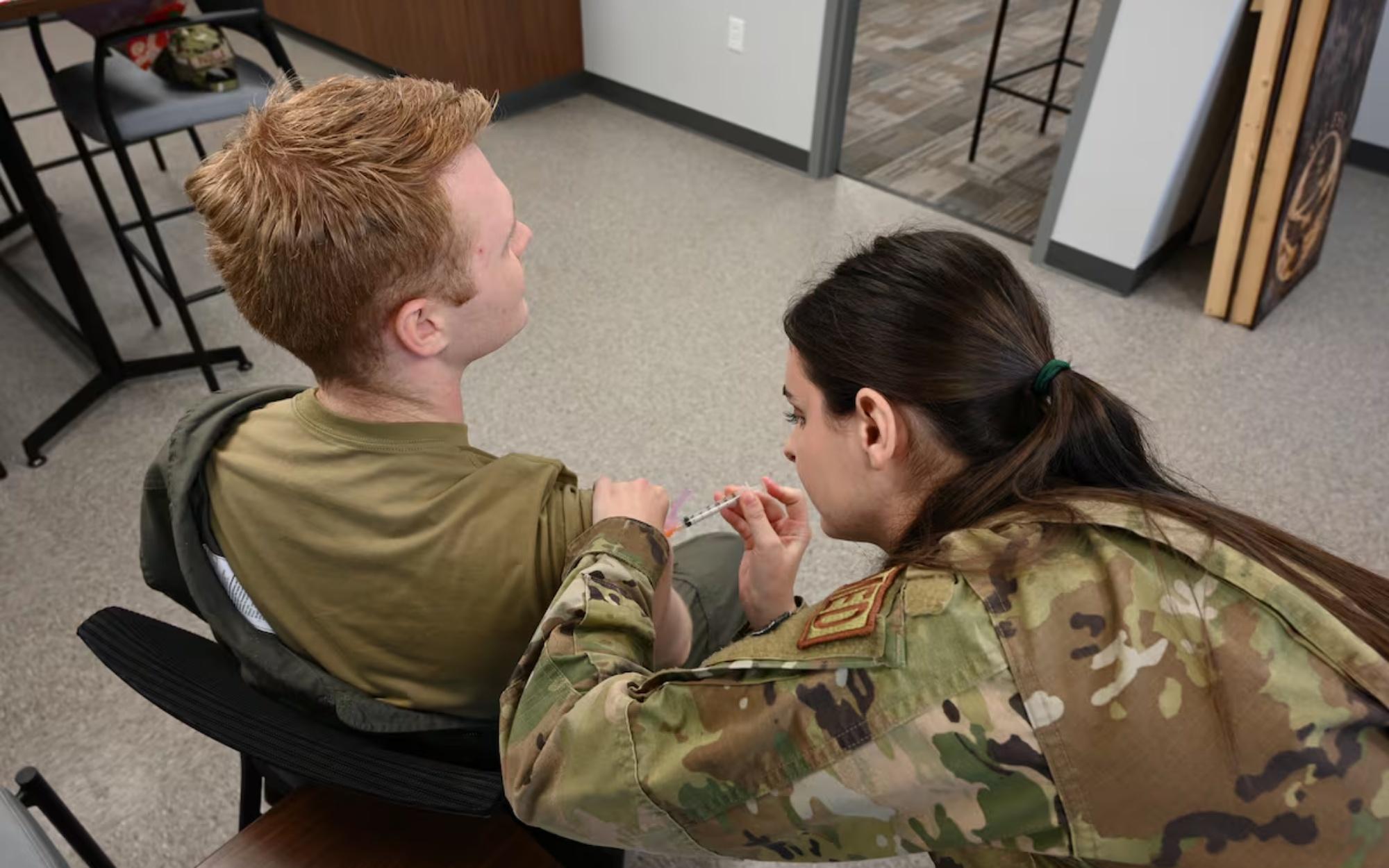
Nothing says polished bureaucracy quite like publishing major clinical instructions and yanking them from the internet the next day.
The detailed guidance had established separate screening procedures for men and women during their annual health assessments.
It focused on identifying testosterone deficiency, hormonal imbalance, and problems involving energy availability that could affect health, performance, and military readiness.
Under the withdrawn guidance, men aged 30 and older would first complete a questionnaire designed to identify possible symptoms of testosterone deficiency.
Answers indicating a potential problem could trigger blood testing to measure testosterone levels and determine whether further medical evaluation was necessary.
If testing confirmed a qualifying deficiency, affected male service members could receive testosterone hormone therapy when medically appropriate.
The process was intended to place screening inside routine annual care rather than leaving troops to recognize symptoms and independently request specialized testing.
Women would also complete a questionnaire, although their diagnostic and treatment path would differ from the process established for men.
Positive screening results could lead military clinicians to examine medical conditions associated with hormonal imbalance and recommend evidence based treatment.
The guidance said testosterone would be used for women only when evidence supports its effectiveness for a specific diagnosis.
One example identified in the document was Hypoactive Sexual Desire Disorder, which is characterized by a distressing level of low sexual interest.

Pentagon officials had said the guidance was effective immediately and designed to improve military readiness.
The broader objective was to identify hormonal and energy related conditions that could hinder physical performance, personal health, recovery, or the ability of troops to meet demanding operational requirements.
Hormonal health can directly affect strength, endurance, mood, sleep, recovery, and overall performance, making it a legitimate readiness concern rather than merely a lifestyle issue.
For a military expected to deploy quickly and operate under punishing conditions, identifying treatable medical problems early can protect both personnel and mission effectiveness.
Still, mandatory programs require clear rules, reliable clinical standards, and careful implementation across the services.
Commanders, clinicians, and service members need to know exactly who will be screened, how results will be handled, and what treatment standards will govern each case.
The Pentagon has not indicated that it intends to scrap the screening effort, and the continued use of interim guidance suggests the initiative remains on track.
The immediate issue is whether officials can revise the clinical document, republish it, and avoid another website vanishing act during the next rollout.
Until updated guidance appears, troops aged 30 and older remain in a holding pattern regarding the final mandatory screening procedures.
The readiness rationale remains intact, but the Pentagon now has to clean up the paperwork before the policy can move forward with the clarity expected of a forcewide medical program.
