‘What’s the Point of Food Stamps if It’s Just for Real Food?’: Missouri Welfare Queen
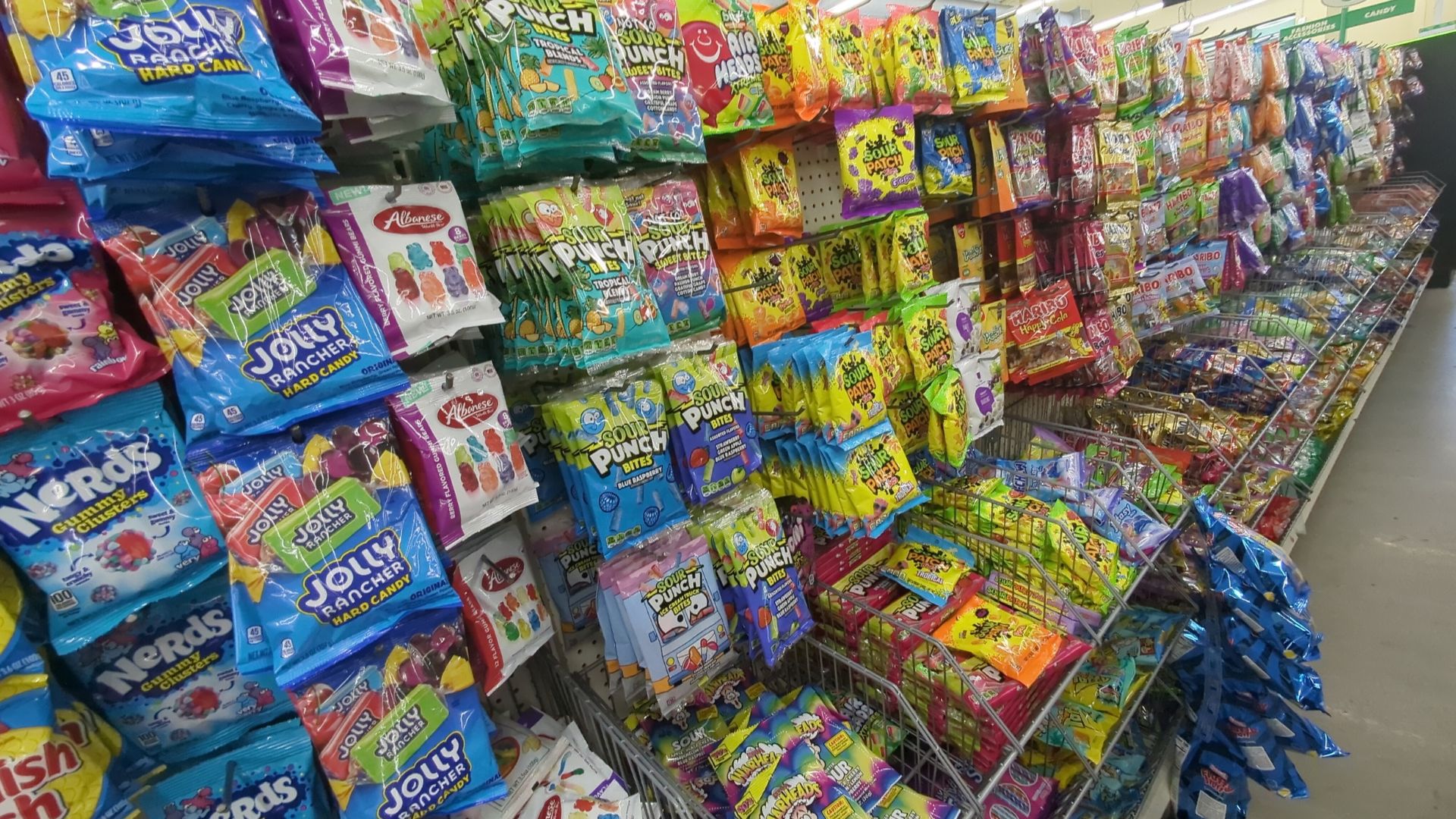
A Missouri woman receiving Supplemental Nutrition Assistance Program (SNAP) benefits criticized new restrictions on eligible food purchases after the U.S. Department of Agriculture approved waivers allowing states to prohibit the use of benefits for candy, sugary drinks, and other items beginning in 2026.
According to a report by St. Louis television station KMOV, Hannah Moore told reporter John Kipper that the forthcoming restrictions were unfair and questioned the purpose of the federal assistance program if it is limited to what she described as “real food.”
“What is the point of food stamps if it’s just for ‘real food?’” Moore asked during the interview.
Her comments followed an announcement Wednesday by Secretary of Agriculture Brooke Rollins, who said the USDA had approved waiver requests from Missouri and five other states allowing them to restrict SNAP purchases of candy, sugar-sweetened beverages, and similar items after Oct. 1, 2026.
SNAP, commonly referred to as food stamps, is administered by the Department of Agriculture in coordination with individual states.
The program is intended to supplement grocery budgets for low-income individuals and families so they can purchase “nutritious food essential to health and well-being.”
According to the USDA website, as of Tuesday, 18 states have received waivers to prohibit the use of SNAP benefits for junk food.
Moore told KMOV that she was unhappy with the changes and expressed confusion about the policy direction.
“That’s not even cool, like why they do that?” she said. She later added, “I don’t know what Trump is doing or what is going on.”
The waiver approvals come as federal officials pursue broader efforts to address diet-related health concerns.
Secretary of Health and Human Services Robert F. Kennedy Jr. has advocated removing sugary drinks, including sodas, from SNAP eligibility, according to reporting by The Wall Street Journal. Kennedy has linked the effort to rising rates of chronic disease, which affect roughly three in five Americans, as part of an initiative often referred to as the Make America Healthy Again movement, or MAHA.
Moore told KMOV she was particularly concerned about how the changes could affect families with children.
“Thank God I don’t got kids, but the people out there with kids are not going to be cool,” she said.
Moore added that she worried parents would not be able to buy snacks their children enjoy.
The SNAP program has been the subject of ongoing debate over eligibility requirements, allowable purchases, and work mandates.
During the federal government shutdown in October and November, several federal district judges ordered the Trump administration to access contingency funds to continue SNAP benefits during the funding lapse.
Those orders were overturned by the Supreme Court on Nov. 8, shortly before lawmakers reached an agreement to end the shutdown.
More recently, changes to SNAP eligibility requirements have drawn public criticism.
In a Dec. 3 news report, a woman complained about new work requirements imposed on able-bodied adults up to age 64 as a condition of maintaining SNAP eligibility.
Those requirements were enacted as part of the One Big Beautiful Bill Act, which President Donald Trump signed into law in July.
Under the law, certain adults without dependents must meet work or training requirements to continue receiving benefits.
Supporters of the changes argue the requirements encourage workforce participation and self-sufficiency, while critics say they risk removing benefits from individuals who rely on the program.
The USDA has said the waiver approvals allowing states to restrict junk food purchases are intended to give states flexibility while aligning SNAP with its stated mission of promoting nutrition and health.
States that receive waivers are not required to implement the restrictions but are permitted to do so under federal guidelines.
Missouri officials have not yet announced how the state plans to implement the waiver or what specific items will be prohibited once the changes take effect in 2026.
The USDA has indicated that implementation details will vary by state and that additional guidance will be provided closer to the effective date.
As the debate continues, SNAP remains one of the largest federal assistance programs, serving millions of people each month.