Author name: Common Defense

News

America Pulls Back Power in Europe as NATO Faces Reality Check

The Biden administration appears prepared to pull back a major chunk of U.S. air and sea muscle from Europe, according to a report in The New York Times.

The plan would sharply reduce the number of jets, warships, and surveillance aircraft the U.S. dedicates to NATO operations in the region.

Two senior European officials told the *Times* that the U.S. is preparing to cut its F-16 and F-15E fighter presence from around 150 to just 100.

Maritime reconnaissance aircraft will drop from 26 to a mere 15, and the already stretched aerial tanker fleet is reportedly being pulled out completely.

That’s eight tankers gone — the critical aircraft required to keep fighters in the sky longer.

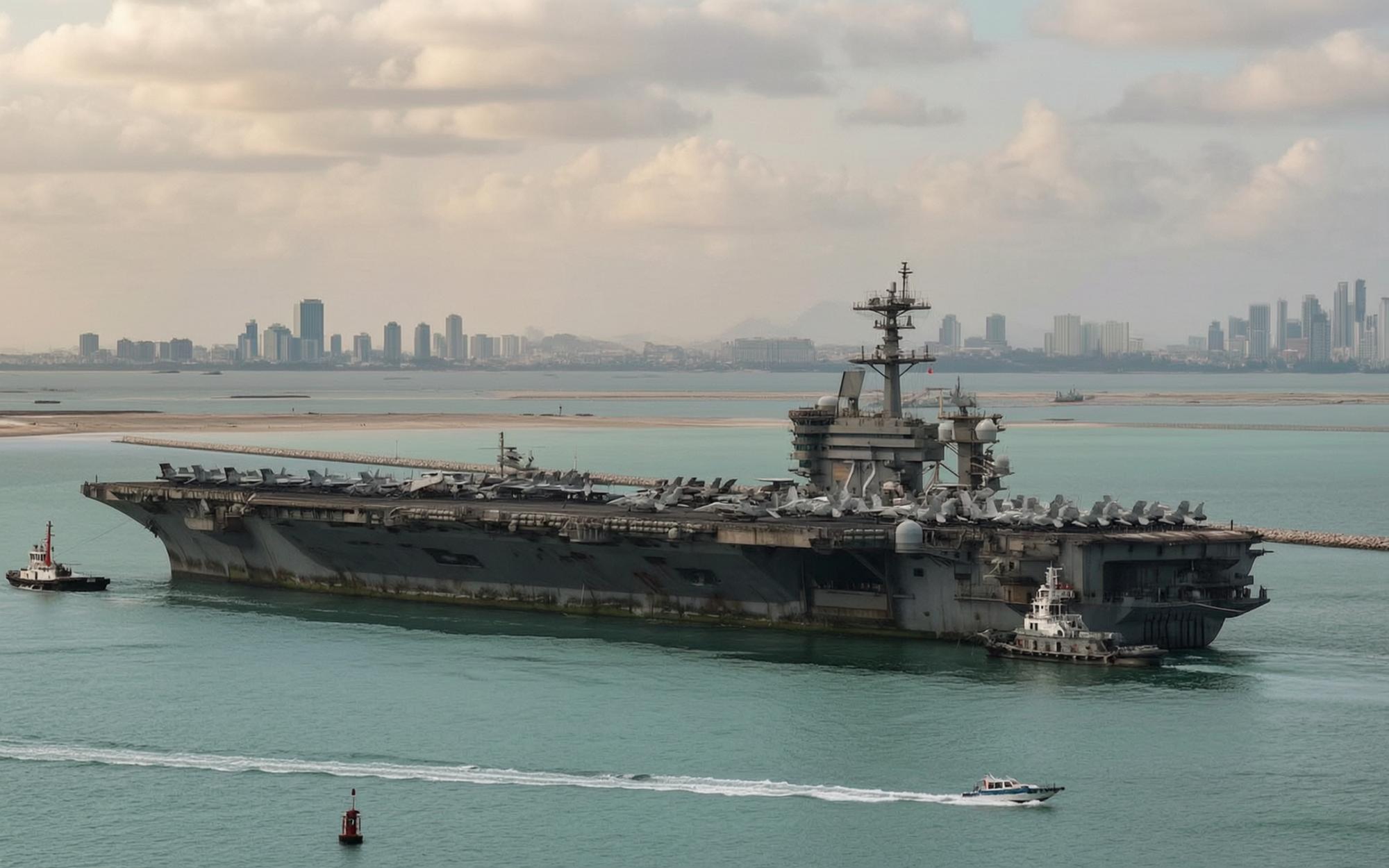
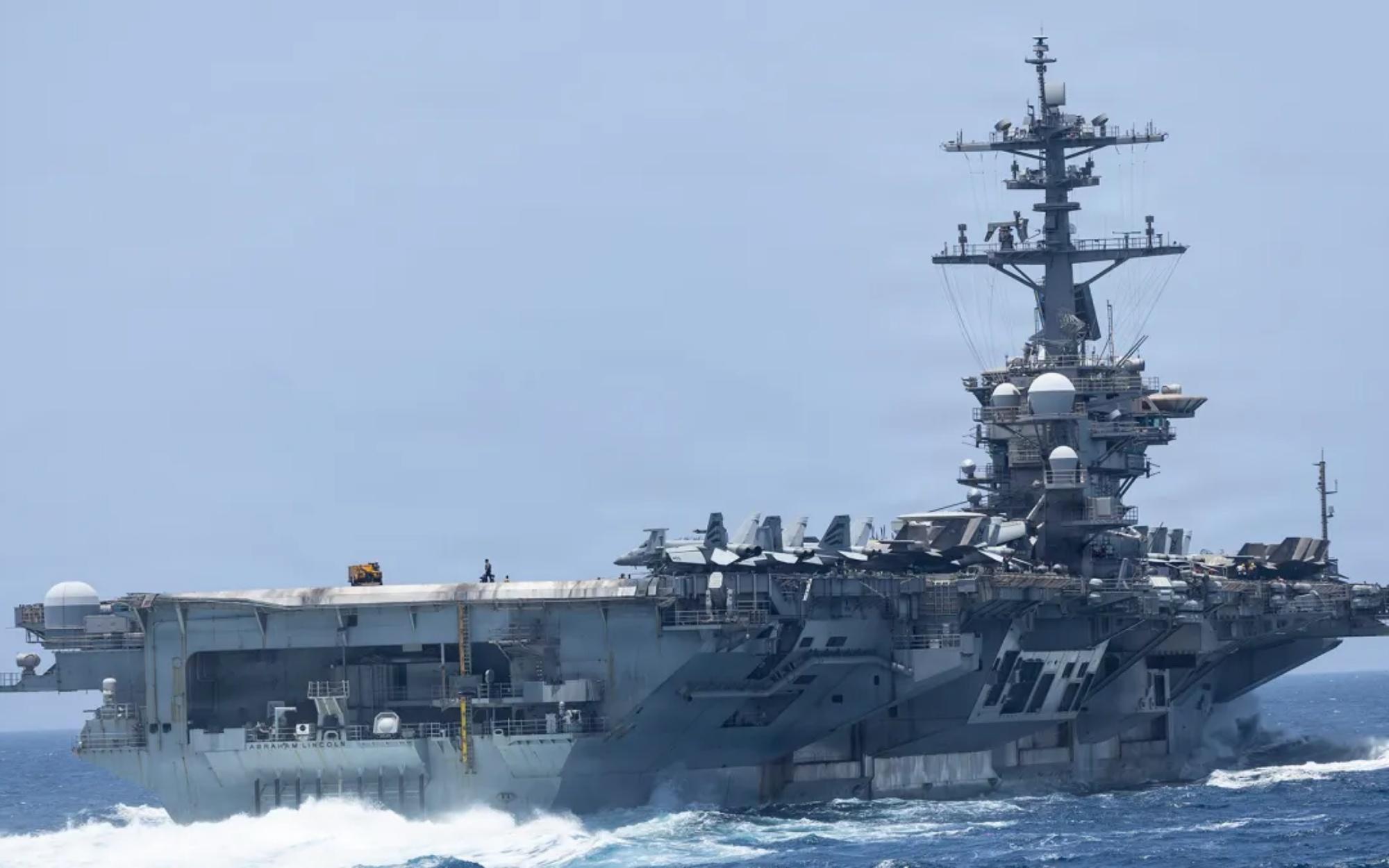
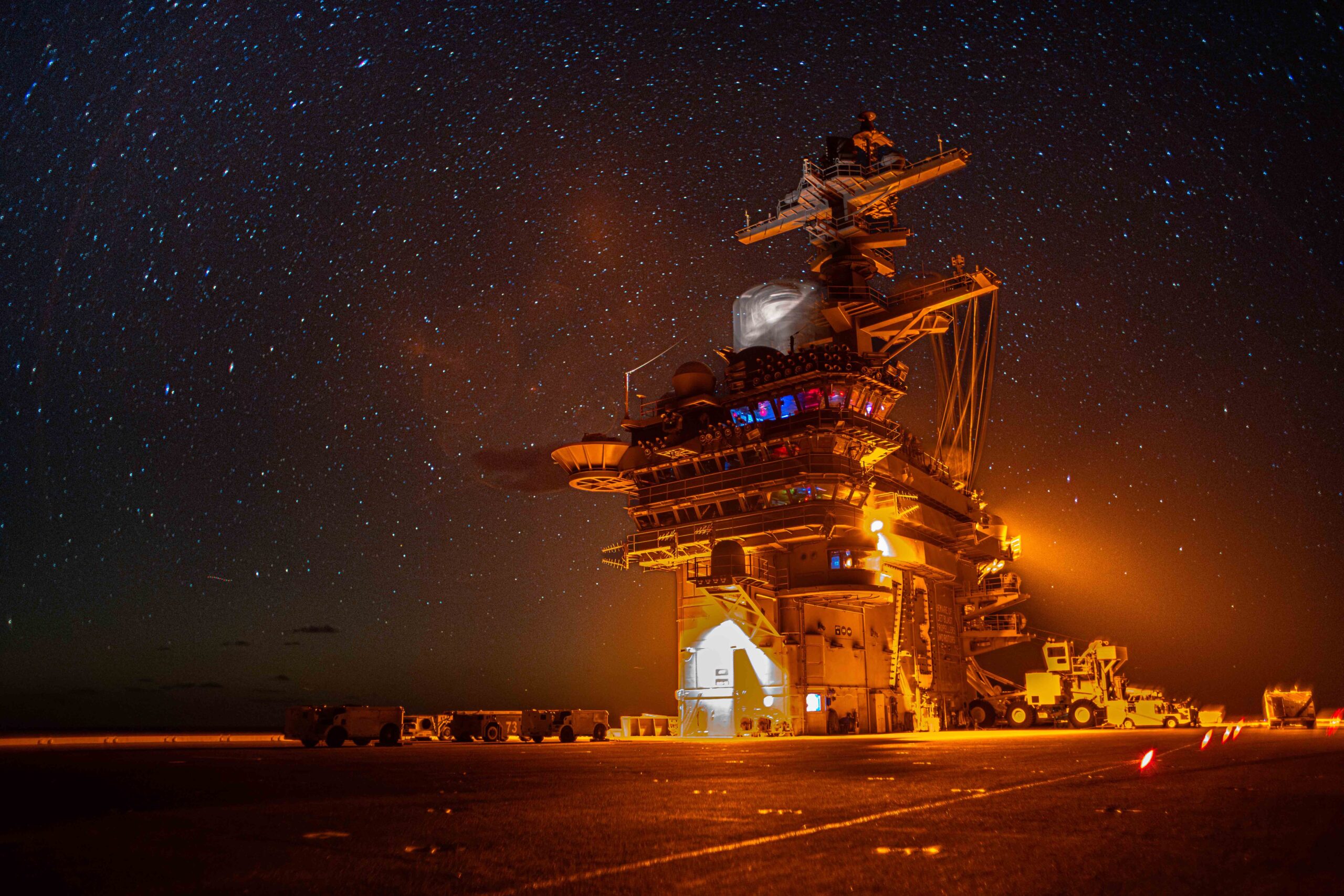
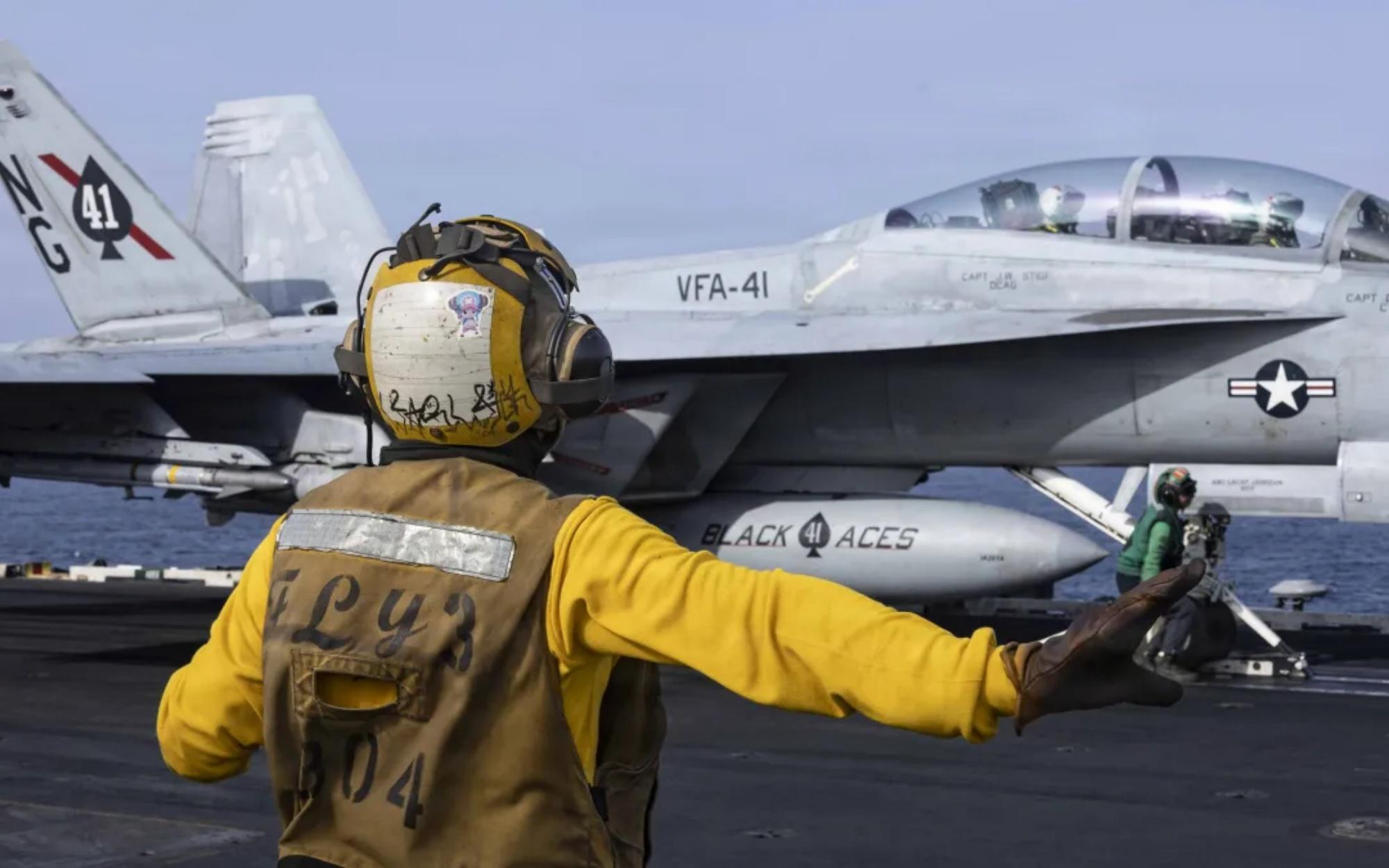
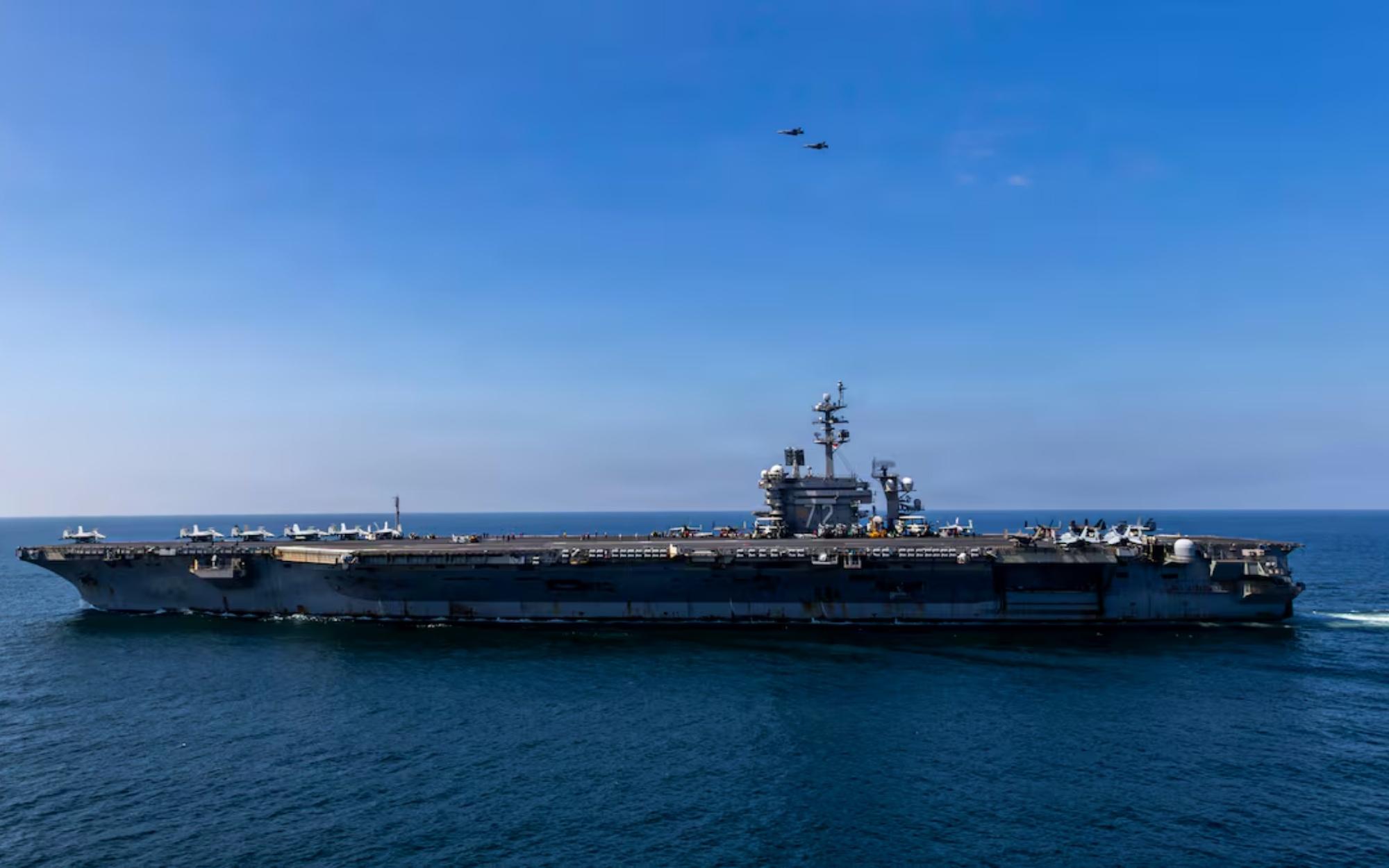
This move also includes the redeployment of a missile-launching submarine and an aircraft carrier, along with supporting warships and scores of carrier-based jets.

One of two bomber task groups previously available for Europe could also be reallocated elsewhere, further shrinking NATO’s air deterrence umbrella.

For decades, NATO has relied heavily on American might to cover its security shortcomings. Now, Washington is signaling that era may be ending. Biden’s Pentagon, or rather the War Department, is calling the move an effort to “rightsize” its contributions to the NATO Force Model.

In bureaucratic speak, that means Europe will have to finally step up.

NATO spokesperson Allison Hart tried to spin the shift as a positive, claiming it will “strengthen NATO’s defense by reducing reliance on a single ally.” She added that as Europe and Canada increase defense spending, the alliance’s “balance of responsibility” can shift.

Trump Weighs Reducing U.S. Troops in Europe as NATO Tensions Grow
President Donald J. Trump and Defense Secretary Pete Hegseth participate in a press conference during the 2025 NATO Summit at the World Forum in The Hague, Netherlands, June 25, 2025.

Spoken like someone who knows what’s coming — a massive security vacuum if the U.S. walks away.

European nations will no doubt talk tough. But history shows many of them prefer meetings and press conferences over manufacturing missiles or maintaining fighter fleets.

When push comes to shove, it’s the United States that provides the aircraft, the intelligence networks, and the naval firepower to make NATO mean something more than just a logo in Brussels.

The timing of this pullback isn’t accidental. Just last year, the War Department revealed that the U.S. would “scale back” the assets it would make available in a NATO crisis scenario. Translation: the freebies are drying up.

This shift echoes a familiar Trump administration message — allies need to pay their fair share and rebuild their militaries before expecting endless American protection.

Trump Reviews Troop Levels in Europe as Germany Footprint Remains a Cornerstone
U.S. Soldiers assigned to 1st Squadron, 2nd Cavalry Regiment (1/2CR) exchange patches with German soldiers during a Schuetzenschnur (German weapons proficiency test) event with the German partner unit of 1/2CR, the Panzergrenadierbataillon 112, at Regen, Germany, Sept. 29, 2022. 1/2CR provided an opportunity for exemplary Soldiers to earn a foreign award and to build camaraderie with German Army counterparts in order to strengthen NATO and multinational partnerships. (U.S. Army photo by Markus Rauchenberger)

President Trump hammered NATO allies for years about slacking off on defense spending. He called out Europe for freeloading under the U.S. security umbrella while funneling taxpayer money into socialist welfare programs instead of soldier salaries and weapons.

The Trump White House was clear — 3.5% of GDP should be the minimum for true partnership in keeping the free world safe.

By contrast, the Biden team seems to be parachuting out of Europe’s defense role under the guise of “balance.” Yet Washington’s retreat from European deployments also plays neatly into Trump’s original strategic vision: force NATO to grow up, or risk standing on its own.

After decades of American taxpayers footing the bill, maybe the White House finally sees that the generosity card has expired.

The upcoming realignment will cause significant heartburn in European capitals, especially in Germany, where expectations of automatic U.S. rescue have become a habit.

Poland and the Baltic states have reason to worry too, given the ongoing threats from Moscow. The U.S. pullout raises one unsettling question: who fills the void when the American fighter jets, bombers, and ships stop showing up?

USS Gerald R. Ford Enters the Mediterranean, Strengthening Allied Naval Presence
ATLANTIC OCEAN (Oct. 18, 2022) Sailors assigned to the first-in-class aircraft carrier USS Gerald R. Ford (CVN 78) prepare for flight operations while transiting through a storm, Oct. 18, 2022. The Gerald R. Ford Carrier Strike Group is deployed in the Atlantic Ocean, conducting training and operations alongside NATO allies and partners to enhance integration for future operations and demonstrate the U.S. NavyÕs commitment to a peaceful, stable and conflict-free Atlantic region. (U.S. Navy photo illustration by Mass Communication Specialist 2nd Class Nolan Pennington)

NATO will tell its members to “invest more.” Easier said than done. Europe’s manufacturing base has been tied up in climate policies, not military arsenals.

The continent’s woke leadership has spent years chasing symbolic victories on social equity while ignoring hard power realities. Without U.S. command, their coordination and interoperability could become tangled messes overnight.

From a strategic standpoint, the shift will also likely redirect American assets toward the Pacific, where China’s ambitions grow bolder by the day.

Redeploying submarines, carriers, and bombers to the Indo-Pacific hints that the War Department is shifting focus — from propping up NATO to confronting Beijing’s military buildup.

The irony: Biden may end up doing exactly what Trump called for, albeit under less decisive circumstances. NATO’s dependency has been an open secret, and Washington’s patience wore thin long ago.

Whether intentional or forced, pulling back U.S. hardware from Europe might finally jolt the alliance into the reality that the American military is not an all-you-can-eat buffet.

Trump Warns NATO Expansion Risks Fracturing the West
First Council meeting in new Room 1 conference chamber with Allied Ambassadors

If Europe wants a credible defense posture, it’s going to need more than conferences and communiqués. It’s going to need warships, jets, and the will to fight — something no bureaucrat in Brussels can conjure on paper.

One thing is clear: the days of endless American cover are drawing to a close, and NATO’s next chapter may be written without the comfort of guaranteed U.S. air power overhead.

News

Army’s Billion-Dollar Blunder: 10,000 Combat Headsets Headed for Storage, Not Soldiers

The Army has stumbled into another high-priced embarrassment after sinking more than a billion taxpayer dollars into futuristic augmented-reality headsets that reportedly won’t see any real combat use.

The so-called Integrated Visual Augmentation System, or IVAS, was meant to revolutionize battlefield awareness. Instead, it’s heading straight to the warehouse—10,000 units strong.

The Government Accountability Office slammed the program in a recent report, pointing out that the costly endeavor “has yet to deliver operational capability” after years of mismanagement and repeated design failures.

Despite grand promises of a “digital combat edge,” the only thing soldiers are getting is another reminder of how bureaucratic waste inside the War Department burns through public funds like there’s no tomorrow.

According to the GAO, IVAS—developed under a $22 billion deal with Microsoft—has fallen far short of meeting soldiers’ needs. Troops who tested the headsets complained of headaches, eye strain, motion sickness, and even reduced efficiency on the firing range.

Soldiers said they actually hit fewer targets using the headset than with their standard-issue gear. So much for “enhanced situational awareness.”

Army officials conceded that operational reliability was “not acceptable.” Yet, instead of halting procurement before the billions disappeared, the brass waited until after tens of thousands of units were purchased before pulling the plug.

Now, nearly 10,000 of those headsets will sit unused, collecting dust in storage. A few might be used for testing or training, but the combat field won’t be seeing them anytime soon.

Ellen Lovett, an Army spokesperson, tried to spin the failure by claiming the service is pivoting toward something new. She said the Army has “developed and received over 400 IVAS 1.2 prototypes,” but those too proved unaffordable to produce in large numbers.

The Army is now rebranding the entire concept as the Soldier Borne Mission Command System—essentially a do-over dressed up as innovation.

Lovett claimed that some of the IVAS prototypes are being used as surrogates in ongoing border missions, saying they’ve been spotted during patrols alongside Border Patrol agents.

That brief appearance at least gave the Army a faint justification for the billions spent. But the reality remains: 10,000 systems, at a total program cost of nearly $1.8 billion, will see no meaningful use.

The GAO revealed that the program’s foundation was flawed from the beginning. Launched with ambitious goals in 2018, it was rushed through the acquisition process to meet a grand vision of battlefield “mixed reality.” Testing delays, unstable requirements, and rapidly changing technology turned that vision into a costly nightmare.

Carmen Malone, assistant inspector general for acquisition programs, told Congress that rushing immature technologies led directly to costly redesigns and greater delays.

“When requirements are unstable or overly ambitious, programs pursue systems they are not ready to build,” she said. That’s Washington-speak for “we wasted billions on a gadget no one asked for.”

The first major warning came in 2022 when soldiers testing the headsets during war games revealed how poorly they performed in the field. The Pentagon’s own inspector general flagged that key user criteria weren’t even defined.

In other words, the War Department bought 10,000 units of a system without deciding what success even looked like.

Still, instead of demanding accountability or returning to fundamentals, the bureaucracy doubled down. That’s a familiar theme in the capital’s military-industrial complex—big tech promises world-changing tools, Washington writes the check, and troops get stuck testing half-baked prototypes in real-world situations.

Now, the Army says it’s “moving fast” toward developing another new system with Anduril Industries. That next project, dubbed the Soldier Borne Mission Command, is supposed to take the lessons learned from the IVAS flop and turn them into something usable.

Anduril’s own “EagleEye” headset concept puts the battery in the chest plate to reduce neck strain—a fix that feels like closing the stable door after the horse bolted.

The GAO’s broader assessment torched more than just the IVAS debacle. The watchdog warned that major DoW programs now take an average of over 12 years just to deliver an initial capability. For anyone wondering why U.S. troops often make do with outdated equipment while politicians tout the next “revolutionary” system, there’s your answer.

This fiasco proves again that America’s warfighters don’t need Silicon Valley pipe dreams. They need reliable equipment, steady leadership, and the kind of no-nonsense accountability that President Trump and Secretary of War Pete Hegseth have insisted on restoring.

Until that happens, taxpayers will keep footing the bill for tech toys that never make it to the front lines.

News

Toxic Command Exposed: Secret Recording Reveals ‘Mutiny’ Allegations After Marine’s Suicide at Quantico

The fallout from a young Marine’s tragic death has ripped open a festering wound inside the Corps, revealing a command culture at Quantico that some Marines are calling downright toxic.

A secret recording captured top leaders berating subordinates, dismissing mental health concerns, and branding their complaints as “mutiny” after Cpl. Drew Mobley, 22, took his own life.

Mobley, part of the Aircraft Rescue and Fire Fighting (ARFF) unit, had endured a string of injuries and allegedly cruel treatment by superiors before ending his life in April 2025.

The War Horse obtained secret audio exposing a post-suicide meeting that will make any Marine shake their head — and any leader question what happened to real command accountability.

According to recordings, First Sgt. Christopher Rushton mocked those who suggested the harsh environment contributed to Mobley’s death. He rattled off a list of sarcastic “who knows” questions about Mobley’s personal life, then sneered, “Who the fuck knows that?” His message was clear: stop blaming leadership.

Rushton, a Marine drill instructor for more than a decade, told his silent audience that Mobley’s suicide was a “personal decision” and scolded them for putting fault on the command. “Do any of y’all have a suicide note? No, you don’t,” he barked. “You don’t know what was going through his head.”

This tone-deaf, hyper-aggressive tirade took place barely three days after Mobley’s memorial. It’s the kind of “leadership by intimidation” that guts morale and obliterates trust — and it’s exactly what the Marine Corps’ own suicide prevention manual warns against.

According to Marines who spoke to The War Horse, the meeting lasted more than two hours. Rushton and Col. Scott Warman ordered Marines to leave their phones outside before reading aloud private survey comments and written statements about toxic leadership.

Their reactions were blistering, with Warman calling some Marines “selfish,” “entitled,” and “disloyal.”

One passage, where a Marine requested a review of Master Sgt. Jerry Chapman’s leadership, triggered Rushton to declare: “That sounds like mutiny. It’s a fucking mutiny.” This is how honest feedback was met — not with humility or introspection, but with threats and accusations.

Several Marines said the heavy-handed culture within ARFF had been deteriorating for years. They were understaffed, overworked, and burdened with marathon shifts that kept them from their families.

Mobley’s mother recalled her son’s long hours and his words that sounded more like resignation than motivation. “Why didn’t they just kick him out?” she asked. “Why keep doing that to him every day?”

Mobley had suffered a severe leg injury that pulled him off the flight line, the work he’d dreamed of since childhood. Instead of being supported during recovery, he was stuck with grueling dispatch shifts — an isolation chamber in uniform. Marines say the constant verbal abuse, humiliation, and lack of understanding drove him deeper into despair. His fellow Marine, Michael Snell, described the environment as “horribly preventable.”

The tragedy wasn’t new at Quantico’s Marine Corps Air Facility. Mobley’s death marked the third suicide in that small circle in under two years. Despite the heartbreaking pattern, little seemed to change. Investigations were promised, but the same leaders remained in power, the same culture continued unchecked, and the same warnings went nowhere.

When he died, Mobley left behind a mother still searching for answers and Marines left to shoulder the emotional wreckage. His friends recalled how he had worried about others more than himself, even after losing his own purpose. He was known as “Horse” around the unit – quiet, dependable, and genuine.

When Rushton and Warman lashed out after his death, it only reinforced every toxic stereotype the Corps has been trying to shake off. Their conduct seemed, at best, unprofessional and, at worst, a violation of everything Marine leadership stands for.

As one retired Marine judge advocate, Rob Bracknell, put it, “Berating Marines weeks after the third suicide in two years—that just sounds like the worst possible way to handle this.”

The new Commandant’s guidelines, ironically issued less than a week before that meeting, stress empathy, connection, and careful attention to warning signs. Instead, ARFF’s leadership resorted to public humiliation, finger-pointing, and crude mockery of psychological struggles. That isn’t strength — it’s cowardice hiding behind rank.

When asked about the internal chaos, Capt. Michael Kennedy, a Marine spokesman, gave the standard bureaucratic line: the “incident is currently under investigation.” Translation: another burial of responsibility under red tape and silence. Few Marines expect anything meaningful to come from it.

Americans expect their military leaders to embody courage and integrity both in battle and in barracks. What took place in that closed room at Quantico suggests some have forgotten that leadership isn’t barking orders — it’s earning trust. The Corps can’t preach about caring for Marines while allowing an environment that breaks them from within.

If the Marine Corps wants to stop losing its warriors to despair, it must confront the leadership rot that festers in its own ranks. Real strength means accountability, not cover-ups. Mobley’s death was a tragedy. The behavior that followed was a disgrace.

News

Senate Committee Backs Bold Move to Restore ‘Department of War’ Name

The Senate Armed Services Committee voted this week to advance a landmark proposal that would officially restore the historic “Department of War” name to the nation’s premier military institution, replacing the post–World War II “Department of Defense” title.

The move, long supported by President Donald Trump and War Secretary Pete Hegseth, signals a return to plainspoken strength and unapologetic patriotism in how America defines its global role.

The measure is tucked into the committee’s version of the 2027 National Defense Authorization Act, the annual policy bill that funds our armed forces and outlines America’s military priorities.

Senator Tim Kaine, the Democrat from Virginia known for his dovish track record, proudly voted against the measure, lamenting both the name restoration and the continued funding of U.S. operations overseas.

Kaine declared the rebranding to be “juvenile,” complaining that it reflects “a President who has abandoned meaningful diplomacy.” His comments drew instant pushback from veterans and service members who understand that peace through strength is not “juvenile” but foundational to American power.

Under Trump’s leadership, Washington has begun acknowledging what the rest of the world already knows: America does not defend its freedom with kind words or weak posturing. The decision to restore the Department of War name is about transparency, history, and resolve.

Since the President’s September 2025 executive order reversing the 1947 terminology shift, many in the War Department have already adopted the new/old terminology informally.

Senator Warns Government Shutdown Looms as Democrats Balk at Trump’s Defense Budget Surge

A week before the Senate committee’s vote, their House counterparts advanced the same amendment, moving the proposal along with the 2027 NDAA. War Secretary Pete Hegseth celebrated the development, calling it “the return of American clarity.”

In his remarks on social media, Hegseth declared, “The Department of War will officially be restored soon,” reminding Americans that strength and honesty are not mutually exclusive values.

Critics are crying foul, of course, shouting about cost and optics.

A Congressional Budget Office report estimated the rebranding might cost between $10 million and $125 million—a drop in the bucket compared to the bloated billions Washington happily throws away on climate initiatives or foreign aid to hostile regimes.

Democrats like Senator Jeff Merkley trotted out the usual talking points, claiming the move is a “vanity project” that “does nothing to advance national security.”

But that’s precisely where liberals get it wrong. The name “Department of War” carries historic weight. It is a statement to friend and foe alike that the United States no longer hides behind euphemisms.

When we employ power, it is not out of timidity but with righteous force. As Trump has repeatedly pointed out, America’s adversaries respect strength, not semantics. Moscow and Beijing are not losing sleep over our internal politics—they’re measuring our resolve.

Critics like Kaine and Merkley fail to understand that messaging is strategic. The change is not “performative,” as they call it. It’s mission-driven. In a world of increasing conflict and hybrid warfare, language matters.

Pete Hegseth Stands His Ground During Fiery Senate Showdown Over Budget, Troops, and Trump's 'America First' Vision

By restoring the traditional title, the administration is reminding both Americans and the world that the United States exists to win wars, not manage decline.

Trump’s America rejects the soft rhetoric of endless diplomacy and bureaucratic handwringing. The new War Department embodies a government that confronts threats directly and doesn’t apologize for standing tall.

Pete Hegseth has become the face of that new ethos—a man unafraid to call things by their rightful name and lead with patriotism instead of politics.

Of course, inside the Beltway, the usual crowd of foreign policy theorists and think tank elites are squirming over the implications. Their discomfort is precisely the point.

For too long, Washington has concealed its intentions behind words designed to sound less threatening, as if the rest of the world didn’t notice our aircraft carriers and nuclear triad. The War Department name puts honesty front and center.

This move has unsurprisingly riled left-wing activists, whose worldview sees strength as aggression and moral clarity as dangerous.

Yet across the ranks of American troops, veterans, and patriotic citizens, the sentiment is largely the same: about time. Soldiers don’t fight in “defense paradigms”—they fight wars and they win them. The Department of War name honors that reality.

There’s no confusion in this new era of American leadership. With Trump in the White House and Hegseth at the helm of the War Department, Washington is once again projecting the type of dominance that kept America safe for generations.

This isn’t nostalgia; it’s necessity. The world’s bullies understand only one language—American power backed by conviction.

As the NDAA advances toward full approval, the restoration of the Department of War name stands as more than symbolic.

It’s a cultural reset for a military that once led with confidence, courage, and purpose. And judging from the reaction of the left, it’s hitting exactly the right targets.

News

U.S. Would Need 1,200 Troops to Take Iran’s Oil Hub, Kharg Island, Experts Warn

If President Donald Trump gives the order to seize Kharg Island, the small but strategically vital outpost off Iran’s coast, experts estimate roughly 1,200 U.S. troops would be needed to take control.

The mission could represent one of America’s most high-stakes power moves in the Persian Gulf in decades, especially as Kharg handles nearly 90 percent of Iran’s crude exports.

For now, no direct orders have been issued. But Trump’s prior statement that Kharg Island may soon be “taken” set off waves of speculation among military planners.

Although he later paused further strikes against Iran, his message was loud and clear: America’s patience with Tehran’s aggression is wearing thin.

Kharg Island, just 15 miles off Iran’s coast, is roughly eight square miles in size with around 8,000 residents. That geography poses challenges but also opportunities.

Retired Army Gen. Joseph Votel, former commander of U.S. Central Command, believes capturing the island would require a battalion to brigade-sized force—about 1,200 to 4,000 troops.

The final number would depend on mission specifics, he said, but the force must be self-sustaining and ready to repel counterattacks.

According to Votel, success would hinge not just on the landing, but on maintaining situational control amid Iranian missile and air threats.

“The specific tasks to be accomplished will actually drive the size of the force,” he noted, emphasizing the need for robust logistics, air support, and engineering elements.

Top Military Leaders Urge Expanded Amphibious Reach Marines Push for More ARG MEUs
A Marine with Force Reconnaissance Platoon, 31st MEU, during an exercise in the Philippine Sea, Feb. 4, 2026. (Lance Cpl. Victor Gurrola/U.S. Marine Corps)

Jonathan Schroden, a Marine Corps force design expert with CNA, argued that a Marine Expeditionary Unit (MEU)—roughly 1,200 Marines—could execute the seizure operation.

Amphibious assaults are core Marine capabilities, and Kharg’s size fits the MEU’s operational envelope. However, holding the island would require significantly more manpower to protect against Iran’s rapid retaliation.

“It’s worth noting that a Marine Expeditionary Unit brings with it a reinforced infantry battalion of about 1,200 Marines and amphibious seizure operations are a core capability of that unit,” Schroden said.

“Holding it might require more than that—depending on, for example, how much of a threat the 8,000 Iranian residents might pose—so some amount of follow-on forces might also be required.”

Given Iran’s missile range, any U.S. foothold on the island would be under constant threat. Schroden warned that steady exposure to air and missile attacks would require unparalleled levels of air defense support.

That could mean a mix of onboard assets, ship-based missiles, and aviation cover from the broader Marine and Navy network.

U.S. Navy Scrutinizes Ford-Class Costs as Carrier Plans Face Tight Budgets
The Gerald R. Ford-class aircraft carrier USS Gerald R. Ford, seen here in Souda Bay, Greece, cost roughly $13 billion to manufacture. (MCS3 Hannah Donahue/U.S. Navy)

A retired senior War Department official also agreed that about 1,200 troops would be necessary, likely composed of a Marine battalion landing team or a reinforced Army airborne battalion.

Taking the island, he said, would be the easy part. Holding it would demand engineers, air cover, and a rapid response capacity to suppress Iranian rocket fire.

“Taking the island would be less risky than holding it,” the official said. American troops would have to dig in, harden positions, and sustain supplies under fire if they were to hold the ground for longer than a short-term strike.

Analysts compare the challenge to past special operations missions. Caitlin Talmadge of MIT noted that capturing Kharg Island would be far more complex than the Venezuelan capture mission.

“An airborne landing could be difficult due to the island’s terrain and civilian population, and an amphibious operation so close to the Iranian mainland could leave U.S. forces vulnerable to Iranian attacks,” she explained.

She also emphasized the logistics behind sustaining such an operation. Even assuming a clean insertion, maintaining a continual flow of supplies and reinforcements across waters controlled by Iranian naval assets presents real risk.

1st Armored Brigade Combat Team soldiers fire an M1 Abrams during a rotation at the National Training Center at Fort Irwin, California. This unit will get the new M1E3 Abrams tank prototype in the fall. Army photo by Cpl. Michael McClary.

Despite the operational hazard, the geopolitical and economic impact of taking Kharg would be monumental. Choking off Iran’s oil exports by taking control of its main terminal would strike at the regime’s economic lifeline.

It would send a message that Washington is through tolerating Tehran’s provocations—especially after years of sabotage, maritime harassment, and nuclear defiance.

Military strategists note that a successful Kharg seizure would demonstrate U.S. dominance in the Gulf and could serve as leverage in future negotiations. It could also solidify regional alliances with Arab partners who have grown frustrated by Iran’s intimidation tactics.

The operation would not be without cost or complexity, however. Logistics would need to be flawless, with naval forces controlling maritime lanes and constant air supremacy to prevent Iranian interference.

The U.S. would also need to plan for rapid extraction should circumstances demand it.

In essence, the picture emerging from military experts is clear: a swift strike could be done with 1,200 troops, but staying power would demand far more. The balance between risk and reward would rest entirely on whether President Trump deems the payoff worth the peril.

Trump has never been shy about using strength to force peace. And if the War Department ever receives the green light, the takedown of Kharg Island would prove once again that deterrence works best when backed by American resolve and overwhelming force.

News

Trump Suggests to Taking Iran’s Vital Kharg Island and Crush Tehran’s Oil Lifeline

President Donald Trump has again shaken up the global order, this time by declaring that the United States may seize Kharg Island — the strategic heart of Iran’s oil empire.

His message to Tehran was unmistakable: the gloves are off, and America is ready to choke off the Islamic Republic’s main economic artery.

Posting on Truth Social, Trump wrote that American forces would strike Iran “VERY HARD TONIGHT.” He added that “at some point in the not too distant future, we will be taking Kharg Island, and other oil infrastructure points, and assume total control of their Oil and Gas Markets.”

It was the kind of unapologetic, tough talk that made adversaries nervous and allies pay attention during his first term.

Kharg Island sits in the Persian Gulf and processes roughly 90 percent of Iran’s crude oil exports, making it one of the most valuable pieces of terrain in the Middle East.

A declassified CIA report from 1984 even described the island as “the most vital part of Iran’s oil system.” That’s the kind of leverage Iran cannot afford to lose—and Trump knows it.

But even with the fiery rhetoric, the president tempered expectations of any immediate ground invasion.

Speaking early Thursday to the hosts of “Fox & Friends,” Trump questioned whether Americans still had the “appetite” for a large-scale operation overseas after years of endless wars. “I’m not sure the country has the appetite for it, as good as it is,” he said. “I think they’d like to see us come home.”

Still, Trump made it clear the military options remain on the table, and Washington is far from powerless.

The White House said that all scenarios remain available to the commander in chief, including options involving the seizure of Kharg Island. But Trump indicated he preferred limited, decisive action over protracted campaigns.

“I don’t want to have boots on the ground,” Trump said. “But if I wanted to, we could put a small group of soldiers and take over the whole place. They’re finished.” That statement alone sent tremors through Tehran’s corridors of power — a blunt reminder of what American might can do when unleashed.

The situation has not been helped by internal divisions among Trump’s political coalition. Since the joint U.S.–Israeli attack on Iran in late February, hawks and nationalists have clashed over strategy.

Some call for a full takedown of Iran’s military infrastructure, while others, aligning with Trump’s “America First” ethos, worry that boots on the ground could drag the nation into another quagmire like Iraq or Afghanistan. Trump’s comments seem designed to assure both camps: maximum pressure without endless occupation.

Strategically, the idea of capturing Kharg Island represents a bold escalation beyond the goals of Operation Epic Fury, which aimed to cripple Iran’s missiles, neutralize its naval capability, stall nuclear development, and cut off support for proxy terror groups like Hamas and Hezbollah. Taking Kharg would go beyond containment — it would dismantle Tehran’s financial foundation entirely.

The renewed hostilities come amid what was supposed to be a ceasefire agreement signed in April. American military operations have quietly ramped up as Iran continued to fund aggression in the region.

On Wednesday, the U.S. Marine Corps, Air Force, and Navy launched strikes targeting Iranian surveillance, communications, and air defense systems — a clear message that the U.S. is done playing defense.

Trump later confirmed the strikes in an interview with Fox News, saying America “dropped $250 million worth of bombs on them last night.” That kind of message doesn’t require translation — it’s pure deterrence, Trump-style. When Iran pushes too far, the United States hits back with overwhelming force, not hollow statements.

Unsurprisingly, Tehran responded with its usual bluster. The Iranian government claimed it had already launched retaliatory attacks against U.S. bases in Bahrain, Jordan, and Kuwait — a predictable propaganda move meant to save face.

Iran’s foreign ministry accused Washington of committing “illegal and criminal attacks” that made the ceasefire “practically meaningless.” For a regime steeped in terrorism and deception, that’s a laughable claim.

Behind the theatrics, one reality is undeniable: under President Trump’s leadership, America is once again projecting strength in a region that sorely needs it.

Unlike the passive appeasement of previous administrations, Trump’s approach reasserts the principle that America’s enemies shouldn’t be comfortable anywhere, least of all in the Persian Gulf.

Whether or not Kharg Island is ultimately seized, the message from the War Department is unmistakable: all options remain open, and the days of Iran’s unchecked escalation may soon be over.

Meanwhile, the world is watching to see if Tehran blinks — or if the real consequences of America’s reawakened strength are just beginning.

News

Air Commandos Make History in Brutal Argentine Mountain Warfare Training

Two U.S. Air Force air commandos have officially carved their names into the record books after conquering one of the toughest mountain warfare courses in the world, hosted by Argentina’s Escuela Militar de Montaña in the unforgiving terrain of Patagonia.

The achievement marks the first time in history that members of the U.S. Air Force have completed this grueling training, an accomplishment that signals a renewed focus on high-intensity, specialized combat readiness across the force.

The airmen hail from the 492nd Special Operations Wing and the 919th Special Operations Wing, two elite units known for their adaptability and extreme mission sets.

Over the span of several brutal weeks, they pushed their physical endurance and tactical mastery to the edge, training shoulder-to-shoulder with Argentina’s top mountain warfare specialists in some of the toughest environmental conditions on Earth.

“Nothing compared to the level of mountaineering we would endure during this course,” one participant from the 919th SOW admitted. “They took what I had previously considered intense hiking and went vertical.

While I had some experience, this school introduced an entirely new element: multi-pitch rock climbing.” It’s the kind of firsthand lesson in grit and adaptability that separates elite warfighters from the rest.

The course, set among Patagonia’s steep rock faces, icy ridges, and unpredictable weather, forced participants to master cold-weather survival, high-altitude operations, and vertical mobility.

Every movement, every rope tied, and every climb required precision, teamwork, and the kind of relentless drive that defines America’s special operators.

The training covered advanced rock climbing, rope safety, and the use of single-rope crossings over mountain rivers — skills critical for mission success in remote, austere, and enemy-contested terrain.

These are the kinds of capabilities the U.S. warfighter must maintain as global threats become more unpredictable and as the Pentagon, under leadership like War Secretary Pete Hegseth, seeks to further harden America’s edge in irregular warfare scenarios.

The significance of this accomplishment extends beyond the walls of training halls; it deepens operational ties between the U.S. and Argentina. Partnering with other nations that share national defense priorities builds mutual trust and tactical interoperability.

The Argentine instructors reportedly took note of the Americans’ determination and sportsmanship — one U.S. airman even earned the coveted “Best Teammate Award,” voted on by classmates.

Both airmen completed not only the mountain warfare course but also the demanding instructor qualification phase.

Their performance was so strong that the Argentine military extended an invitation for them to return as guest instructors in upcoming courses, a rare honor that reflects both respect and confidence in their abilities.

Colonel Zak Blom, commander of the 492nd Special Operations Wing, hailed the historic achievement, noting, “By mastering this course and becoming instructors alongside our Argentinean partners, these airmen are writing the next chapter of that legacy — tackling challenges that haven’t been touched by U.S. forces in decades.”

It’s that kind of forward-leaning mentality that defines the 492nd’s operational spirit.

It’s worth noting that no American servicemember had participated in the school since 2006, making this event a symbolic and practical re-entry into the kind of coalition training that builds real-world capability, not just checklist exercises.

These commandos didn’t just test themselves — they reminded both allies and adversaries that U.S. warriors don’t fade from tough fights; they chase them.

For years, America’s special operations forces have leaned into global partnerships to sharpen unconventional warfare skills and ensure readiness across all environments.

From Arctic survival training to jungle operations, these exchanges cultivate joint expertise that pays off when crises erupt or when strategic deterrence demands elite readiness.

The Argentine mountain warfare course, with its demanding pace and punishing terrain, proved the perfect crucible to measure that readiness. It cemented that the next generation of U.S. commandos will meet adversity with steadiness, courage, and ingenuity — whether scaling frozen cliffs or operating in hostile high-altitude battlefields.

In a time when America’s adversaries — from China to rogue regimes — watch our every move, the sight of U.S. air commandos award-winning in such an elite foreign school sends a clear message. Our warriors are not just maintaining standards; they are setting them.

This is the kind of military excellence that has defined the American fighting spirit for generations. And under strong national-security leadership, it’s exactly the kind of edge we’ll need to keep the upper hand against any threat, anywhere, anytime.

News

Trump Says Downed Apache Crew ‘Got Very Lucky’ After Iranian Attack

President Donald Trump didn’t mince words Wednesday when he described the near miss involving two U.S. Army aviators whose AH-64 Apache helicopter was knocked out of the sky by Iranian aggression over the Strait of Hormuz.

“They got very lucky,” he said from the Oval Office, adding that retaliation against Tehran is “not over.”

Trump made it clear America had already punched back hard and wasn’t about to stop. “We hit them hard yesterday and we’re going to hit them hard again today,” he told reporters, his tone a mix of confidence and warning.

The message to Iran was unmistakable: hit American forces and expect a swift, fierce response.

Initial reports suggested the Apache had been shot down outright. Trump clarified later that the aircraft was struck by an Iranian ordnance that failed to explode, narrowly sparing the lives of the two pilots.

“That bomb was lodged in the helicopter, it didn’t explode,” he explained. “It was on fire but it didn’t explode. Those two guys, they knew how to fly, but they got very lucky.”

The President, never short on candor, added a touch of levity about the dramatic rescue that followed, saying, “You won’t believe the rescue, how cool it was.” For good reason—the operation marked a notable first in U.S. military history.

Apache Aces Down Drones in Daring Sky Duel Using Proximity 30mm Rounds
U.S. Army soldiers, assigned to 12th Combat Aviation Brigade, support 1st Squadron, 91st Cavalry Regiment, 173rd Infantry Brigade Combat Team (Airborne), in an AH-64 Apache Helicopter during an air assault operation at the 7th Army Joint Multinational Readiness Command’s Hohenfels Training Area, Germany, March 19, 2014. (U.S. Army photo by Visual Information Specialist Gertrud Zach/released)

The two downed aviators were pulled from the sea by a remotely piloted Navy surface drone, part of the War Department’s expanding array of unmanned technologies under U.S. 5th Fleet’s Task Force 59.

It was the first time one of these surface systems was used in a rescue operation. As military innovation continues to evolve, this event may signal a new era of unmanned battlefield support that saves lives and delivers results.

Capt. Tim Hawkins, spokesman for U.S. Central Command, told Military Times that the Corsair unmanned surface vessel retrieved the aviators and brought them to a rendezvous point offshore where they were airlifted to safety.

“The surface drone that assisted in [Monday’s] rescue of the Apache crew off the coast of Oman was a U.S. Navy Corsair unmanned surface vessel operated by U.S. 5th Fleet’s Task Force 59,” Hawkins said.

Built by Texas-based Saronic Technologies, the 24-foot Corsair can carry payloads of up to 1,000 pounds over 1,000 nautical miles and reach speeds of 35 knots. It’s fast, efficient, and exactly the kind of forward-thinking tool the War Department is leaning on to gain the upper hand. It’s also a strong reminder that American ingenuity remains light-years ahead of Iran’s clunky, copycat war machines.

Apache Becomes Drone Hunter as Army Tests Airburst Rounds to Take Down Drones

The encounter showed the asymmetrical nature of modern conflict. A low-cost Iranian Shahed-136 drone, estimated at just $20,000, managed to strike a U.S. Army Apache valued at around $35–40 million.

While the math might seem lopsided, it reveals how Tehran’s tactics favor cheap, expendable assets intended more for provocation than dominance. The fact the U.S. crew survived—and was swiftly rescued—sends the opposite message: technology and toughness still win the day.

Iranian officials, of course, wasted no time blustering in retaliation. After American forces launched precise counterstrikes Tuesday night, Iran’s foreign minister threatened that “our powerful armed forces will leave no attack or threat unanswered.”

The Revolutionary Guard then boasted of attacking 21 U.S. sites across the region, including bases in Bahrain, Kuwait, and Jordan. As usual, Iranian propaganda claimed “victories” without a shred of evidence to back them up.

Yet even as tensions simmer, Trump indicated room remains for diplomacy—but only if Iran stops playing games.

U.S. Army Apaches and Navy Seahawks Obliterate Iranian Boats Blocking the Strait of Hormuz
Army AH-64 Apache attack helicopters sunk several Iranian boats, U.S. officials said, as the first day of the operation to escort commercial ships through the Straits of Hormuz resulted in combat. U.S. Army photo.

“We’ll see what happens with the deal,” Trump said. “We were really close to a deal but they keep tapping us along, they keep playing us for suckers. All they have to do is they have to start signing a paper, it’s fully negotiated.”

His remarks signaled that while he remains open to negotiation, he’s not interested in another endless cycle of empty promises from Tehran. The President’s blunt style—equal parts deterrence and directness—has kept adversaries guessing and allies alert.

For the War Department, the Apache incident illustrates both the peril and preparedness inherent in the region. Despite enemy escalation, U.S. forces are operating with cutting-edge technology, decisive leadership, and unwavering resolve from Washington.

America doesn’t back down when its people are attacked—it strikes back stronger.

The downing of the Apache may have been Iran’s latest provocation, but the rescue that followed sent a clearer signal: under President Trump’s leadership and with Secretary of War Pete Hegseth driving a renewed focus on strength, the U.S. warfighter remains unstoppable.

And for Iran, that’s the real warning shot.

News

Pentagon Launches New ‘Joint Warfighting Evaluation’ to Tighten Standards for Flag Promotions

The War Department is rolling out a sweeping new requirement aimed at strengthening the quality and readiness of America’s top military officers.

The initiative, dubbed the “Joint Warfighting Evaluation,” will serve as a new qualifier for officers seeking promotion from O6 to O7, marking their entry into the general and admiral ranks.

According to a memo from Undersecretary of Personnel and Readiness Anthony Tata, the evaluation will assess an officer’s operational analysis, communication, and decision-making skills in a “rigorous and standardized” manner.

The goal is to ensure that only the most capable and strategically minded officers are entrusted with senior command responsibilities.

“The evolving character of war and complexities of the global security environment demand a rigorous and standardized method for evaluating core competencies of our joint warfighters,” Tata stated in his May 28 memo.

He made clear that this program is designed to strengthen the military’s internal talent systems and bolster the leadership core for future conflicts.

The Pentagon has yet to publicly release more details about the evaluation process, but Tata’s memo confirms the formation of an “Operational Planning Team” charged with developing the new assessment standards.

The move reflects a growing push toward accountability and measurable performance across the armed forces.

No Indo-Pacific Peace Without Military-Industrial Muscle and Allied Buy-In, U.S. General Warns
U.S. Army Gen. Xavier T. Brunson speaks at LANPAC in Honolulu, Hawaii, May 12, 2026. (Sgt. Daniela Lechuga Liggio/U.S. Army)

An O6 is typically a colonel in the Army, Air Force, and Marine Corps or a captain in the Navy. Promotion to O7 marks the start of the elite flag officer tier—brigadier general or rear admiral (lower half)—where officers begin to shape national-level strategy and lead large formations of warfighters.

Katherine Kuzminski, of the Center for a New American Security, noted that this updated approach builds upon existing law, not a departure from it. “The updated policy is an evolution of current law and policy, rather than a break from it,” she explained.

The foundation for joint assignments traces back to the 1986 Goldwater-Nichols Act, which mandated cross-branch experience as a prerequisite for promotion to general or admiral ranks.

Under that law, officers must serve a minimum of 22 months in joint duty posts—roles that expose them to multi-branch operations across combatant commands, the Joint Staff, or the Department of War. This experience aims to create leaders capable of synchronizing air, land, sea, space, and cyber capabilities in modern warfighting.

The new evaluation could bring fresh accountability to a system that, in some cases, has become more about time in service than demonstrated excellence. Kuzminski suggested that the Operational Planning Team can “take the strengths of the existing Goldwater-Nichols requirements (which can be treated as simply a ‘box checking’ exercise)” and turn them into a more meaningful test of leadership ability and joint command readiness.

Top Space Force General: China Practicing 'Satellite Dogfighting' Maneuvers in Orbit

The memo reveals that former Marine Lt. Col. Stuart Scheller will chair the committee overseeing this overhaul. Scheller, who drew national attention for publicly criticizing the disastrous U.S. withdrawal from Afghanistan, has emerged as a serious reformer since joining Tata’s office in 2025 as a senior advisor. His inclusion signals a shift toward merit-driven assessments and away from bureaucratic complacency.

Scheller echoed that sentiment in a recent social media post responding to coverage of War Secretary Pete Hegseth’s earlier directive pushing “joint warfighting ability” into all promotion evaluations.

“We need objective markers when it comes to meritocracy in the military selection system. We need the best warfighters to demonstrate their ability to solve a military problem,” Scheller wrote.

Hegseth’s reforms have focused on restoring lethality and merit-based advancement across the force. The addition of the Joint Warfighting Evaluation aligns with his broader campaign to identify and promote officers who can command effectively under real-world combat pressure, not just navigate Washington’s paper trails.

Hegseth's 'Less Generals, More GIs' Plan Set to Cut Over 120 Senior Military Positions

For decades, promotion boards have faced criticism for valuing bureaucratic checklists over battlefield competence. Hegseth and Tata appear determined to break that mold, creating an evaluation that reflects the demands of modern warfare against peer adversaries like China and Russia.

The objective is clear: sharpen America’s warrior edge and ensure that future generals and admirals earn their stars through tactical brilliance, not career maneuvering.

As the Operational Planning Team gets to work, all eyes across the military establishment will be on how this new evaluation reshapes the path to senior leadership.

If executed properly, it could return America’s highest ranks to a performance standard rooted in combat skill, decision-making under fire, and an unshakable commitment to victory.

News

Pentagon Rolls Out ‘Cyber Mastery Incentive Pay’ to Boost Digital Warfighters

The Pentagon is taking a major step toward strengthening America’s digital warfighting capabilities by launching a new pay initiative aimed at rewarding and retaining top cyber talent.

Dubbed the Cyber Mastery Incentive Pay, or C-MIP, this program is a cornerstone of the War Department’s Project Patriot Pipeline effort, designed to modernize how the military recognizes excellence in its cyberspace operations forces.

For years, the cyber warriors behind America’s digital defense have operated under outdated incentive systems that failed to match their mission demands or expertise levels.

Now, with the C-MIP, the Pentagon is giving the nation’s cyber operators a more direct link between mastery of skills and financial compensation.

Undersecretary of War for Personnel and Readiness Anthony Tata explained that the initiative was built to reward those who protect the country in the ever-evolving digital battlespace.

“To incentivize our cyber forces and meet both War Department and Defense Industrial Base needs, we need to shed legacy incentive models and invest directly in our people serving on the digital front lines. C-MIP does this,” Tata said.

The program represents a significant shift away from the rigid pay structures that have hamstrung government innovation. Developed in just 60 days by the CYBERCOM 2.0 team, the C-MIP will deliver a flexible, performance-driven approach to compensation, placing the focus where it belongs—on skill, mastery, and mission success.

Former Army Sergeant Pleads Guilty to Attempting to Sell U.S. Military Secrets to China
Cyber-warfare specialists serving with the 175th Cyberspace Operations Group of the Maryland Air National Guard engage in weekend training at Warfield Air National Guard Base, Middle River, Md., Jun. 3, 2017. (U.S. Air Force photo by J.M. Eddins Jr.)

At its core, the pay program is built on two key layers: skill incentive pay (SIP) and special duty assignment pay (SDAP). The SIP portion rewards individuals based on skill level, whether basic, senior, or master. It ensures that those who continually sharpen their technical edge are recognized for that professional dedication.

Meanwhile, SDAP targets those serving in exceptionally demanding roles, such as advanced trainers or mission-critical specialists. These are the digital commandos tackling complex operations, dismantling cyber threats, and ensuring U.S. superiority in cyberspace.

Katie Sutton, the War Department’s Assistant Secretary for Cyber Policy, said the initiative rips out the inefficiency that’s plagued traditional government incentive programs for decades.

“By breaking down the bureaucratic norms of government incentives, this framework enables increased lethality by driving the skills, roles, and duties most vital to mission success,” Sutton said.

Although details on specific pay amounts haven’t been released yet, the program’s official start date has been set for October 1. Pentagon leaders made it clear that this is just the beginning of a broader strategy to rebuild America’s cyber warfighting ecosystem from the ground up.

The timing of the rollout comes as Washington debates whether the U.S. should establish an entirely new military service dedicated to cyberspace—an idea floated by several policymakers and think tanks.

$10 Billion Price Tag and Bureaucratic Battles Loom Over Plans for Separate U.S. Cyber Force
Marines with Marine Corps Forces Cyberspace Command in the cyber operations center in Lasswell Hall at Fort Meade, Md., Feb. 5, 2020.

A recent report from two Beltway think tanks argued that a dedicated Cyber Force could better handle the “service-like” responsibilities now carried out by U.S. Cyber Command. However, the price tag for that experiment—an eye-watering $10 billion and at least a year of bureaucratic wrangling—has many experts questioning its feasibility.

Instead of pursuing another bloated federal project, analysts argue that initiatives like C-MIP are smarter and faster ways to strengthen America’s cyber defenses.

By focusing on talent and retaining the best digital warriors, the War Department is addressing one of the biggest challenges faced by the military in the modern age: competition with the private tech sector for highly skilled personnel.

Under the leadership of Secretary of War Pete Hegseth, the Pentagon has been moving aggressively to modernize pay structures, rebuild troop morale, and reestablish American dominance across every warfighting domain—including cyberspace.

Cyber Command 2.0: New Report Pushes Officer-Only US Cyber Force
An Air National Guardsman wears a cyber operations patch at McGhee Tyson Air National Guard Base, Tennessee, Jan. 11, 2026. Air National Guard photo by Staff Sgt. Jesse Hanson.

The C-MIP represents the strategic fusion of patriotism and performance, offering top-tier incentivization for those who deliver mission-ready results.

As cyber threats from adversaries like China, Russia, and Iran continue to grow more sophisticated, this pay reform could not come at a better time. America’s cyber warriors face daily attacks on military systems, infrastructure, and communications networks.

Their skills, often invisible to the general public, are every bit as vital to national defense as those of pilots, special operators, and intelligence officers in the field.

The C-MIP also ties directly into President Trump’s broader focus on rebuilding America’s military prowess and investing in its warriors, both physical and digital.

By rewarding mastery, fostering innovation, and breaking free from bureaucratic inertia, the War Department is taking a decisive step toward future-proofing the force against next-generation threats.

At long last, the cyber domain is being treated with the seriousness it deserves. America’s digital soldiers will now be compensated not for their time in uniform, but for the mastery they bring to the fight—a fundamental change that aligns pay with performance, and power with purpose.


Scroll to Top