Author name: Common Defense

News

Marines Launch Historic ‘Unmanned Maintenance Squadron’ to Boost Combat Readiness

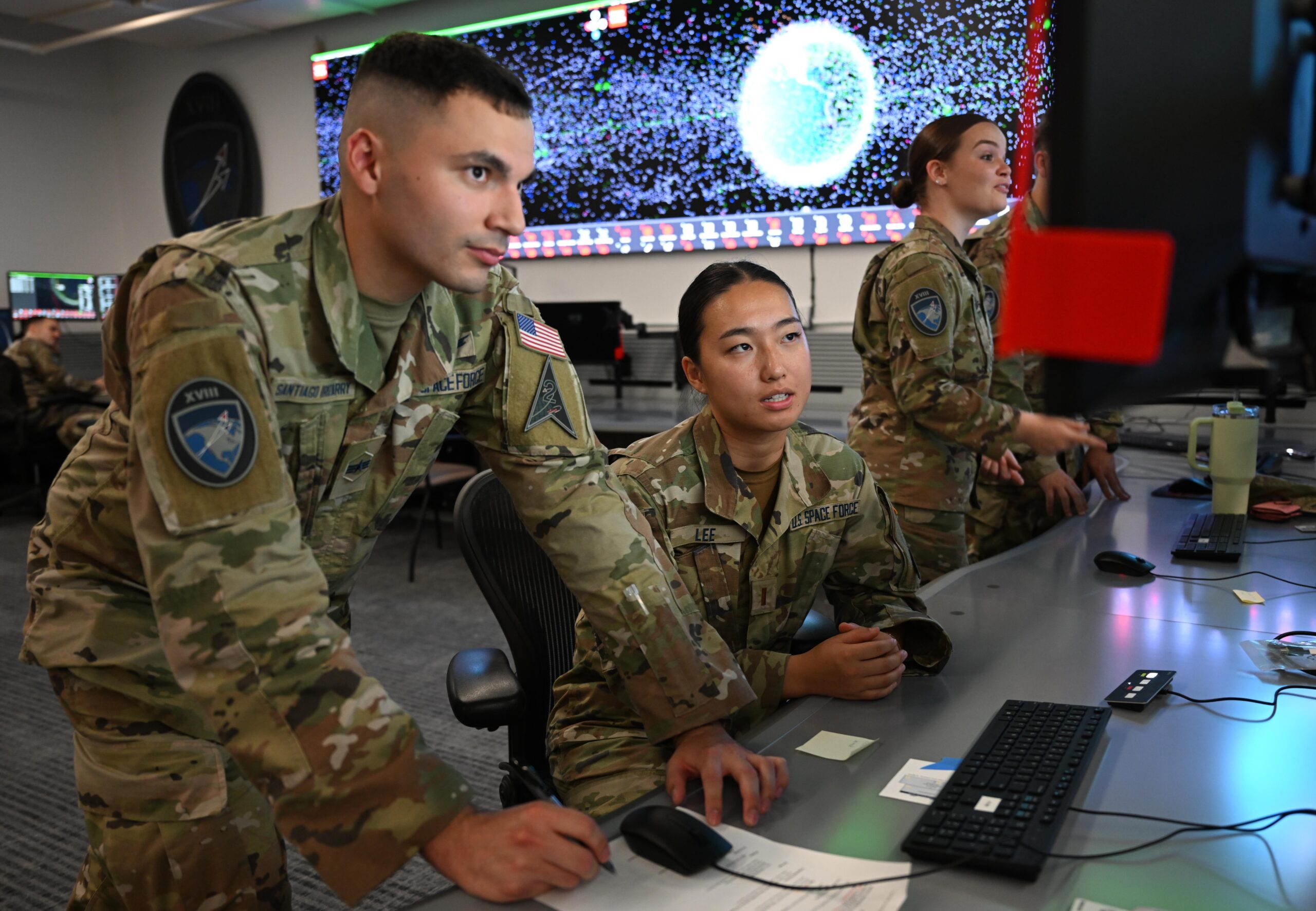
The Marine Corps just made history by officially activating its first-ever unmanned maintenance squadron: Marine Unmanned Maintenance Squadron 14, or MUMS-14.

The new unit stood up during a formal ceremony at Marine Corps Air Station Cherry Point in North Carolina, signaling a major leap forward in unmanned combat aviation.

As part of the 2nd Marine Aircraft Wing, MUMS-14 represents a hard-hitting strategic investment by the Corps to support rapidly expanding drone operations.

The unit’s mission is straightforward yet forward-looking — bring unmanned aviation maintenance right to the point of battle, ensuring that Marines on the front lines always have the eyes in the sky they need to dominate.

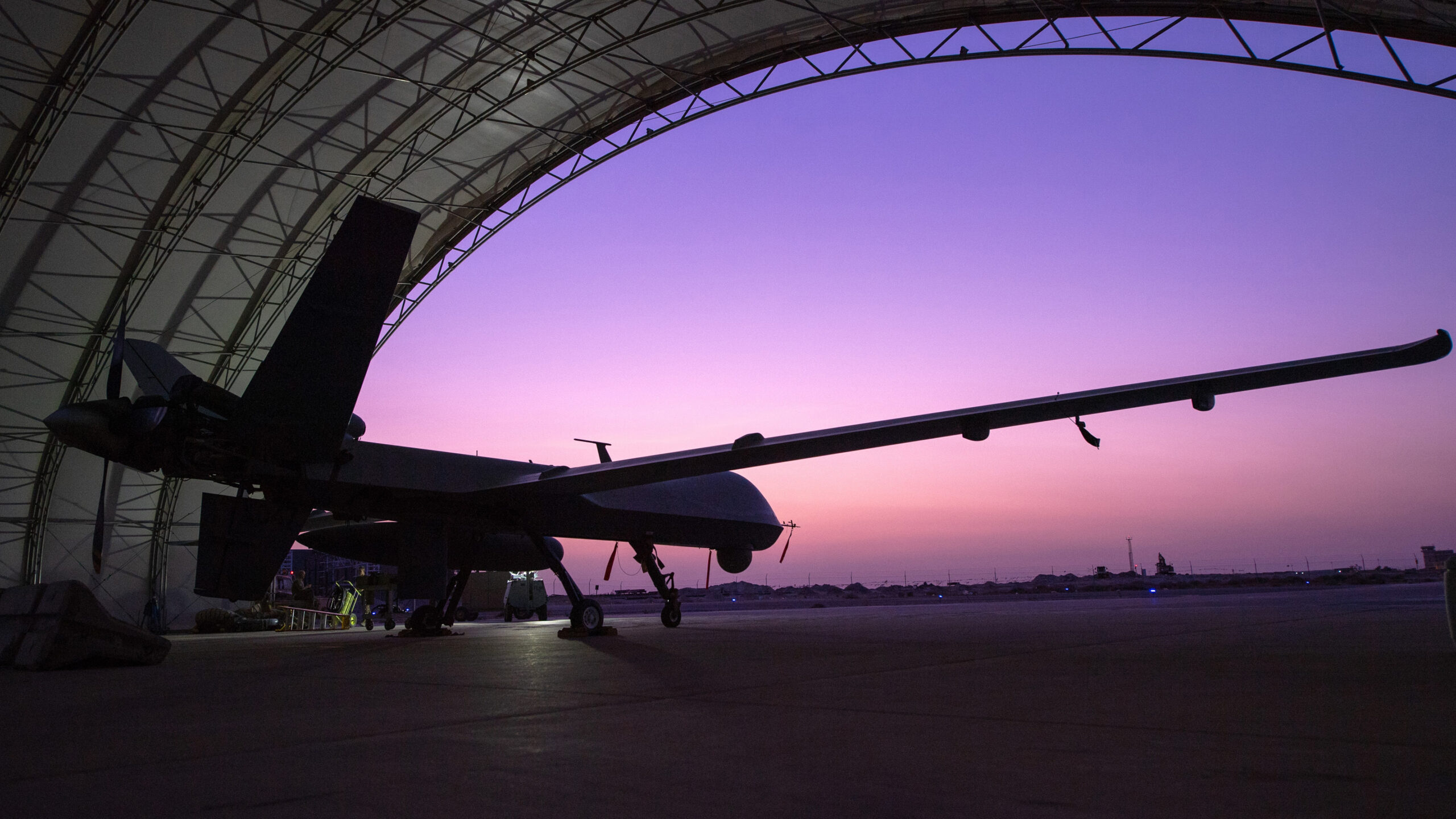
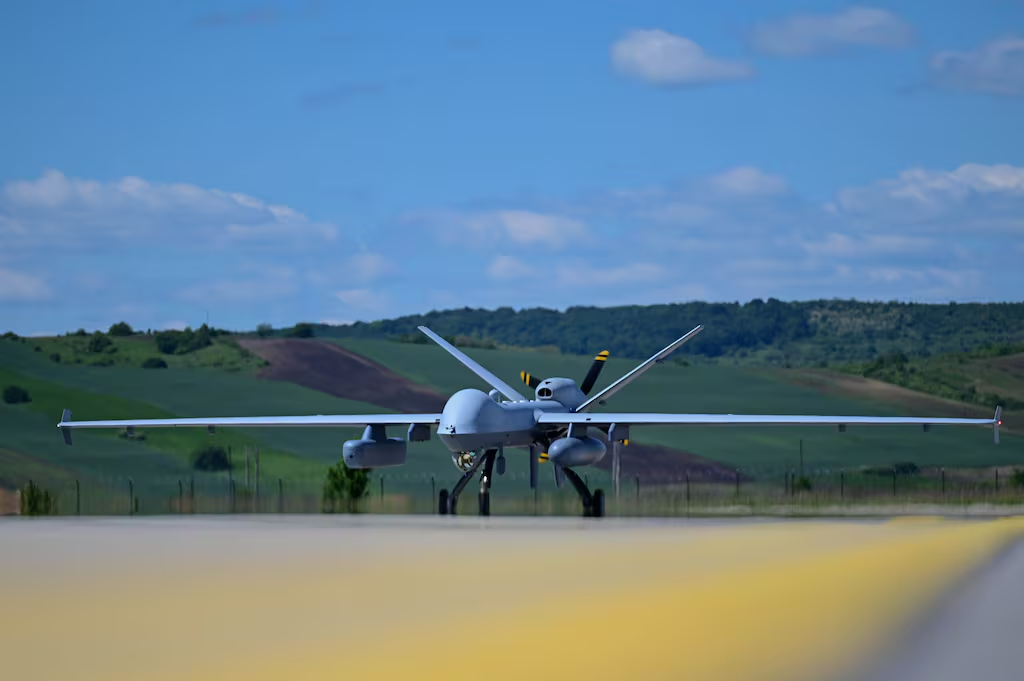
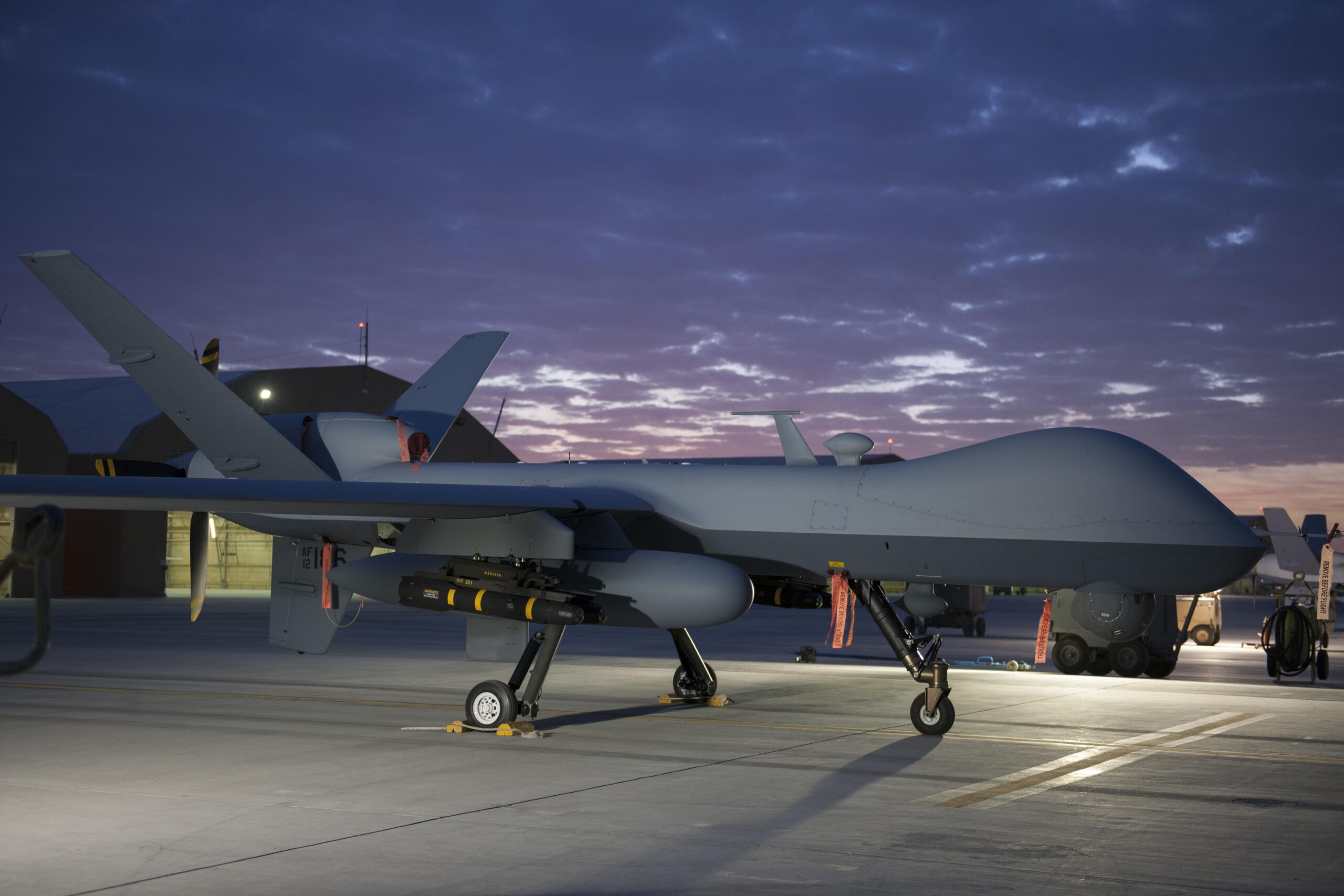
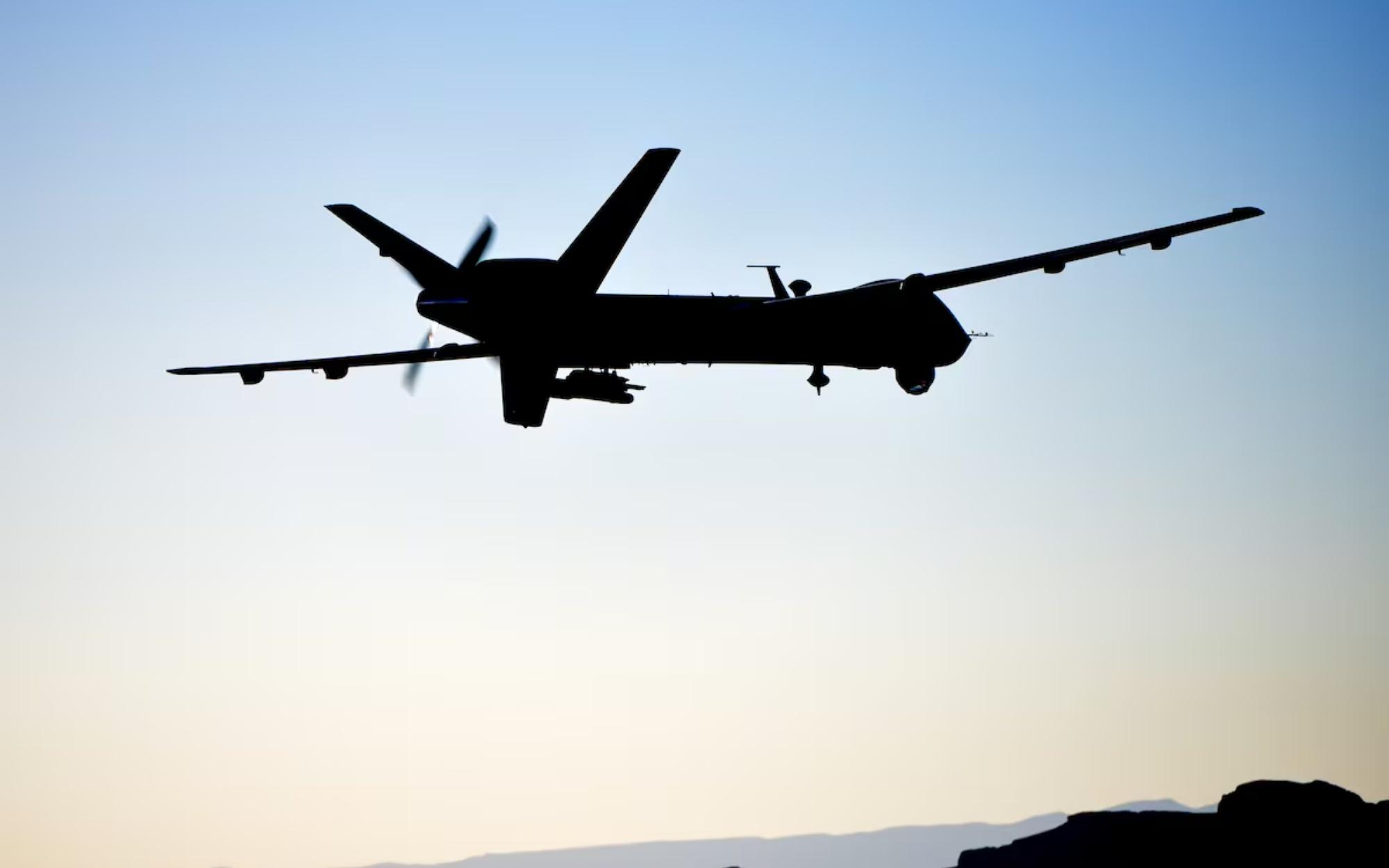
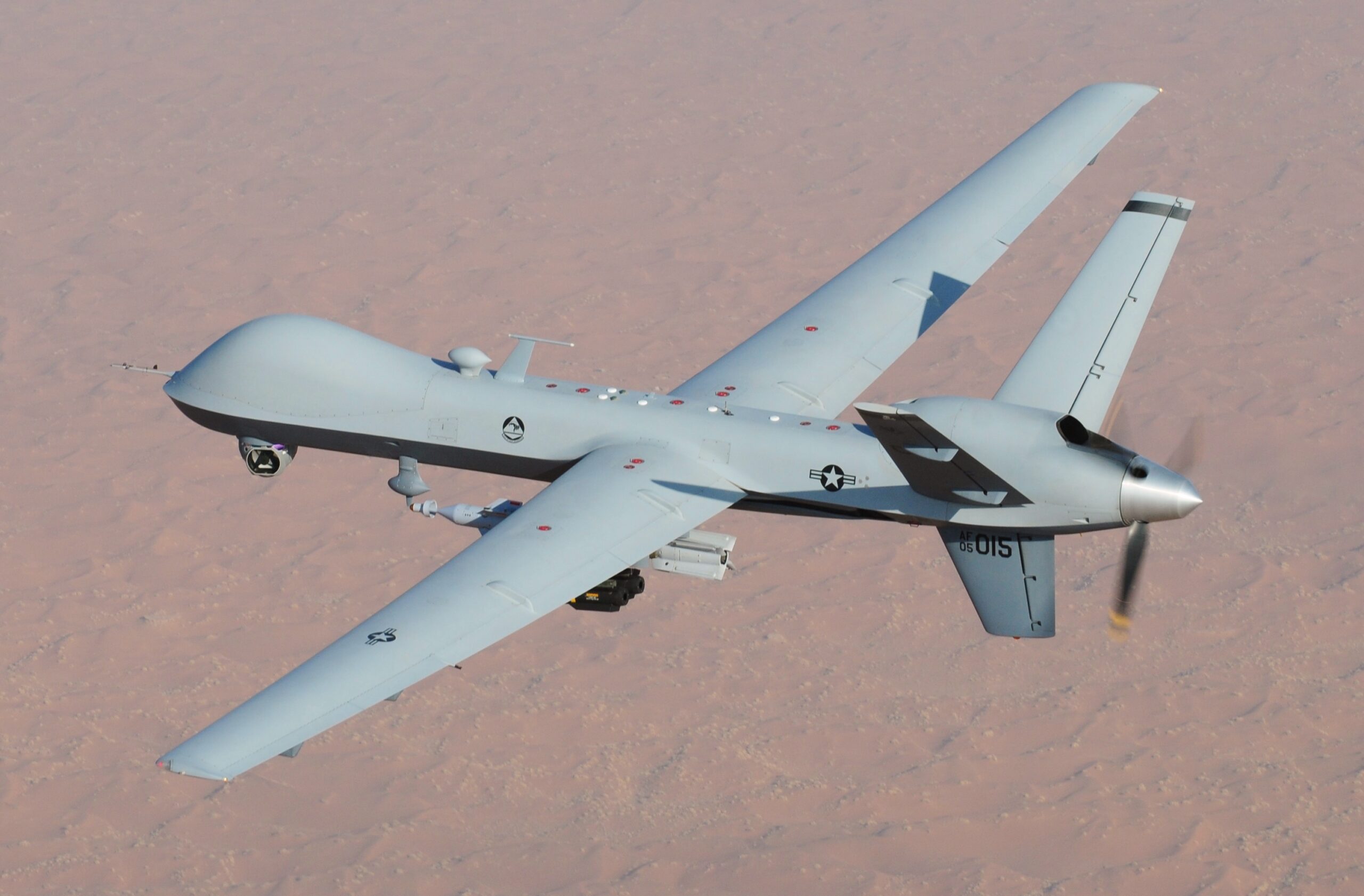
According to the Marine Corps announcement, MUMS-14 will focus primarily on the service’s Group-5 unmanned aerial systems, most notably the MQ-9 Reaper.

The Reaper is already a proven platform known for its extensive range, advanced surveillance capabilities, and lethal precision strike potential. Now, with dedicated Marine maintenance crews specialized in the platform, operational persistence and readiness will rise to new heights.

Lt. Col. Jeffrey F. Carben, the first commanding officer of MUMS-14, made it clear that the milestone isn’t just another administrative move—it’s a transformational step in the Corps’ modernization effort.

Congress Orders Comprehensive Review of Drone Work's Mental Health Toll on Troops
Members of 119th Maintenance Squadron work on an MQ-9 Reaper drone during the Northern Strike 2025 exercise. Air National Guard Photo by Sr. Master Sgt. Michael Knodle.

“Standing up this squadron marks a major step forward for Marine Corps aviation,” Carben said. “Our unit ensures the Marine Corps will maintain a persistent, reliable, and expeditionary capability — one that directly strengthens deterrence and supports Marines operating forward.”

That “expeditionary” mindset remains core to Marine culture: lean, adaptable, and mission-ready anytime, anywhere.

The service’s emphasis on unmanned warfare links directly with Secretary of War Pete Hegseth’s broader push to restore American military dominance through strength, innovation, and capability rather than bureaucracy.

Carben assumed command on Tuesday, joined by Sgt. Maj. Tavaris J. Douglas, who will serve as the unit’s senior enlisted leader.

Marines Launch Historic Unmanned Maintenance Squadron to Boost Combat Readiness
The MUMS-14 activation ceremony at Marine Corps Air Station Cherry Point, North Carolina, June 16, 2026. (Pfc. Keani Guthmueller/Marine Corps)

Together, they’ll lead the Corps’ first team of drone-specific maintainers, ensuring the Reapers keep flying and the mission keeps moving—especially in contested environments where delays mean danger.

“The work done here will have global impact,” Carben added.

“It takes disciplined, technically skilled Marines to keep these systems flying. Today’s activation is more than a ceremony — it’s the beginning of a new chapter of Marine Corps aviation. This squadron will help ensure Marines forward have the persistent eyes, ears, and reach they need to compete and win.”

That sentiment hits the heart of why this unit matters. It’s not about fancy politics or media flash.

Marines Launch Historic ‘Unmanned Maintenance Squadron’ to Boost Combat Readiness
An MQ-9 Reaper flies a training mission over the Nevada Test and Training Range on July 15, 2019. (Airman 1st Class William Rio Rosado/U.S. Air Force)

It’s about giving Marines the unmanned capabilities that ensure victory in the modern age of warfare — a critical edge in a world increasingly defined by reconnaissance, real-time intelligence, and long-range engagement.

Unmanned aircraft like the MQ-9 Reaper are no longer just support tools; they’ve become integral combat assets. They collect intelligence, provide overwatch, and execute surgical strikes, often before the enemy even knows what hit them.

For the Marines, ensuring those aircraft remain functional in austere, forward-deployed areas is mission-critical. That’s exactly what MUMS-14 is built for.

This foundation also positions the Corps to expand into even more advanced unmanned systems down the road.

Integration between human warfighters and autonomous assets is expected to be a defining factor in future military dominance, and the Marines clearly intend to stay out front of that curve.

With MUMS-14 now operational, expect efficiency and capability across drone squadrons to rise sharply.

The unit’s field-based emphasis will free up other commands to focus on tactical and operational planning while MUMS-14 ensures equipment stays battle-ready. It’s old-school Marine grit applied to high-tech aviation.

Houthis Down Seven U.S. Reaper Drones as American Military Campaign Intensifies in Yemen

The activation ceremony might not have made political headlines, but its importance is hard to overstate.

It marks a new era where the Corps blends tradition with technology, ensuring Marines have every advantage as America faces growing global threats from China, Russia, and rogue states eager to test U.S. resolve.

Every Marine knows the motto, “Adapt and overcome.” With MUMS-14, the Corps just proved it still lives by it.

As this new squadron spins up, one thing is clear: the Marine Corps isn’t just keeping pace with the future of warfare—it’s leading it.

News

KC-46A Refueling Blunder Blamed on Pilot and Operator Mistakes, Air Force Finds

An Air Force investigation into last July’s midair mishap involving a KC-46A Pegasus and an F-22A Raptor found that human error on both ends of the refueling mission led to nearly $10 million in aircraft damage.

The incident, which took place over the Atlantic Ocean on July 8, 2025, forced the KC-46A to make an emergency landing after its refueling boom was literally ripped off the jet and dropped into the sea.

According to Air Mobility Command’s Accident Investigation Board (AIB) report, released June 12, the chaos began during a standard training mission with seven Raptors.

An experienced KC-46A boom operator’s manual input errors combined with a rookie F-22 pilot’s misjudged approach caused a disastrous chain reaction.

The report states that the boom operator accidentally placed the refueling boom “excessively out of trim,” creating a “radical force” on the boom nozzle. That misalignment locked the connection between the tanker and the fighter, creating enormous tension.

When the connection was released, the bound boom rocketed upward, striking the tail of the Pegasus and snapping off.

Stunning Images Show Shredded KC-46 Boom That Led to Emergency Landing

Investigators described it as an “unrecoverable boom fly-up rate,” meaning the energy released during the separation was simply too much to control.

The force cracked two of the boom’s structural tubes, causing the aft end, tail assembly, and telescoping tube to break away completely and fall into the Atlantic.

While the veteran boom operator had over 1,000 flight hours in KC-46A and KC-135 tankers, the F-22 pilot was still a student with just 13 hours in the Raptor.

That lack of experience mattered. The AIB found the student pilot “failed to account for the stiff boom characteristics,” contributing significantly to the mishap by approaching too aggressively.

Together, the errors resulted in catastrophic damage to the KC-46A’s refueling system and structural components, including the APU access doors, exhaust deflector, and tail section. Fortunately, no one was injured, and no other aircraft were affected.

The Pegasus involved belonged to the 22nd Air Refueling Wing, and the Raptor was assigned to the 1st Fighter Wing. Both aircraft were operating under standard training protocols.

But as the report revealed, the simplest breakdown in precision can have serious consequences when multimillion-dollar aircraft are operating just feet apart in midair.

F-22

The Air Force estimated total losses at nearly $10 million in structural damage and replacement costs.

While that figure doesn’t match the price tag of the aircraft themselves, it’s an expensive reminder of how vital rigorous training and procedural accuracy are in aerial refueling operations.

The KC-46A program itself has been surrounded by technical issues and controversy since its inception. The tanker, intended to replace the aging KC-135 fleet, has wrestled with multiple hardware defects and system errors since rollout.

Despite modernization efforts, signature reports of boom stiffness, software faults, and foreign object damage have repeatedly slowed its full acceptance by the War Department.

In this case, however, the Air Force’s own report makes clear that the mishap was not mechanical failure but human error. That’s an important distinction from many of the previous Pegasus headlines that pointed fingers at Boeing’s design flaws.

Engine Heat Triggers Alaska Runway Breakup, KC-46 Tanker Grounded After High-Power Tests
A New Hampshire Air National Guard KC-46 tanker following the engine test that left the airport’s tarmac littered with chunks of asphalt. Air Force photo.

Instead, this incident highlights the complexity of the human-machine interface at high altitude—one wrong input, and the laws of physics take over.

The mishap’s most fortunate outcome is what didn’t happen: no lives were lost, no injuries were reported, and no civilian property was damaged. Considering the potential risk of midair collisions or uncontrolled descents, that’s no small victory.

Still, this event adds another bullet point to the long list of refueling incidents under review.

Commanders across multiple wings are now reemphasizing improved synchronization training between tanker crews and fighter pilots, especially with student aviators. Closing rates, nozzle pressure calibration, and communication timing are under renewed scrutiny.

Military insiders say the mishap underscores why continuous training refreshes and technology updates are critical for the fleet.

It also reinforces the importance of experience—especially when new-generation aircraft with unique aerodynamic properties like the F-22 are involved.

For War Secretary Pete Hegseth’s team, the takeaway is straightforward: maintain hard standards and never compromise on readiness.

The modern battlefield depends on midair refueling for extended operations, especially across the vast Indo-Pacific region. Errors like this one can’t become routine.

The Kansas-based 22nd Air Refueling Wing is reportedly implementing new simulator modules to account for peculiarities in the KC-46A’s boom responsiveness.

Meanwhile, the 1st Fighter Wing is revisiting its training pipeline for student Raptor pilots to ensure better anticipation of boom stiffness when connecting with different tankers.

Ultimately, this $10 million midair accident should serve as a cautionary tale—the margin for error in aerial refueling is razor-thin, and even seasoned operators can learn something from a day when the checklist goes sideways.

With renewed command emphasis and sharper supervision, the Air Force aims to make sure the next generation of tanker and fighter crews gets it right the first time, not the next time.

News

Air Force Tanker Readiness Figures Called Into Question After GAO Report

A new Government Accountability Office audit is raising serious questions about the U.S. Air Force’s tanker fleet — and whether brass are sugarcoating the numbers for Washington’s benefit.

According to the report, the service’s official “mission-capable” rates might look good on paper, but the definition of that phrase is doing a lot of heavy lifting.

The GAO found that the Air Force counts tankers as “mission-capable” even when they can’t actually perform their primary mission of, you guessed it, refueling aircraft.

A plane qualified only for hauling cargo or performing medical evacuations still makes the cut, padding the stats for an Air Force already struggling to keep its aerial gas stations in the air.

What really matters, though, is how many tankers are “fully mission capable” — the ones that can actually refuel fighters and bombers in midair.

And that number, according to the watchdog, is dramatically lower and has stayed below internal Air Force benchmarks for years.

The report, which analyzed data from 2019 through 2025, paints a concerning picture.

The public version released this month omits the exact figures because those details were deemed “Controlled Unclassified Information.” Translation: too embarrassing to share with taxpayers footing the bill.

As of earlier this year, the Air Force claimed a fleet of 373 aging KC-135s and 103 KC-46A Pegasus tankers.

Both platforms are essential for maintaining global reach and rapid response capabilities. Without them, American power projection sputters to a halt — literally.

The GAO warns that old airframes, chronic parts shortages, and manpower shortfalls have left the service relying on workarounds and wishful thinking.

Pentagon Names Six Airmen Killed in KC-135 Crash Over Iraq
A formation of U.S. Air Force F-16 Fighting Falcons conduct refueling via a U.S. Air Force KC-135 Stratotanker. U.S., Singapore, and Thailand air forces participate in Cope Tiger 2022 at Korat Royal Thai Air Base, Thailand is an annual multilateral aerial exercise aimed at improving combat readiness and interoperability between the Republic of Singapore, Royal Thai and United States Air Forces, while concurrently enhancing the three nations’ military relations. (U.S. Air Force courtesy photo)

One telling example came from maintainers at Tinker Air Force Base who said certain tankers have sat parked for months awaiting obsolete or unavailable parts.

The venerable KC-135, introduced during the Eisenhower era, remains the backbone of the fleet — but its maintenance demands are brutal. Even simple replacement parts can take months to source.

The newer KC-46A, meanwhile, is still plagued with design and software issues, particularly its troublesome refueling boom. Instead of replacing the old tankers, the Pegasus has become an additional burden.

“Maintainers from multiple units told us they considered parts shortages to be the key contributing factor to low availability and capability rates,” said the GAO.

The auditors noted the situation has forced Air Force leaders to juggle schedules and raid one base’s stock to keep others flying.

Those “creative solutions” include a strategy called “regionalization,” where bases borrow aircraft from one another to meet mission needs.

While it might sound efficient, in practice it’s a game of bureaucratic musical chairs, distracting from the underlying issue — the Air Force’s inability to fix its long-term sustainment problems.

To buy time and artificially boost readiness figures, Air Mobility Command is reportedly considering stretching the interval between scheduled depot maintenance from five to six years.

Officials claim that would raise availability by about six percent. Skeptics worry it merely postpones the inevitable — more breakdowns later.

This crisis isn’t new. An earlier GAO assessment flagged similar issues, accusing the service of underestimating repair delays and bottlenecking the depot system. The new findings confirm the Air Force still hasn’t addressed its foundational weaknesses in logistics, manpower, and modernization.

Meanwhile, China and Russia are watching — both heavily investing in long-range strike and refueling capabilities while America’s Air Force fights with spreadsheets and spare parts. The fallout isn’t theoretical.

Rescue Efforts Intensify as KC-135 Crashes Over Western Iraq During Support Mission
An Air Force KC-135 Stratotanker aircraft takes off within the U.S. Central Command area of responsibility in this October 2015 photo. Air Force photo by Tech. Sgt. Justin Norton.

Every time a tanker is grounded, our global ops tempo slows down, and that means slower responses to threats — from the South China Sea to the Persian Gulf.

To militaries that depend on their refueling fleet, this is more than just paper-pushing. Tankers are the lifeblood of American air dominance. Without them, our bombers, fighters, and cargo aircraft cannot execute extended-range operations.

The GAO’s warning should light a fire under Pentagon leadership to prioritize fixes rather than hide behind definitions.

A readiness report that paints a rosier picture than reality isn’t just misleading — it borders on negligence. Transparency, accountability, and a brutally honest look at the Air Force’s aging fleet are long overdue.

Under the leadership of President Trump and War Secretary Pete Hegseth, taxpayers and warfighters alike expect a military that’s battle-ready, not bureaucratically “compliant.”

Until the Air Force stops playing semantic games and delivers true full-mission capability across its tanker fleet, American airpower will remain limited by its own broken logistics chain.

For the sake of national strength and deterrence, the time for excuses is over. The numbers now need to match reality.

News

Two Boeing Employees Were Among the Eight Killed in Fiery B-52 Crash at Edwards Air Force Base

A test flight at Edwards Air Force Base in California turned deadly Monday morning when a U.S. Air Force B-52 Stratofortress went down in flames shortly after takeoff, killing all eight people onboard, including two employees from Boeing.

The massive bomber, a symbol of American airpower since the Cold War, was conducting a routine radar modernization test when disaster struck.

According to base officials, the aircraft crashed and erupted in fire moments after leaving the runway, sending black smoke billowing into the desert sky.

Boeing, which designed and built the B-52 back in the 1950s and remains one of its core contractors to this day, confirmed the loss of two of its team members in a brief statement on social media.

“We are in contact with their families and are offering support,” the company said, expressing condolences while the Air Force works to notify all the victims’ families.

The other six aboard included Air Force personnel, civilians, and government contractors. None survived the fiery crash. The Air Force has not released the names of those lost as officials await next-of-kin notification.

The incident has sent shockwaves through both the military and the defense industry, which rely on partnerships like this one between Boeing and the War Department to advance crucial modernization programs.

Eight Tragically Killed in Fiery B-52 Crash at Edwards Air Force Base
Smoke rises from a blackened part of Edwards Air Force Base after the crash of a U.S. Air Force B-52 bomber aircraft on June 15, 2026, in a still image from news helicopter video. (KABC via Reuters)

Edwards Air Force Base Deputy Commander Col. James Hayes told reporters that the base’s operations had been paused while investigators and recovery crews assess the damage.

“We are shutting down operations to repair runway damage and ensure full safety clearance,” Col. Hayes said during a press conference Monday afternoon.

For the Air Force, the B-52 represents the definition of endurance.

Originally built in the early years of the Cold War, the bomber has carried U.S. deterrence across decades of technological evolution. With ongoing radar, engine, and avionics upgrades, the B-52 continues to serve as the backbone of America’s long-range strike capability.

Officials have projected that the B-52 may remain in service until at least 2050 — potentially making it the first U.S. aircraft to serve for a century.

Monday’s tragedy underscores just how dangerous flight testing remains, even at the most advanced facilities in the world.

Edwards Air Force Base has long served as a cradle of American aerospace development, the testing ground for everything from the legendary X-1 rocket plane to the cutting-edge stealth fighters and bombers now in production.

Air Force and Boeing teams are expected to work together during the accident investigation, led by the Air Force’s Safety Investigation Board. That panel will examine every factor — mechanical, procedural, and environmental — to determine what caused the crash.

Eight Tragically Killed in Fiery B-52 Crash at Edwards Air Force Base
A B-52H Stratofortress from Edwards Air Force Base, California, departs for an evening test mission on Aug. 7, 2025. Air Force photo by Todd Schannuth.

Early speculation centers on a potential systems malfunction during takeoff, but officials caution it is far too soon to draw firm conclusions.

As of Tuesday, wreckage crews remain on-site securing debris and clearing damage from the runway.

The accident has temporarily halted other scheduled test missions at Edwards, which plays a vital role in future aircraft certification and modernization.

In Washington, members of the defense industrial community reacted swiftly, praising the courage and commitment of those who put their lives on the line pushing American airpower forward.

Boeing’s test and engineering division released a statement recognizing the “profound loss of teammates who embodied the dedication and innovation that keeps our military strong.”

President Trump, an outspoken supporter of rebuilding America’s military might and holding contractors accountable to the highest standards of safety and excellence, has previously called the B-52 an icon of “unmatched American strength that will never be retired on his watch.”

This latest loss will undoubtedly reignite attention to aging airframes and modern testing protocols as the Pentagon continues to invest billions to sustain and upgrade the bomber fleet.

Though details remain limited, one thing is clear: the eight patriots who perished Monday died serving the mission of keeping America’s skies safe and our military strong.

Their loss is a sobering reminder that readiness, innovation, and deterrence often carry a heavy human price.

The investigation will likely take months, with results to be released once the Air Force confirms the findings.

Until then, Edwards Air Force Base remains quiet as the nation’s aviation community grieves and reflects — united in gratitude for those who gave everything in service to America’s defense.

News

Eight Tragically Killed in Fiery B-52 Crash at Edwards Air Force Base

A devastating tragedy struck Edwards Air Force Base in California on Monday when a B-52 Stratofortress bomber went down shortly after takeoff, killing all eight individuals aboard.

The crash occurred during what officials described as a “routine test mission,” ending in fire and devastation for both the crew and the larger Air Force test community.

Air Force Chief of Staff Gen. Ken Wilsbach confirmed the grim news late Monday, offering a somber acknowledgment of the lives lost. “It is with profound sadness that we mourn the loss of eight teammates today at Edwards AFB,” Wilsbach said.

“My thoughts are with the bomber and test communities during this difficult time.” His words reflected not only grief but the deep camaraderie and sense of duty that define the Air Force’s elite test wings.

Air Force Secretary Troy Meink also released a statement mourning the loss, calling attention to the service and sacrifice of both military personnel and civilian experts who routinely push the envelope of aerial innovation.

“We mourn this loss and honor the service of our Airmen, civilians, and contractors who work every day to advance our mission,” Meink said.

The Secretary’s comments underscored how test operations, while often behind the scenes, are foundational to America’s warfighting edge.

According to the official timeline, the crash occurred at around 11:20 a.m. local time. The massive bomber went down shortly after takeoff and erupted in flames, leaving little hope of survival.

Emergency teams raced to the scene, but officials soon confirmed what everyone feared—the incident was not survivable.

Eight Tragically Killed in Fiery B-52 Crash at Edwards Air Force Base
A B-52H Stratofortress from Edwards Air Force Base, California, departs for an evening test mission on Aug. 7, 2025. Air Force photo by Todd Schannuth.

At a Monday afternoon press conference, Edwards Deputy Commander Col. James Hayes clarified that the eight individuals aboard the B-52 were a mix of Air Force service members, government civilians, and contractors.

They were reportedly participating in a radar modernization program vital to keeping the Cold War–era bomber relevant in 21st-century combat operations.

The B-52 Stratofortress, despite its age, remains one of the crown jewels of American air power. Used by generations of U.S. warfighters, the aircraft endures because of ongoing programs to update its avionics, radar, and weapons capability.

The fact that this test mission was tied to such an update makes the loss doubly painful for the Air Force community.

U.S. Air Force Probes B-52 Near Miss with SkyWest Passenger Jet in North Dakota [WATCH]

Investigators have not yet identified the cause of the crash. Officials stated that an interim safety board is already working on scene, with a permanent Safety Investigation Board set to take over in the coming days.

That panel will eventually hand findings to an Accident Investigation Board, which will decide what information can be publicly released and shared with the victims’ families.

As of Monday evening, crews were still combing the crash site for data, including the plane’s black box, which will be critical to understanding what happened in those final moments.

Military leaders have also prioritized notifying next of kin before releasing the names of those lost—a process that was ongoing late Monday afternoon.

U.S. Jet Downed in Iran Sparks Swift War Policy Debate
A U.S. Air Force B-52 Stratofortress aircraft refuels from a KC-135 Stratotanker aircraft over the U.S. Central Command area of responsibility, during Operation Epic Fury, March 26, 2026. (U.S. Air Force photo)

The B-52’s long service life has not come without tragedy or risk. Designed during the height of the Cold War, the bomber first flew in the 1950s and has undergone countless test flights ever since.

These missions are essential for advancing both modern warfare capability and pilot training, especially on a platform that will remain in use well into the 2050s. But as this heartbreaking incident shows, even the most experienced crews face danger in every flight.

The Edwards community, long known as the beating heart of Air Force flight testing, has faced its share of pain through the decades. From the days of Chuck Yeager breaking the sound barrier to today’s advanced research programs, test missions have always carried risk.

Monday’s crash adds a fresh wound to that storied legacy, reminding Americans of the price of innovation and national defense.

While many across the country mourn the lives lost, the message from leadership was clear: the mission continues.

That spirit of perseverance—of pushing forward even in tragedy—is something America’s warriors and test pilots understand all too well.

B-52 Bomber Upgrade Clears Key Design Hurdle, Set to Begin Powerhouse Engine Overhaul

President Trump and War Secretary Pete Hegseth have consistently emphasized rebuilding the strength and readiness of all U.S. military branches, particularly air power and research infrastructure.

This incident will no doubt fuel renewed attention on support, modernization, and safety across the War Department’s testing programs, ensuring that those lost did not die in vain.

The names of the fallen will be released once families are notified, but at Edwards Air Force Base and across the entire Air Force family, the loss is deeply felt.

Every pilot, engineer, and airman knows the risks involved. Monday’s tragedy was a harsh reminder that the pursuit of American air dominance is never without sacrifice.

News

Oldest Navy Officer Earns Fleet Marine Force Pin at Age 67 After Hard-Fought Journey

In an era when discipline and drive are often in short supply, one Navy officer is proving that grit doesn’t have an expiration date.

Lt. Cmdr. David Westenberg, a 67-year-old naval dentist who began his military career at an age when most are thinking about retirement, has made history as the oldest officer on record to earn the coveted Fleet Marine Force qualification insignia pin.

After nearly four decades of civilian success running a dental practice in Southern California, Westenberg could have enjoyed a quiet life.

But that wasn’t enough for him. When his son earned his own Navy commission in 2022, Westenberg decided to follow in his footsteps, answering the same call to serve that inspired generations before him.

The decision wasn’t symbolic—it was mission-driven. Since joining the Navy at age 64, Westenberg has put in the work to master the skills expected of Marines and their supporting officers.

His recent Fleet Marine Force qualification represents a significant milestone, marking him as one of the few Navy professionals to meet the Marine Corps’ rigorous operational standards.

The Fleet Marine Force (FMF) pin is far more than a badge to wear on a uniform.

It signifies that a Navy officer has achieved excellence in understanding the Marine Air-Ground Task Force, its mission structure, and how to ensure its success in combat and command survivability. In essence, it’s a symbol of solidarity with the Marines—a badge earned through sweat, study, and steadfast toughness.

Westenberg devoted months of early mornings and lost weekends to getting it done. He balanced demanding coursework, physical tests, and documentation requirements with his existing duties.

There was no easy route, and certainly no special treatment for someone nearing 70.

“The FMF pin helped me see beyond the dental chair,” Westenberg said. “Where my Marines are going, what they’re preparing for … that made me better.” His words reflect a mindset rarely seen in a world that glorifies comfort and complains about hardship.

Marines Plot Bold Airpower Upgrade To Smash Enemy Chokepoints At Sea
Low altitude air defense gunners aboard the USS Portland in the Balabac Strait, May 4, 2026. (MCS Adam Bishop/U.S. Navy)

That “be uncomfortable and take that step” philosophy sums up the kind of attitude that fuels America’s best warfighters. It’s the same warrior ethos that defined the greatest generation and that our military still needs today—men and women unafraid to push past comfort to achieve purpose.

For Westenberg, earning the FMF designation wasn’t just about proving personal toughness. It was about being worthy of the Marines he serves alongside.

Navy medical and dental officers embedded with Marine units play vital roles on the battlefield, ensuring combat readiness and taking care of the warriors who face the fight upfront.

That commitment to excellence resonates deeply through the ranks. Marines don’t hand out respect or recognition lightly.

Marines Tighten Missing-Person Procedures to Speed Searches and Protect Troops
The Marine Corps issued new guidance that formalizes how units should respond when Marines go missing. Marine Corps photo by Cpl. Sarah M. Grawcock.

They value dedication, knowledge, and character—and by all accounts, Lt. Cmdr. Westenberg earned every ounce of theirs. His story stands as a rally cry to those who think age limits what can be achieved.

At a time when too many institutions are obsessed with lowering standards and emphasizing appearances, this achievement reminds us what true military excellence looks like: persistence, discipline, and humility under pressure.

Westenberg didn’t ask for special consideration; he put in the work and met the same grueling expectations that any Marine would face.

Now preparing to conclude his service later this year, Westenberg’s impact won’t fade quietly. His example proves that the Navy and Marine Corps’ partnership thrives when built on respect and shared hardship.

It’s the embodiment of the fighting spirit that keeps America’s military unbeatable—especially under strong, patriotic leadership that values readiness over bureaucracy.

Stories like his don’t just inspire morale; they reinforce the core of what keeps the War Department strong. President Trump and War Secretary Pete Hegseth have both emphasized warrior culture, accountability, and pride in service—exactly the mindset demonstrated here.

Marines Tighten Body Composition Rules to Sharpen Health and Readiness
A Marine Corps drill instructor encourages recruits during a physical training event at Marine Corps Recruit Depot San Diego, March 29, 2022.

Westenberg’s journey shows what our armed forces can achieve when leadership rewards hard work and keeps focus on mission, not politics.

In an age of endless excuses, Lt. Cmdr. David Westenberg’s legacy stands as a rebuke to complacency.

The 67-year-old dentist who refused to slow down has joined the ranks of warriors who never quit.

He didn’t just earn a pin—he earned a place in the proud history of the Navy and Marine Corps team, reminding America that strength is ageless and service never stops.

News

Army Awards General Atomics Contract to Build Next-Gen Artillery That Hits Beyond 70 Miles

The U.S. Army is giving its long-range artillery a serious boost, awarding General Atomics Electromagnetic Systems a contract to move forward with a maneuvering 155mm round capable of striking targets well beyond the limits of current munitions.

This deal marks another major step in the Army’s ongoing Extended Range Artillery Projectile Program, better known as ERAP—a key initiative aiming to restore America’s overmatch advantage on the battlefield.

Under the contract, General Atomics will validate and refine a next-generation version of an extended-range projectile that can maintain precision even when GPS signals are jammed or denied.

The Army’s target is to bring the system to initial operational capability by fiscal year 2030, giving our warfighters a cutting-edge option in long-range strike operations.

The weapon has already proven its potential during tests at Yuma Proving Ground in Arizona. From a standard M777 howitzer, the Projectiles were successfully fired at distances beyond 74 miles—an impressive feat for 155mm artillery.

That kind of range brings a whole new dimension to ground fires, allowing U.S. forces to engage high-value targets well outside enemy artillery and air defense umbrellas.

Unlike traditional shells that follow a fixed ballistic path, these maneuvering rounds can alter their flight paths midair. That not only improves precision against moving or GPS-denied targets but also makes it harder for adversaries to predict or intercept. In other words, it’s smarter, faster, and hits harder.

Mike Rucker, Vice President of GA-EMS Weapons Programs, said in a company release that the latest projectile represents “a leap in capability without requiring rocket assist” and remains fully compatible with existing Army artillery systems.

“Our projectile is engineered to provide extended range without rocket assist and remains compatible with legacy cannons and loaders,” he noted. “Its features include deployable wings and advanced redundant guidance systems.”

That flexibility is critical. Instead of building entirely new cannon systems, the Army can field these rounds through already operational howitzers, cutting costs while accelerating deployment timelines.

It also enhances mission versatility—from land-based precision strikes to deeper integration with intelligence, surveillance, and reconnaissance missions.

The U.S. Navy has taken notice, too. In late 2024, it selected General Atomics to continue adapting the same projectile for maritime use, signaling the Pentagon’s growing interest in multi-domain, extended-range firepower. A future where both Army and Navy artillery share smart, precision-guided, maneuverable ammunition is no longer theoretical—it’s on the horizon.

The Army’s 2024 solicitation gives a clear picture of just how ambitious this effort is. The goal is not just extra range—it’s dominance over enemy armor, artillery, and air defenses. A

ccording to the service, these new rounds must have the power to defeat infantry fighting vehicles, multiple rocket launchers, main battle tanks, and even maritime targets. That’s a tall order, but one the Army believes General Atomics can fulfill.

Another key requirement: the ability to operate in a non-GPS environment. In any high-end conflict, from Europe to the Indo-Pacific, GPS denial will be among the first tactics employed by adversaries like China or Russia.

New Army Manual Defines ‘Arctic Determination’ for Combat in Extreme Cold
Soldiers from Battery C, 2nd Battalion, 8th Field Artillery Regiment battle stiff winds, sub-zero temperatures and blowing snow as they prepare to hook up their 155mm howitzer to a CH-47 Chinook helicopter for the flight to the Yukon Training Area, Alaska, March 7, 2018. The exercise, Automatic Big Rig, was part of the first gun raid in three years for the 2nd Battalion, 8th Field Artillery Regiment, and was carried out in conjunction with helicopter support from the 1st Battalion, 52nd Aviation Regiment. The field artillery regiment is part of the 1st Stryker Brigade Combat Team, 25th Infantry Division. (Army photo/John Pennell)

Developing artillery that can independently navigate and strike accurately even under electronic warfare conditions is crucial for maintaining battlefield superiority.

The project also underscores a broader shift within the War Department to reclaim precision dominance through American ingenuity.

After years of focus on counterinsurgency warfare, the U.S. military is rapidly pivoting back toward high-end, peer-to-peer fights—and that means big bets on long-range lethality. This program fits perfectly into that strategy.

For years, adversaries like China have touted their so-called “anti-access/area denial” capabilities, claiming they could keep U.S. forces at bay.

If General Atomics delivers on ERAP’s promises, that A2/AD bubble suddenly looks a lot more porous. The Army’s goal is clear: make sure every square inch of the battlefield is within reach of American steel.

The push for extended-range artillery falls in line with President Trump’s broader call for rebuilding and rearming America’s military industrial base. It’s also a project War Secretary Pete Hegseth is expected to champion, given his focus on combat-readiness and battlefield lethality.

For decades, U.S. artillery evolved gradually—but now, the pace is accelerating to meet 21st-century threats head-on.

Critics might argue that such technological advancements risk escalation or over-reliance on high-cost systems.

But the reality is, deterrence comes from strength, not hesitation. Adversaries respect power—and extended-range precision artillery delivers exactly that.

In the end, the ERAP program sends a simple message to any enemy abroad: wherever you hide, however far you think you’re safe, American firepower can and will find you. That’s how real peace through strength is achieved—and this new artillery round is another tool to enforce it.

News

Sailors Now Eligible to Earn Mexican Border Defense Medal for Southern Missions

Sailors serving at the U.S.-Mexico border have officially joined their brothers-in-arms in being eligible for the new Mexican Border Defense Medal, an award that recognizes those who stand watch during one of America’s most pressing security missions.

This move finally puts Navy personnel on equal footing with soldiers and Marines who have long been part of the large-scale military presence tasked with supporting our southern defenses.

The updated guidance, released through a Navy Administrative Message (NAVADMIN), outlines the eligibility requirements and ensures that the sailors serving in this vital mission get the recognition they deserve.

According to the Navy, sailors “assigned, attached or detailed to a unit” for at least 30 days in support of Customs and Border Protection (CBP) operations will qualify.

The deployment must take place within 100 miles of the Mexican border — covering California, Arizona, New Mexico, and Texas — or in nearby waters up to 24 nautical miles from shore.

In other words, this is for those who have literally been on America’s front line.

Since January 2025, thousands of U.S. troops have rotated through the mission to secure our southern border. U.S. Northern Command (NORTHCOM) reports that more than 10,000 personnel have been deployed since the start of 2025, reinforcing the roughly 2,500 already stationed there.

Pentagon Deploys Navy Destroyer USS Gravely for US Border Mission

The effort includes Marines from combat engineer and logistics units and soldiers from the famed 101st Airborne and 10th Mountain Divisions.

Sailors, meanwhile, have carried their weight not only at sea but also on the ground. For the Navy, the operation has included multiple warships patrolling coastal waters, such as littoral combat ships and destroyers that keep tabs on seaborne threats.

When the USS Spruance deployed in March 2025, NORTHCOM reported that it aided in “combating maritime-related terrorism, weapons proliferation, transnational crime, piracy, environmental destruction, and illegal seaborne immigration.”

That’s not just coast-guarding — that’s warfighting in defense of the homeland.

Navy personnel have also stepped onto dry land to patrol alongside Marines and provide medical evacuation training.

It’s a joint effort that showcases the kind of inter-service cooperation that gets results — not the kind of performative politics we’re used to seeing from D.C. lawmakers who rarely even visit the border they claim to care about.

The new Navy guidelines mirror those released earlier by the Department of War in August and align with similar regulations published by the Marine Corps just a few weeks ago.

These latest updates simplify how commanders can approve the award for their units and clarify the transition from the previous recognition system.

The Mexican Border Defense Medal replaces the Armed Forces Service Medal, which had been awarded for this mission since 2019.

Poll Shows Broad Backing for Stronger Military Action Against Drug Traffickers as Strikes Escalate
CARIBBEAN SEA (May 25, 2025) An MH-60R Sea Hawk helicopter assigned to Helicopter Maritime Strike Squadron (HSM) 74, the “Swamp Foxes,” lifts off from the flight deck of the Arleigh Burke-class guided-missile destroyer USS Gravely (DDG 107) to conduct a routine maritime interdiction operation patrol while underway in the Caribbean Sea. U.S. Navy assets are deployed under U.S. Northern Command’s maritime homeland defense authorities with a U.S. Coast Guard Law Enforcement Detachment embarked to enable maritime interdiction missions to prevent the flow of illegal drugs and other illegal activity. U.S. Northern Command is working together with the Department of Homeland Security to provide additional military forces and capabilities at the southern border. (U.S. Navy photo by Mass Communication Specialist 1st Class Ryan Williams)

Modeled after the historic Mexican Border Service Medal from 1916-1917, the medal features a Roman sword and the inscription “For Service on the Mexican Border” — a fitting tribute that reaches back to America’s long-standing vigilance in protecting its territory.

The ribbon’s green and yellow colors evoke the rugged desert and fields where American forces have stood guard for generations.

For Navy personnel who deployed after January 20, 2025, the change means they can exchange their Armed Forces Service Medal for the new one. However, sailors can’t keep both.

Once the swap is made, the Mexican Border Defense Medal will serve as the sole recognition for their service in this critical mission zone. Those who earned the Armed Forces Service Medal prior to that date must retain it; only one medal may be awarded, regardless of multiple qualifying deployments.

This streamlined recognition ensures clarity, consistency, and fairness across the branches — qualities sometimes missing from the bureaucratic side of the Pentagon.

It’s a small but meaningful way to underscore that border operations are national defense operations, a reality often ignored by politicians who want open borders rather than secure lines.

The Navy’s rollout follows the Marine Corps’ authorization in late May, which included nearly identical rules. As of now, no Marine has yet received the medal, but commanders are expected to begin issuing them soon.

Once that process begins, it won’t be long before sailors begin pinning their own medals to their uniforms, marking a visible reminder that defending the homeland isn’t just a job for the infantry.

Every link in the chain — soldier, Marine, sailor — contributes to the mission that keeps America secure. The Mexican Border Defense Medal may be a piece of metal, but it’s also a symbol of who we are as a nation that believes in borders, law, and sovereignty.

While politicians argue in studios and talk over each other on TV, it’s these men and women who quietly and steadfastly hold the line.

Recognition is overdue. With the new medal, the Navy has taken an important step toward honoring those who defend America’s front yard — not for applause or politics, but for duty. And that’s exactly the kind of leadership this country sorely needs.

News

Man Drops Over 200 Pounds to Fulfill His Air Force Dream

Determination, grit, and discipline. Those are the traits that define Airman First Class Ethan Cobb, a young man who refused to let his weight stand in the way of duty and service to his country.

When Cobb first set his sights on joining the Air Force, he faced a massive obstacle—his own body.

At nearly 400 pounds, he knew the uniform wouldn’t fit him just yet. But instead of giving up, he made a life-altering decision: lose 200 pounds or die trying.

Like so many who find motivation through faith, family, and patriotism, Cobb looked to his roots for strength. His grandfather had served proudly in the Air Force, and Cobb wanted to continue that legacy.

At a time when many young Americans struggle to stay disciplined or even motivated, Cobb’s story stands out as a rare testament to perseverance.

Within two years, Cobb lost nearly half his body weight, dropping from 398 to 197 pounds in order to enlist.

Today, he’s an Airman First Class and a fully trained heavy aircraft integrated avionics specialist—proof that no obstacle is too great when purpose drives effort.

His path to that goal wasn’t glamorous. There was no fancy gym membership or personal trainer. Cobb started by walking.

His job at a car wash forced him to stay on his feet every day, which helped him shed the first few pounds. Slowly, he introduced more activity—running four days a week, training his body to endure the same grueling physical challenges that service members face daily.

“It was horrible,” Cobb said about those first runs. “The first couple days I would go out there and you’d run down the road and turn around and go back home because it sucked.

But then you start getting better and you start realizing that you can do it, and the more you do it, the better you get at it.” His honesty about the struggle shows just how tough the journey was.

He also overhauled his eating habits. His biggest obstacle wasn’t working out—it was food. Like many young Americans, he battled binge eating, especially late-night snacks and junk foods.

But with the help of his mother, he cleaned out the pantry, cutting off temptations like chips, candy, and ice cream. The result was not just physical transformation but mental and emotional growth.

When he first spoke to an Air Force recruiter after losing 75 pounds, he was told he still didn’t qualify.

For most, that would have been the end of the line. But not for Cobb. He doubled down, stayed focused, and found a new recruiter who believed in his commitment.

“I would text her and tell her I’m getting closer, and then she would start helping me do paperwork,” Cobb said. That partnership carried him across the finish line.

By the time he shipped off to basic training at Joint Base San Antonio-Lackland, Texas, Cobb weighed 197 pounds.

He didn’t stop there—he lost another 20 pounds through basic training. When he graduated, his mother performed the traditional tap on the shoulder to mark his transformation from civilian to airman—a moment of well-earned pride for both of them.

“It really set in that I had done it, and I’d finished the whole journey,” Cobb said.

“It’s never finished, but I had gotten to the goal I had been looking forward to for years.” That drive is what sets warfighters apart from the rest. Determination doesn’t end when the goal is reached; it becomes a lifelong mindset.

Cobb’s success wasn’t just about getting into the Air Force—it was about building resilience and self-reliance. He said losing nearly 200 pounds proved to him that he could achieve things he once thought impossible.

“It really showed me that there are things that I can do that I could only ever imagine a long time ago,” he said. That kind of personal victory reflects the same spirit that builds American warriors.

His story sends a clear message: the path to serving your nation isn’t easy, and it shouldn’t be.

The Air Force didn’t make exceptions or lower standards, and Cobb didn’t ask for them. He met the challenge head-on, embodying a mentality that’s sorely needed today—no excuses, just action.

Now, stationed at Ellsworth Air Force Base in South Dakota, Cobb is proof of what happens when motivation and discipline replace comfort and complacency.

For a generation too comfortable with quick fixes and shortcuts, this young airman stands as an example of the old-school American determination that built the world’s strongest military.

Every day, he continues to push forward, knowing that his journey isn’t over. As he put it himself, “Every day I got one step closer to being that better version of myself.” In the Air Force and beyond, that’s a mission worth fighting for.

News

Trump Ends Hormuz Blockade After Securing Peace Deal with Iran

After months of tension in one of the most contested waterways on Earth, President Donald Trump announced that the U.S. Navy will lift its blockade of the Strait of Hormuz following a landmark peace agreement reached with Iran.

The decision ends an intense two-month naval standoff that had brought global shipping and oil traffic to a crawl through the critical chokepoint.

Trump declared the order himself on social media, stating that he had authorized “the immediate removal of the United States Naval blockade.”

The move followed confirmation from Pakistani Prime Minister Shehbaz Sharif, who revealed that both sides had settled the terms of peace and would formally sign the agreement in Switzerland on June 19.

It’s a moment of definitive leadership from Trump, one that established a path toward stability without compromising America’s strategic dominance.

For nearly two months, the U.S. and Iran had been locking horns in a maritime game of brinkmanship. Each nation effectively ran its own blockade — Iran controlling which ships could pass, and the U.S. Navy intercepting unauthorized vessels or neutralizing them altogether.

CENTCOM reported that U.S. naval forces directed more than 140 ships and disabled nine during the operation, a sign of how serious the confrontation had become.

The Trump administration kept operations sharp and focused on strength, deploying aircraft carriers, destroyers, and maritime patrol aircraft to make it unmistakably clear that the Strait of Hormuz would not bend to Iranian aggression.

Yet when a deal became viable, Trump seized the opportunity for peace through strength — a hallmark of his foreign policy philosophy since taking office.

Officials from U.S. Central Command and the War Department had yet to comment publicly on the agreement or the drawdown. Still, Trump’s order signals that Washington is fully committed to enforcing the peace once signed. The message is clear: the United States controls the tempo, and Iran knows it.

Pakistani Prime Minister Sharif said in his public statement that “both sides have declared the immediate and permanent termination of military operations on all fronts, including in Lebanon.”

That’s no small note. The Lebanese front has been a major sticking point, with Iranian-backed operatives clashing with Israeli forces and airstrikes lighting up the skies over Beirut’s suburbs. Tehran’s complaint about those strikes nearly derailed the diplomatic effort, yet the Trump-led negotiations forged a way through.

U.S. Moves to Counter Iranian Mines in Strait of Hormuz
The USS Canberra, an Independence-class littoral combat ship equipped with the mine countermeasures mission package, escorts a merchant vessel as it transits the Arabian Gulf, Jan. 20, 2026. (MC2 Iain Page/U.S. Navy)

Iranian Deputy Foreign Minister Kazem Gharibabadi also confirmed the peace accord and the immediate end of U.S. naval hostilities, signaling that even Tehran recognized Trump’s resolve at the table.

The deal sets in motion a 60-day window for further negotiation toward a fully ratified peace plan—an ambitious but clear roadmap born out of American deterrence.

This ceasefire doesn’t come without scars. After the breakdown of the April ceasefire, fighting flared hard across the Middle East. In just the past week, Iran had lobbed missiles toward Bahrain, Kuwait, and Jordan, while the U.S. and Israel pounded Iranian positions, including within Tehran itself.

Even then, Trump made it clear last Thursday that large-scale retaliatory attacks were being paused, though smaller skirmishes persisted. Now, with the formal cessation ordered, the operational tempo in the region should ease significantly.

Trump Signals Possible Night of Strikes If Tehran Misses Tuesday Deadline

Since the conflict’s start in February, American forces have borne the brunt of Iran’s belligerence.

More than 400 U.S. servicemembers were wounded, 13 lost their lives, and several aircraft — including F-15s, refueling tankers, and helicopters — were destroyed. Bases across the Middle East took hits, radar stations were damaged, and operations became harder by the week.

Yet through it all, the War Department maintained pressure on Iran’s military network, targeting launch sites and infrastructure with precision.

The reality is that peace doesn’t arise from weakness. It emerges when an adversary sees the futility of further escalation. Trump’s critics, both foreign and domestic, doubted his strategy.

They underestimated his ability to use American might as leverage without descending into endless war. But once again, the Commander in Chief delivered results — peace through unmistakable superiority.

Many analysts had predicted a lengthy standoff, perhaps even a full naval war. Instead, Trump’s surprise announcement flipped the narrative.

Reports of Vessels Hit as Iran Declares Hormuz Closed Again, Escalating Gulf Tensions

He demonstrated that America could dominate militarily and then pivot to diplomacy on its own terms.

That move underscores a governing philosophy familiar to veterans and hawks alike: America negotiates from a position of unmatched capability, not appeasement.

The world will now watch as negotiators gather in Switzerland to sign and finalize the deal. A 60-day negotiation period may seem long, but it’s a blink compared to the decades of hostility bridging Washington and Tehran.

For now, trade will soon move freely through Hormuz again, ensuring global energy stability and showing that American naval power remains second to none.

Trump’s order ends one of the most precarious flashpoints in modern history, not by retreating, but by winning. He stood eye to eye with Iran’s regime, held his ground, and forced peace on terms built by strength — exactly how America should lead.


Scroll to Top