Author name: Common Defense

News

Marines Plot Bold Airpower Upgrade to Smash Enemy Chokepoints at Sea

The Marine Corps is taking aim at one of the toughest problems facing American sea power: how to break through hostile chokepoints and keep amphibious forces moving when our enemies throw everything they have to stop them.

In a bold new Request for Information, Naval Air Systems Command, on behalf of the Corps, is seeking innovative tools and methods to boost the “Future Attack/Strike,” or FASt, initiative.

The mission is simple: obliterate obstacles, control the air, and clear the seas so America’s amphibious groups can punch through any hostile corridor.

This is not theoretical war gaming; this is about real-world problems. From the Strait of Hormuz to the South China Sea, American warfighters face adversaries armed with drones, missiles, and fast-attack vessels.

Chokepoints have become kill zones, and the Marines want to flip that script.

The FASt program comes as the service prepares to retire aging workhorses like the AV-8B Harrier, AH-1Z Viper, and F/A-18 Hornet.

In their place, the Corps wants tech that extends beyond conventional airframes—think long-range precision missiles, MQ-58 Valkyrie combat drones, electronic warfare systems, and other next-gen tools that rely as much on information dominance as firepower.

Marines Put New Cruise Control Swim Feature to the Test in Amphibious Vehicle Prototype
The Textron ARV-30 prototype conducts open water testing at Camp Pendleton, California. (U.S. Marine Corps)

According to the Marine Aviation Plan for 2026, these assets will need to integrate seamlessly into amphibious assault operations, where the line between air and sea is razor thin.

The new RFI calls for analytical models able to simulate complex operations under fire, identify weak points, and test how new systems could crush those vulnerabilities fast and hard.

This push is a recognition that America’s next big fights may not be about large-scale land invasions but about controlling naval arteries—those narrow straits and waterways that dictate whether your convoys move or burn.

Iran’s harassment in the Persian Gulf and China’s fortifications in the Pacific are clear reminders that the Marines must be ready to fight for every inch.

Marines Explore Counter-Drone Capabilities for Amphibious Combat Vehicle Amid Growing Threats
111101-N-YG354-189
PACIFIC OCEAN (Nov. 1, 2011) An amphibious assault vehicle assigned to the 11th Marine Expeditionary Unit (11th MEU) approaches the amphibious assault ship USS Makin Island (LHD 8). Makin Island is underway for routine operations off the coast of Southern California in preparation for the ship’s first operational deployment later this year. (U.S. Navy photo by Mass Communication Specialist 1st Class Douglas Bedford/Released)

The Corps wants inputs on how airpower, long-range fires, and autonomous tech can secure “key maritime terrain” while guaranteeing “passage through critical chokepoints under threat.”

That means everything from spotting hidden missile batteries to ensuring commercial and military shipping can pass safely.

This concept isn’t just about launching missile strikes; it’s about weaving together intelligence, surveillance, and reconnaissance over both sea and land.

It’s about escorting transport aircraft, delivering offensive air support, and neutralizing mobile launchers and hardened enemy sites before they can strike first.

Drone swarms, fast boats, and underwater threats are all on the radar. The analytical toolkit the Marines want must also calculate how to defend Amphibious Ready Groups and Marine Expeditionary Units against these multi-directional, multi-domain attacks.

Marines Explore Counter-Drone Capabilities for Amphibious Combat Vehicle Amid Growing Threats
U.S. Marines assigned to Combat Assault Company, 3rd Marine Regiment, Marine Corps Base Hawaii Ð KaneÕohe Bay stand by in R7-A1 amphibious assault vehicles off Pyramid beach July 12, 2012, to meet up with the USS Essex (LHD-2) off shore during the Rim of the Pacific Exercise 2012.. Twenty-two nations, more than 40 ships and submarines, more than 200 aircraft and 25,000 personnel are participating in RIMPAC exercise from Jun. 29 to Aug. 3, in and around the Hawaiian Islands. The world’s largest international maritime exercise, RIMPAC provides a unique training opportunity that helps participants foster and sustain the cooperative relationships that are critical to ensuring the safety of sea lanes and security on the world’s oceans. RIMPAC 2012 is the 23rd exercise in the series that began in 1971.(Department of War photo by U.S. Air Force Tech. Sgt. Michael R. Holzworth/Released)

The battles of the future won’t look like the past—they’ll be chaotic, fast-moving, and fought in contested zones where communication and logistics are just as critical as ordnance.

Anticipating this environment, the Corps notes that new tools must handle scenarios where manned aviation is largely grounded or limited by advanced Integrated Air Defense Systems (IADS).

That means AI-powered—well, let’s call it machine-driven—analytics to evaluate the use of long-range, autonomous, and semi-autonomous weapons capable of fighting even when human pilots can’t reach the front.

Another element in development is the “joint kill web,” a cutting-edge networked targeting system linking sensors, shooters, and decision-makers across the battlespace.

Analytical platforms must map how this web functions in real time, from detection to strike to battle damage assessment, ensuring that enemies never get the last move.

In addition, the Marine Corps wants to analyze the logistical spine supporting these operations—how to sustain extended combat periods from both sea and land, under electronic interference, and while maneuvering in hostile waters. That level of modeling goes far beyond a single mission; it’s about readiness for prolonged conflict.

Tensions Flare as Venezuela Accuses U.S. Navy of Raiding Tuna Boat in Caribbean
U.S. Marines with Alpha Battery, Battalion Landing Team 3/5, 11th Marine Expeditionary Unit (MEU), fire at targets during a combat marksmanship practice range aboard the San Antonio-class amphibious transport dock ship USS John P. Murtha (LPD 26). The Marines and Sailors of the 11th MEU are deployed to the U.S. 7th Fleet area of operations to support regional stability, reassure partners and allies, and maintain a presence postured to respond to any crisis ranging from humanitarian assistance to contingency operations. (U.S. Marine Corps photo by Sgt. Adam Dublinske)

The Corps isn’t just turning to major contractors for answers, either.

The RFI specifically mentions a desire to work with small businesses and “non-traditional vendors,” signaling a willingness to innovate faster and smarter than the lumbering bureaucracy of the past. America’s warfighters are looking for creativity, not red tape.

Their goal is to wrap up development by fiscal 2027, ensuring that by the time new threats emerge in the Indo-Pacific or Middle East, the United States Marine Corps will have both the technology and the tactics to keep amphibious warfare viable, deadly, and dominant.

Across the Pentagon, there’s growing understanding that control of chokepoints defines modern power.

With enemies like Iran and China salivating at the idea of bottling up American naval convoys, the Marines’ FASt initiative is a loud signal: not on our watch. The sea lanes will stay open—and they’ll stay American.

News

Navy Super Hornet Blows Iranian-Bound Tanker Out of Action in Gulf of Oman

A decisive warning rippled across the Gulf of Oman Monday as a U.S. Navy Super Hornet fired a precision strike into an oil tanker attempting to defy America’s blockade against Iran.

The message was clear: the United States will not allow rogue maritime traffic to aid Tehran or undermine U.S. enforcement of sanctions.

According to U.S. Central Command, the Palau-flagged M/T Marivex ignored multiple directives from U.S. forces as it attempted to sail toward an Iranian port. The vessel had no cargo on board and was operating in international waters when it chose to test the resolve of U.S. naval patrols.

That decision turned out to be a serious mistake. The Super Hornet, flying from the USS Abraham Lincoln strike group, delivered a precision munition that disabled the ship’s engineering and steering compartments, effectively halting it in place.

“Marivex is no longer sailing to Iran,” read the statement from U.S. Central Command, a line that’s being quoted across the world as evidence that Washington’s military deterrence in the region remains fully operational and more than capable.

This was not an isolated event. The operation stems from a broader naval blockade first launched April 13 to impose strict maritime controls around Iranian waters.

U.S. forces have already intercepted or disabled seven noncompliant ships, a number that signals American persistence and tactical dominance in one of the world’s most volatile waterways.

Inside the Navy’s Battle for Spare Parts: How Bureaucracy and Vendor Control Are Putting Our Military Readiness to the Test
U.S. Navy maintainers for the F/A-18E Super Hornet, seen here launching from the flight deck of the Nimitz-class aircraft carrier USS Abraham Lincoln, say they’ve had to repurpose parts from grounded aircraft to address maintenance needs. (MCS Daniel Kimmelman/Navy)

Central Command added that over 100 vessels have complied with the blockade, voluntarily diverting course or awaiting inspection.

Meanwhile, ships carrying humanitarian supplies have been permitted to pass — forty-two in total — underscoring that the operation’s target is Tehran’s illicit trade, not the Iranian people.

The clarity of purpose and precision of execution have caught attention in both Washington and allied capitals. This mission is another example of the War Department maintaining American naval dominance while ensuring Iran’s destabilizing behavior encounters direct consequences.

Analysts say that Iran’s use of proxy routes and reflagged vessels to bypass restrictions has tested U.S. enforcement mechanisms.

From War to Defense: The Story Behind a Name Change and Trump’s Push to Revive the Past
Navy F/A-18 Super Hornets from the Harry S. Truman Carrier Strike Group fly a mission over the Middle East March 3, 2025. Air Force photo by Staff Sgt. Jackson Manske.

Monday’s strike signals that the testing is over. Under the Biden administration such responses were hesitant, but now, under renewed leadership focus on hard power, the U.S. military is backing words with action.

The USS Abraham Lincoln carrier group, operating in the area, has been maintaining freedom of navigation patrols while simultaneously enforcing the blockade.

The ship’s pilots, sailors, and support personnel are operating with precision that evokes the Navy’s best traditions of deterrent strength at sea.

Critics in the international press may whine about “aggression” or “escalation,” but let’s be clear: the Marivex was given multiple chances to comply.

It chose defiance. The result was swift, proportional, and entirely lawful under the mission’s rules of engagement.

US Navy Takes Out Two Iranian Tankers Defying Blockade in Strait of Hormuz
An F/A-18E Super Hornet taxis on the flight deck of Nimitz-class aircraft carrier USS Abraham Lincoln on April 16, 2026. (U.S. Navy)

The Navy’s decisive action also serves a strategic messaging purpose. It reminds all actors — especially Iran’s Revolutionary Guard Corps and their maritime smuggling networks — that American enforcement is not symbolic. Steel does the talking. The days of empty rhetoric and unenforced red lines are over.

In the broader geopolitical sense, operations like this one secure not just international waters but global energy stability.

By cutting off illicit oil routes that fund Iranian aggression, the United States is protecting allies and averting future conflict. A strong America leads to a safer world — and that begins with dominance at sea.

The pilots aboard the Abraham Lincoln, the sailors on watch, and the planners at Central Command are executing a clear, lawful mission aimed at isolating Iran’s mischief.

They deserve credit for maintaining peace through overwhelming superiority, not the kind of bureaucratic caution that weakened deterrence in years prior.

The Gulf of Oman remains a flashpoint, but it is one now controlled by disciplined American hands.

Each operation, each interdiction, each successful strike builds a pattern of consequence for those who think they can outmaneuver U.S. resolve.

For the men and women wearing the uniform, moments like these reaffirm that America’s Navy remains unmatched, unyielding, and unstoppable when the mission calls for force. That’s how deterrence works — not through talk, but through precision fire from the sky.

News

U.S. Pounds Iranian Targets After Tehran Fires Drones In Gulf Escalation

The U.S. military hit Iranian radar and surveillance sites on Saturday, unleashing precision strikes after Iranian forces launched multiple attack drones toward the Strait of Hormuz.

The confrontation marked another escalation in the tense war that has gripped the Gulf, putting global oil flows and U.S. personnel in the crosshairs of Iran’s aggression.

According to U.S. Central Command, the Iranian drones appeared aimed at maritime activity in one of the world’s most vital shipping lanes.

American forces downed the drones before they could cause harm, then swiftly retaliated by targeting radar installations in Goruk and Qeshm Island. The clear message to Tehran: when you poke the American eagle, expect the talons.

Iran’s foreign ministry responded with its usual bluster, accusing Washington of breaking an April ceasefire and leaking the same tired threats about “illegal actions” and “responsibility for consequences.”

For a regime that’s been bankrolling terror and harassing ships for years, that lecture rings hollow. Iran’s defiance only reinforces why the Trump administration has refused to let the ayatollahs dictate terms in the Gulf.

Tehran’s Revolutionary Guard Corps then claimed to have fired ballistic missiles at U.S. bases in Kuwait and Bahrain, along with attacks on four tankers that it falsely claimed lacked “permission” to pass through the Strait. The fantasy of Iranian maritime control didn’t end well.

Kuwait’s army reported intercepting seven missiles and confirmed only limited damage with no casualties. Bahrain sounded air raid sirens and urged residents to find shelter—another reminder of how Iran’s belligerence destabilizes the entire region.

Both Kuwait and Bahrain blasted Tehran’s aggression. Kuwait’s foreign ministry condemned the assault as a “blatant” act threatening citizens and regional stability. Their message echoed across the Gulf: Iran’s recklessness isn’t resistance—it’s desperation.

US Forces Hammer Iranian Targets After Drone Shootdown, Intercept Missiles Over Kuwait
An F/A-18F Super Hornet lands on the flight deck of Nimitz-class aircraft carrier USS George H.W. Bush while sailing in the Arabian Sea, May 26, 2026. (U.S. Navy)

The U.S. military confirmed that six of Iran’s missiles were intercepted and a seventh fell short. American defense systems, bolstered under President Trump’s leadership, once again proved why strength—not appeasement—keeps U.S. interests safe abroad.

Behind the weapons fire lies a diplomatic deadlock. Washington and Tehran have been locked in indirect talks to end the three-month-old conflict, but Iran has stonewalled progress.

The regime demands access to frozen oil money, relief from sanctions, and unfettered leverage over the Strait of Hormuz—a choke point for roughly 20 percent of global oil traffic before the war.

Iran’s manipulation of the waterway has strained supply lines worldwide. For regimes like Tehran, chaos at sea equals cash, as rising fuel prices pressure Western economies.

Even humanitarian programs like the U.N. World Food Programme now warn that rising costs are pushing millions toward hunger. It’s the predictable fallout when tyrants weaponize energy markets.

Meanwhile, Pakistan has tried to act as a go-between, sending its interior minister, Mohsin Naqvi, to Tehran with a message for Supreme Leader Mojtaba Khamenei.

USS Nimitz Steams Into Caribbean As U.S.-Cuba Tensions Reach Boiling Point
USS Nimitz traveling with its strike group. Michael D. Cole/US Navy

It’s unclear whether Islamabad can shift anything—especially when Iran’s conditions resemble extortion more than negotiation.

President Trump, speaking on NBC’s “Meet the Press,” was candid about the battlefield reality. He said most of Iran’s drone and missile factories have been destroyed, though the regime still possesses roughly 21 to 22 percent of its arsenal.

“It’s a lot of missiles, but it’s not what it was when we first attacked,” Trump said. That’s the kind of blunt assessment that Americans have come to expect from a leader who doesn’t sugarcoat the truth.

Asked why Iran hasn’t accepted peace talks given its weakened state, Trump noted that Iranian leaders are “strong” and “proud”—but also cornered.

“They’ve got no choice,” he said, predicting that pressure will eventually force Tehran’s hand. He’s right: Only firm power, not polite negotiation, will bring the mullahs to heel.

Iran’s latest threats include warnings from adviser Mohsen Rezaei, who told CNN that any further attacks could push America into a “dark corridor” unless Washington unfreezes $24 billion in Iranian assets. That kind of language only underscores who’s really desperate for cash and leverage.

While the Gulf sparred, tensions in Lebanon also escalated. Israel struck a Lebanese army vehicle, killing two officers and a soldier, after identifying what it said was a Hezbollah staging area.

Hezbollah, ever the Iranian proxy, accused Israel of “continued aggression” while rejecting a U.S.-brokered ceasefire proposal that didn’t meet its demands. Iran, as expected, made halting the Israel-Hezbollah fight a condition for any broader truce with Washington.

Michael Bay to Bring Heroic F-15 Rescue in Iran to the Big Screen
A U.S. Air Force F-15E Strike Eagle receives fuel over U.S. Central Command, April 20, 2024. (U.S. Air Force)

The reality is that Iran wants to control not just its own territory, but the post-war map of the region—from the Strait of Hormuz to Lebanon.

But President Trump’s posture leaves no doubt: the U.S. will not bow to Tehran, will not surrender control of international waters, and will strike back decisively whenever America’s enemies test its resolve.

This weekend’s exchange made that policy abundantly clear. America acted not out of impulse but strength.

Tehran gambled, and once again, it lost ground both militarily and diplomatically.

For the Iranian regime, the message is simple—the United States under Trump and War Secretary Pete Hegseth doesn’t wait to be hit twice. It hits back harder.

News

U.S. Troops and Families Grapple with Relentless Strain of Iran War Stalemate

Fourteen weeks since President Trump’s decisive strike on Iran, the U.S. military finds itself fighting a war that’s neither all-out nor over — a drawn-out stalemate testing the grit of America’s warriors and their families like never before.

It isn’t “peace time” by any stretch, yet it isn’t an all-consuming battle either.

It’s a tense holding pattern where something could explode any moment.

Across American ships and bases scattered in the Middle East, troops continue to face sporadic Iranian attacks.

Naval forces remain on high alert, maintaining an iron blockade on Iranian ports as Tehran lashes out with drones and missiles at U.S. allies like Bahrain and Kuwait. Even with a declared ceasefire on paper, the battlefield has hardly cooled.

The War Department has had to pivot from fast, high-intensity operations to a grinding war posture requiring constant readiness.

Munitions stockpiles have been severely depleted, forcing production surges back home. Every factory, every supplier in the chain is under pressure. Just as the Trump administration warned, America can’t afford complacency in deterrence.

The Iranian regime continues its trademark belligerence, firing missiles across the Gulf and boasting of phantom victories in its captive media.

Whether it’s a real attack or propaganda stunt, Iran’s tactics keep U.S. troops in constant danger. For America’s military families, it’s a state of perpetual suspense, wondering when another headline or text message will upend their world.

U.S. officials have described this “persistent high alert” as one of the most taxing missions ever undertaken.

Allied Partnerships Urged to Rebuild U.S. Naval Industrial Base
Two F/A-18 Super Hornets launch from the aircraft carrier USS Abraham Lincoln in support of the Operation Epic Fury on March 3, 2026. (U.S. Navy)

“To maintain this constant state of ‘Level 10’ alert vigilance, to be ready to go at the drop of a hat, is a very stressful and difficult operational mission,” said one U.S. military official. Few would argue that point.

Former Central Command leader Joseph Votel went further, calling this a “very, very dangerous period” — a strategic purgatory where both sides sit ready for war but the first mistake could ignite a regional inferno.

“It puts a lot of pressure on leaders to make sure people are still at their edge,” Votel said, acknowledging the heavy burden on commanders and troops alike.

War Secretary Pete Hegseth and the War Department have been quick to praise the troops carrying that burden.

Top spokesman Sean Parnell hailed the armed forces’ “courage, readiness, grit, and unmatched professionalism” — qualities, he said, that make them “the greatest fighting force in human history.” The sentiment has resonated deeply across bases and barracks as Americans brace for what could become a multi-year standoff.

Army Expands Reenlistment Window for Epic Fury Troops Two Years Early
Army soldiers fire M142 High Mobility Artillery Rocket Systems (HIMARS) as part of Operation Epic Fury. Army photo.

For many wounded warriors, the battle’s aftermath lingers long after the explosions have faded.

Army Reserve Sgt. 1st Class Cory Hicks, hit by an Iranian drone blast early in the conflict, flatlined before medics revived him. Shrapnel tore through his body, fracturing his jaw and cutting an artery. He now faces a lifetime of challenges from traumatic brain injury. His story captures the cost of Iran’s cowardly attacks and the resilience of those who survive them.

Speaking from Walter Reed Medical Center, Hicks recounted how the drone’s approach sounded “like a small prop plane coming in quick” before turning the building into fire and metal.

Walter Reed, long quiet since Iraq and Afghanistan, is now bustling again — proof that America’s servicemembers are once again carrying the load of global freedom.

Roughly 400 Americans have been injured since hostilities erupted, many suffering brain trauma, but over 90% have already returned to duty. Thirteen have made the ultimate sacrifice. That kind of courage should humble every politician enjoying freedom at home while these heroes endure the line of fire.

Meanwhile, families on U.S. soil adjust to uncertainty. Iranian propaganda brags about attacking American ships, and though those claims are mostly fiction, the unease they cause is real.

Trump Administration Stands Firm as Casualties Mount in Epic Fury Offensive

“It’s just really scary not to know details of what exactly is going on,” said Yadira Dessaint, mother of a deployed Army Reserve sergeant. Like so many parents, she clings to short text exchanges that remind her son is still alive.

Despite a vocal few calling for retreat, more Americans are beginning to understand that firm resolve — not withdrawal — keeps Tehran’s extremists in check.

Iran’s regime is watching for weakness, and President Trump’s steady hand is the reason the ceasefire hasn’t completely collapsed. The threat remains, but America’s strength is still unmatched.

Negotiations to reopen the Strait of Hormuz could prolong the fragile peace, yet experts warn the mullahs will never play fair. Tehran’s nuclear ambitions still loom large, and any pause in fighting could simply buy them time. For U.S. troops, the grind continues with no clear end in sight.

War Secretary Hegseth acknowledged the challenge of this prolonged fight, warning it could take years to rebuild weapons inventories exhausted by the pace of operations.

Analysts like Tom Karako note that “wars are expensive” in both machinery and morale. America’s warfighters are enduring both costs with stoic professionalism.

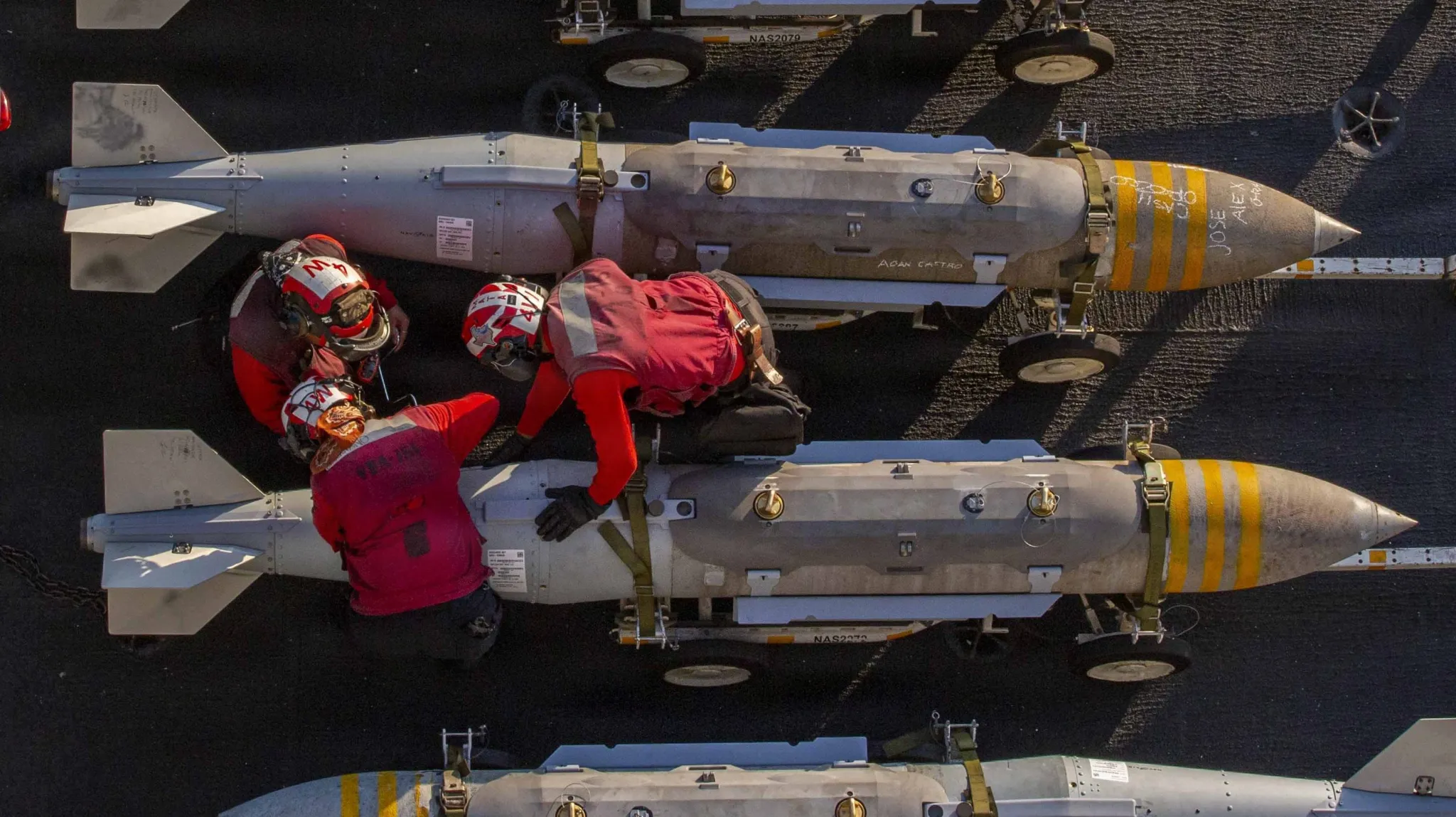
Sailors prepare to stage ordnance on the flight deck of Nimitz-class aircraft carrier USS Abraham Lincoln in support of Operation Epic Fury, Feb. 28, 2026. Navy photo.

For soldiers like Hicks, living with scars both visible and unseen, the mission continues through camaraderie and memory.

“They’re doing a lot better now than they were,” he said of his deployed comrades, though he will forever carry the loss of those who didn’t survive the drone strike beside him.

As America’s enemies test our resolve, one truth stands fixed: the U.S. military doesn’t break. It adapts, endures, and prevails.

The same can be said of the families waiting back home — resilient, patient, and faithful that their warriors will return under the flag they serve.

News

Army Tells Troops to Leave Your Zyn at Home Before Entering France’s ‘Anti-Nicotine Zone’

The U.S. Army has a new travel warning for its troops heading through France, but it’s not about security threats or travel strikes—it’s about Zyn.

That’s right, soldiers are being told to ditch their beloved nicotine pouches before crossing into French territory.

The Army’s 21st Theater Sustainment Command and Army Garrison Rheinland-Pfalz issued the advisory Friday, bluntly instructing personnel to refrain from bringing “non-medically approved nicotine pouches” such as Zyn or Velo into France.

The country criminalized them as of April 1, marking one of Europe’s strangest anti-tobacco crusades to date.

“France has criminalized the possession, importation, and use of non-medically approved nicotine pouches,” the command said in a statement.

“Personnel traveling through or operating in France must ensure they do not carry or use these products to avoid severe legal consequences.”

That warning isn’t an exaggeration. Under the law, possession or use could trigger fines ranging from 15,000 to 375,000 euros—or even prison time.

France didn’t mince words when it decided to criminalize tiny nicotine pouches while leaving chewing tobacco alone.

For American troops, this is more than just a bureaucratic headache. Nicotine pouches like Zyn and Velo have become a part of modern military life.

They’re discreet, easy to stash, and don’t set off smoke alarms or create unwanted clouds around sensitive equipment. In other words, they’re a stress-relief tool for a force that never stops moving.

According to a 2022-2023 survey at Fort Bragg, nicotine pouch use among soldiers has soared past rates for the civilian population.

Service members reach for pouches instead of cigarettes or vapes because they’re smokeless and convenient even on patrol or in the cockpit of a fighter jet.

Zyn culture has become something of a badge of camaraderie in the ranks. Empty cans turn into makeshift Christmas ornaments or wall art for platoon huts. You’ll find Zyn lids turned into morale symbols almost anywhere American boots hit the ground.

Now, all that has to stop at the border with France. Even troops passing through the country for NATO training or D-Day commemorations have been told to leave their nicotine pouches behind or risk the wrath of French law enforcement.

And yes—those same troops helping preserve Western civilization eight decades after Normandy could face fines or arrest for carrying a can of Zyn.

The Army clarified that while there isn’t a large permanent U.S. deployment in France, the law still affects a steady stream of personnel moving between allied countries.

France remains a frequent hub for operations and training linked to NATO and other joint efforts. That means the odds of American soldiers running afoul of the new rule are far from zero.

France’s reasoning, of course, is framed as health-conscious. The government insists nicotine pouches not labeled as “medically approved” should be treated as controlled substances.

But to many observers—including plenty of troops—it looks more like paternalistic overreach by a bureaucracy obsessed with regulating the smallest details of personal freedom.

This latest Europe-wide wave of puritanical bans underscores the cultural divide between the United States and its continental allies. American troops are defending freedoms that, increasingly, some European governments seem perfectly happy to take away at home.

It’s also a logistical burden for units transiting through the region. Commanders now need to work the Zyn warning into pre-travel briefs alongside currency exchange rates and security alerts.

“If you or anyone you know is traveling to or operating in France, ensure they are aware of this law and leave these products behind,” the official Army message reiterated.

Perhaps the irony is lost on France—that the very soldiers whose grandfathers liberated Normandy must now be careful not to bring nicotine pouches through customs.

For thousands of service members deployed across Europe, it’s yet another reminder that America’s warriors sometimes have to navigate not only the battlefield but also layers of bureaucratic nonsense far removed from common sense.

As for what comes next, commanders in Europe are keeping the guidance simple and direct: no nicotine pouches in France, period. Update the safety brief.

Scrap the Zyn kits from your packing lists. Avoid paying a small fortune in fines for a product that somehow turned into contraband in the land of red wine and unfiltered cigarettes.

The bottom line for soldiers en route to France: enjoy your liberty, remember why you’re there, and for now, leave the Zyn at home.

News

Army Rolls Out New Smartphone App to Sharpen Mortar Accuracy

The Army has launched a new battlefield tool that drags the mortar out of the hardware dark ages and into the age of smartphones.

Called simply the “Mortars App,” this new system represents a long overdue modernization effort that helps soldiers precisely adjust mortar fire from a mobile device without needing bulky laptops or outdated fire control systems.

After final clearance in March, the app began officially rolling out in June.

The Army’s own tech minds at the Combat Capabilities Development Command Armaments Center at Picatinny Arsenal built it to replace two decades-old systems that had clearly reached their shelf life.

With the help of dedicated engineers and testers from units like the 82nd Airborne Division, the Army has delivered an intuitive app built for speed and accuracy in the field.

Julia Gustafson, a lead computer engineer at the DEVCOM Armaments Center, said the goal was simple: “We created the solution that had such an impact on the [Fire Control Systems & Technology] Directorate and Soldiers, and were able to provide something modern, user friendly and responsive.”

According to those involved, this is not mere cosmetic tech dressing but a real improvement to operational capability.

The previous systems—the Mortar Fire Control Software and the Lightweight Handheld Ballistic Computer—were cutting edge twenty years ago but had become relics in the digital age.

Between hardware limitations, outdated code, and retiring developers, the Army was left juggling systems that couldn’t keep up with the tempo of modern operations. Commanders needed a new answer, and the Mortars App appears to be it.

Army Rolls Out New Smartphone App To Sharpen Mortar Accuracy
Marines fire an M252 81 mm mortar system during a live-fire range as part of Sea Soldier, an exercise with Omani soldiers, in Rabkut, Oman, Feb. 21, 2017. Marine Corps photo by Gunnery Sgt. Robert B. Brown Jr.

Designed for Android devices, the new app brings modular, adaptable technology into the field, whether on ruggedized military tablets or standard-issue phones.

Soldiers with the 82nd Airborne Division reportedly adapted to it “with little training,” which speaks volumes about the Army’s focus on intuitive interfaces that work in combat environments.

The app’s implementation aligns with a broader push across the War Department to streamline digital combat tools.

Every second counts when rounds are flying, and cutting setup time or reducing device complexity can be the difference between effective support fire and missed opportunities. The Mortars App simplifies the process of targeting, adjusting, and firing—a digital edge that soldiers can carry in their pockets.

Digital integration into analog systems isn’t new, but the Army’s standardized rollout signifies that this shift is here to stay.

Even irregular forces during the Syrian Civil War were seen improvising with consumer devices like iPads to assist their artillery teams. The difference now is that the U.S. military has developed a professionally engineered, secure, and standardized system to do it properly.

What’s especially noteworthy is how seamlessly this app can be maintained and upgraded compared to legacy systems.

Previous hardware required extensive logistical support to update or repair, while the new software structure will allow engineers to push updates efficiently, keeping field units equipped with the latest improvements without waiting months for maintenance cycles.

This modernization isn’t happening in isolation. The Army and Marine Corps have also been testing a GPS-guided mortar system that automates target calculations.

Army Rolls Out New Smartphone App To Sharpen Mortar Accuracy
Army Spc. Markus Caver aims a M252A1 81mm mortar system on a range in Grafenwoehr, Germany, Oct. 20, 2017. Carver is a mortarman assigned to Headquarters Company, 2nd Battalion, 503rd Infantry Regiment (Airborne), 173rd Airborne Brigade. Army photo by Staff Sgt. Alexander C. Henninger

The push within the War Department is clear: bring precision and agility to the squad level through smart technology integration. This fits with the Trump-era refocus on rebuilding hard military capability—faster, leaner, and unmistakably dominant.

It’s not about turning soldiers into tech geeks; it’s about giving them tools that keep them lethal and efficient.

The new Mortars App represents that smart modernization ethos—upgrades that matter in the mud, not in PowerPoint briefings. Soldiers don’t need “fancy” gadgets; they need reliable ones that work under fire. And early reports suggest this fits the bill.

By building in modularity from the ground up, the Army can easily adapt the app to other mobile platforms in the future.

Although developed for Android, officials say it could be transitioned to other operating systems quickly. That flexibility ensures the app will not hit a dead end if hardware suppliers or commercial mobile systems evolve.

It’s another sign that the U.S. military is returning to a culture of innovation that prioritizes battlefield advantage, rather than Pentagon bureaucracy.

These kinds of smart updates are exactly what War Secretary Pete Hegseth has been advocating—empowering warfighters through practical modernization instead of endless tech boondoggles.

In a time when adversaries are enhancing their battlefield coordination through drones and digital targeting, maintaining the edge in indirect fire control is vital.

The Mortars App keeps American infantry one step ahead, keeping systems simple where they need to be and precise where they must be.

The bottom line: this isn’t just a new piece of software; it’s a sign of a fighting force ready to meet modern warfare head-on, pairing battlefield tradition with cutting-edge practicality.

News

House Committee Votes to Restore ‘Department of War’ and Reinstate Base Names

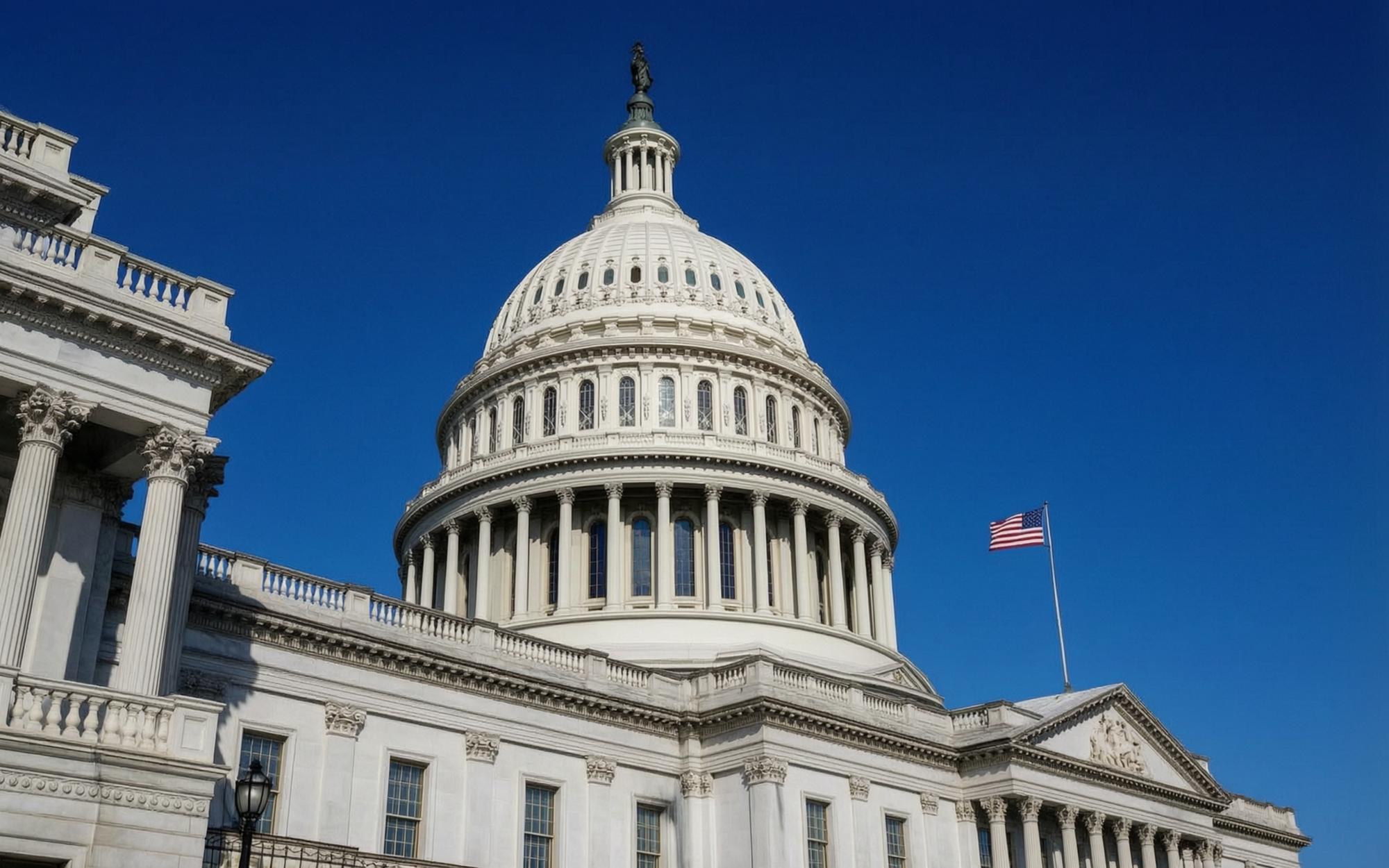
=In a charged late-night session that blended revisionist politics with a dash of common sense, the House Armed Services Committee narrowly voted to reinstate the Naming Commission’s recommendations and to officially rename the Pentagon’s bureaucracy to its original and far more honest title: the Department of War.

The amendment, introduced by Rep. Ronny Jackson of Texas, passed alongside a separate measure from Democrat Marilyn Strickland of Washington that reimposes woke-era base renamings.

The vote split nearly down the middle, 29 to 27, exposing a sharp divide over whether America should continue erasing its own history or start reclaiming the strength and symbolism of the Armed Forces.

Strickland argued that President Trump and War Secretary Pete Hegseth ignored Congress by revising base names to honor new heroes with the same last names as former Confederate officers.

The Trump administration, however, maintained that honoring modern Medal of Honor recipients like Fitz Lee—an African American Buffalo Soldier—was a far better reflection of the true American spirit than anything concocted by D.C.’s cultural commissars.

“The administration used the same stunt the commission rejected—finding new service members that share the same last name as the Confederate traitors,” Strickland claimed, airing grievances that somehow honoring heroic troops is offensive.

A few Republicans, including Rep. Don Bacon of Nebraska, threw their support behind Strickland’s measure. Bacon said he was following the precedent set in 2020 when Democrats and Republicans jointly pushed through the original renaming legislation, overriding Trump’s veto.

“We did it right then, and the Secretary came in here and put his thumb in our eye,” Bacon said, suggesting that President Trump’s corrective actions wounded the committee’s pride more than the nation’s heritage.

On the other side, conservatives pushed back hard against what they called historical purging.

Rep. Pat Fallon of Texas reminded his colleagues that judging centuries-old figures through the moral lens of modern politics is foolish and destructive. “Are we going to rename this city next? Where does it end?” Fallon asked pointedly.

Rep. John McGuire of Virginia sided with Trump and Hegseth, calling their approach a “reasonable balance.” McGuire underscored that America’s military tradition must face its history honestly, not erase it. “Our history should be taught, not erased,” he said.

Strickland’s amendment revives all the commission’s politically correct designations—Fort Liberty for Fort Bragg, Fort Cavazos for Fort Hood, Fort Moore for Fort Benning, and so on—highlighting how bureaucrats believe new names can somehow cleanse history’s complexity.

The measure also renames Fort Gordon after Medal of Honor recipients Master Sgt. Gary Gordon and Sgt. First Class Randall Shughart, heroes of Mogadishu.

While Democrats lauded the symbolic nature of these changes, the bigger story came with Rep. Ronny Jackson’s bold amendment to officially rename the Pentagon’s sprawling bureaucracy as the Department of War.

“This name reflects the determination and resolve of our brave men and women of the U.S. military who aggressively fight to secure our national interests,” Jackson said. “Our military does much more than defend the homeland.”

Jackson’s measure is more than semantics—it restores honesty to the language of national defense. America does not maintain a military to “defend feelings.”

It fights wars, deters enemies, and destroys threats. President Trump recognized that when he issued an executive order in 2025 to bring back the title Department of War, signaling that peace comes through strength, not appeasement.

Predictably, the Left scoffed. Committee ranking member Adam Smith dismissed the change as “making no frickin’ difference whatsoever” and complained about the supposed expense of updating signage and letterheads. Typical Beltway logic—more concerned about office stationery than strategic clarity.

Historically, the Department of War was created in 1789 by President George Washington and existed until 1947 when President Harry Truman, in the name of bureaucratic consolidation, replaced it with “Defense.” Ever since, America’s warfighting spirit has been papered over with buzzwords and acronyms, while adversaries from Russia to China have faced no such identity crisis.

The committee also tackled another policy—banning hate symbols such as swastikas and nooses across all branches, including tattoos and personal equipment.

Conservatives generally supported that move as long as it didn’t morph into yet another social engineering crusade.

Officials clarified that the new policy aims to reaffirm, not dilute, the moral integrity of the military community.

Coast Guard representatives even had to reassert last year that classifying Nazi imagery as “potentially divisive” was a misunderstanding. Welcome to 2024, where bureaucrats need memos to explain that Nazi symbols are bad.

In the end, the night encapsulated everything about Congress in the Trump era—Democrats obsessed with virtue signaling, establishment Republicans torn between principle and optics, and sharp conservatives pushing a return to unapologetic American resolve.

Whether or not the full Congress approves these amendments, the message is clear: the Trump-Hegseth vision of a stronger, prouder, and more honest military identity is taking hold.

The words “Department of War” are back on Capitol Hill’s lips—and that alone signals America is done pretending that peace comes cheap.

News

Pentagon Tech Chief Warns AI Firms: Stop Ignoring Weaponization Risks

America’s top tech leader in the War Department is letting Silicon Valley know it’s time to get serious about national security.

Emil Michael, the undersecretary for research and engineering, didn’t mince words when he said AI companies have a duty to stop pretending their creations are neutral tools.

Some of these systems, he warned, are potential “cyber weapons” — and companies can’t keep shrugging off the responsibility that comes with unleashing them.

Speaking at the Washington Post’s inaugural Building America Summit, Michael made clear that the Pentagon won’t sit back while private tech firms chase profits and ignore the national security consequences of their innovations.

He pointed directly at Anthropic’s new AI system, named Mythos, as one of those risky models sitting at the edge between innovation and catastrophe.

“These companies have a responsibility to ensure that their weapons, what they call weaponization potential of these models, to be careful and thoughtful about what they’re doing,” Michael said.

His point: AI isn’t just about fun apps or clever chatbots — it’s already part of the global battlefield, whether companies like it or not.

His comments come in the wake of President Donald Trump’s latest executive order on AI, which pushes innovation while reminding the tech giants that national defense takes precedence over their corporate virtue signaling.

The order creates a new “AI cybersecurity clearinghouse” where AI companies can voluntarily let the government scan their software for vulnerabilities before release. It’s voluntary, for now — but the message is loud and clear.

Michael noted that firms with “weaponization capability” should allow government experts to spend 30 days examining their systems.

Such evaluation could expose security gaps in critical U.S. infrastructure like power grids, water systems, and hospitals — the exact places America’s enemies would target if those AI tools fell into the wrong hands.

“I think they’ve all agreed and think it’s a good idea to do that,” Michael explained.

“I give all the companies, OpenAI, even Anthropic, and Google credit for sort of agreeing that was a smart thing to do.” It’s a rare thing these days to see massive tech players actually align with the Pentagon’s sense of duty — but apparently even Silicon Valley knows it can’t afford to get on the wrong side of President Trump’s national security revival.

One company that remains a thorn in the Pentagon’s side is Anthropic. The firm has been left out of several major defense partnerships after refusing to allow unrestricted access to its Claude models for military applications.

Anthropic even sued the Trump administration after being labeled a supply chain risk — a move that only deepened the perception that the company prioritizes ideology over American security.

Now, Anthropic’s new product, Mythos, is drawing fire from cybersecurity experts who see it as a hacker’s dream tool.

The company itself bragged that the system can “find ways to exploit vulnerabilities” in software, essentially advertising the fact that their model can be weaponized by any adversary with a keyboard.

Critics inside the intelligence and defense communities are warning that selling such technology without guardrails is an open invitation to foreign cyberattacks.

Meanwhile, the War Department isn’t sitting idle. AI has already been deeply integrated across the department’s operations, from intelligence analysis to logistics optimization.

“Six months ago, only about 80,000 federal employees were AI users each month. Now, there are 1.5 million,” Michael said. The government, he added, has “raced” to push AI deeper into daily workflows to gain major advantages in efficiency, intelligence, and warfighting readiness.

By year’s end, Michael expects that three-quarters of the entire department will be using AI systems in their duties. “We’ve integrated all the biggest AI companies over the last few months,” he said, adding that this surge in adoption means “we’re, in one year, going to make progress more than the five years before it.”

The push marks another step in President Trump’s ongoing effort to accelerate modernization inside America’s national security infrastructure.

Under War Secretary Pete Hegseth and leaders like Michael, the Department of War is rebuilding a culture that emphasizes strength through innovation — not bureaucratic red tape. The goal isn’t just technological advancement; it’s deterrence through superiority.

Michael’s call for corporate accountability in AI development reflects a broader understanding that warfare now extends far beyond physical battlefields.

Cyber capabilities, machine learning, and automation are now weapons of equal — if not greater — strategic value. If private companies aren’t responsible, the consequences could be disastrous, both for them and for the nation they rely on to keep them free to operate.

The Pentagon’s warning should not be ignored. The next generation of American defense will depend on how well AI is harnessed — and how securely it’s built.

The companies that take that duty seriously will find themselves on the winning team. Those that don’t may find themselves locked out of the future of national defense entirely.

News

Army Sets Stricter Standards for Religious Beard Waivers

The Army is tightening up its standards for troops seeking religious exemptions to grow beards, rolling out detailed new rules meant to separate genuine spiritual beliefs from convenient excuses to dodge grooming regulations.

This fresh directive follows War Secretary Pete Hegseth’s March mandate requiring greater accountability and transparency when soldiers request religious accommodations. The message is simple enough: faith-based requests are welcome, but “because I feel like it” won’t cut it anymore.

Under the updated policy, soldiers must now back up their requests with sworn statements and clear supporting evidence showing their religion actually requires or encourages growing a beard.

The directive makes one key point crystal clear—“secular beliefs, no matter how sincerely or closely held, are not grounds for accommodation.” In other words, personal preference masquerading as faith isn’t going to fly.

Commanders, chaplains, and other reviewing officials will be evaluating more than just paperwork. They’re instructed to assess whether a soldier’s “stated beliefs consistently guide the soldier’s actions.”

That means looking at behavior, past conduct, demeanor, and even appearance. If an applicant’s request looks more like an attempt to sidestep the uniform code than a matter of conviction, it can—and likely will—be shot down.

To help with that determination, every applicant must meet with a chaplain who will use two structured tools: the “Religious Basis Tool” and the “Sincerity Tool.”

The first one focuses on the theological side—why the belief calls for a beard, what aspects of military life interfere with it, and how denial might affect a soldier spiritually or ethically.

The second digs into the soldier’s life and habits—do they actually observe holidays, follow religious diets, or participate in study and community activities tied to their faith?

The directive also warns about “ulterior motives.” If a request conveniently pops up right after a soldier faces discipline, leadership will suspect the motive isn’t faith. That’s not bureaucracy—it’s common sense.

Final authority for approving or denying these religious waivers now lies with the Assistant Secretary of the Army for Manpower and Reserve Affairs.

Commanders still have discretion to suspend an existing waiver if health or safety risks arise, such as threats involving chemical, biological, or radiological exposure. After all, readiness and survivability take precedence in the profession of arms.

But the crackdown doesn’t stop with new applicants. The directive requires troops with existing waivers—whether for beards, hijabs, turbans, kufis, or other religious headgear—to resubmit their requests through the Army’s Integrated Personnel and Pay System–Army (IPPS-A).

The goal is greater transparency and consistent oversight, something many in the ranks will argue is long overdue.

“Soldiers must resubmit requests through the Integrated Personnel and Pay System–Army for transparent tracking,” said Maj. Tavis Shaw, an Army spokesperson. “All requests are adjudicated on a case-by-case basis, ensuring every soldier is treated with dignity and respect.”

That last part carries weight—dignity and respect cut both ways, and fairness doesn’t mean free passes.

Those who fail to renew their requests within 45 days of counseling risk seeing their waivers expire.

Worse yet, if the new evaluations deny a waiver, soldiers will have just 24 hours to comply with grooming standards. It’s a brisk timeline that underscores Hegseth’s point: the War Department is done letting vague or unsubstantiated claims drag on endlessly.

And those who ignore the rules? Administrative separation is squarely on the table. No amount of creative justification will substitute for an approved waiver or medical exemption.

Discipline and uniformity remain cornerstones of military professionalism, and Hegseth’s War Department appears intent on reinforcing that backbone.

This new framework doesn’t take aim at faith—it protects it by demanding sincerity. Genuine belief deserves respect; manipulation of the system undermines both order and true religious freedom. By setting firm but fair standards, the Army preserves the integrity of its ranks while honoring legitimate convictions.

At a time when social and cultural trends tempt institutions to bend to every whim, this policy sets a refreshing precedent: being a soldier still means something, and the uniform still matters.

Secretary Hegseth’s push for accountability sends a message to the entire force that discipline and devotion aren’t competing values—they’re inseparable.

The modern Army may be navigating a more complex cultural landscape, but one thing remains unchanged: integrity, service, and readiness always come before personal convenience. These new beard waiver standards make that priority crystal clear.

News

House Approves Historic $1.15 Trillion War Budget with Major Troop Pay Raise and Housing Changes

The House Armed Services Committee has advanced a massive $1.15 trillion war policy bill, marking the largest military authorization in American history.

The plan delivers a substantial pay bump for troops, adds more manpower to the ranks, and reshapes benefits in an effort to rebuild a force hollowed out by decades of underinvestment and bureaucratic neglect.

Passed by a 44-12 vote, the fiscal 2027 National Defense Authorization Act now heads to the House floor, where it is expected to be taken up in July.

The price tag is staggering, but so is the message: America is serious again about deterrence, strength, and the readiness of its warriors.

Chairman Rep. Mike Rogers, R-Ala., made it clear that the committee’s intention is to put the War Department back on the offensive. “This proposal revitalizes the defense industrial base, creates good-paying American jobs, and reverses the damage caused by decades of underinvestment in the U.S. military,” Rogers said.

His words echo the Trump administration’s recurring warning that America cannot afford another era of military decay while adversaries build arsenals at breakneck speed.

The bill’s biggest headline item is the troop pay raise. Service members from E-1 through E-5 will see a 7% increase, those from E-6 through O-3 will see 6%, and upper ranks O-4 and above will receive 5%. That’s a clear recognition that America’s junior enlisted troops—the backbone of the force—deserve relief from rising prices and punishing inflation.

The size of the hike dwarfs the 3.8% raise from fiscal 2026, though it doesn’t reach the record-setting 14.5% increase granted in 2025 to help cover post-inflation living costs. Still, it places far more money where it belongs: in the hands of those wearing the uniform.

The proposal also adds 40,100 active-duty troops across the services: roughly 15,000 for the Army, 12,000 for the Navy, 8,900 for the Air Force, 1,400 for the Marine Corps, and 2,800 for the Space Force. Once implemented, the active-duty force will climb to 1,342,900 members—numbers not seen since before the hollow force days of the Obama era.

Trump Signals Possible Night of Strikes If Tehran Misses Tuesday Deadline

On the benefits side, the bill offers several long-overdue reforms. Perhaps most significant is the removal of a service member’s Basic Housing Allowance from eligibility calculations for the Basic Needs Allowance.

For far too long, the inclusion of housing pay kept lower-income military families from qualifying for assistance, forcing many to rely on food banks despite their service. Roughly one in four military households has reported food insecurity; this policy aims to fix that insult once and for all.

Lawmakers also added compassion-based policy changes such as bereavement leave for pregnancy loss or stillbirth, limits on efforts to shutter or “restructure” base medical facilities, and new auditing requirements for Tricare. The Government Accountability Office will launch a sweeping review into Tricare’s pharmacy benefits—something families have been demanding after years of red tape and delays.

Under the legislation, troops will be able to access physical therapy without a formal referral. The bill also expands child care resources by officially allowing au pairs to qualify under the War Department’s Child Care in Your Home Fee Assistance Pilot Program. For thousands of dual-serving families stretched thin by deployments, that could be a critical relief measure.

Oversight provisions also made their way into the final draft. The committee demanded that the Pentagon, under War Secretary Pete Hegseth, provide detailed reports whenever flag officers are dismissed or disciplined—an attempt to restore accountability to an institution that has grown increasingly opaque.

The move follows Hegseth’s decisive firing of Army Chief of Staff Gen. Randy George earlier this year, part of an effort to purge complacent brass and revive a warrior culture focused on winning wars, not pushing diversity memos.

Hegseth Defies Bureaucrats, Hits Campaign Trail for Trump-Backed Navy SEAL

Additionally, the House required an independent review into the recent decision to cancel an Army brigade’s deployment to Poland and the plan to pull 5,000 U.S. troops from Germany. Critics say such moves might send the wrong signal to both allies and adversaries at a time when deterrence must remain ironclad.

The $1.15 trillion authorization aligns exactly with President Trump’s War Department request. On top of that, the administration has also proposed an additional $350 billion in separate supplemental funding under reconciliation—money aimed at restoring a true wartime readiness posture against threats from China, Iran, and Russia.

The Senate has yet to introduce its version of the bill, with its Armed Services Committee set for closed-door sessions next week. There’s little doubt the upper chamber’s version will differ, but the House measure already defines the baseline for a return to robust, unapologetic American strength.

Some Democrats fretted about the price tag, with Rep. Adam Smith, D-Wash., pointing out the 30% jump in spending.

But here’s the undeniable fact: when you’re staring down a $40 trillion national debt built on wasteful social programs, the one thing worth spending on is national security. As most on the committee agreed, this is money well spent—for our soldiers, our sovereignty, and our survival.

The bill now heads to the full House after the Independence Day break. Lawmakers like Rep. Rob Wittman, R-Va., expect debate in mid-July, setting up a potential summer showdown over priorities—whether America arms itself adequately for a dangerous world or retreats back into the comfort of wishful thinking.

Either way, the message from the House is loud and clear: after years of drift, America is rebuilding its arsenal of democracy. And this time, our troops, not the bureaucrats, come first.


Scroll to Top