Author name: Common Defense

News

Air Commandos Make History in Brutal Argentine Mountain Warfare Training

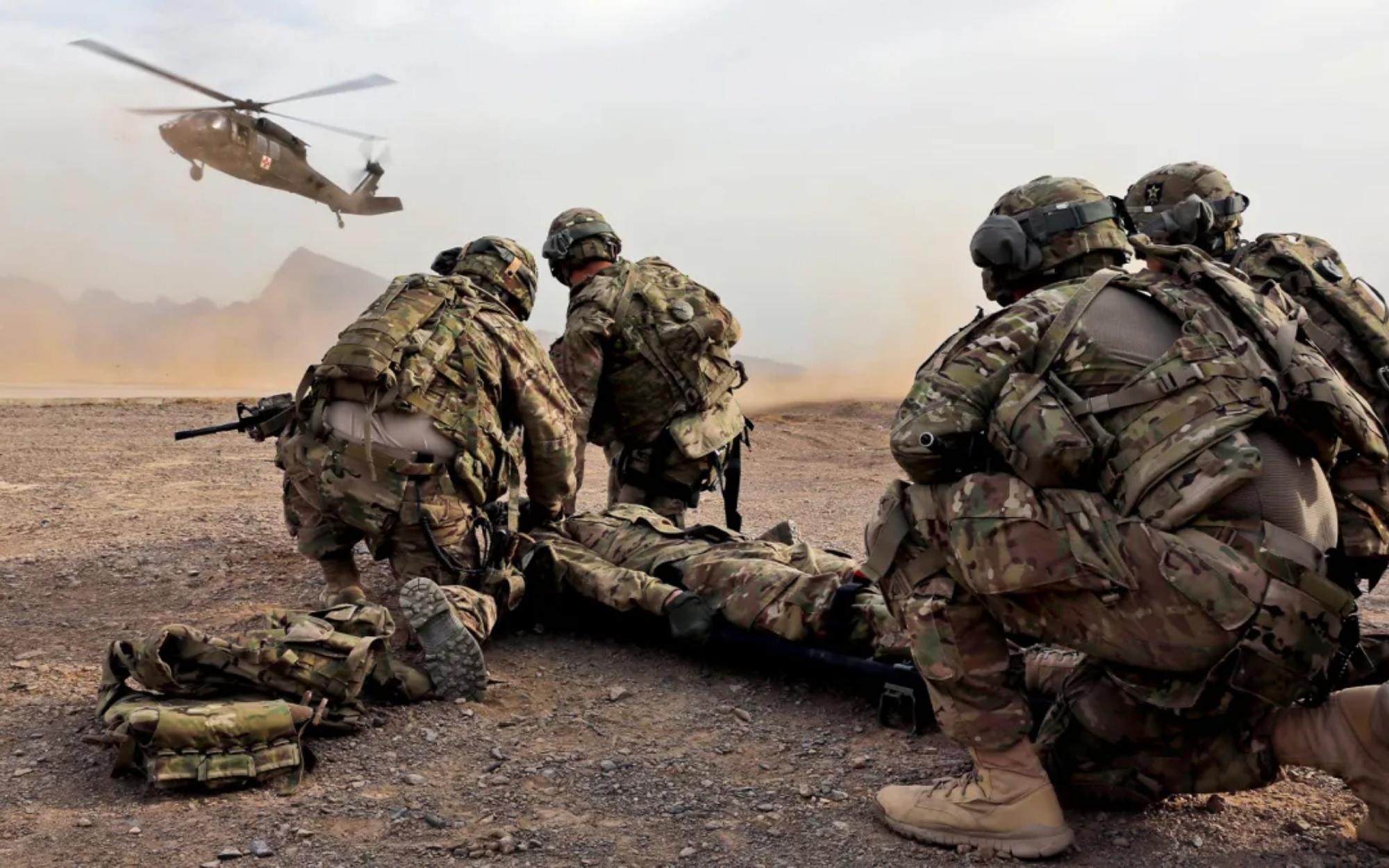
Two U.S. Air Force air commandos have officially carved their names into the record books after conquering one of the toughest mountain warfare courses in the world, hosted by Argentina’s Escuela Militar de Montaña in the unforgiving terrain of Patagonia.

The achievement marks the first time in history that members of the U.S. Air Force have completed this grueling training, an accomplishment that signals a renewed focus on high-intensity, specialized combat readiness across the force.

The airmen hail from the 492nd Special Operations Wing and the 919th Special Operations Wing, two elite units known for their adaptability and extreme mission sets.

Over the span of several brutal weeks, they pushed their physical endurance and tactical mastery to the edge, training shoulder-to-shoulder with Argentina’s top mountain warfare specialists in some of the toughest environmental conditions on Earth.

“Nothing compared to the level of mountaineering we would endure during this course,” one participant from the 919th SOW admitted. “They took what I had previously considered intense hiking and went vertical.

While I had some experience, this school introduced an entirely new element: multi-pitch rock climbing.” It’s the kind of firsthand lesson in grit and adaptability that separates elite warfighters from the rest.

The course, set among Patagonia’s steep rock faces, icy ridges, and unpredictable weather, forced participants to master cold-weather survival, high-altitude operations, and vertical mobility.

Every movement, every rope tied, and every climb required precision, teamwork, and the kind of relentless drive that defines America’s special operators.

The training covered advanced rock climbing, rope safety, and the use of single-rope crossings over mountain rivers — skills critical for mission success in remote, austere, and enemy-contested terrain.

These are the kinds of capabilities the U.S. warfighter must maintain as global threats become more unpredictable and as the Pentagon, under leadership like War Secretary Pete Hegseth, seeks to further harden America’s edge in irregular warfare scenarios.

The significance of this accomplishment extends beyond the walls of training halls; it deepens operational ties between the U.S. and Argentina. Partnering with other nations that share national defense priorities builds mutual trust and tactical interoperability.

The Argentine instructors reportedly took note of the Americans’ determination and sportsmanship — one U.S. airman even earned the coveted “Best Teammate Award,” voted on by classmates.

Both airmen completed not only the mountain warfare course but also the demanding instructor qualification phase.

Their performance was so strong that the Argentine military extended an invitation for them to return as guest instructors in upcoming courses, a rare honor that reflects both respect and confidence in their abilities.

Colonel Zak Blom, commander of the 492nd Special Operations Wing, hailed the historic achievement, noting, “By mastering this course and becoming instructors alongside our Argentinean partners, these airmen are writing the next chapter of that legacy — tackling challenges that haven’t been touched by U.S. forces in decades.”

It’s that kind of forward-leaning mentality that defines the 492nd’s operational spirit.

It’s worth noting that no American servicemember had participated in the school since 2006, making this event a symbolic and practical re-entry into the kind of coalition training that builds real-world capability, not just checklist exercises.

These commandos didn’t just test themselves — they reminded both allies and adversaries that U.S. warriors don’t fade from tough fights; they chase them.

For years, America’s special operations forces have leaned into global partnerships to sharpen unconventional warfare skills and ensure readiness across all environments.

From Arctic survival training to jungle operations, these exchanges cultivate joint expertise that pays off when crises erupt or when strategic deterrence demands elite readiness.

The Argentine mountain warfare course, with its demanding pace and punishing terrain, proved the perfect crucible to measure that readiness. It cemented that the next generation of U.S. commandos will meet adversity with steadiness, courage, and ingenuity — whether scaling frozen cliffs or operating in hostile high-altitude battlefields.

In a time when America’s adversaries — from China to rogue regimes — watch our every move, the sight of U.S. air commandos award-winning in such an elite foreign school sends a clear message. Our warriors are not just maintaining standards; they are setting them.

This is the kind of military excellence that has defined the American fighting spirit for generations. And under strong national-security leadership, it’s exactly the kind of edge we’ll need to keep the upper hand against any threat, anywhere, anytime.

News

Trump Says Downed Apache Crew ‘Got Very Lucky’ After Iranian Attack

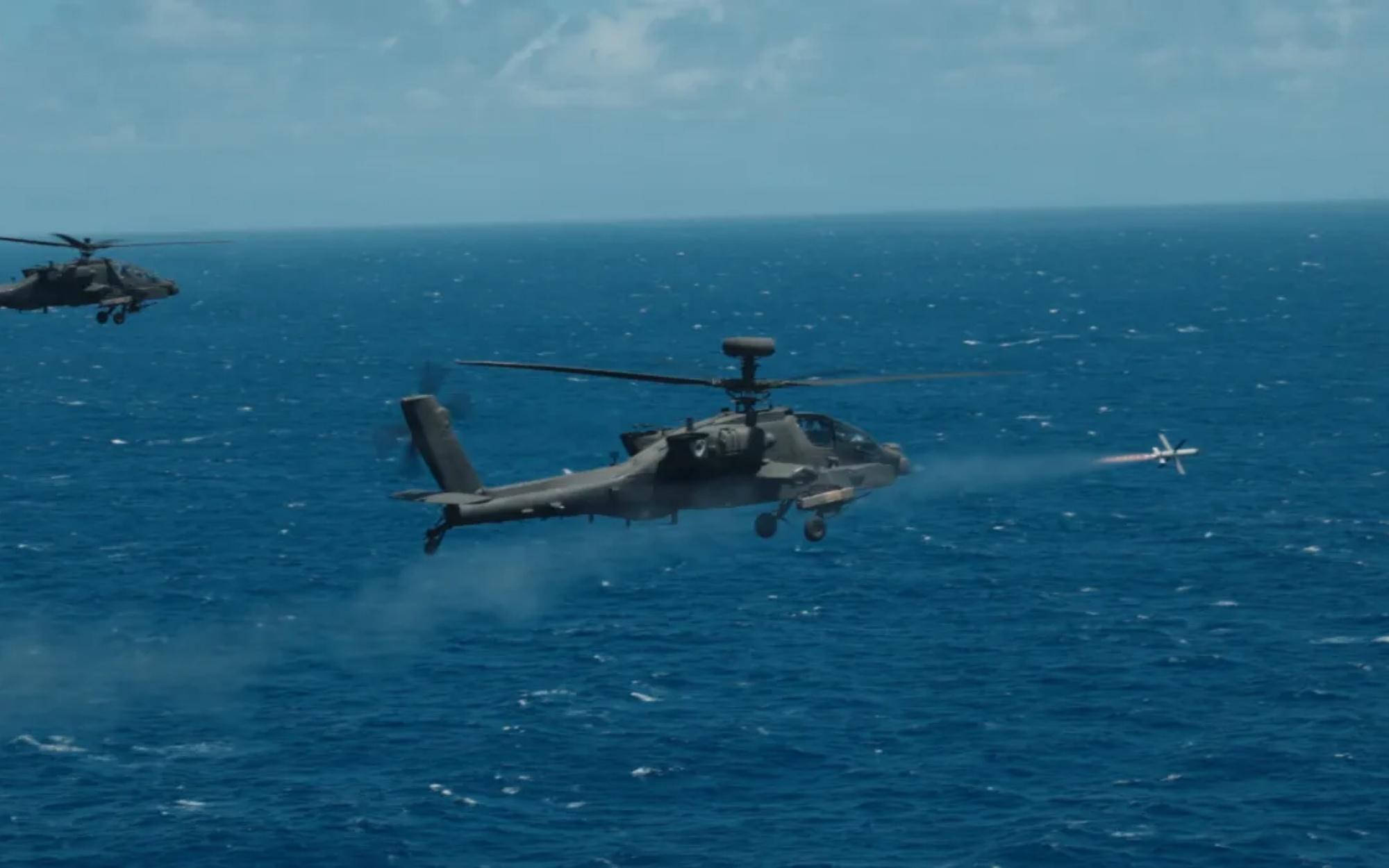
President Donald Trump didn’t mince words Wednesday when he described the near miss involving two U.S. Army aviators whose AH-64 Apache helicopter was knocked out of the sky by Iranian aggression over the Strait of Hormuz.

“They got very lucky,” he said from the Oval Office, adding that retaliation against Tehran is “not over.”

Trump made it clear America had already punched back hard and wasn’t about to stop. “We hit them hard yesterday and we’re going to hit them hard again today,” he told reporters, his tone a mix of confidence and warning.

The message to Iran was unmistakable: hit American forces and expect a swift, fierce response.

Initial reports suggested the Apache had been shot down outright. Trump clarified later that the aircraft was struck by an Iranian ordnance that failed to explode, narrowly sparing the lives of the two pilots.

“That bomb was lodged in the helicopter, it didn’t explode,” he explained. “It was on fire but it didn’t explode. Those two guys, they knew how to fly, but they got very lucky.”

The President, never short on candor, added a touch of levity about the dramatic rescue that followed, saying, “You won’t believe the rescue, how cool it was.” For good reason—the operation marked a notable first in U.S. military history.

Apache Aces Down Drones in Daring Sky Duel Using Proximity 30mm Rounds
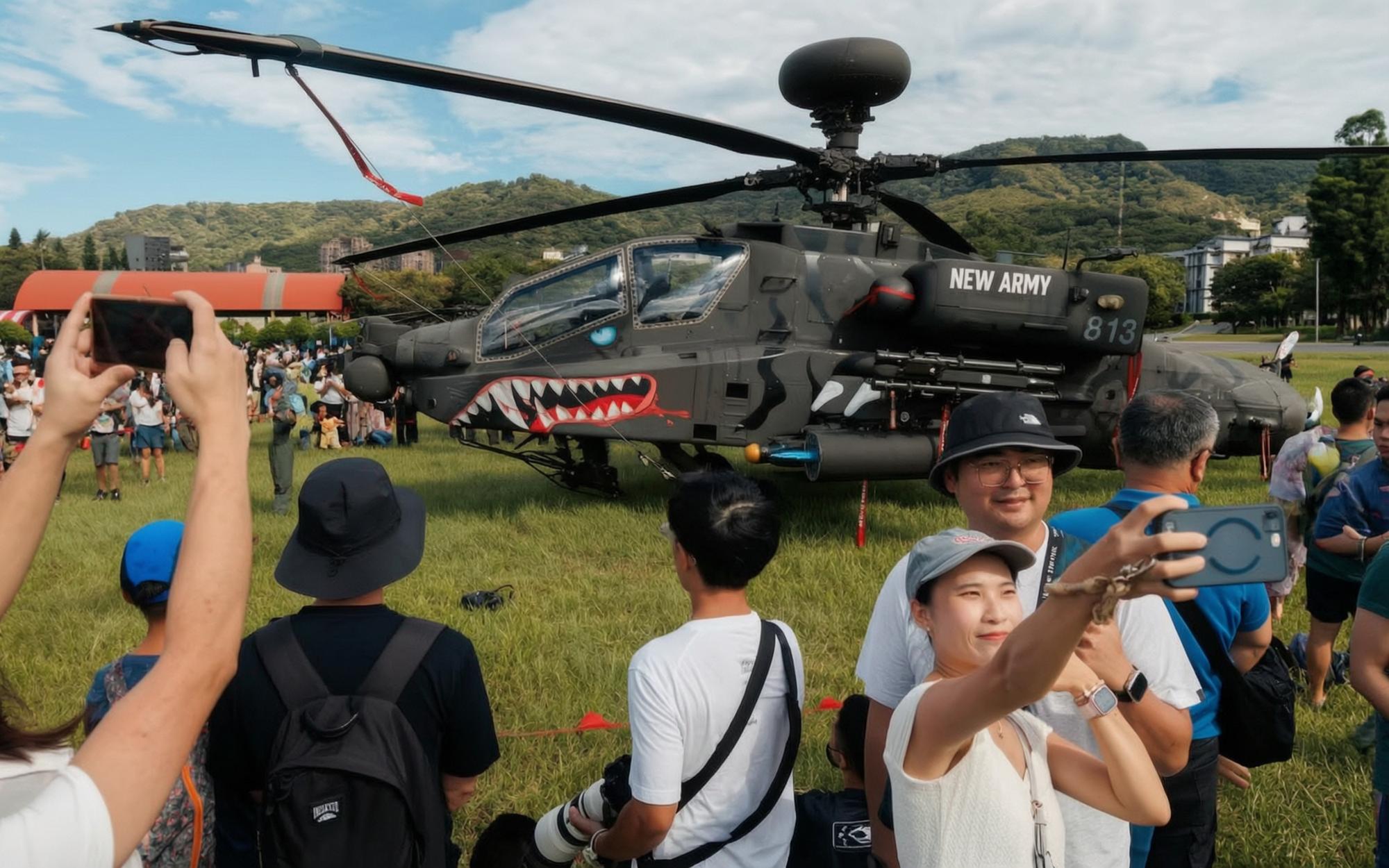
U.S. Army soldiers, assigned to 12th Combat Aviation Brigade, support 1st Squadron, 91st Cavalry Regiment, 173rd Infantry Brigade Combat Team (Airborne), in an AH-64 Apache Helicopter during an air assault operation at the 7th Army Joint Multinational Readiness Command’s Hohenfels Training Area, Germany, March 19, 2014. (U.S. Army photo by Visual Information Specialist Gertrud Zach/released)

The two downed aviators were pulled from the sea by a remotely piloted Navy surface drone, part of the War Department’s expanding array of unmanned technologies under U.S. 5th Fleet’s Task Force 59.

It was the first time one of these surface systems was used in a rescue operation. As military innovation continues to evolve, this event may signal a new era of unmanned battlefield support that saves lives and delivers results.

Capt. Tim Hawkins, spokesman for U.S. Central Command, told Military Times that the Corsair unmanned surface vessel retrieved the aviators and brought them to a rendezvous point offshore where they were airlifted to safety.

“The surface drone that assisted in [Monday’s] rescue of the Apache crew off the coast of Oman was a U.S. Navy Corsair unmanned surface vessel operated by U.S. 5th Fleet’s Task Force 59,” Hawkins said.

Built by Texas-based Saronic Technologies, the 24-foot Corsair can carry payloads of up to 1,000 pounds over 1,000 nautical miles and reach speeds of 35 knots. It’s fast, efficient, and exactly the kind of forward-thinking tool the War Department is leaning on to gain the upper hand. It’s also a strong reminder that American ingenuity remains light-years ahead of Iran’s clunky, copycat war machines.

Apache Becomes Drone Hunter as Army Tests Airburst Rounds to Take Down Drones

The encounter showed the asymmetrical nature of modern conflict. A low-cost Iranian Shahed-136 drone, estimated at just $20,000, managed to strike a U.S. Army Apache valued at around $35–40 million.

While the math might seem lopsided, it reveals how Tehran’s tactics favor cheap, expendable assets intended more for provocation than dominance. The fact the U.S. crew survived—and was swiftly rescued—sends the opposite message: technology and toughness still win the day.

Iranian officials, of course, wasted no time blustering in retaliation. After American forces launched precise counterstrikes Tuesday night, Iran’s foreign minister threatened that “our powerful armed forces will leave no attack or threat unanswered.”

The Revolutionary Guard then boasted of attacking 21 U.S. sites across the region, including bases in Bahrain, Kuwait, and Jordan. As usual, Iranian propaganda claimed “victories” without a shred of evidence to back them up.

Yet even as tensions simmer, Trump indicated room remains for diplomacy—but only if Iran stops playing games.

U.S. Army Apaches and Navy Seahawks Obliterate Iranian Boats Blocking the Strait of Hormuz
Army AH-64 Apache attack helicopters sunk several Iranian boats, U.S. officials said, as the first day of the operation to escort commercial ships through the Straits of Hormuz resulted in combat. U.S. Army photo.

“We’ll see what happens with the deal,” Trump said. “We were really close to a deal but they keep tapping us along, they keep playing us for suckers. All they have to do is they have to start signing a paper, it’s fully negotiated.”

His remarks signaled that while he remains open to negotiation, he’s not interested in another endless cycle of empty promises from Tehran. The President’s blunt style—equal parts deterrence and directness—has kept adversaries guessing and allies alert.

For the War Department, the Apache incident illustrates both the peril and preparedness inherent in the region. Despite enemy escalation, U.S. forces are operating with cutting-edge technology, decisive leadership, and unwavering resolve from Washington.

America doesn’t back down when its people are attacked—it strikes back stronger.

The downing of the Apache may have been Iran’s latest provocation, but the rescue that followed sent a clearer signal: under President Trump’s leadership and with Secretary of War Pete Hegseth driving a renewed focus on strength, the U.S. warfighter remains unstoppable.

And for Iran, that’s the real warning shot.

News

Pentagon Launches New ‘Joint Warfighting Evaluation’ to Tighten Standards for Flag Promotions

The War Department is rolling out a sweeping new requirement aimed at strengthening the quality and readiness of America’s top military officers.

The initiative, dubbed the “Joint Warfighting Evaluation,” will serve as a new qualifier for officers seeking promotion from O6 to O7, marking their entry into the general and admiral ranks.

According to a memo from Undersecretary of Personnel and Readiness Anthony Tata, the evaluation will assess an officer’s operational analysis, communication, and decision-making skills in a “rigorous and standardized” manner.

The goal is to ensure that only the most capable and strategically minded officers are entrusted with senior command responsibilities.

“The evolving character of war and complexities of the global security environment demand a rigorous and standardized method for evaluating core competencies of our joint warfighters,” Tata stated in his May 28 memo.

He made clear that this program is designed to strengthen the military’s internal talent systems and bolster the leadership core for future conflicts.

The Pentagon has yet to publicly release more details about the evaluation process, but Tata’s memo confirms the formation of an “Operational Planning Team” charged with developing the new assessment standards.

The move reflects a growing push toward accountability and measurable performance across the armed forces.

No Indo-Pacific Peace Without Military-Industrial Muscle and Allied Buy-In, U.S. General Warns
U.S. Army Gen. Xavier T. Brunson speaks at LANPAC in Honolulu, Hawaii, May 12, 2026. (Sgt. Daniela Lechuga Liggio/U.S. Army)

An O6 is typically a colonel in the Army, Air Force, and Marine Corps or a captain in the Navy. Promotion to O7 marks the start of the elite flag officer tier—brigadier general or rear admiral (lower half)—where officers begin to shape national-level strategy and lead large formations of warfighters.

Katherine Kuzminski, of the Center for a New American Security, noted that this updated approach builds upon existing law, not a departure from it. “The updated policy is an evolution of current law and policy, rather than a break from it,” she explained.

The foundation for joint assignments traces back to the 1986 Goldwater-Nichols Act, which mandated cross-branch experience as a prerequisite for promotion to general or admiral ranks.

Under that law, officers must serve a minimum of 22 months in joint duty posts—roles that expose them to multi-branch operations across combatant commands, the Joint Staff, or the Department of War. This experience aims to create leaders capable of synchronizing air, land, sea, space, and cyber capabilities in modern warfighting.

The new evaluation could bring fresh accountability to a system that, in some cases, has become more about time in service than demonstrated excellence. Kuzminski suggested that the Operational Planning Team can “take the strengths of the existing Goldwater-Nichols requirements (which can be treated as simply a ‘box checking’ exercise)” and turn them into a more meaningful test of leadership ability and joint command readiness.

Top Space Force General: China Practicing 'Satellite Dogfighting' Maneuvers in Orbit

The memo reveals that former Marine Lt. Col. Stuart Scheller will chair the committee overseeing this overhaul. Scheller, who drew national attention for publicly criticizing the disastrous U.S. withdrawal from Afghanistan, has emerged as a serious reformer since joining Tata’s office in 2025 as a senior advisor. His inclusion signals a shift toward merit-driven assessments and away from bureaucratic complacency.

Scheller echoed that sentiment in a recent social media post responding to coverage of War Secretary Pete Hegseth’s earlier directive pushing “joint warfighting ability” into all promotion evaluations.

“We need objective markers when it comes to meritocracy in the military selection system. We need the best warfighters to demonstrate their ability to solve a military problem,” Scheller wrote.

Hegseth’s reforms have focused on restoring lethality and merit-based advancement across the force. The addition of the Joint Warfighting Evaluation aligns with his broader campaign to identify and promote officers who can command effectively under real-world combat pressure, not just navigate Washington’s paper trails.

Hegseth's 'Less Generals, More GIs' Plan Set to Cut Over 120 Senior Military Positions

For decades, promotion boards have faced criticism for valuing bureaucratic checklists over battlefield competence. Hegseth and Tata appear determined to break that mold, creating an evaluation that reflects the demands of modern warfare against peer adversaries like China and Russia.

The objective is clear: sharpen America’s warrior edge and ensure that future generals and admirals earn their stars through tactical brilliance, not career maneuvering.

As the Operational Planning Team gets to work, all eyes across the military establishment will be on how this new evaluation reshapes the path to senior leadership.

If executed properly, it could return America’s highest ranks to a performance standard rooted in combat skill, decision-making under fire, and an unshakable commitment to victory.

News

Pentagon Rolls Out ‘Cyber Mastery Incentive Pay’ to Boost Digital Warfighters

The Pentagon is taking a major step toward strengthening America’s digital warfighting capabilities by launching a new pay initiative aimed at rewarding and retaining top cyber talent.

Dubbed the Cyber Mastery Incentive Pay, or C-MIP, this program is a cornerstone of the War Department’s Project Patriot Pipeline effort, designed to modernize how the military recognizes excellence in its cyberspace operations forces.

For years, the cyber warriors behind America’s digital defense have operated under outdated incentive systems that failed to match their mission demands or expertise levels.

Now, with the C-MIP, the Pentagon is giving the nation’s cyber operators a more direct link between mastery of skills and financial compensation.

Undersecretary of War for Personnel and Readiness Anthony Tata explained that the initiative was built to reward those who protect the country in the ever-evolving digital battlespace.

“To incentivize our cyber forces and meet both War Department and Defense Industrial Base needs, we need to shed legacy incentive models and invest directly in our people serving on the digital front lines. C-MIP does this,” Tata said.

The program represents a significant shift away from the rigid pay structures that have hamstrung government innovation. Developed in just 60 days by the CYBERCOM 2.0 team, the C-MIP will deliver a flexible, performance-driven approach to compensation, placing the focus where it belongs—on skill, mastery, and mission success.

Former Army Sergeant Pleads Guilty to Attempting to Sell U.S. Military Secrets to China
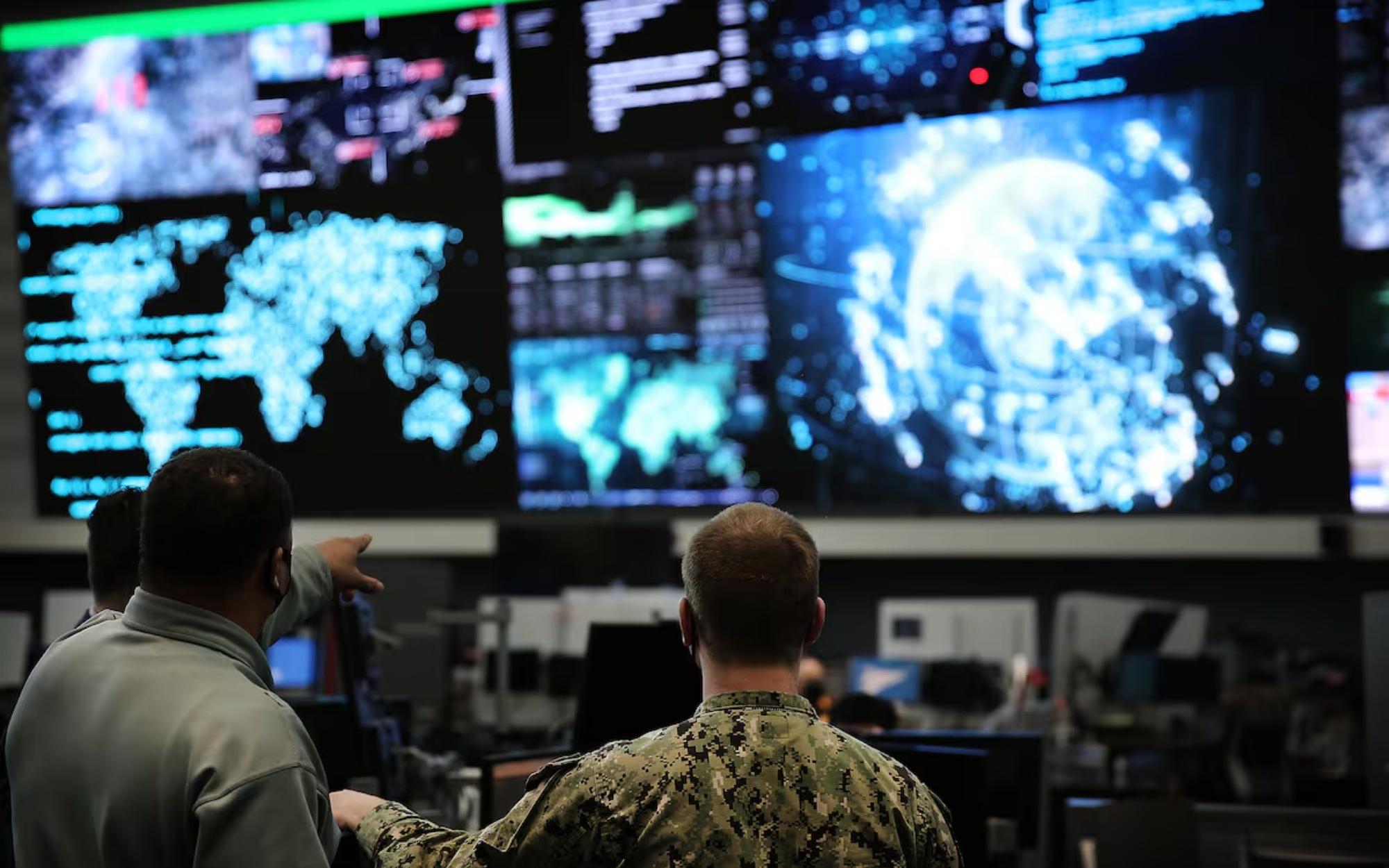
Cyber-warfare specialists serving with the 175th Cyberspace Operations Group of the Maryland Air National Guard engage in weekend training at Warfield Air National Guard Base, Middle River, Md., Jun. 3, 2017. (U.S. Air Force photo by J.M. Eddins Jr.)

At its core, the pay program is built on two key layers: skill incentive pay (SIP) and special duty assignment pay (SDAP). The SIP portion rewards individuals based on skill level, whether basic, senior, or master. It ensures that those who continually sharpen their technical edge are recognized for that professional dedication.

Meanwhile, SDAP targets those serving in exceptionally demanding roles, such as advanced trainers or mission-critical specialists. These are the digital commandos tackling complex operations, dismantling cyber threats, and ensuring U.S. superiority in cyberspace.

Katie Sutton, the War Department’s Assistant Secretary for Cyber Policy, said the initiative rips out the inefficiency that’s plagued traditional government incentive programs for decades.

“By breaking down the bureaucratic norms of government incentives, this framework enables increased lethality by driving the skills, roles, and duties most vital to mission success,” Sutton said.

Although details on specific pay amounts haven’t been released yet, the program’s official start date has been set for October 1. Pentagon leaders made it clear that this is just the beginning of a broader strategy to rebuild America’s cyber warfighting ecosystem from the ground up.

The timing of the rollout comes as Washington debates whether the U.S. should establish an entirely new military service dedicated to cyberspace—an idea floated by several policymakers and think tanks.

$10 Billion Price Tag and Bureaucratic Battles Loom Over Plans for Separate U.S. Cyber Force
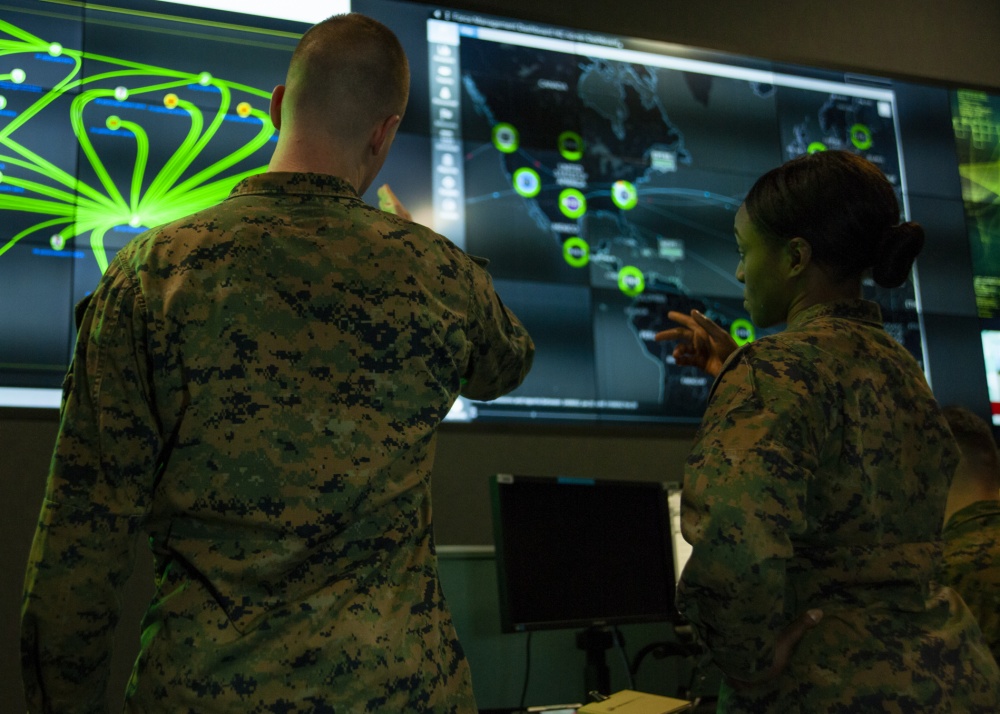
Marines with Marine Corps Forces Cyberspace Command in the cyber operations center in Lasswell Hall at Fort Meade, Md., Feb. 5, 2020.

A recent report from two Beltway think tanks argued that a dedicated Cyber Force could better handle the “service-like” responsibilities now carried out by U.S. Cyber Command. However, the price tag for that experiment—an eye-watering $10 billion and at least a year of bureaucratic wrangling—has many experts questioning its feasibility.

Instead of pursuing another bloated federal project, analysts argue that initiatives like C-MIP are smarter and faster ways to strengthen America’s cyber defenses.

By focusing on talent and retaining the best digital warriors, the War Department is addressing one of the biggest challenges faced by the military in the modern age: competition with the private tech sector for highly skilled personnel.

Under the leadership of Secretary of War Pete Hegseth, the Pentagon has been moving aggressively to modernize pay structures, rebuild troop morale, and reestablish American dominance across every warfighting domain—including cyberspace.

Cyber Command 2.0: New Report Pushes Officer-Only US Cyber Force
An Air National Guardsman wears a cyber operations patch at McGhee Tyson Air National Guard Base, Tennessee, Jan. 11, 2026. Air National Guard photo by Staff Sgt. Jesse Hanson.

The C-MIP represents the strategic fusion of patriotism and performance, offering top-tier incentivization for those who deliver mission-ready results.

As cyber threats from adversaries like China, Russia, and Iran continue to grow more sophisticated, this pay reform could not come at a better time. America’s cyber warriors face daily attacks on military systems, infrastructure, and communications networks.

Their skills, often invisible to the general public, are every bit as vital to national defense as those of pilots, special operators, and intelligence officers in the field.

The C-MIP also ties directly into President Trump’s broader focus on rebuilding America’s military prowess and investing in its warriors, both physical and digital.

By rewarding mastery, fostering innovation, and breaking free from bureaucratic inertia, the War Department is taking a decisive step toward future-proofing the force against next-generation threats.

At long last, the cyber domain is being treated with the seriousness it deserves. America’s digital soldiers will now be compensated not for their time in uniform, but for the mastery they bring to the fight—a fundamental change that aligns pay with performance, and power with purpose.

News

U.S. Navy Expands Pacific Power with New Base in Western Australia

The U.S. Navy has launched a major new presence in the Indo-Pacific with the activation of a naval support activity in Western Australia, a clear sign that the United States is anchoring its long-term military strength in the region.

The move adds to the growing momentum of the AUKUS alliance, tightening bonds between the U.S., the United Kingdom, and Australia as all three prepare for a new era of great power competition at sea.

Announced on May 30, the new command—Naval Support Activity Stirling, or NSA Stirling—will serve as the backbone for Submarine Rotational Force–West, known as SRF–West.

The base will provide essential support for rotating U.S. and British nuclear-powered submarines stationed at Australia’s HMAS Stirling near Perth, a critical location overlooking key sea routes across the Indo-Pacific.

The new installation falls under Pillar I of the AUKUS pact, the agreement designed to bolster joint security operations and deliver Australia its first conventional, nuclear-powered submarines.

As part of the expansion, the U.S. Navy confirmed that NSA Stirling will deliver critical logistics and family services for American personnel, contractors, and sailors assigned to the growing presence in the Pacific theater.

Vice Adm. Scott Gray, commander of Navy Installations Command, said the base represents a pivotal milestone for American force projection. “Establishment of NSA Stirling with our AUKUS partners demonstrates our command mission to support the fleet, warfighter, and family,” Gray stated.

Pentagon to Review AUKUS Submarine Deal, Prompting Concerns Among Allies and Lawmakers

“By providing essential services to U.S. personnel and their families, NSA Stirling will enhance rotational submarine force readiness.”

The first deployments of American submariners and their families are expected in late 2026, ahead of full operational capability projected in 2027. The U.K. will also send personnel as part of the same rotational force, complementing an already robust joint-submarine training pipeline between the three allies.

Rear Adm. Ian Johnson, commander of Navy Region Japan, noted that the new facility is still in the early stages but progressing quickly. “While there is still much work ahead, we are confident in our ability to accomplish this task through strong collaboration with our AUKUS partners,” Johnson said.

His command began the stand-up process in October 2024, with infrastructure and community support efforts rapidly taking shape.

This development follows a broader U.S. strategic focus to expand forward-operating capacities across critical nodes in the Indo-Pacific—steps that were often delayed under the politically cautious foreign policy of the previous administration.

By contrast, this new War Department initiative under President Trump’s team, led by War Secretary Pete Hegseth, is moving full speed ahead to put hard military power in position before China can exploit regional vacuums.

On the same day NSA Stirling was activated, Secretary Hegseth met in Singapore with Australian Deputy Prime Minister and War Minister Richard Marles, as well as U.K. War Secretary John Healey.

Silent Strike from the Deep: The Secret Weapon That Crippled Iran’s Nuclear Program
The Ohio-class ballistic missile submarine USS Maine (SSBN 741) surfaces to receive a vertical replenishment (VERTREP) from Marine Heavy Helicopter Squadron (HMH) 462, 1st Marine Aircraft Wing, III Marine Expeditionary Force, in the Philippine Sea, May 9, 2023. Vertical Replenishments enable naval vessels to quickly receive critical resources without disrupting maritime security operations while underway. III MEF is postured to enable naval expeditionary operations within the first island chain as part of a Stand-in-Force. (U.S. Marine Corps photo by Lance Cpl. Emily Weiss)

The three reaffirmed that AUKUS milestones are being met on schedule, underscoring steady progress toward delivering a new generation of submarines capable of protecting shared democratic interests in the Pacific.

The Singapore discussions also propelled the next phase of cooperation: Pillar II of the AUKUS agreement, focused on advanced technology for uncrewed undersea warfare.

The first major Pillar II project, announced at the meeting, will deliver cutting-edge uncrewed undersea vehicles (UUVs) starting in 2027, enhancing surveillance, strike, and reconnaissance capabilities.

According to the War Department’s release, these new systems will give AUKUS partners unmatched ability to protect critical seabed infrastructure, conduct precision strike operations, and maintain advantage across electronic and anti-submarine warfare.

The technology will also be instrumental in responding to aggression in the increasingly contested South China Sea and beyond.

The establishment of NSA Stirling is about more than logistics—it’s a message. A message that the United States and its closest allies are not going anywhere.

China’s Military Eyes U.S. Undersea Sensor Network as Strategic Target
The U.S. Navy, Japan Maritime Self-Defense Force and Republic of Korea Navy conduct a trilateral anti-submarine warfare exercise east of the Korean Peninsula in September 2022. (MC3 Gray Gibson/U.S. Navy)

The move signals a long-term, credible commitment to regional deterrence and the defense of freedom of navigation, both of which have been under mounting threat from Beijing’s reckless naval buildup and coercive tactics.

Critics have complained for years that Western democracies were ceding momentum to China’s maritime rise.

But the new forward-focused approach under Hegseth’s War Department is proving that the United States is reclaiming its strategic initiative, ensuring that allies like Australia are not standing alone on the front lines of Indo-Pacific security.

As the submarine rotations begin and unmanned undersea projects come online, AUKUS stands not as a symbolic alliance, but as a powerful operational network prepared to act.

With bases like NSA Stirling in place, the U.S. Navy is clearly signaling that “peace through strength” isn’t a slogan—it’s policy.

News

Qatari Gifted Air Force One Decked Out in Patriotic Red, White and Blue

The long-awaited “Bridge” Air Force One, gifted by Qatar after President Donald Trump blasted Boeing for dragging its feet, has finally shed its foreign identity and donned an unmistakably American look: a bold red, white and blue paint job that screams pride in the Stars and Stripes.

This interim jet, officially designated the VC-25B Bridge, is a Boeing 747-8i that Qatar handed over to the United States in May 2025.

The move came after Trump publicly slammed Boeing for missed deadlines and bureaucratic excuses that delayed the delivery of two new presidential aircraft. Originally set to be ready by 2024, the main fleet is now expected to enter service in 2028.

Seeing this jet repainted in patriotic colors is more than just a design choice. It’s a declaration that no matter where this aircraft came from, it belongs to the United States of America now — and it will fly under an unapologetic American commander in chief.

The photo of the newly painted aircraft, taken by aviation photographer Travis Ghormley and circulated widely online, has quickly become a favorite among military aviation fans.

An Air Force spokesperson confirmed that the Bridge aircraft is now undergoing final “government modifications.”

That means the usual top-tier presidential protections: reinforced airframe, sophisticated countermeasures, and encrypted communications so secure they could withstand a cyberattack from half the planet. The Air Force, in true disciplined fashion, isn’t disclosing exactly what defensive features are being installed.

Trump Scores Strategic Win as Qatar Royal Family Gifts Luxurious $400 Million Boeing 747-8 to be Retro-Fitted to New Air Force One

The timing couldn’t be more fitting. With President Trump demanding results and accountability in every layer of the War Department’s logistics, the message is crystal clear — America gets the job done, even if contractors and bureaucrats have to be pushed to do it.

Aviation experts view the arrival of this interim Air Force One as a stopgap measure, but a necessary one.

Boeing’s delays have frustrated both military planners and the White House for years, and this interim solution ensures the commander in chief has a modernized aircraft worthy of American leadership.

The VC-25A currently in use, while iconic, has served for decades and shows its age both mechanically and technologically.

Trump Scores Strategic Win as Qatar Royal Family Gifts Luxurious $400 Million Boeing 747-8 to be Retro-Fitted to New Air Force One

It’s worth noting that despite the gift coming from Qatar, all modifications and retrofits ensure the jet meets U.S. war readiness and security standards.

Nothing about this aircraft will rely on foreign systems or software — a vital distinction given America’s heightened awareness of espionage and interference in military aviation logistics.

Even the paint job sends a signal. The bright red, crisp white, and deep blue are not merely aesthetic. They represent the enduring symbolism of American resolve and sovereignty.

The sight of that aircraft sitting on the tarmac, shimmering in patriotic hues, reminds everyone — allies and adversaries alike — that America leads the skies, and we do it in style.

Qatar-Gifted 747 Sparks Security, Ethics Concerns as U.S. Military Weighs Air Force One Conversion

Online reaction among veterans and aviation enthusiasts has ranged from excited to outright celebratory. Many noted that Trump’s relentless focus on accountability and American dominance in military procurement forced change where complacency once reigned.

Getting this aircraft airborne reflects the very ethos of “America First”: when foreign and domestic contractors stumble, a commander in chief with backbone finds real solutions.

Though the Air Force declined to say exactly when the president will begin flying in the new jet, sources familiar with the program say summertime trials are likely before it officially becomes operational.

Qatar-Gifted 747 Sparks Security, Ethics Concerns as U.S. Military Weighs Air Force One Conversion

The Presidential Airlift Group is already preparing for integration and logistical support once the modifications are certified.

By the time the new VC-25B fleet finally arrives in 2028, this “Bridge” aircraft will have already served its purpose — keeping America’s presidential transport mission secure, modern, and unmistakably patriotic.

For now, one thing’s for sure: under this administration, the leader of the free world will not be flying second-class.

The bold colors of freedom are back in the sky, and America’s flagship aircraft once again looks like the proud iron eagle it was always meant to be.

News

First Look Reveals Powerful Design for Global War on Terrorism Memorial in DC

The first renderings of the long-awaited Global War on Terrorism Memorial have been unveiled, offering a powerful and emotional vision of how America will honor the men and women who bore the weight of the nation’s longest war.

The memorial, planned for the National Mall in Washington, stands as a deeply symbolic tribute to the post-9/11 generation of warriors who answered the call after the country was attacked.

The design, created by world-renowned architect Kengo Kuma in collaboration with the Global War on Terrorism Memorial Foundation, reflects eight years of work and the voices of over 20,000 Americans.

Veterans from every branch of the military, spanning conflicts from World War II through Iraq and Afghanistan, contributed to shaping what will soon become one of the nation’s most meaningful monuments.

Visitors entering the memorial will first encounter tangible remnants of the war’s beginning — steel and stone relics recovered from the September 11th attacks.

These fragments, positioned at the memorial’s three entrances, mark the moment the fight began and anchor visitors in the reality of why so many Americans fought, bled, and died over the subsequent two decades.

At the heart of the site will be what designers call “the embrace,” a symbolic amphitheater rising from the earth and featuring an arch made from reclaimed steel from combat operations of the era.

First Look Reveals Powerful Design for Global War on Terrorism Memorial in DC

The addition of native vegetation surrounding the structure signifies the return of life and peace through the scars of battle, mirroring the hard-earned healing of veterans and families who carried the burden of war.

The structure will also align with Section 60 at Arlington National Cemetery, where roughly 1,000 service members from post-9/11 conflicts now rest.

This deliberate orientation serves as a solemn connection between those memorialized in stone and those who answered the same call but never returned home.

A striking “path of honor” will guide visitors beneath the arch. Crafted from marble, the pathway will embed boot prints symbolizing the heavy steps of those who served, and the many who walked alongside them in grief, hope, and pride.

Every step, designers say, invites reflection on the human cost of freedom.

Extending from the memorial’s paths will be shallow reflecting pools, offering visitors the chance to dip their feet and leave footprints of their own.

The foundation describes this as a way for visitors to symbolically walk again beside their loved ones, a powerful and interactive gesture that merges remembrance with renewal.

First Look Reveals Powerful Design for Global War on Terrorism Memorial in DC

Foundation President and CEO Michael “Rod” Rodriguez, a retired U.S. Army Green Beret, said the design was “forged by sacrifice and informed by the voices of warriors and their families.”

He emphasized that the project is not just a memorial but a living, sacred space where a grateful nation can say, “We see you. We honor you. You are not forgotten.”

Rodriguez’s vision reflects what many veterans have long called for — an enduring reminder that the next generation of warriors deserves the same reverence given to those of previous wars.

“Throughout history, societies have built sacred places to welcome their warriors home,” Rodriguez said. “The GWOT generations deserve that same enduring tribute. Today, we take one step closer to welcoming them home.”

The memorial’s creation has been guided by a 23-member advisory council made up of Gold Star families, veterans, and supporters who worked side by side with Kuma to perfect the final vision.

Their input focused on ensuring the memorial would represent not just military service, but also the unity, perseverance, and sacrifice that defined the war’s challenging years.

For Kuma, the design carries personal meaning. The architect lost his close friend Yoichi Sugiyama during the 9/11 attack on the World Trade Center. “This memorial is not an abstract commission for our team, it is a sacred responsibility,” Kuma said.

First Look Reveals Powerful Design for Global War on Terrorism Memorial in DC

“Our role was not to impose a design, but to listen. The voices of those who served and the families who stood beside them became our source of inspiration.”

Kuma vowed to create a space where nature, light, and the physical remnants of war converge to embrace those who fought. His design seeks to capture not only the reflection of the nation but also the resilience of those who defended it.

The process now moves to the bureaucratic phase, as the foundation prepares to meet with city planning commissions to secure final design approvals.

Once cleared, the hope is to break ground by 2027 and complete the memorial by the end of 2028 — a fitting timeline that may allow the first generation of post-9/11 veterans to bring their children to witness their service honored on the National Mall.

The Global War on Terrorism Memorial will join the ranks of revered national monuments like those honoring the veterans of Vietnam, Korea, and World War II.

But in many ways, this one will be deeply distinct — built not from distant history, but from the experiences of Americans still living and remembering each day.

The project represents an America that refuses to forget the warriors who carried the fight after 9/11. It stands as a national promise, carved in stone and steel, that freedom has a cost — and that cost will never be ignored.

News

Army Hero Astronaut Chosen for NASA’s 2027 Artemis III Mission

The U.S. Army is heading back into space, and this time it’s with one of its finest. Col. Frank Rubio, a decorated combat aviator, physician, and astronaut, has been selected for the upcoming 2027 Artemis III mission.

NASA announced the assignment this week, marking another historic moment for America’s military contributions beyond Earth’s atmosphere.

Rubio will join a four-man crew tasked with testing critical systems inside Earth’s orbit before the Artemis IV program sets its sights on the moon’s South Pole in 2028.

That future mission intends to be the first crewed lunar landing at one of the most challenging and unexplored terrains in space exploration.

For Rubio, this isn’t his first extraordinary expedition. The soldier-turned-spacefarer spent a record 371 days aboard the International Space Station from September 2022 to September 2023—logging more time in orbit than any other American in a single mission.

The journey pushed him through 5,963 laps around Earth and 157 million miles of travel. Rubio also endured three grueling spacewalks totaling just over 21 hours.

That extended mission wasn’t planned. A coolant leak grounded the return spacecraft, forcing Rubio to remain in orbit for an additional six months. As usual, he adapted with the calm precision expected of a combat-seasoned officer.

His resilience under pressure became yet another example of what military training brings to America’s space program.

Rubio’s comments after NASA’s announcement reflected that humble warrior ethos. “My Army training has been an integral part of the experiences that have enabled me to be ready for this mission,” he said.

“Serving taught me to lead under pressure, how to stay calm when the stakes are highest, and how to put the mission and the people beside you above yourself.”

That mindset—mission first, team always—will prove vital during Artemis III. The crew’s goal is to validate the navigation and docking capabilities between NASA spacecraft and private landing systems built by companies like Blue Origin and SpaceX.

It’s a big step in coordinating military-style precision with commercial innovation to move America toward permanent lunar operations.

Before becoming one of NASA’s standout astronauts, Rubio spent nearly 20 years in the Army wearing multiple hats—aviator, physician, and battalion surgeon.

After graduating from the U.S. Military Academy in 1998, he earned his wings as a Black Hawk pilot and logged more than 1,100 flight hours, including over 600 in combat zones across Bosnia, Afghanistan, and Iraq.

When his days of flying combat missions were over, he chose a new way to serve by going to medical school, later returning to uniform as a flight surgeon.

At the time NASA recruited him, Rubio was serving as the battalion surgeon for the 3rd Battalion, 10th Special Forces Group (Airborne) in Colorado. Those elite soldiers are known for operating in the world’s toughest environments—training that aligns perfectly with the mental and physical stamina required for space travel.

Rubio won’t be the only American warrior on board Artemis III. The mission’s commander, Randy Bresnik, is a retired Marine Corps colonel with his own impressive record in space.

Andre Douglas, another mission specialist, previously served in the U.S. Coast Guard. The backup crew member, Air Force Col. Bob Hines, reinforces the fact that when NASA looks for proven performers, it often turns to those who wore the uniform first.

The Army has long had a foothold in the final frontier. Nineteen Army astronauts have already flown missions for NASA, but today, only Rubio and Col. Anne McClain serve as active-duty astronauts.

Another soldier, Chief Warrant Officer 3 Joseph Bailey, began astronaut training in 2025 and could soon join them as the next generation of Army explorers.

For the War Department and the broader national security community, Rubio’s continued involvement in NASA’s lunar program highlights the enduring link between military excellence and technological advancement.

His success symbolizes what disciplined leadership and tactical experience can achieve when applied to exploration and innovation.

As America reasserts its dominance in space, it’s fitting that the backbone of the mission includes warriors like Rubio—men and women forged through service, sacrifice, and unflinching determination.

While bureaucrats and activists on Earth busy themselves with politics, these soldiers-turned-astronauts are quietly charting the future of humanity beyond our planet.

With Artemis III set to launch in 2027, Col. Frank Rubio will once again represent not just NASA, but the might and spirit of the United States Army.

And as our nation looks to reclaim the moon and beyond, it’s reassuring to know that an American soldier will be part of the team leading the way.

News

VA Expands Electronic Health Record Rollout Despite Past Safety Concerns

The Department of Veterans Affairs is forging ahead with its nationwide overhaul of electronic health records, launching the new Federal Electronic Health Record system at four additional medical sites in Ohio and Kentucky.

The decision marks another major step in the VA’s long-running effort to modernize the way veterans’ health data is managed, though many are still remembering the rocky beginnings of this billion-dollar project.

This rollout covers the Cincinnati, Chillicothe, and Dayton VA Medical Centers in Ohio, as well as the Cincinnati VA Medical Center-Fort Thomas facility across the Kentucky border.

According to the VA, the expansion will provide access to over 107,000 veterans and 7,200 employees in southern Ohio, integrating care data into a single streamlined system that can be shared across facilities.

This marks the second expansion this year following a multi-year pause after numerous technical headaches, error reports, and safety complaints plagued earlier iterations.

The Federal EHR system, developed by Cerner — now part of Oracle Health — was initially implemented in a few Pacific Northwest hospitals before problems forced the VA to hit the brakes. This time, officials insist the bugs have been squashed and lessons have been learned.

VA Secretary Doug Collins told members of Congress that the project’s progress is visible and measurable.

“How I know this is working … is that I’m having center executive directors and employees at what is supposed to be next year’s facilities hearing from their colleagues, and they’re saying ‘We’re ready to go now,’” Collins explained. His comments came before the Senate Appropriations Subcommittee overseeing military and veterans affairs.

It’s no secret that the VA’s first run with this system, deployed between 2020 and 2022, was a mess. Patients’ health records disappeared between systems, appointments were missed, and costs surged higher than anyone predicted.

In 2023, the department paused implementation to troubleshoot reliability and safety failures that were putting veterans at risk.

Still, officials say the reboot is showing promise. The April deployment across four Michigan VA sites brought the new system to 200,000 veterans and 10,000 staff, which the VA said earned “exceptionally positive” feedback from administrators.

Senate Sets May 7 Hearing for VA Secretary Doug Collins to Defend Reform Agenda Amid Mounting Criticism
Airmen with the 2nd Medical Group simulate treatment for a gunshot wound at the Willis-Knighton Innovation Center, Bossier City, La., Feb. 14, 2023.

Officials claim this latest round of updates fixed hundreds of glitches that caused delays and errors in the previous versions.

Deputy Secretary Paul Lawrence emphasized that the department added new staff and streamlined management to ensure this push runs smoother than before.

The goal, he said, is nothing less than a fully unified, interoperable system connecting veterans’ care coast to coast — linking medical records seamlessly with facilities under both the Department of War and the VA.

The effort is enormous and expensive. The VA’s fiscal 2027 budget includes a $4.2 billion request to keep building out this system to all 170 medical centers nationwide. Lawmakers and watchdogs will no doubt be watching to make sure those billions aren’t burned on another glitch-filled disaster.

Collins maintains that the project’s resumption has been methodical, transparent, and disciplined. “We’ve been listening to our employees and our veterans. We paused for good reason,” he told reporters. “Now we’re turning that experience into real progress.”

The department’s next targets are three Indiana medical centers slated to switch over in August, followed by facilities in Alaska and Cleveland, Ohio in October.

If that pace holds, 2025 could see the most aggressive expansion yet — but skeptics argue the VA’s ambitious calendar needs to slow down until the technology proves itself in heavy use.

Veteran advocates remain cautiously optimistic. Many believe a unified system is long overdue, especially one that integrates with systems used by the War Department.

VA Reverts to Pre-2022 Policy, Halting Onsite Abortions at Veterans Hospitals
Army Lt. Col. Charles Foley, right, performs a surgical procedure with a Chadian armed forces surgeon during the Medical Readiness Exercise in N’Djamena, Chad, June 17, 2024. The exercise allows military health professionals from the U.S. and Africa to exchange medical techniques.

That integration could finally eliminate gaps between military and VA health data that have dogged U.S. recordkeeping for decades.

However, there’s still plenty of room for skepticism. After all, the same VA leaders who claimed success before the 2023 shutdown are the ones promising perfection now.

Conservatives have reason to question whether this massive tech infusion is truly about better care — or just another bloated federal program with slick talking points and soaring price tags.

The stakes couldn’t be higher. If the Federal EHR program succeeds, it could revolutionize the quality and continuity of care for millions of veterans nationwide.

But if it falters, it risks becoming yet another chapter in a long history of Washington’s broken promises to those who served. As the VA presses forward, accountability will be the watchword — especially from a Congress less interested in glossy briefings and more interested in measurable results.

One thing’s for certain: veterans deserve a health system as strong and reliable as the Americans who wore the uniform. Whether this new digital rollout actually delivers that remains the question.

News

Senator Warns Government Shutdown Looms as Democrats Balk at Trump’s Defense Budget Surge

A fresh budget battle is brewing in Washington, and one senator is sounding the alarm loud enough for everyone on Capitol Hill to hear.

Sen. John Kennedy, R‑La., is warning that Democrats are steering the country toward yet another government shutdown as they dig in against President Donald Trump’s proposed surge in military funding for fiscal 2027.

The dispute centers on the National Defense Authorization Act, the annual legislation that sets policy and funding levels for America’s armed forces.

As the Senate Armed Services Committee grinds through its version of the bill, Kennedy made his view plain: the United States has a defense crisis, but Democrats would rather pour taxpayer cash into welfare programs than national security.

During a hearing before the Senate Appropriations Committee, Kennedy put the numbers on the table. President Trump’s proposal calls for a 42 percent increase in the Department of War’s budget.

Republicans are discussing a range between 20 and 27 percent, still a major boost—but Democrats, Kennedy said, are balking entirely.

Kennedy accused left‑leaning senators of privately plotting to shift Pentagon dollars into domestic entitlement programs. “They know that we can’t do that, and we’re not going to do that,” Kennedy declared.

“If nothing else, it would explode the deficit, and besides that, as they know, we don’t have a crisis in welfare like we have a crisis in defense.”

Navy Super Hornet Blows Iranian-Bound Tanker Out of Action in Gulf of Oman
A U.S. sailor signals an F/A-18E Super Hornet on the flight deck of the USS Abraham Lincoln, March 4, 2026. (U.S. Navy)

While emphasizing that he supports helping struggling Americans, Kennedy drove home the larger point—America faces serious, growing threats from China, North Korea, and Russia, and it’s reckless to shortchange the war budget in the name of political posturing.

In Kennedy’s view, the Democrat refusal to back Trump’s defense plan isn’t just ideological—it’s strategic. “That tells me that the Democrats have no intention of helping us pass a budget,” he warned.

“I also predict, if I’m wrong, I will apologize, that my friend Senator Schumer is going to shut down government tight as Dick’s hatband first chance he gets before the midterms.”

Kennedy, never short on vivid language, said his Democratic “friends” are playing politics at the expense of military readiness and the men and women who serve.

According to him, a shutdown is practically inevitable—it’s a game plan straight from the Schumer playbook, prioritizing election optics over national defense.

Democrats Mock Trump-Class Battleships, Demand Drone-First Military

The potential consequences aren’t theoretical. Air Force Secretary Troy Meink testified that a shutdown without a continuing resolution would hit military readiness hard.

“A lot of the investments we’ve just been talking about to meet the threats, from unmanned vehicles as well as the increased readiness for weapon systems, as well as ammunition procurement—all that is substantially impacted if we stayed at $890 billion without a reconciliation or other mechanism,” Meink said.

That $890 billion figure reflects the fiscal 2026 authorization level for the Department of War, the National Nuclear Security Agency, and related agencies.

Running on those leftover allocations, Meink warned, would stall every effort to modernize weapon systems and keep fighter jets like the F‑35 combat‑ready.

Kennedy wasn’t moved by bureaucratic hedging; he flatly told Meink to prepare for a shutdown and brace for the political fallout.

“You’re going to hear a lot of happy talk from senators about how we need to spend more money on defense,” Kennedy said, “but I think a lot of my colleagues have no intention of voting for a budget under any circumstances.”

He then doubled down, accusing Senate leadership of scheming for chaos. “They want the government to be shut down, and I think Senator Schumer is going to accommodate them,” he added.

House Approves Historic $1.15 Trillion War Budget With Major Troop Pay Raise and Housing Changes

His prediction carries some weight—during Trump’s second administration, there have already been two shutdowns, one lasting a record 43 days in 2025 and another partial shutdown stretching 76 days in 2026.

Meanwhile, the House Armed Services Committee has already passed its version of the defense bill, setting an ambitious $1.15 trillion for the Department of War after Democrats failed in their bid to slice $150 billion.

The full House is expected to vote on it in July. The Senate’s version, however, remains behind closed doors—another sign that the chamber’s Democratic leadership may be maneuvering for delay.

This year’s fight is more than just a numbers game. It’s a standoff between those who believe in peace through strength and those who think peace can be bought with more social programs.

Kennedy’s warning rings clear: without a hard line in the budget room, America’s deterrent power erodes while adversaries like Beijing and Pyongyang cheer.

As the debate drags on, the men and women in uniform—who don’t get to stall readiness while Washington postures—are the ones staring down the cost of political theater.

Kennedy’s message to the swamp was simple and unmistakable: fund the military, protect the nation, and stop gambling with America’s security for midterm sound bites.


Scroll to Top