
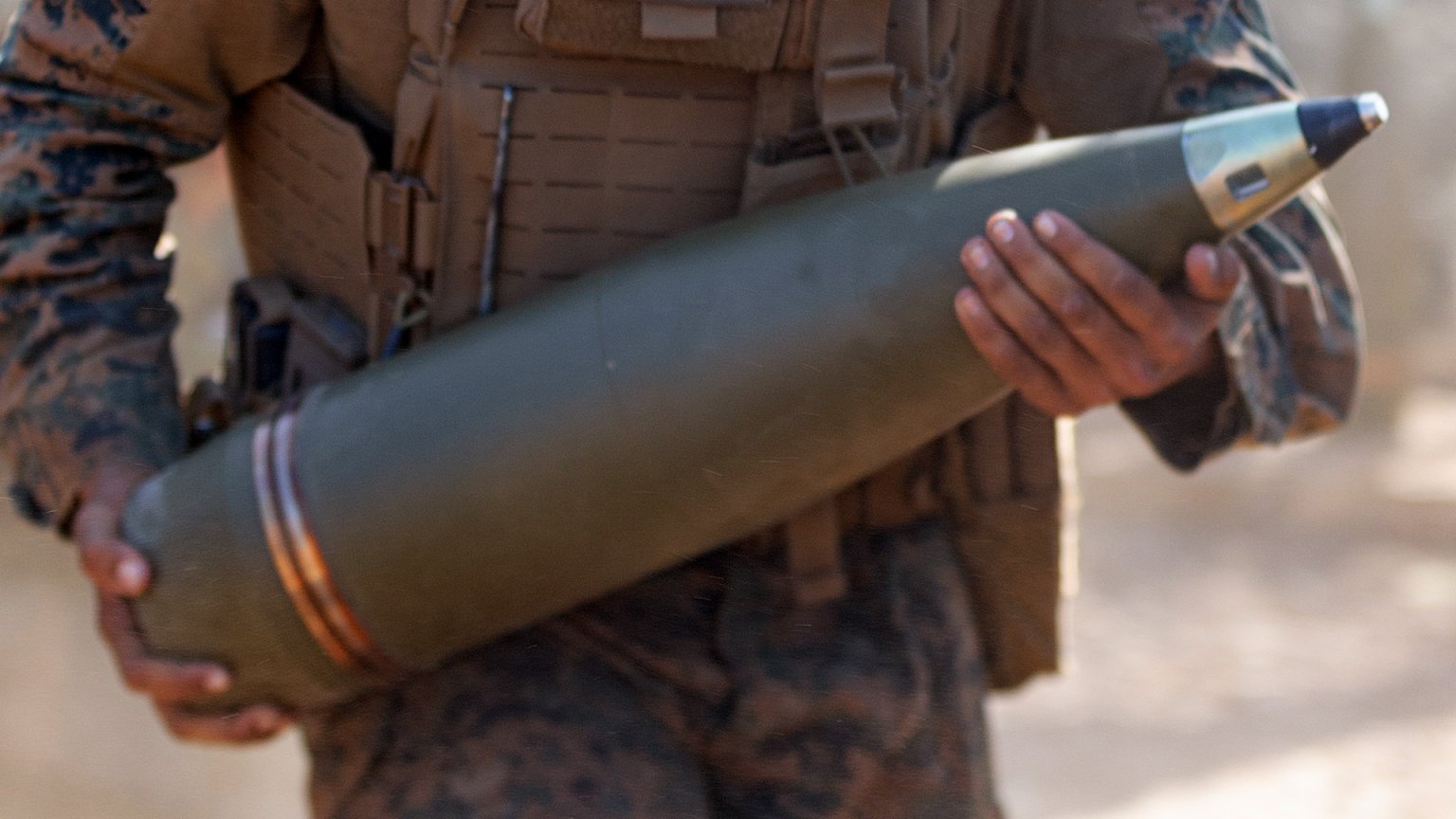
The U.S. Army’s grand promise to crank out 155-mm howitzer shells at record speed is sputtering into a slow-motion disaster.
A new Pentagon watchdog report confirmed what insiders have whispered for months—the Army’s much-hyped production ramp-up is being strangled by manufacturing failures, bureaucratic missteps, and questionable contracting decisions.
The Department of War Inspector General’s findings show that the Army has fallen miles short of its goal to produce 100,000 rounds a month by October 2025.
Instead, by March 2026, production limped along at a mere 36,000 per month—barely a third of the target.
The bottleneck centers on the production of metal parts for 155-mm projectiles, the backbone of modern artillery firepower. The process starts at a metal parts factory before moving to another facility for explosive packing.
But if your factories can’t forge enough metal shells to begin with, no amount of later-stage production magic will save you.
That exact problem has crippled the Army’s new multimillion-dollar facility in Mesquite, Texas.
Despite $469 million invested and high expectations from the Universal Artillery Projectile Lines plant—run by General Dynamics Ordnance and Tactical Systems—the facility has not produced a single batch of projectiles meeting U.S. specifications. Not one.
The Mesquite operation was built to symbolize the Army’s push into next-gen production, boasting “modern manufacturing practices, high levels of automation, and digital data capture ability.” Instead, it’s become a monument to overpromising and underdelivering.
The Inspector General report bluntly noted that the Army’s Capability Program Executive Ammunition & Energetics (CPE A&E) “issued the contract and accepted the risk associated with purchasing and adapting unique production equipment that had not been proven.”
Leadership gambled on untested tech, and taxpayers are holding the bag.
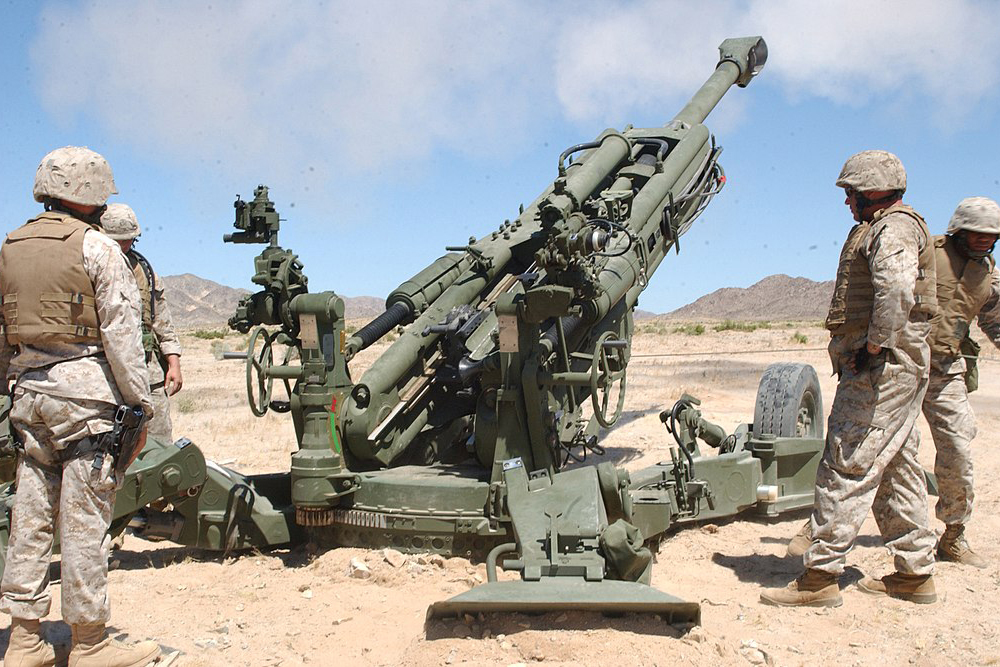
In a move that smacks of bureaucratic desperation, engineers in Mesquite tried to retrofit manufacturing lines made for the 1958-era M107 shell to produce newer M795 variants.
That attempt, apparently, fell far short of the more demanding tolerances required today. The result? Millions spent, zero shells that pass muster, and a backlog that continues to grow.
The Inspector General report also pointed to concerns from Army officials about oversight and accountability.
At a time when every artillery round matters, Army Contracting Command ignored calls to open competition for the Mesquite contract, locking in General Dynamics and cutting off potential rivals who might have actually delivered results.
Meanwhile, factories in Scranton and Wilkes-Barre, Pennsylvania, and Ingersoll, Canada, have scrambled to compensate for Mesquite’s failure.
But even with their efforts, production remains throttled. That’s especially problematic since Ukraine’s war has devoured U.S. munitions stockpiles, leaving American readiness in question.
The 2022 congressionally mandated modernization plan was supposed to fix all this.
The War Department rolled out a strategy to ramp artillery production and restore America’s manufacturing edge. Yet, the reality paints a grim picture of mismanagement and lack of urgency.
There has been some progress in capacity elsewhere. Modernization of the Iowa Army Ammunition Plant, combined with new facilities in Kansas and Arkansas, could eventually boost production to 140,000 rounds by late 2027.
However, the IG’s report makes clear: optimism doesn’t fill shell casings, and sloppy execution has consequences that ripple through the warfighter ranks.
What’s worse, the IG suggested the Army might seek a refund—an embarrassing indicator that the government got next to nothing for its half-billion-dollar investment.
While refunding taxpayers might sound righteous, it doesn’t fix the fundamental issue: America’s inability to surge munitions output at scale when our allies and our own forces need it most.
The Trump-era call to reinvigorate the U.S. industrial base was precisely meant to avert this kind of fiasco. Sadly, under current bureaucratic leadership, that vision has been buried under inefficiency and risk aversion.
When Trump and Secretary of War Pete Hegseth talk about bringing back “real industrial power,” this is exactly what they mean—cut through red tape, hold contractors accountable, and rebuild a war machine that can actually win.
Right now, the Pentagon’s failure on ammo production is more than a procurement issue—it’s a strategic liability.
And unless the War Department acts decisively to enforce accountability and restore serious oversight, American artillery production risks becoming yet another costly cautionary tale in the age of endless excuses.
