
Fake radio traffic has been used for generations to confuse enemy intelligence, conceal troop movements, and create phantom formations.
Now the Pentagon wants to push that battlefield trick into the smartphone age by filling hostile networks with convincing digital ghosts.
The Department of War is seeking technology that would use artificial intelligence generated “personalities” to imitate real cellphone users.
Those synthetic users could deceive enemy surveillance systems hunting for patterns in friendly communications and movements.
Modern phones constantly produce “digital exhaust,” including location records, device identifiers, network connections, and other metadata.
Intelligence agencies, police departments, military forces, and criminal organizations can exploit that debris to identify users, reconstruct routines, and monitor sensitive locations.
The danger becomes especially acute when American personnel connect to networks outside the United States.
The Department of War solicitation warned that “accessing foreign mobile phone networks exposes individuals and organizations to surveillance and espionage threats.”
Even without reading messages or listening to calls, adversaries can learn plenty from patterns alone.
A sudden concentration of devices, a change in ordinary movement, or an unusual stretch of silence can advertise that something important is happening.
“Adversaries can leverage this data to track daily routines, identify deviations indicating special events (e.g., VIP visits or mission preparation), and map sensitive facilities based on cell phone concentration or periods of inactivity,” the solicitation explained.
That is the sort of digital trail no commander wants gift wrapped for an enemy algorithm.
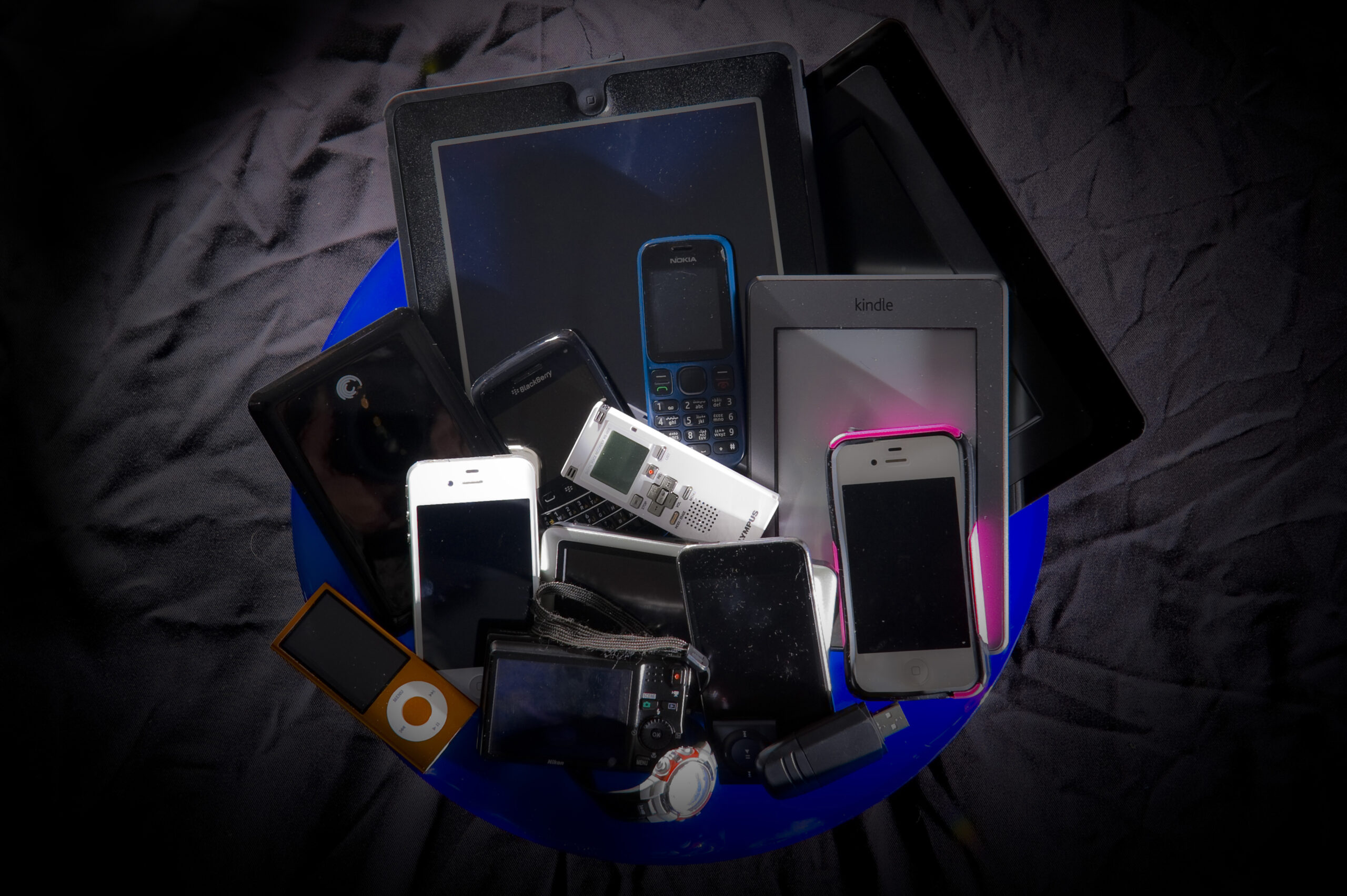
The proposed “digital exhaust deception system” would create artificial “personas” whose cellphone activity resembles the behavior of actual people.
Instead of merely flooding a network with random electronic noise, the system would generate routines believable enough to survive automated scrutiny.
Each decoy device would support at least two personas, with the eventual goal of running four or more.
The Department of War also wants each unit to weigh less than two pounds and operate for as long as 36 hours on battery power.
Realism is the heart of the requirement because crude fake traffic could be quickly identified and discarded.
The device must “mimic realistic patterns of life to defeat automated network analysis,” according to the solicitation.
At its most basic level, the technology would need to defeat conventional traffic analysis.
The Pentagon ultimately wants it to fool advanced artificial intelligence systems capable of behavioral tracking, which means the decoys must act less like blinking boxes and more like ordinary cellphone users.
Phase I calls for developers to produce design concepts, algorithms, and a list of any “proprietary software required to conduct AI-enabled mission planning and operations.”
This opening stage would establish how artificial routines could be planned, generated, and adjusted for operational use.
Phase II would move the effort into prototype development and testing. Phase III would deliver “fully integrated mission management software and hardened decoy box form factors (e.g., Wi-Fi router-sized team devices and puck-sized personal devices).”
Those compact configurations could allow teams or individual personnel to carry decoys without hauling around another oversized piece of government equipment.
If the technology works as advertised, operators could populate an area with false patterns while keeping real movements harder to distinguish.
The same capability could have applications beyond military operations because corporate executives, engineers, and sensitive facilities also face electronic tracking.
The solicitation says obscuring cellphone metadata “directly translates to protecting high-value corporate assets, personnel, and intellectual property from commercial espionage and tracking.”
Traffic analysis is hardly a new intelligence discipline. During World War II, the United States Navy studied Japanese radio activity to draw conclusions about naval deployments, while modern law enforcement software can use cellphone records to reconstruct months of a person’s previous movements.
Deception, however, can turn that analytical strength into a vulnerability. Japan used decoy radio transmissions in 1941 to persuade American analysts that its fleet remained at home while the strike force moved toward Pearl Harbor, Hawaii.
Today, artificial intelligence gives both hunters and hunted far more powerful tools.
A convincing army of fake cellphone personalities could force adversaries to waste surveillance resources, misread preparations, and chase electronic phantoms while real American personnel move beneath the noise.
