
The Pentagon is kicking into high gear with a sweeping overhaul that will unify and strengthen how the armed services train, sustain, and measure warfighter fitness across the force.
The move comes from War Secretary Pete Hegseth, who has made clear that the new focus is not just on muscle and endurance, but also on technology, cognitive power, and total battlefield readiness.
Two internal memos, quietly circulated in May and obtained by Military Times, detail the “Warfighter Performance Optimization” (WPO) initiative.
It’s a department-wide push to harness data-driven strategies that will measure, track, and boost every aspect of a service member’s performance — from physical resilience to mental sharpness.
Hegseth’s May 6 directive assigns Under Secretary for Personnel and Readiness Anthony Tata to deliver a full report within 60 days.
That report will assess all existing human performance efforts across the services, identify the gaps, and produce an action plan designed to rally every component of the armed forces under one coordinated system of performance standards.
At the heart of Hegseth’s vision is a unified Department of War strategy that treats fitness as a national readiness imperative.
“We will equip our service members and leaders with the tools, data, and resources necessary to meet and exceed readiness standards and to maximize their lethality and effectiveness,” Hegseth’s memo states.

Unlike the bureaucratic initiatives of the past, this one comes with teeth. Hegseth is emphasizing speed, integration, and measurable results.
The Pentagon wants every branch — Army, Navy, Air Force, Marine Corps, and Space Force — to feed real-time performance and health metrics into a single data ecosystem. From cognitive training to wearable tech, the goal is to have a full picture of the warrior’s readiness at all times.
The new initiative also places “cognitive performance” on the same level as physical standards. As the memo outlines, the Department will “measure and manage cognition with the same attention and discipline we apply to our physical standards.”
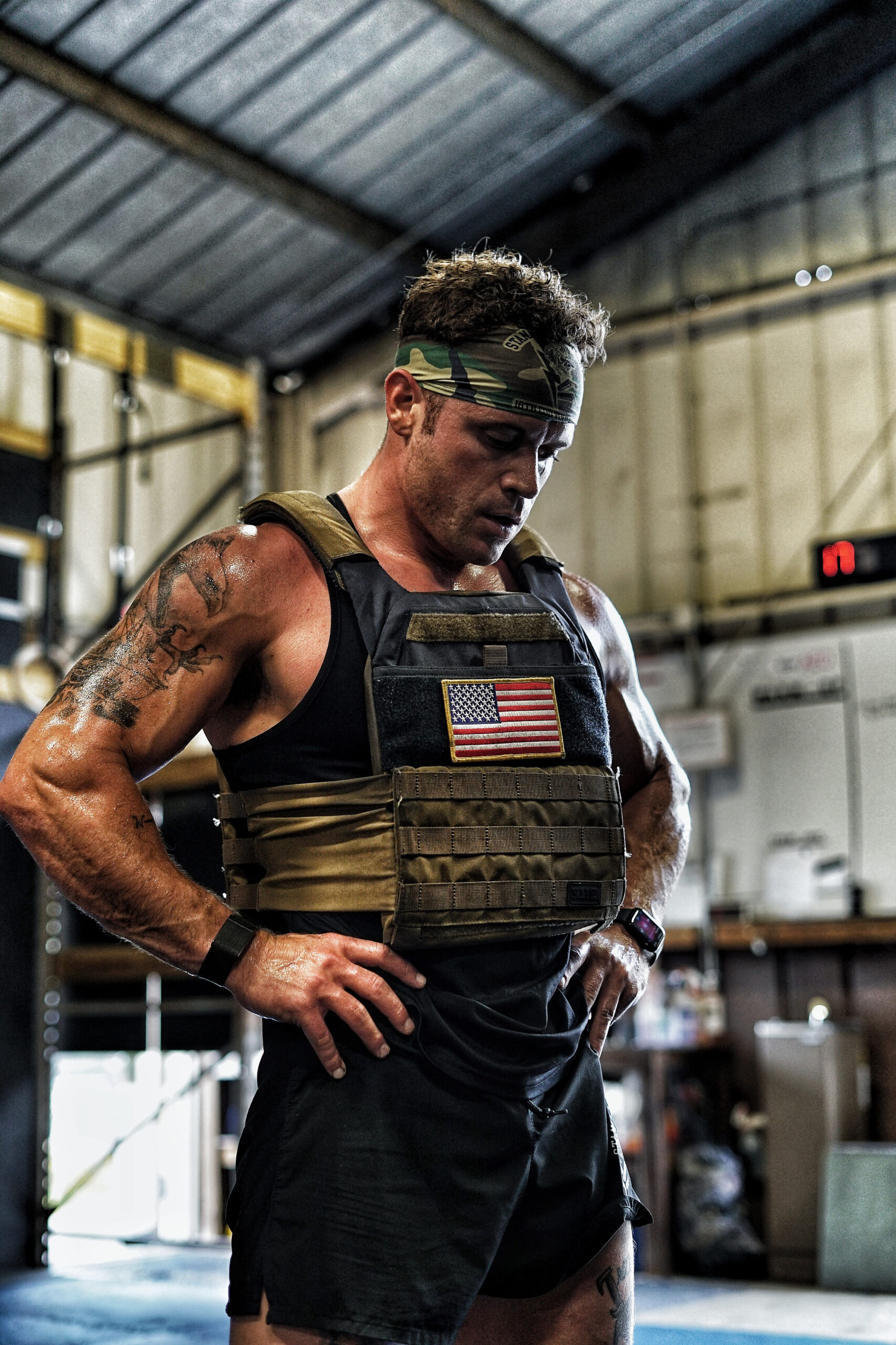
That means brain health, mental clarity, and split-second decision-making are now metrics of combat effectiveness, not afterthoughts.
Commanders across the U.S. combatant commands have been ordered to compile comprehensive data by this month. They’ll catalog everything from wearable device usage to nutrition programs, sleep studies, and partnerships with research institutes.
The idea is to consolidate the best practices and scrap anything wasting taxpayer dollars or failing to produce results.
This fall, the Department of War will release a full WPO strategic roadmap setting baseline performance standards and metrics. By early next year, pilot programs will begin testing these unified standards in live environments.
The multi-service rollout will include new digital tools, professional military education programs, and real-world fitness pilot trials designed to measure endurance, cognitive speed, and recovery times across operational units.
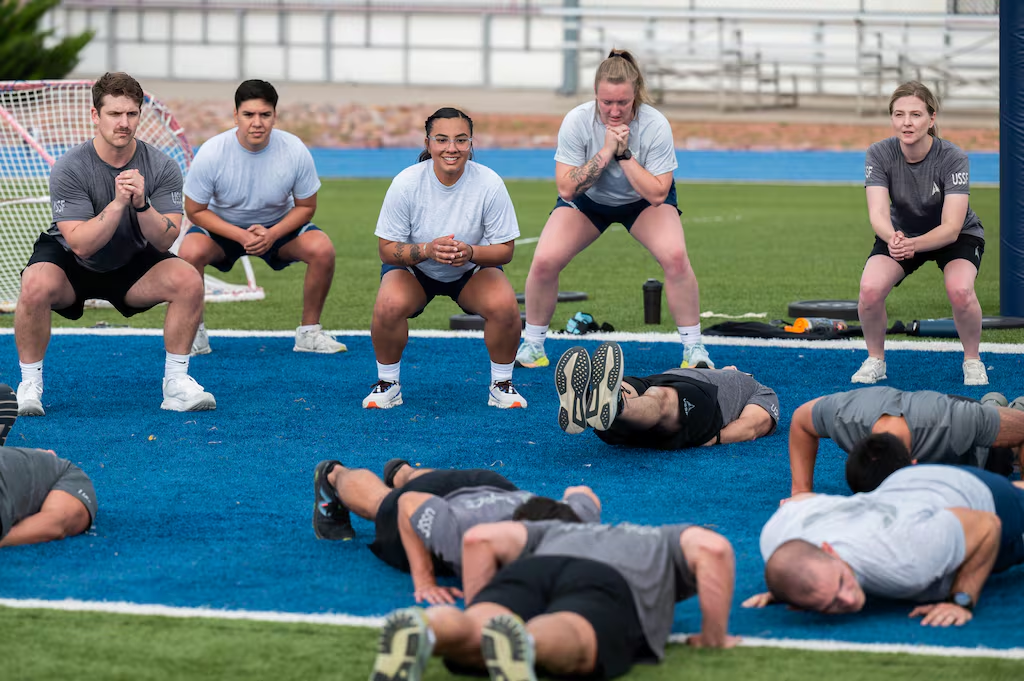
Hegseth’s plan also includes a massive data hub — a WPO “dashboard” that compiles the vast flow of military performance data into one centralized system.
For years, each branch has run its own fitness and human performance programs, often with overlapping objectives but inconsistent results. The dashboard will finally bring those efforts into alignment.
The Army, for instance, has its Holistic Health and Fitness program, which ties together mental, physical, and spiritual performance.
The Navy’s Human Performance Optimization initiative takes a similar approach, focusing on overall well-being and productivity. The Air Force is investing in new facilities — like its state-of-the-art HPO center at Davis-Monthan Air Force Base — while the Marine Corps continues to expand its base-level resiliency and recovery centers.
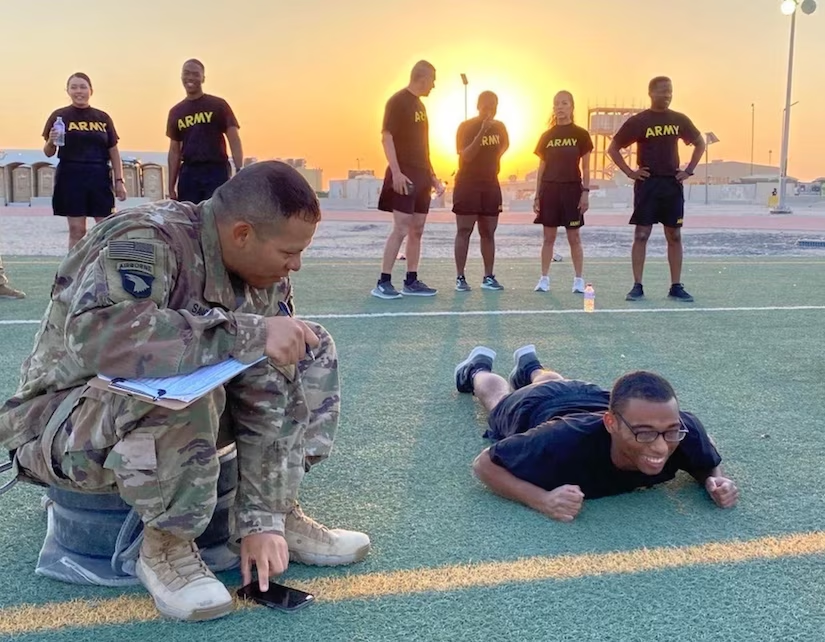
Special operations units have long been the testing grounds for cutting-edge performance tools, from neural stimulation devices to data-tracking wearables. However, until now, these programs have existed in their own silos.
The new WPO structure aims to fuse them into a system that collects data, identifies gaps, and funnels investment into the most effective approaches.
A former military human performance official told Military Times that the WPO reforms are overdue. “Hopefully this effort will find out what the best practices are, so those which stand out can be scaled within cyber limits,” the official said.
“Wearables aren’t the answer to everything, but they’re complementary to other methods. We’ll see what the data shows.”
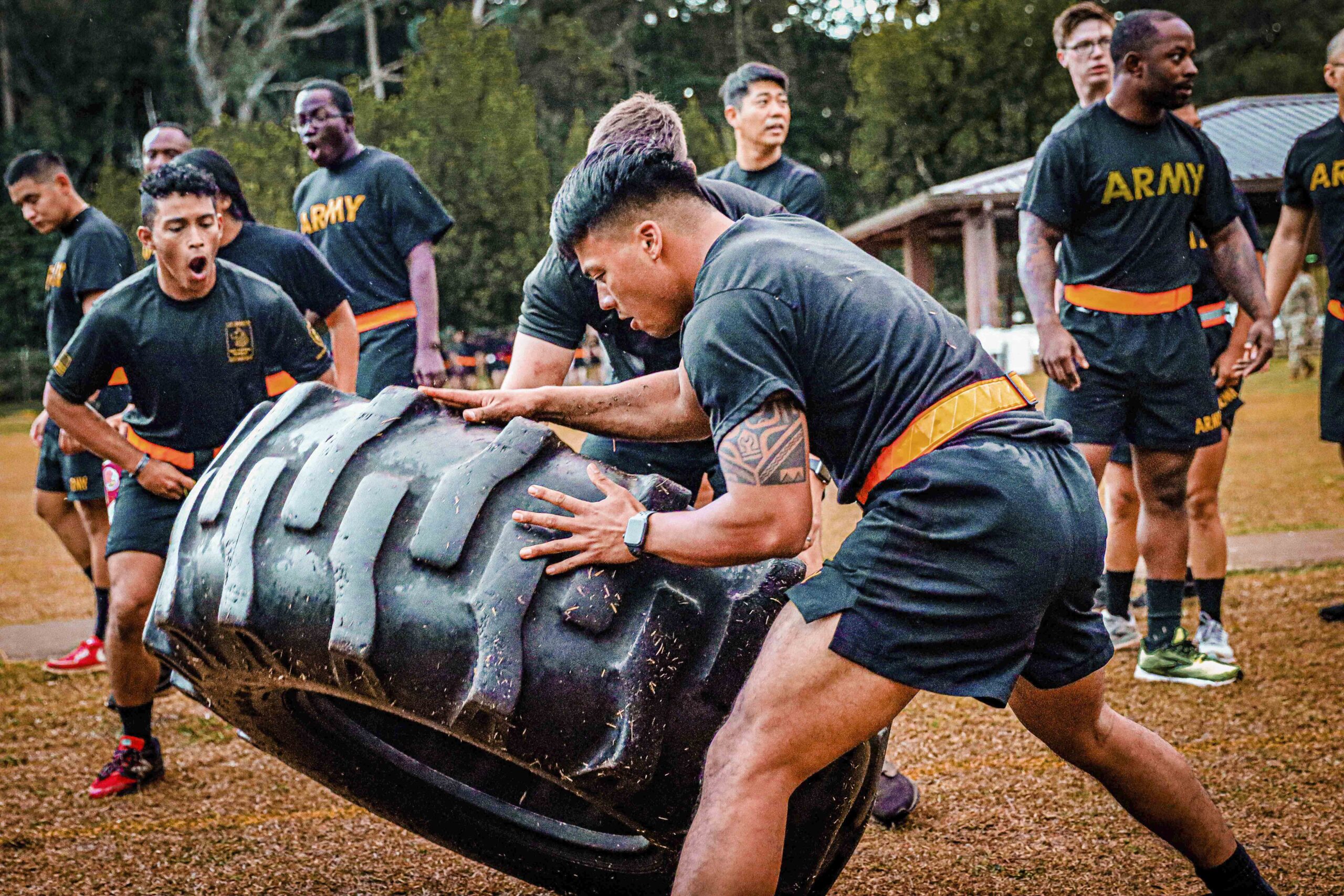
For the War Department, the stakes are high. U.S. military readiness has to evolve faster than the threats it faces, and today’s battles are as much about cognition and endurance as they are about firepower.
Hegseth’s initiative represents a pivot toward a truly modernized, data-driven force — one that values sharp minds as much as strong bodies.
If the Pentagon’s WPO plan delivers what Hegseth envisions, the American warfighter will emerge not just stronger, but smarter, faster, and more resilient than any adversary on earth.
