
The military services lack the personnel, specialists and technology needed to fully assess troops exposed to repeated weapons blasts, according to a new Government Accountability Office report.
The findings raise concerns about whether the Pentagon can protect brain health while preserving combat readiness.
War Department guidance requires the services to provide baseline cognitive assessments for personnel whose duties involve blast exposure.
Those troops are also supposed to be monitored throughout their military careers for changes that could signal brain injury.
The requirements followed extensive reporting in 2024 about the effects routine weapons training can have on the brain, including traumatic brain injury. In response, the Pentagon issued several policies intended to reduce the dangers associated with blast overpressure.
Those measures restricted how close instructors should stand to weapons on firing ranges and encouraged greater use of training simulators.
They also called for cognitive testing across the force and better tracking of individual exposure.
New recruits were supposed to receive baseline cognitive assessments by the end of 2024.
Screening for active duty personnel in “high risk” specialties was expected to be completed by the end of fiscal 2025.
Those specialties include troops who operate howitzers, mortars, breaching charges, M107 rifles, MK15 sniper rifles and other powerful weapons.
These are not theoretical risks cooked up in a faculty lounge, since repeated blast exposure is an unavoidable reality for many warfighters.
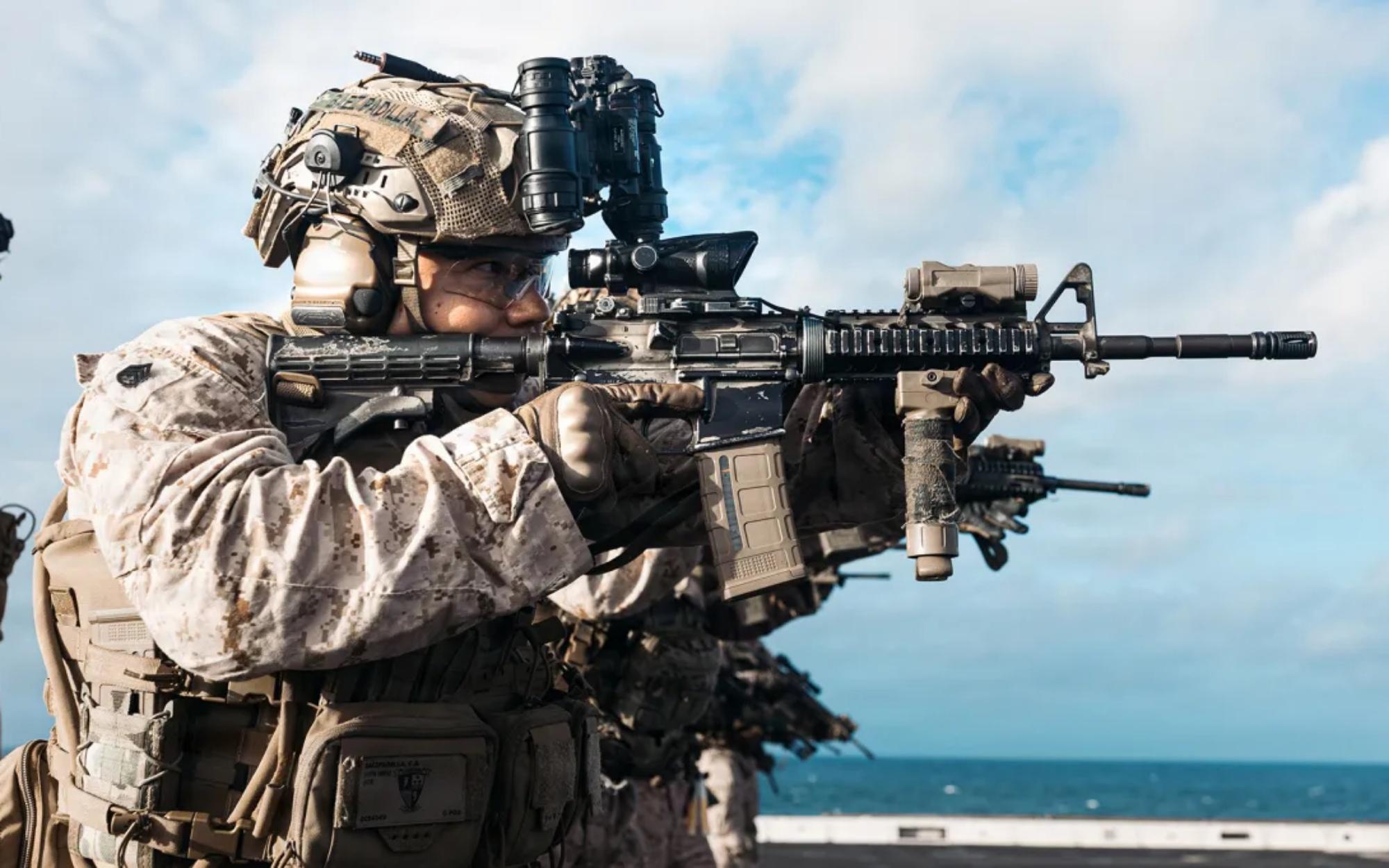
The GAO found that nearly 200,000 recruits were screened during fiscal 2025. Across occupations carrying increased risk, about 86 percent of personnel received assessments.
The Army screened 87 percent of its personnel in the affected occupations, while the Air Force reached 81 percent.
The Navy trailed considerably, completing assessments for only 59 percent of sailors in those jobs.
Service officials told investigators that the aggressive deadlines imposed through Pentagon memoranda made complete implementation difficult.
They said the services were handed major new obligations without receiving enough staff, equipment or funding to carry them out.
As a result, military leaders relied largely on existing resources already committed to other missions. Washington once again demonstrated its fondness for issuing mandates first and figuring out manpower sometime later.
Regular monitoring after the initial assessment presents another obstacle.
The military health agency reported that it does not have enough specialists to satisfy the continuing evaluation requirements.
Officials in the Office of the Under Secretary of War for Personnel and Readiness identified a shortage of industrial hygienists as the “primary barrier to [DoW] achieving its targets for exposure tracking.” Those specialists are essential for measuring workplace hazards and determining how blast exposure affects troops over time.
The Pentagon announced in April that it would launch a one year pilot program for a new cognitive assessment application.
Officials said the application should be less “resource intensive” than existing assessments and could improve the services’ ability to monitor exposure.
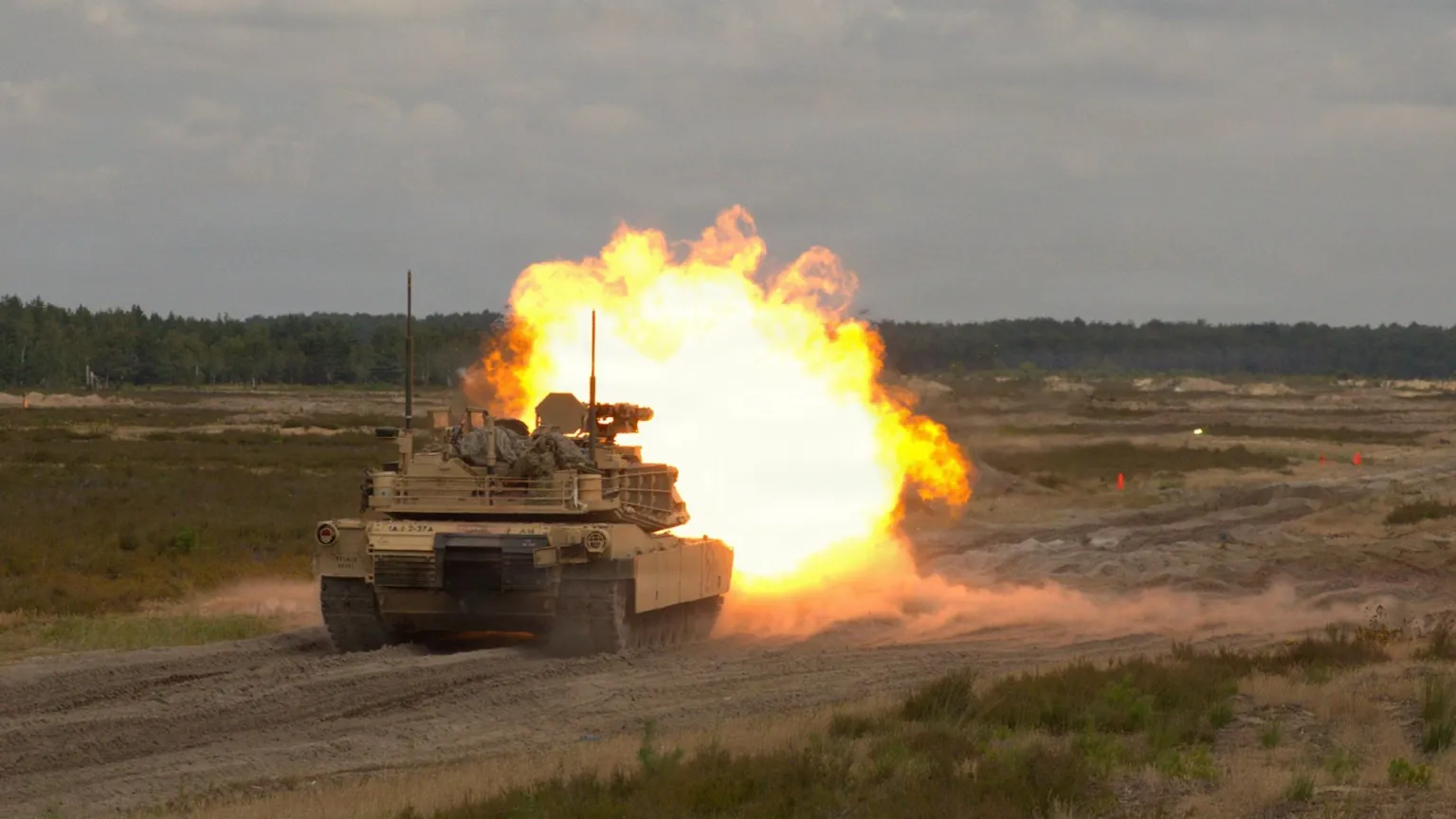
The GAO also credited the Pentagon with taking steps to educate troops and connect symptomatic personnel with treatment.
Informational materials are being distributed, leaders are being instructed to schedule training breaks and service members are being encouraged to seek care when warning signs appear.
The department is also working to expand access to specialty treatment while teaching military physicians more about blast related injuries.
“DoW has taken critical steps to prevent and mitigate service members’ exposures to blast overpressure, steps intended to help protect their brain health and the readiness of our country’s military forces,” the report stated.
Still, policies on paper do not test troops, hire specialists or install the necessary technology. The GAO therefore recommended that the department determine the full resources needed to implement its policies and ensure adequate industrial hygiene support across the services.
Under Secretary of War for Personnel and Readiness Keith Bass said the resource assessment is progressing and that steps have been taken to address industrial hygiene staffing.
“DoW estimates it will complete the actions for both recommendations by December 2026,” Bass wrote.
That timetable gives the Pentagon a clear target, but troops exposed to artillery, mortars and breaching charges cannot place their brains on pause until bureaucratic gaps are closed.
Protecting the force requires enough trained personnel and practical tools to turn a sound policy into a functioning readiness program.
