
Iran inflicted severe damage on the vital American naval installation in Bahrain, according to a blunt acknowledgment from acting Navy Secretary Hung Cao.
His comments offered one of the clearest official accounts yet of what happened to the headquarters of the Navy’s 5th Fleet.
“They blew the hell out of Bahrain,” Cao said during an interview with The Epoch Times.
The remarkably direct description cuts through months of limited public disclosure concerning the condition of Naval Support Activity Bahrain.
The military has largely avoided detailing the destruction since the war began.
Cao’s admission now confirms that Iranian attacks caused far more than the sort of minor disruption previously suggested by official statements.
Iran launched waves of drones and missiles against American installations across the Middle East at the start of the conflict.
Those attacks included deadly strikes in Kuwait and Saudi Arabia, while bases in Bahrain, Jordan, Iraq, and other regional locations also came under fire.
Bahrain was repeatedly targeted because it hosts the 5th Fleet and serves as a central pillar of American naval operations in the region.
Personnel were evacuated from the installation and relocated to hotels and other buildings in Manama, but some of those locations were targeted as well.
Following the first attacks, the War Department said military operations had not been significantly affected.
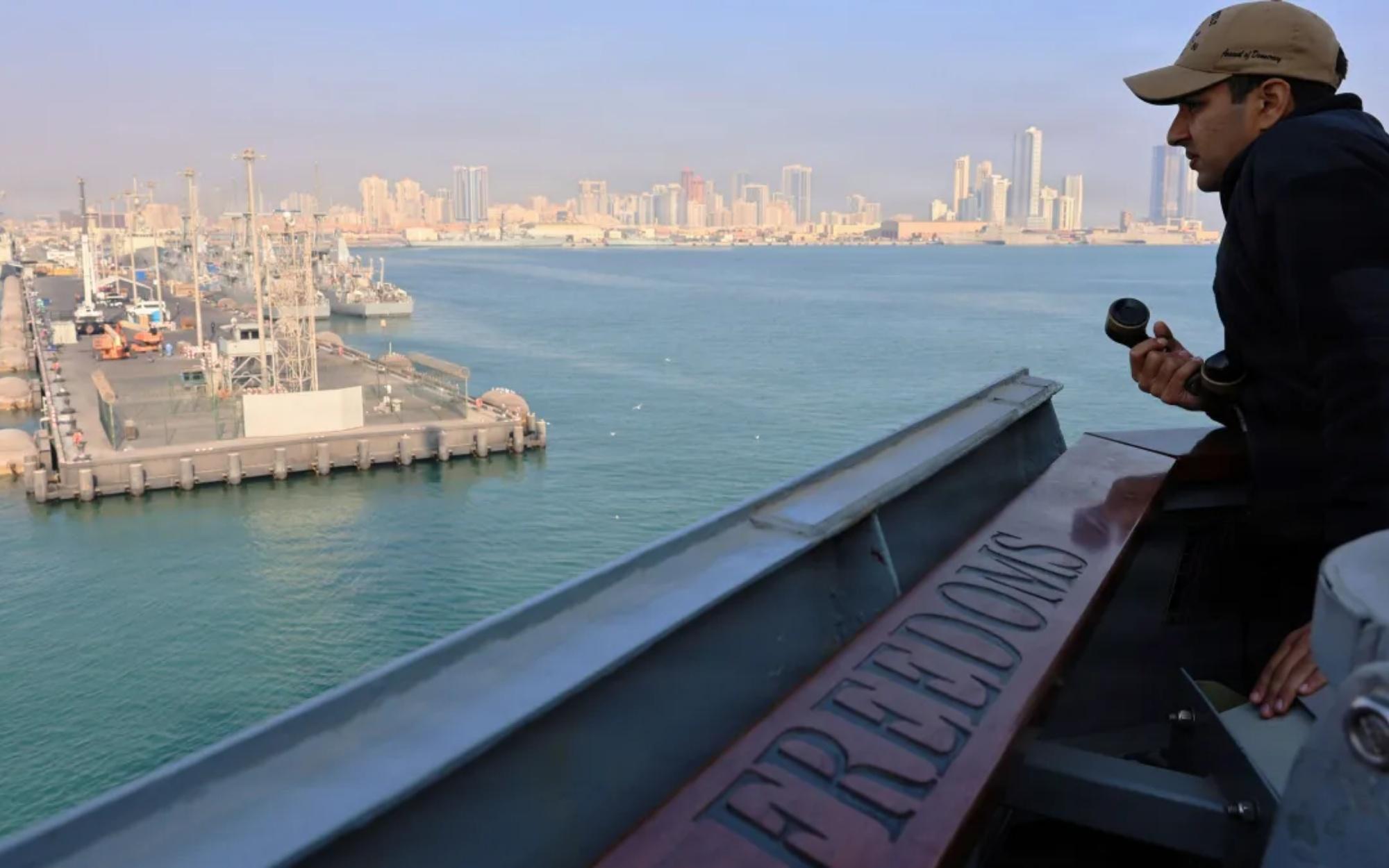
That carefully polished assessment looked increasingly questionable as evidence emerged that critical command and communications facilities had been struck.
The Wall Street Journal reported earlier this summer that satellite imagery and accounts from personnel showed “extensive damage” at the base.
The reported destruction included command buildings and satellite systems, raising serious concerns about the installation’s ability to resume normal operations.
Cao’s remarks followed another unusually candid assessment from the Navy’s senior uniformed officer.
Chief of Naval Operations Adm. Daryl Caudle said the service is “not getting back in [the base in Bahrain] anytime soon.”
“I just want to be completely honest with that,” Caudle said during an Aug. 31 town hall.
His statement made clear that repairing the base and restoring full access will not be a quick or simple project.
Military families have provided another indication of just how badly the attacks disrupted the American presence in Bahrain.
More than 1,000 family members were evacuated, and many have spent months waiting for firm answers about whether they will ever return.
Stars and Stripes reported last month that military personnel, civilian employees, and family members would not return for “the foreseeable future.”
The report cited a message sent to families affected by the evacuation.
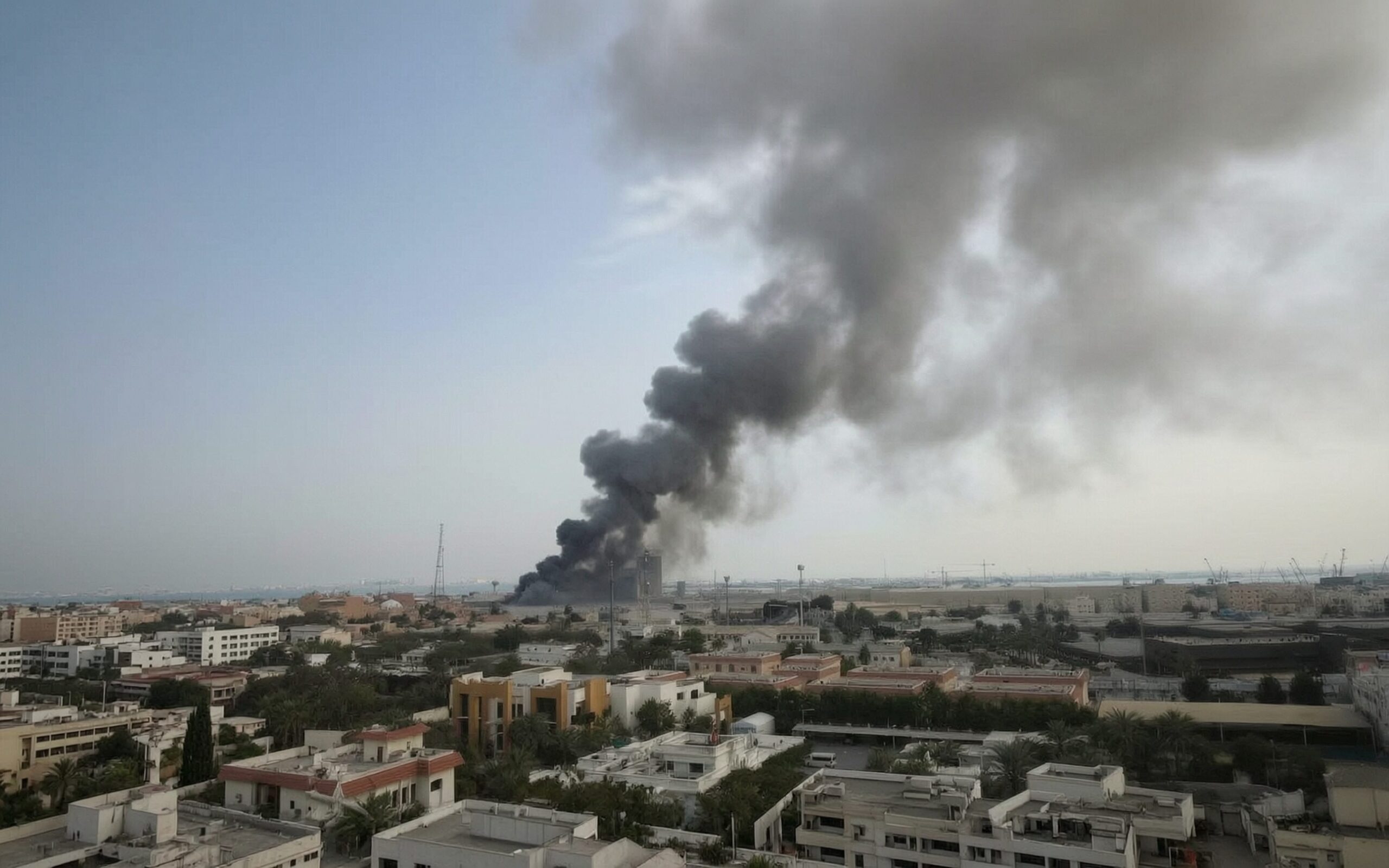
The uncertainty has added a personal burden to the operational damage, leaving service members and their loved ones separated from homes, schools, and established support networks.
Meanwhile, officials have revealed little publicly about repair timelines or the long term future of the installation.
The damage also created major logistical complications for Navy forces operating throughout the Middle East.
Naval Support Activity Bahrain is not merely an administrative headquarters because it also functions as a crucial supply and support hub for deployed ships.
With facilities in Bahrain damaged, many supplies were shifted to Naval Support Facility Diego Garcia, which is considerably farther from regional operating areas.
That distance complicated deliveries to deployed vessels, including the USS Abraham Lincoln, and placed additional strain on already demanding supply routes.
Cao said he has established a task force that is “looking” at what steps should be taken regarding the base.
He did not explain whether those options involve extensive repairs, relocation of certain functions, stronger protection measures, or some combination of all three.
A Navy official later said the service had “nothing additional to provide at this time” regarding Cao’s comments.
That familiar bureaucratic curtain may limit public details, but it cannot conceal the basic reality that Iran successfully battered one of America’s most strategically important naval facilities.
The episode will likely force serious questions about air defenses, hardened infrastructure, family evacuation plans, and the Navy’s regional logistics network.
Bahrain remains strategically valuable, but rebuilding American combat support capacity there will require time, money, and a clear eyed assessment of how Iran penetrated its defenses so repeatedly.
