
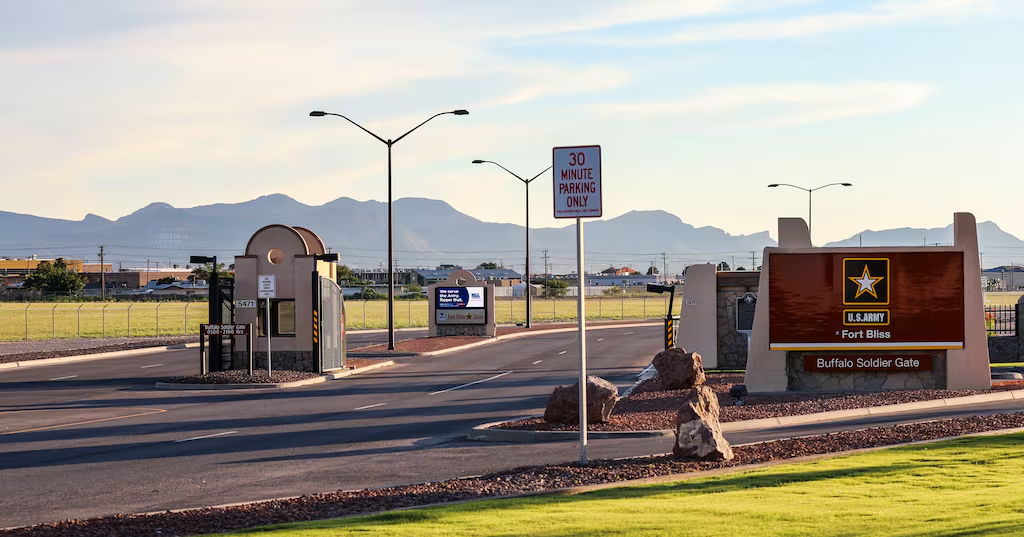
A Texas jury has convicted former soldier and military contractor Joseph Lavar Davis for orchestrating a brazen theft of more than $1 million worth of Meals-Ready-to-Eat from Fort Bliss.
According to the Department of Justice, Davis took advantage of his insider knowledge of military food supply systems to pull off one of the largest ration thefts in Army history.
Between February and August 2020, Davis allegedly helped swipe over 200 pallets of MREs, totaling roughly 115,200 meals. Each pallet held 576 individual field meals intended to feed troops, not fuel some backroom resale scheme.
This wasn’t a few cases of extra chow sneaked out in the trunk—it was an industrial-level operation run like a criminal logistics company.
Officials say the stolen MREs, valued at just over $1.1 million, were moved off base using rented trucks and sold through a civilian warehouse in El Paso.
The entire operation was disguised under fake paperwork, with Davis and his co-conspirators submitting fraudulent memos designed to look like legitimate military requests for supplies.
Davis, 47, once served in Army food service, which gave him direct access to the procurement system and allowed him to understand the weak points in the process. When he left Army service and returned as a contractor, he used that knowledge not to serve his country, but to serve himself.
Prosecutors said Davis worked with three others—including another former soldier, an active-duty member assigned to the 1st Armored Division at Fort Bliss, and a civilian warehouse owner who fenced the stolen goods online.
Federal investigators tracked the scheme after noticing irregularities in supply logs, eventually tracing the stolen property to the private warehouse operation.
While details about the other defendants remain scarce, court filings indicate that one co-conspirator has already pleaded guilty to conspiracy to commit theft of government property. That individual reportedly reached a plea agreement earlier this year.
The warehouse owner, according to the Department of Justice, made nearly $44,350 in separate payments to Davis and his partners during the six-month theft spree.
The scope of the crime—and the level of betrayal involved—drew sharp words from prosecutors. “Joseph Davis betrayed the very country he once swore to protect in an effort to satisfy his own selfish ambition,” U.S. Attorney Justin R. Simmons said following the conviction. “A jury of his peers held him accountable for it.”
Unlike the MREs Davis stole—some of which may not have been all that edible—his guilt is airtight. Authorities say the theft operation was meticulously planned, leveraging Davis’s background to cover the tracks with authentic-looking paperwork that fooled internal checks until tens of thousands of rations were already off the base.
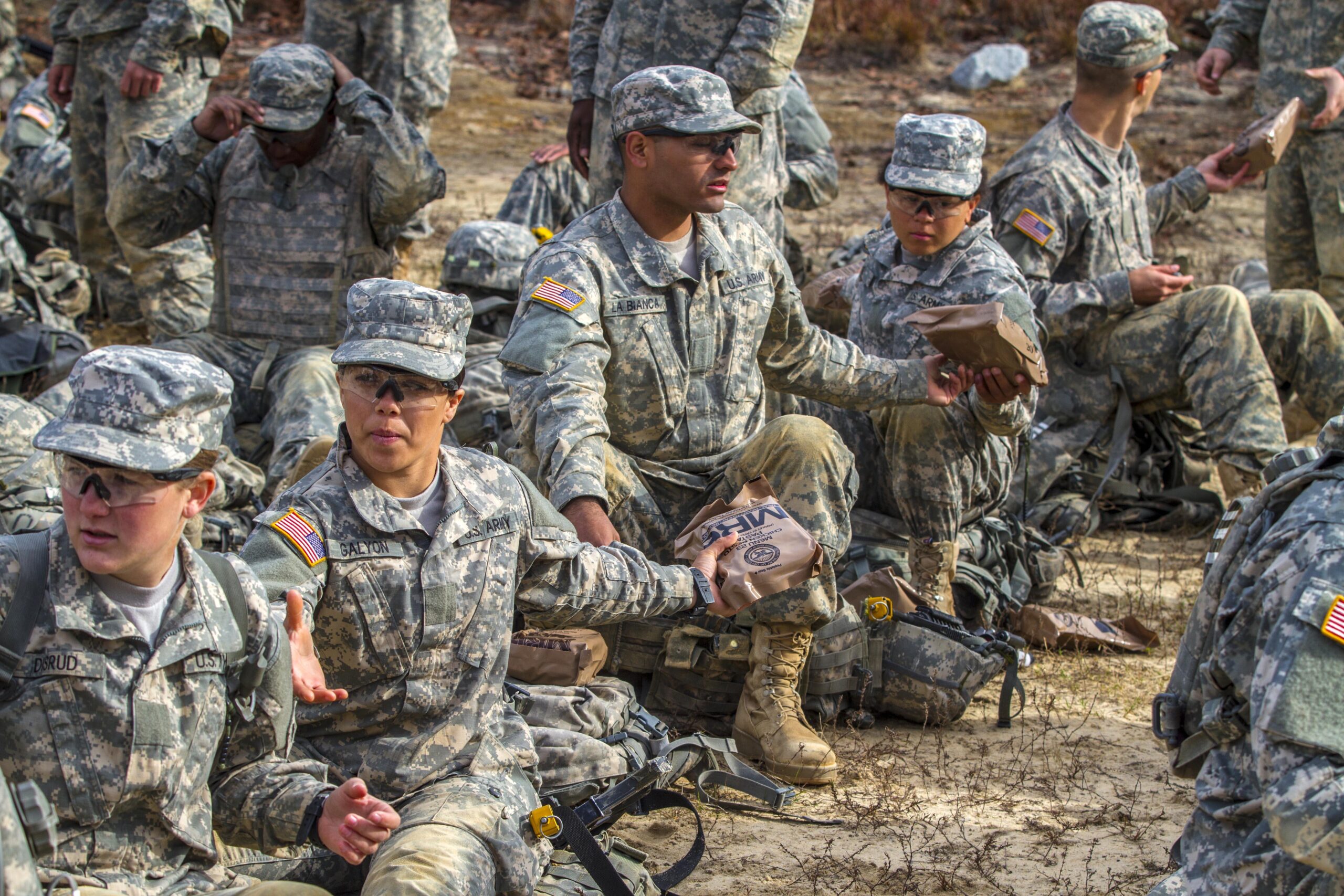
For those unfamiliar, MREs are the standard field ration for U.S. troops—lightweight, shelf-stable packages that can withstand combat conditions and keep soldiers fueled without a kitchen.
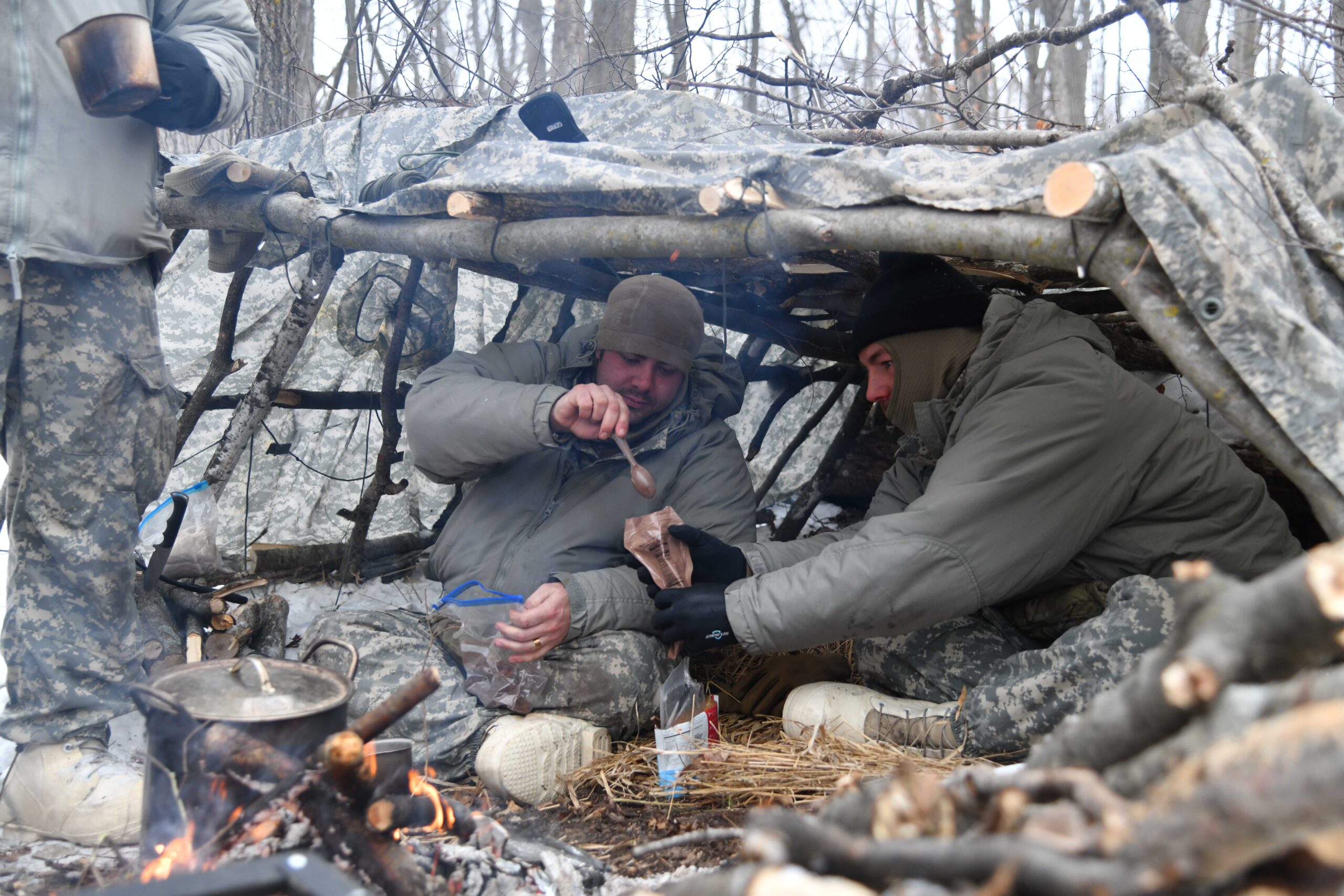
They’ve sustained American forces since the 1980s, from desert patrols to disaster relief. The irony here is thick: a former soldier, trusted with feeding the force, ended up stealing from it instead.
Even more insulting, some of these stolen MREs were later peddled online, turning America’s troop rations into eBay merchandise.
It’s the kind of corruption that infuriates honest servicemembers—men and women who actually eat those MREs in the field while someone like Davis is hustling them for cash.
The case underscores an ongoing challenge within base logistics systems across the country.
When veterans return as contractors, they bring valuable skills—but sometimes, as in this case, they also bring knowledge of how to exploit the bureaucracy.
The War Department has tightened oversight since 2020, but internal fraud like this is always a risk when oversight depends on trust.
This conviction should serve as a clear warning: the federal government isn’t tolerating fraud or grift against the U.S. military’s supply chain.
With Secretary of War Pete Hegseth pushing to restore discipline and accountability across wartime logistics, cases like this remind the force why vigilance—down to every crate of supplies—is non-negotiable.
At the end of the day, what Davis stole wasn’t just 200 pallets of Army chow. He stole from his brothers and sisters in arms.
He abused the flag he once wore on his shoulder. And now, thanks to a Texas jury and diligent investigators, he’s finally being held responsible for it.
