News

News

Zohran Mamdani Declares Victory Over Democratic Party’s Soul, Others Say Not So Fast

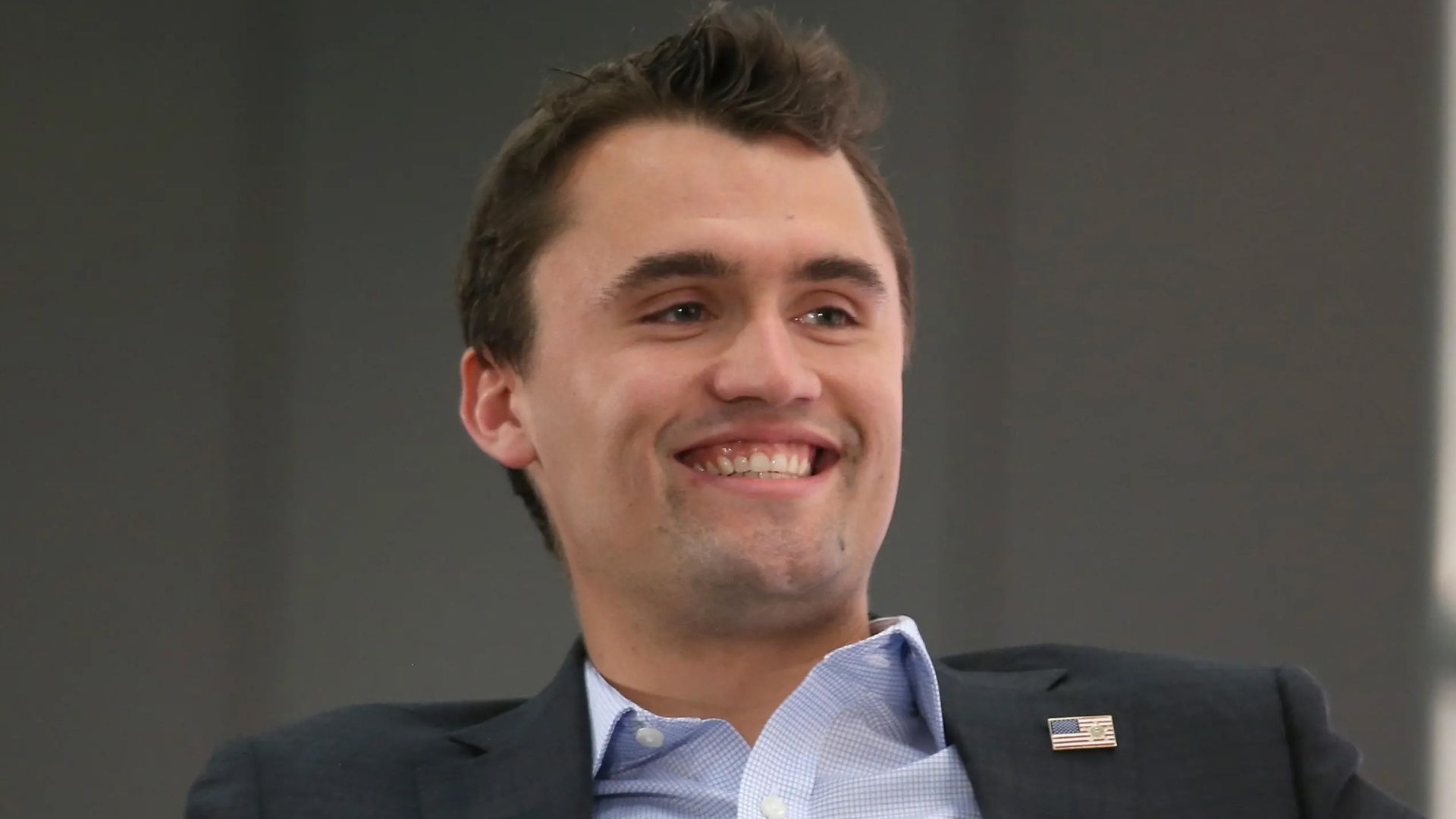
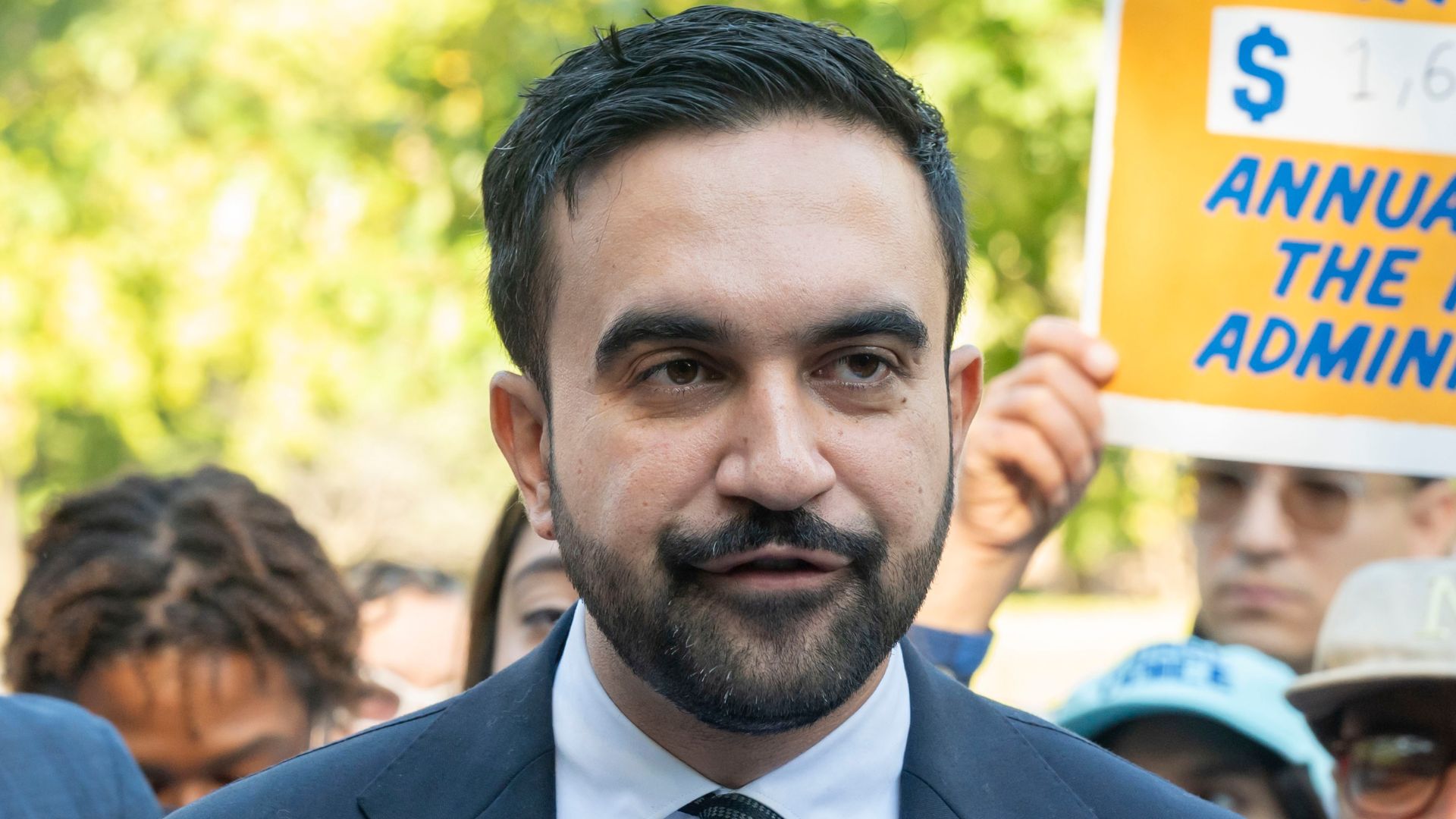
Zohran Mamdani, 33, the Democratic Party’s nominee in the New York City mayoral race, told supporters Monday that his campaign has placed progressives at the center of the party’s direction while national figures signal caution about embracing his message heading into the final weeks before Election Day.

Speaking at an evening rally of approximately 3,000 people, Mamdani said his proudly socialist bid had “won the battle over the soul of the Democratic Party.”

The Daily Caller News Foundation (DCNF) asked 11 Senate Democrats about Mamdani’s remarks; those lawmakers either distanced themselves from the candidate or declined to comment on how his movement fits within the party.

“I tend to focus on Michigan and not on Manhattan politics,” Michigan Sen. Elissa Slotkin told the DCNF when asked if she agreed that Mamdani’s campaign had won the party’s “soul.”

“I just think New York politics are different from Kansas politics, which are different than Michigan politics,” Slotkin added.

Her colleague from Michigan, Democratic Sen. Gary Peters, said, “It’s [New York City] not the rest of the country.”

National Democrats have been measured in their approach to Mamdani since his upset victory over former New York Governor Andrew Cuomo in the June primary.

While additional endorsements have arrived in recent weeks as the election nears and public polling shows Mamdani with a strong lead, several lawmakers suggested the candidate’s impact should be viewed as specific to New York City’s five boroughs.

“I’m one of those persons that said we should bring him into the fold and all this kind of stuff,” Arizona Sen. Ruben Gallego told the DCNF.
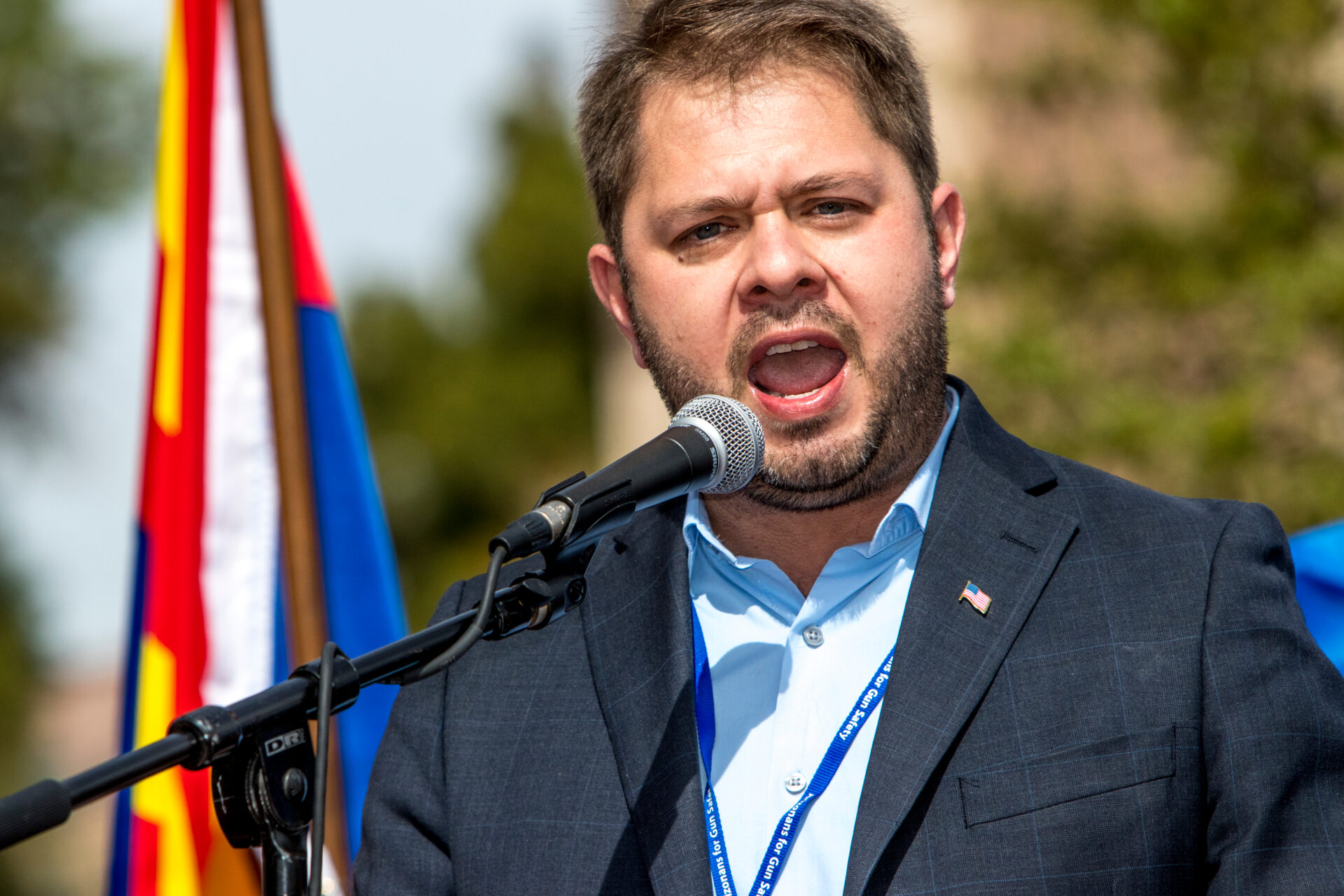
PHOENIX, AZ / USA – MARCH 24, 2018: U.S. Congressman Ruben Gallego (D-AZ), an outspoken activist for gun safety, addressed the crowd briefly at the March for Our Lives event at the state capitol.

“Mamdani represents the New York Democratic Party and their establishment, and there’s nothing wrong with that, but it doesn’t mean that his brand would carry somewhere else.” Democratic New Mexico Sen. Ben Ray Lújan said, “You talked to my colleagues from New York? I mean I don’t vote for that guy.”

New York’s senators, Senate Minority Leader Chuck Schumer and Sen. Kirsten Gillibrand, who leads the Senate Democrats’ campaign arm, have not endorsed in the mayoral contest.
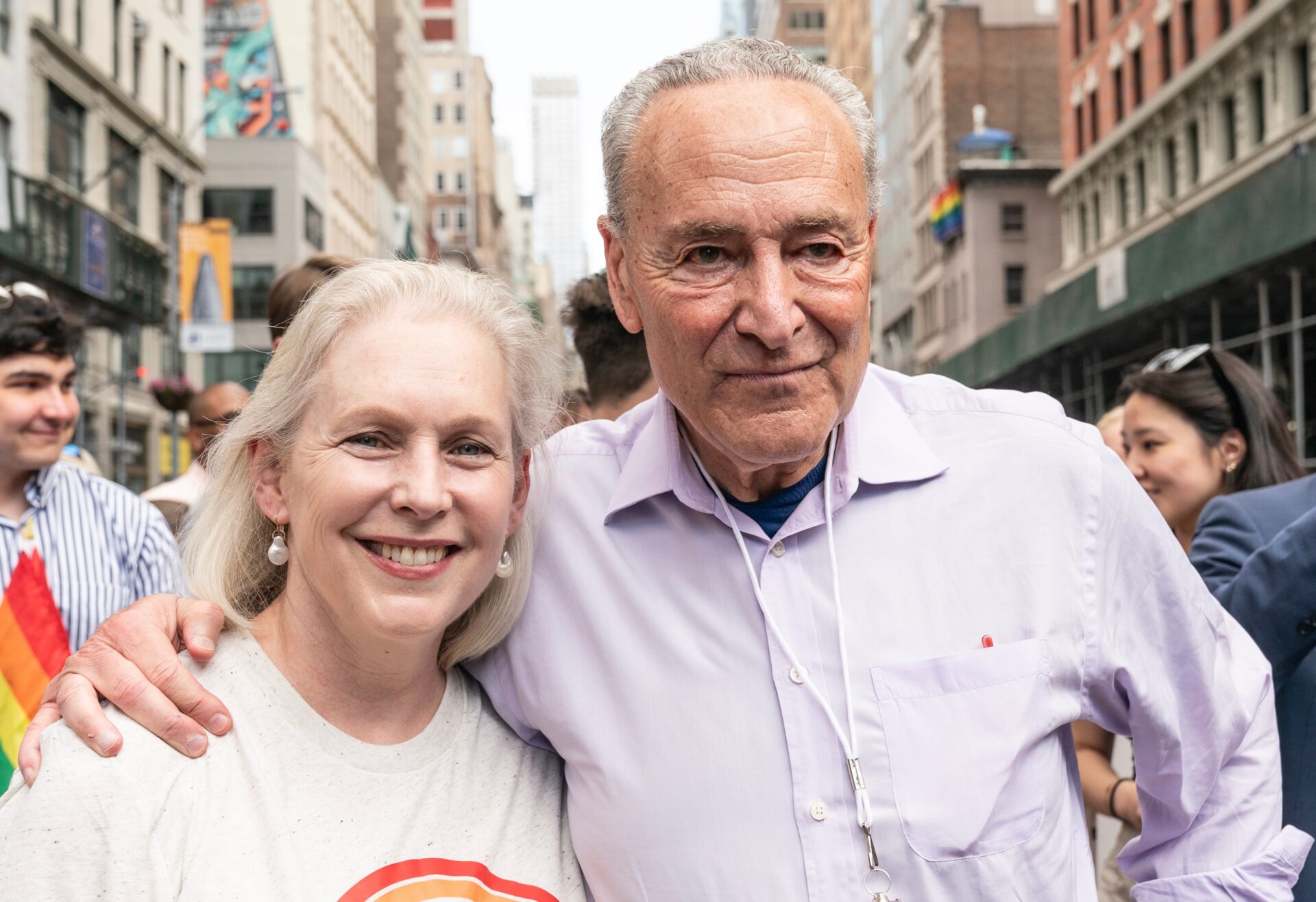
U. S. Senators Kirsten Gillibrand and Charles Schumer attend 2023 New York City Pride March on Fifth Avenue on Manhattan in New York on June 25, 2023.

Some Democrats have expressed unease with elements of Mamdani’s platform and public statements and have cited concerns about national implications for the party’s image.

Top Republicans, including President Donald Trump, have argued that Mamdani’s politics present a contrast they intend to use in next year’s midterm elections.

Mamdani previously called for defunding the police, describing the institution as “racist, anti-queer & a major threat to public safety” during Black Lives Matter protests.

His current platform proposals include a rent freeze and ending a gifted program in schools that allows high-achieving students to advance beyond grade level.

Mamdani also faced questions about the phrase “globalize the intifada,” which many view as a call to violence against Jews and the state of Israel.

He did not issue a condemnation until after he became the Democratic nominee for mayor.

He has not withdrawn an earlier statement that he would seek to arrest Israeli Prime Minister Benjamin Netanyahu if he enters Manhattan during his tenure as mayor.

House Minority Leader Hakeem Jeffries has repeatedly declined to say why he has not endorsed Mamdani.

In an interview Tuesday with CNN’s Dana Bash, Jeffries was asked whether Mamdani and his movement represent the party’s soul.

“Well the Democratic Party, of course, is extremely diverse, and it’s represented by people like Mikie Sherrill—,” Jeffries said, referring to the party’s nominee for governor of New Jersey.

“But there’s only one soul,” Bash replied. Jeffries continued without addressing Mamdani’s place in the party and said he would meet with Mamdani again before early voting begins later in October.

Other Democrats chose not to directly assess Mamdani’s claim.

“The Democratic Party has a range of views, just like the Republican Party has a range of views,” Arizona Sen. Mark Kelly told the DCNF.

Democratic Delaware Sen. Lisa Blunt Rochester said she had not seen Mamdani’s comments but added that she sees “some positive energy from New York.”

Democratic Sens. Chris Murphy of Connecticut and Elizabeth Warren of Massachusetts said they had not seen the remarks; Warren endorsed Mamdani after his primary win and campaigned for him in August, praising his focus on cost-of-living issues.

Supporters of Mamdani contend that his candidacy offers Democrats a route back to governing majorities.

“The Democratic Party has got to shed the influence of the billionaire class and corporations on it, and has got to speak to the needs of the working class,” Independent Vermont Sen. Bernie Sanders told the DCNF.

“And certainly, when Mamdani talks about affordability, he’s speaking the right language.”

As the campaign enters its final stretch, national Democrats have signaled they will continue to calibrate their responses to Mamdani’s rise, while the nominee’s team points to rally turnout, recent endorsements, and public polling as evidence of consolidation within New York City. Early voting is scheduled to begin later in October.
News

Trump Admin Tells the United Nations and Their ‘Net Zero Fund’ to Kick Rocks

The Trump administration said it will not support a proposed global carbon fee on maritime shipping that is scheduled for a vote next week at the International Maritime Organization (IMO), the United Nations agency that regulates international shipping.

The measure, known as the Net Zero Fund (NZF), would mark the first instance of a UN body imposing a worldwide fee on carbon emissions from a specific industry.

Officials said the plan would raise global shipping costs by as much as 10 percent and negatively affect U.S. workers, consumers, and energy producers.

“The United States will not accept any international environmental agreement that unfairly burdens the American people,” the administration said in a statement.

“We will not tolerate any action that increases costs for our citizens, energy providers, or shipping companies.”

The NZF proposal is backed by several European nations.

As described by supporters and in summaries cited by the Associated Press, the plan would establish a minimum $100 fee for every ton of greenhouse gases emitted by ocean-going vessels above specified limits.

The IMO has estimated that the mechanism could raise between $11 billion and $13 billion per year, with proceeds directed to accelerating the development of new low-carbon marine fuels, providing incentives for “low-emission vessels,” and assisting developing countries in modernizing their fleets to meet future standards.

If approved, the fee would take effect in 2027, following a phase-in period and implementation steps overseen by the IMO’s member states.

The proposal is one of several items on the agenda as delegates consider pathways to meet previously adopted sector-wide climate goals for shipping.

Administration officials criticized the initiative as an external imposition of climate policy through a UN forum.

They described the plan as “a neocolonial export of global climate regulations” and said the United States is prepared to respond with economic measures aimed at jurisdictions that vote in favor.

Potential actions under consideration include visa restrictions on certain maritime workers, additional port fees, and sanctions on officials who promote what the statement called “activist-driven” climate policies.

Officials also noted possible limits on vessels registered in nations that support the NZF and the initiation of competition inquiries involving foreign shipping companies.

“The United States will fight to protect its economic interests,” the administration’s statement said, adding that other IMO members “should be on notice.”

U.S. officials said they plan to engage with partners on alternative approaches that, in their view, would reduce emissions without shifting costs onto American consumers or transferring revenues to international funds outside of domestic oversight.

The debate over the NZF is taking place amid broader discussions about the shipping sector’s contribution to global emissions.

Estimates cited by industry groups and UN agencies place maritime shipping at roughly 3 percent of worldwide totals, with projections varying depending on trade growth, fuel use, and technology adoption.

Proponents of a fee-based system argue that a price signal is necessary to accelerate investment in low-carbon fuels such as methanol and ammonia and to bridge cost gaps relative to conventional marine fuels.

Critics contend that a global levy would raise freight costs across supply chains and could disproportionately impact developing economies and consumers in import-reliant markets.

Within the IMO, member states regularly negotiate technical standards, efficiency measures, and timelines for adoption.

The NZF proposal would add a financial instrument to existing regulations, paired with a governance framework to allocate revenues for research, deployment, and assistance.

Details under discussion include the precise fee level, emissions thresholds, compliance verification, and how funds would be administered and distributed.

U.S. officials said they would continue to oppose measures they view as harmful to domestic economic interests while working with partners on technology-focused and market-driven solutions.

The administration has not released a separate U.S. alternative to the NZF but indicated it would back approaches that, in its assessment, preserve shipping competitiveness and avoid new costs for American producers and consumers.

The IMO’s member states are expected to take up the NZF item during next week’s session.

If the proposal does not secure sufficient support, delegates could refer it for additional study, amend its terms, or consider revised measures at a future meeting.

If it advances, the organization would begin drafting implementation rules, reporting requirements, and enforcement mechanisms ahead of the planned 2027 start date.

News

Illegal Aliens Ram Border Patrol SUV; Chicago Protest Turns Violent

Federal authorities said two Venezuelan nationals were detained Tuesday morning in Chicago after a vehicle allegedly rammed a U.S. Border Patrol vehicle and fled, prompting a pursuit that ended with arrests and a confrontation between agents and protesters.

According to a Department of Homeland Security (DHS) spokesperson, the incident occurred near South Avenue N during an immigration enforcement operation.

“This morning while conducting an immigration enforcement operation in Chicago a vehicle, driven by an illegal alien, rammed a Border Patrol vehicle and attempted to flee the scene,” the spokesperson said.

“Border Patrol pursued the vehicle and was eventually able to stop it utilizing an authorized precision immobilization technique (PIT) maneuver. Once the vehicle was stopped, the suspects, who are both illegal aliens, attempted to flee on foot. As Border Patrol arrested the subjects and attempted to secure the scene a crowd began to form and eventually turned hostile and eventually crowd control measures were used.”

A senior DHS source identified the two individuals as Luis Gerardo Pirela-Ramirez and Yonder Enrique Tenefe-Perez, both from Venezuela.

The source said both were detained following the PIT maneuver and foot pursuits.

Officials said video captured at the scene shows objects being thrown and a roadway blocked as agents sought to secure the area. Federal officers deployed tear gas to disperse the crowd.

In a follow-up statement describing broader enforcement concerns, the DHS spokesperson said, “This incident is not isolated and reflects a growing and dangerous trend of illegal aliens violently resisting arrest and agitators and criminals ramming cars into our law enforcement officers. The fact that this attack was carried out by two illegal immigrants, highlights the need for federal law enforcement to continue to do their job of enforcing the laws of our nation —all while receiving no pay thanks to the Democrats’ government shutdown.”

The events come amid recent tensions surrounding federal immigration operations in Chicago.

Federal officials previously reported that officers from U.S. Customs and Border Protection (CBP) and U.S. Immigration and Customs Enforcement (ICE) were confronted in an incident they described as a “coordinated assault” by a convoy of roughly ten vehicles.

Local authorities were notified during that episode. Chicago police were reported to have been directed not to intervene; federal officials characterized that directive as a stand-down order.

Last week, President Donald Trump and Homeland Security Secretary Kristi Noem addressed that earlier episode, calling the stand-down order “illegal” and urging accountability for officials involved. Federal agencies have continued scheduled enforcement operations in the city.

Tuesday’s enforcement action began with mobile surveillance and vehicle interdiction procedures commonly used by Border Patrol tactical units in urban settings, according to officials familiar with the operation.

After the PIT maneuver brought the suspect vehicle to a stop, agents moved to detain the occupants.

The crowd formed shortly after the arrests began, officials said.

No injuries to agents were immediately reported.

Authorities did not release information about injuries among bystanders.

Homeland Security officials said both detainees would be processed according to federal immigration and criminal procedures.

Potential charges stemming from the vehicle-ramming allegation were referred to federal prosecutors.

The department said additional arrests related to the crowd confrontation were possible pending review of video evidence and agent reports.

The Chicago field offices for CBP and ICE have increased coordination with other federal partners during recent operations, according to officials, citing officer safety concerns and incident response planning.

Federal agencies said they are reviewing Tuesday’s use of crowd control measures under standard after-action protocols.

Local officials did not immediately release independent accounts of the incident near South Avenue N.

DHS said updates on charging decisions and custody status for the two detainees would be provided through standard public information channels once available.

Federal authorities reiterated that enforcement operations would continue in the Chicago area under existing priorities and guidelines.

DHS said it would evaluate security posture around field operations and adjust staffing as necessary in response to public safety conditions encountered during arrests and transport.

News

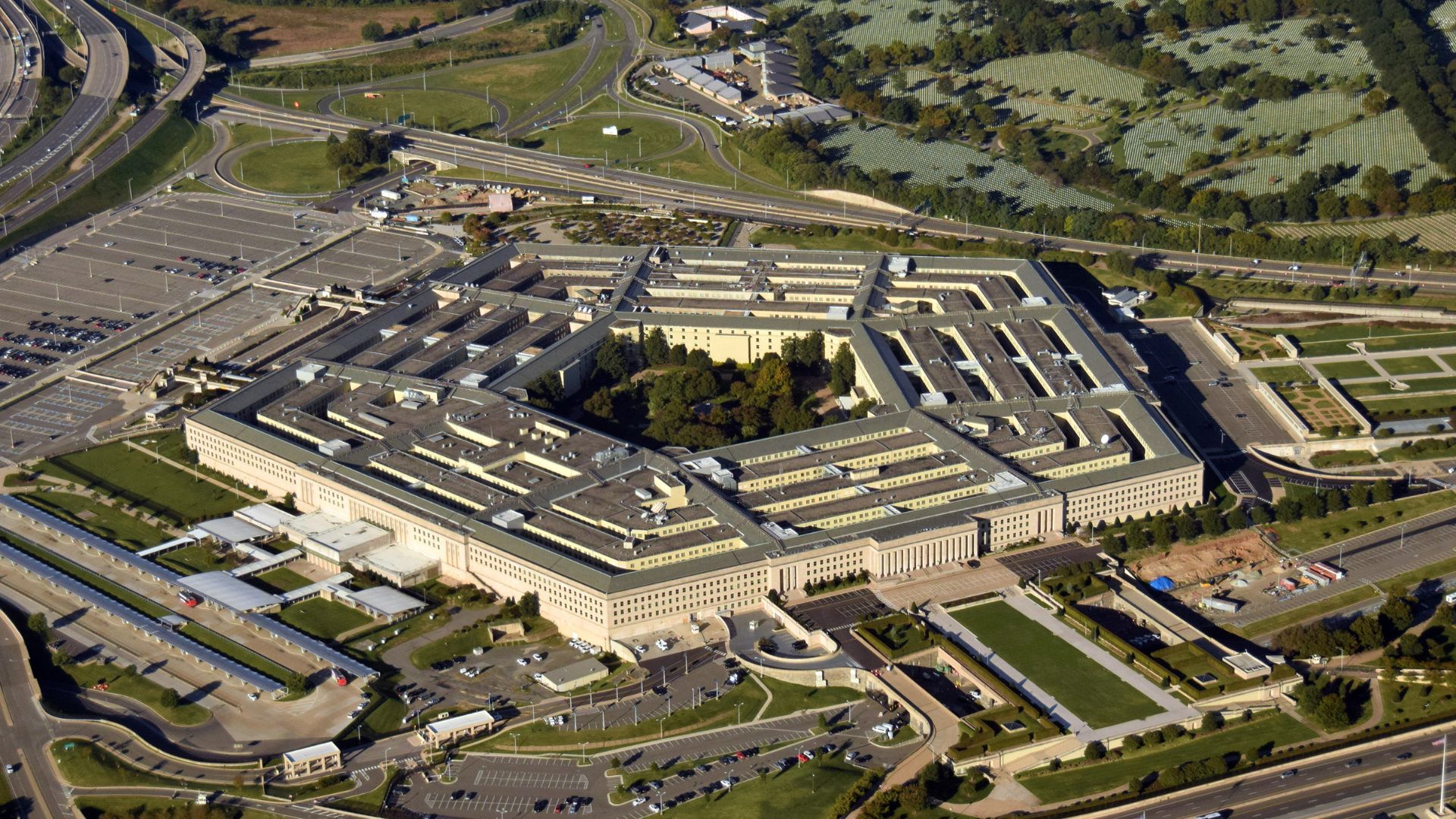
Pentagon Press Corps Turn in Credentials En Masse After Hegseth Tightens Security

Many Pentagon beat reporters returned press credentials on Wednesday after declining to agree to new “external engagements” policies set by the Department of War (DOW), according to media organizations and the Pentagon Press Association (PPA).

The action follows a memo issued last month by Secretary Pete Hegseth outlining revised procedures for press relations and setting a deadline for newsrooms to acknowledge the rules.

Hegseth’s memo said past participation in interviews, press briefings, and news conferences “tended to canalize toward certain types of institutions.”

The document detailed updated terms of engagement and required outlets to accept or acknowledge the rules by 5 p.m. yesterday.

Under the policy, non-compliant reporters were given 24 hours to turn in credentials and clear assigned office space inside the building.

Hegseth also addressed the standards for interactions between reporters and government personnel in a post on X, stating that “credentialed press no longer permitted to solicit criminal acts.”

The guidance, as described by the department, targets situations in which a reporter encourages a source to violate the law by leaking confidential information.

According to the department, the DOW began a review of media relations activities over the summer and reworked access and coordination procedures.

Officials said the aim is to broaden participation and recalibrate how the Pentagon engages with outlets while protecting national security information.

Representatives of the Pentagon press corps raised concerns over elements of the plan and sought changes prior to the deadline.

In recent weeks, CBS reported that the press corps’ “negotiations with the Defense Department over easing proposed restrictions on their reporting have reached an impasse, according to the Pentagon Press Association (PPA) — though the Pentagon says it has negotiated in good faith.”

Under the revised policy, beat reporters must acknowledge or adhere to the updated rules to retain credentials.

One early provision required reporters to acknowledge they would not disclose classified or controlled unclassified information that is not formally authorized for publication.

After discussions with the PPA, the department adjusted the language.

In the latest iteration of the policy, the DOW states: “Members of the news media are not required to submit their writings” before publication.

Reporters will not be required to obtain DOW approval prior to publishing stories that contain information not officially approved for release.

Physical access rules are also changing.

The department plans to reorganize newsroom space within the Pentagon, restrict access to certain offices and corridors, and require escorts in some areas.

Officials described those measures as consistent with procedures used at military installations and other secure facilities.

The department maintains that the Pentagon’s role in national security necessitates limits on unrestricted movement by non-employees inside the building.

The PPA issued a statement objecting to the restrictions and the credentialing deadline, saying they would impair routine newsgathering and limit independent reporting from the Pentagon.

The association argued that the press corps’ longstanding access framework allowed for timely coverage while honoring security protocols, and it urged further revisions to the policy.

DOW officials say they engaged in negotiations with the PPA and implemented changes — including removal of any pre-publication review requirement — in response to concerns.

They also emphasized that the policy does not alter existing laws governing the handling of classified information and that employees remain bound by federal statutes and nondisclosure obligations.

With the acknowledgment deadline passed, multiple news organizations with Pentagon-assigned reporters had not signed on to the policy.

Those outlets began returning credentials and vacating assigned workspaces in the press area, according to people familiar with the process.

Next steps will include the assignment of available workspace under the new configuration and continued enforcement of access rules.

The department said day-to-day press operations — including scheduled briefings, pool coverage, and responses to media inquiries — will continue, with credentialed reporters able to attend via the established procedures.

The PPA said it remains open to additional discussions aimed at restoring access and addressing outstanding concerns about the scope and application of the new rules.

The department has not announced further changes beyond those communicated in Hegseth’s memo and subsequent updates relayed to media organizations.

News

Democrats Storm Speaker Johnson’s Office, Berate Cop During Desperate Political Stunt

House Speaker Mike Johnson (R-La.) said Wednesday that a group of Democratic lawmakers entered his office suite during the ongoing federal government shutdown and confronted a Capitol Police officer posted outside, an incident he described at a Capitol press conference as part of a pattern of “political stunts and antics.”

“Last night, they played some games. They stormed my office. Maybe you saw some of the video online that they themselves shared, or someone did,” Johnson said.

“They berated a Capitol police officer, screamed at him. He was just merely standing his post.”

The activity near the Speaker’s office occurred as the shutdown moved into its third week and as disputes over a continuing resolution remained unresolved.

Johnson said the episode unfolded while he was away from the office to attend a White House ceremony where President Donald Trump posthumously awarded the Presidential Medal of Freedom to Turning Point USA founder Charlie Kirk.

Democratic members have pressed for the seating of Congresswoman-elect Adelita Grijalva of Arizona, whose certification was completed this week.

Johnson’s critics argue that House action to administer the oath could proceed immediately.

Republican leaders have tied the matter to the broader standoff over government funding, contending that the Senate should advance the House-backed proposal to reopen agencies before unrelated business moves forward.

According to video posted online by participants and bystanders, Democratic lawmakers gathered outside Johnson’s office suite on Tuesday evening and recorded the demonstration on their phones. At least one sign posted at the entrance to the suite was removed during the confrontation.

Johnson referenced those clips in his remarks and said he viewed the conduct as crossing a line.

“It shows, again, their disdain for law enforcement, as we see all around the country, the Democrats and everyone in that party, screaming, assaulting ICE officers. They did it right here in the Capitol last night,” he said.

The exchange came amid heightened tensions over efforts to end the lapse in federal appropriations.

The Senate has repeatedly failed to advance competing measures, and both chambers have traded blame as federal workers, contractors, and service providers confront disrupted operations.

Republicans have urged passage of what they describe as a “clean” continuing resolution originating in the House, while Democrats have criticized GOP proposals as insufficient or mismatched with previously negotiated toplines.

Johnson said Democrats have focused on “all sorts of political stunts and antics,” including removing signage from his office suite, instead of engaging on the specifics of the House bill.

“They’ve been doing that every day now, and it shows their desperation,” he said.

“It also shows a very strong contrast between the party that is working for the people and trying to keep the government open and do the right thing, and the party that is engaged in all this nonsense.”

U.S. Capitol Police did not immediately provide a detailed account of the incident outside the Speaker’s office.

There were no public reports of arrests or injuries connected to the encounter as of Wednesday afternoon.

The House Sergeant at Arms likewise did not announce restrictions on public access to the Speaker’s corridor beyond the standard security posture in effect during the shutdown period.

The timing of the confrontation coincided with a sequence of events drawing national attention.

At the White House on Tuesday, President Trump presented the Medal of Freedom posthumously to Kirk during a Rose Garden ceremony attended by family members and senior officials.

Johnson and other congressional leaders participated in the event before returning to the Capitol for additional negotiations over funding legislation.

Arizona officials, including the state’s attorney general, have called for swift action to seat Grijalva following certification of the special election results.

House leaders have not announced a floor schedule for administering the oath.

If sworn in, Grijalva would succeed her father, longtime Rep. Raúl Grijalva (D-Ariz.), and represent a southern Arizona district.

As the shutdown stretches into another week, House and Senate leaders say they remain in contact about possible pathways to reopen the government.

The House majority maintains that the chamber is prepared to move quickly once the Senate advances a vehicle acceptable to both parties, while Democrats insist the House should first take up a plan that can also clear the Senate.

Johnson reiterated that his focus is on ending the funding lapse and returning federal agencies to normal operations.

He also defended the Capitol Police presence outside leadership offices and called for members to maintain decorum during protests and media events on the Hill.

“We’ve always stood with law enforcement here,” he said, pointing back to the officer posted outside his doorway.

“He was just doing his job standing at his post.”

News

A Tale of Two Parties: Leaked Messages Spur GOP Firings; Dems Still Back VA AG Hopeful

A leak of thousands of private messages attributed to leaders in several Young Republican organizations has prompted resignations, job dismissals, and a national statement from the Young Republican National Federation (YRNF), while a separate controversy over 2022 text messages by Virginia attorney general nominee Jay Jones continues to draw bipartisan condemnation.

POLITICO reported this week that it reviewed roughly 2,900 pages of messages from a private Telegram chat spanning January through mid-August and involving Young Republican figures in New York, Kansas, Arizona, and Vermont.

The outlet said the messages included racist, antisemitic, and violent rhetoric and references to white supremacist slogans.

Subsequent coverage detailed consequences for several participants, including job losses and calls to step down from party roles.

In a statement reported by Newsweek, the YRNF board said it was “appalled by the vile and inexcusable language revealed in the Politico article.”

The statement added: “Such behavior is disgraceful, unbecoming of any Republican, and stands in direct opposition to the values our movement represents. Those involved must immediately resign from all positions within their state and local Young Republican organizations.”

Newsweek also published a list of nine individuals named in the reporting and summarized additional responses from Republican officials.

The fallout has included personnel changes and organizational steps at the state level. POLITICO and local outlets reported that New York figures Peter Giunta and Joseph Maligno were no longer in their positions, while Kansas Young Republicans activity was halted following the disclosures.

The Kansas Reflector described actions taken after the messages became public and detailed the involvement of state-level officers.

A Forbes summary on Wednesday likewise reported multiple job separations tied to the controversy.

Newsweek’s report quoted examples from the leaked chat logs that POLITICO reviewed.

In one exchange, a participant wrote “Everyone that votes no is going to the gas chamber,” followed by a back-and-forth about “true believers.”

In another, a separate participant described rape as “Epic.”

Newsweek reported that one state leader referenced “1488,” and published additional messages attributed to individuals in the chat, along with on-record responses or apologies where available.

In New York, state Senate Minority Leader Rob Ortt said he was “shocked and disgusted,” and a senior adviser to Rep. Elise Stefanik said that if POLITICO’s description was accurate, “Congresswoman Stefanik calls for any NY Young Republicans responsible for these horrific comments in this chat to step down immediately.”

The White House, through spokesperson Liz Huston, issued a statement rejecting attempts to link President Donald Trump to the private group chat, saying: “Only an activist, left-wing reporter would desperately try to tie President Trump into a story about a random group chat he has no affiliation with… No one has been subjected to more vicious rhetoric and violence than President Trump and his supporters.”

Separately, the Virginia attorney general race has been shaped by text messages from 2022 attributed to Democrat Jay Jones.

The Washington Post reported that Jones, then a former delegate, described a hypothetical scenario involving “two bullets to the head” of the Republican House speaker and used language about opponents’ children.

Virginia-based outlets have reported continuing political reaction and calls for Jones to exit the race, while other Democrats have publicly criticized the texts.

The Virginia Mercury has covered how the disclosures remain a central campaign issue ahead of debates and voter decisions this fall.

The two developments have unfolded in parallel: one centered on internal party discipline among Young Republican groups following publication of private chat logs, and the other centered on the Virginia contest after earlier text messages surfaced involving a statewide nominee.

In the youth-organization matter, the YRNF’s national statement called for implicated members to “immediately resign,” and Republican officials in multiple states issued condemnations.

In Virginia, media reports have described criticism from both parties and continued scrutiny of Jones’s candidacy stemming from the 2022 messages.

As of Wednesday, the YRNF statement remained in effect as state organizations and individual participants weighed next steps, and campaigns in Virginia continued to respond to questions about the 2022 texts ahead of November’s vote.

News

GOP Odds of Keeping the House Are ‘Up like a Rocket’: CNN’s Harry Enten

CNN chief data analyst Harry Enten on Wednesday detailed a significant shift in indicators for control of the U.S. House of Representatives, saying prediction markets now give Republicans a stronger chance of retaining the chamber in the 2026 midterm elections while Democrats’ lead on the generic ballot trails their position from the last comparable cycle.

Citing the Kalshi prediction market during a “CNN News Central” segment with host Kate Bolduan, Enten noted that Republicans stood at a 37% chance of keeping the House at the time of the broadcast, up sharply from the spring.

“[I]f you go back six months ago, you go back to April, Kate Bolduan, what were we looking at? Well, we were looking at the Democrats with a very clear shot of taking control of the U.S. House of Representatives, according to the Kalshi Prediction Market odds,” he said.

“We saw them at an 83% chance. But those odds have gone plummeting down.”

“Now we’re talking about just a 63% chance, while the GOP’s chances — up like a rocket, up like gold, up from 17% to now a 37% chance,” Enten continued.

“So what looked like a pretty clear likely Democratic win in the House come next year has become much closer to a toss-up at this point, although still slightly leaning Democratic.”

Bolduan asked what was driving the change.

Enten compared today’s national environment with the opening months of the last midterm under President Donald Trump.

“I want to take a look and compare it to 2017, 2018, right? Because that’s sort of the baseline. That was, of course, the first [President Donald] Trump term. That was where Democrats were sort of keeping pace,” he said.

“You go back to April, look at the generic congressional ballot, what’d you see? You see plus three Democrats in 2025 in April, you see plus three Democrats back in April of 2017. Now jump over to this side of the screen. What happens? Well, the Democrats are no longer keeping pace with the pace that they were setting back in 2017, 2018.”

“You look back in 2017, you saw that the Democrats had leaped up to an eight-point advantage. I remember covering this. I remember a lot of folks, including myself saying, you know what? Republicans look pretty decent right now, in terms of the fact that they had the House, they had the Senate, they had the presidency, but things were likely going to flip,” Enten added.

“And I was looking for the same signs this year. The bottom line is, it hasn’t happened, Kate Bolduan, it hasn’t happened. Democrats have stayed basically steady, they have fallen off the pace.”

Enten also addressed how map changes could influence outcomes even if Democrats hold a small national-vote lead. He said the current environment favors Republicans in seat conversion.

“If both sides max out, we’re probably looking at a GOP gain of plus seven House seats,” he said.

That calculation, he noted, does not include the potential effect of the Supreme Court’s pending actions concerning the Voting Rights Act and whether race can be used to draw congressional districts.

“If you add that in, then you could be looking about adding 10, 12, 15, 17 on top of this seven seats … It’s a different new landscape,” Enten said.

“And we’re not quite sure how much Democrats will have to be ahead in the national House vote in order to gain control.”

Issue polling reflects additional headwinds for Democrats heading into the next cycle, Enten said, pointing to a Washington Post/Ipsos survey conducted Sept. 11 to Sept. 15.

In that poll, Republicans led Democrats by 7 points on the economy, 13 points on immigration and 22 points on crime.

Enten previously noted on “CNN News Central” on Sept. 22 that these gaps could signal trouble for Democrats if they persist through the midterm year.

Taken together, the market odds, the slower movement in the generic ballot compared with 2017–2018, and the structure of competitive districts suggest a more competitive fight for House control than models showed in April.

Enten summarized the moment as one where Democrats retain an edge in national indicators but have not yet matched the surge they achieved ahead of the 2018 midterms, while Republicans benefit from favorable maps and stronger ratings on key issues.

News

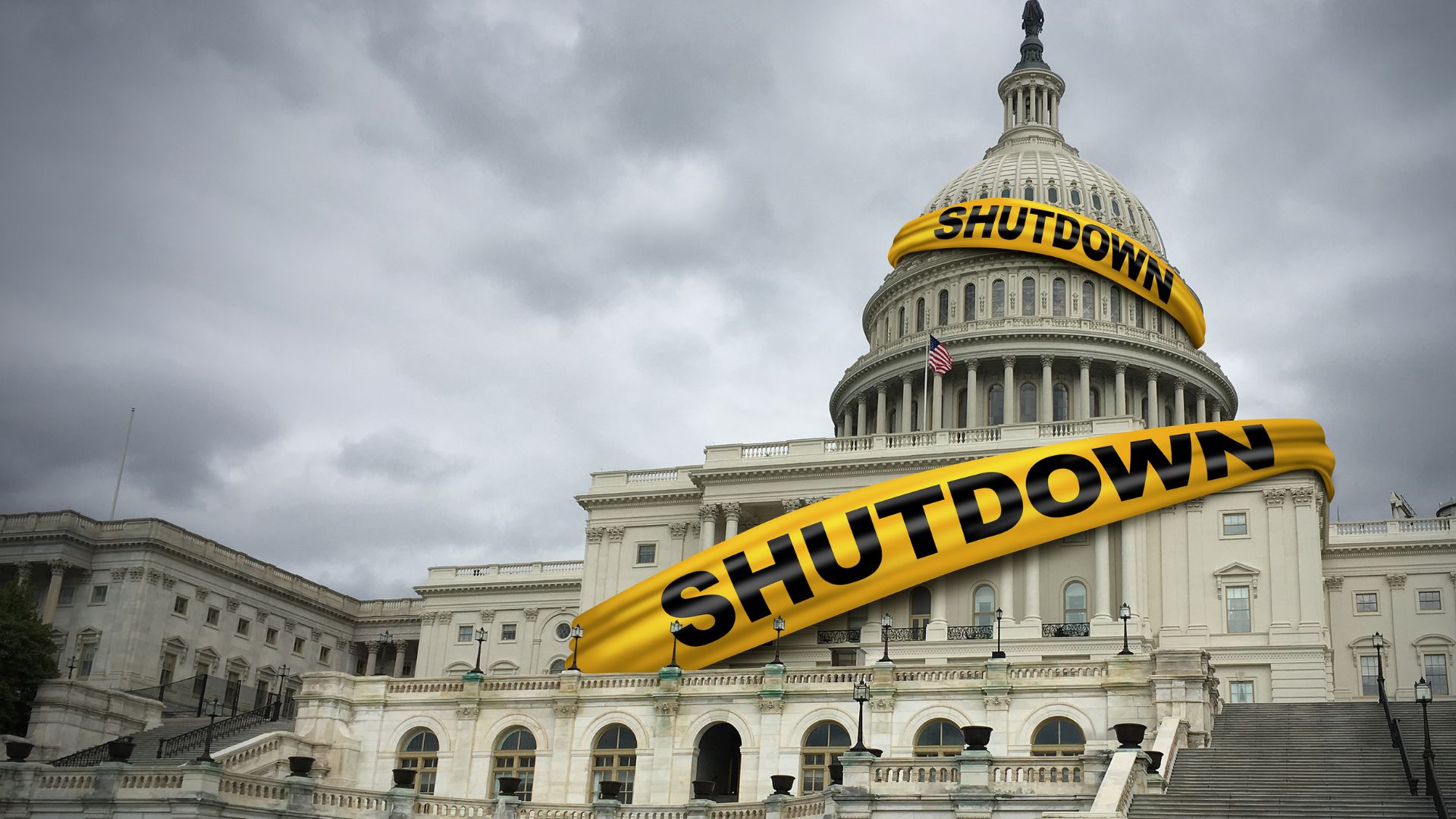
Democrats Again Vote to Keep Government Closed as They Blame GOP for Government Being Closed

The federal government entered its fourteenth day of the Schumer Shutdown on Wednesday, as Senate Democrats once again voted against a Republican-backed continuing resolution to reopen government operations.

The White House Office of Management and Budget (OMB) announced earlier in the week that it is prepared for the long haul, confirming that reductions in force (RIFs) of federal employees will continue as long as the shutdown persists.

The agency stated it would sustain current measures until Senate Democrats agree to vote for the clean funding bill already passed by the Republican-controlled House.

House Speaker Mike Johnson criticized Democrats for “holding the American people hostage” and blocking efforts to restore funding.

He said Democrats’ demands include billions of dollars in spending on what he described as “Leftist pet causes,” citing projects such as feminist initiatives in Africa, LGBTQ+ agenda items in the Balkans, and global climate programs.

Republicans argue that the largest obstacle remains Democrats’ push for an additional $1.5 trillion in new spending, including funding to provide illegal aliens with free healthcare.

GOP leaders note that the plan would expand federal health programs at taxpayer expense, adding that the proposal would raise costs for insured Americans nationwide.

Despite their refusal to advance the clean funding bill, Democratic leaders continue to claim Republicans are to blame for the shutdown.

House Minority Leader Hakeem Jeffries posted on X, “The American people know that Republicans shut down the government. Democrats want to open it up immediately. And decisively address the Republican healthcare crisis.”

Republican leaders have dismissed Jeffries’ statement as misleading, pointing to Democrats’ own healthcare policies as the root cause of rising costs.

They argue that federal mandates and expanded bureaucratic programs enacted under the Affordable Care Act continue to strain the system and inflate prices for consumers.

Senate Majority Leader John Thune also addressed the ongoing impasse on X, emphasizing that Republicans are not attaching any partisan provisions to the funding bill.

“Republicans are not asking Democrats to support any new Republican policies. We’re not asking them to swallow any partisan policy riders. We’re simply asking them to turn the lights back on,” Thune wrote.

“We have put forward a clean, nonpartisan CR. That’s the bill Democrats are rejecting.”

The continuing resolution, known as H.R. 5317, passed the House with Republican support and backing from three Senate Democrats.

The measure would fund government operations temporarily while Congress works toward a broader budget agreement.

Republicans maintain that the bill is “clean,” containing no policy riders and no new partisan measures.

Senate Democrats, however, have declined to advance it, insisting instead on additional spending and policy provisions tied to foreign aid and domestic programs.

The standoff has forced federal agencies to scale back nonessential operations while maintaining essential services.

OMB officials said contingency plans will remain in effect until new appropriations are approved.

The shutdown has intensified political pressure in Washington, with both parties seeking to shape public perception of the stalemate.

The House and Senate are expected to reconvene later this week for further negotiations, though there is little indication that Democrats plan to accept the House-passed resolution.

As the shutdown extends into its third week, Republican lawmakers say the solution remains straightforward — Senate Democrats could vote to reopen the government immediately by passing the House-approved continuing resolution.

Until then, the Schumer Shutdown continues.

News

Trump Shuts Down ABC Reporter After Stephanopoulos Cuts Off JD Vance

President Donald Trump refused to take questions from an ABC News reporter on Tuesday following a meeting with Argentine President Javier Milei, citing frustration over network host George Stephanopoulos’ treatment of Vice President J.D. Vance during a televised interview two days earlier.

The exchange occurred after a bilateral meeting between President Trump and President Milei, where the two leaders discussed trade, energy, and regional cooperation.

During the meeting, Trump formally endorsed Milei’s re-election campaign and praised Argentina’s recent economic reforms.

Milei presented the president with a framed copy of a letter nominating him for the Nobel Peace Prize, joining other world leaders who have submitted similar nominations in recognition of Trump’s role in brokering international peace agreements.

As the press session concluded, an ABC News correspondent attempted to ask the president about the ongoing Israel–Gaza peace agreement.

Trump immediately declined to engage, responding sharply. “I don’t take questions from ABC fake news,” he said.

He continued, “After what you did with Stephanopoulos to the vice president of the United States, I don’t take questions from ABC fake news.”

The president then called on another reporter.

The comments referred to Vice President Vance’s contentious appearance on ABC’s This Week on Sunday, which ended abruptly when Stephanopoulos terminated the interview mid-conversation.

The exchange centered on a report published by the outlet ProPublica, which accused White House Border Czar Tom Homan of accepting a “bribe” as part of what the report described as a Biden Justice Department–approved sting operation conducted before President Trump’s 2024 election victory.

According to court filings and statements reviewed after the report, prosecutors found no evidence of bribery and never pursued a criminal investigation.

Despite this, Stephanopoulos pressed the vice president repeatedly on the subject.

During the exchange, Vance pushed back, questioning the network’s priorities.

“Here’s George why fewer and fewer people watch your program and why you’re losing credibility: because you’re talking for now, five minutes with the vice president of United States about this story regarding Tom Homan, a story that I’ve read about, but I don’t even know the video that you’re talking about,” Vance said.

Stephanopoulos responded by accusing the vice president of evading the question and abruptly ending the segment.

“It’s not a weird left-wing rabbit hole. I didn’t insinuate anything. I asked you whether Tom Homan accepted $50,000, as was heard on an audiotape recorded by the FBI in September 2024. And you did not answer the question. Thank you for your time this morning,” Stephanopoulos said, cutting Vance off before he could respond.

The incident drew attention across major news outlets and social media platforms, where viewers debated whether the ABC host had acted prematurely in ending the discussion.

Administration officials have not commented further on the exchange, but sources familiar with the president’s remarks confirmed that Trump’s refusal to take ABC questions was a direct response to what he described as a pattern of bias.

The Tuesday meeting with Milei marked another step in the strengthening of U.S.–Argentina relations.

White House officials said both leaders plan to expand joint efforts on energy production, security cooperation, and market stability.

The event was held at the Eisenhower Executive Office Building and attended by senior administration and cabinet officials.

President Trump’s remarks to reporters concluded the session, which followed his endorsement of Milei’s re-election campaign and his commitment to continue bilateral cooperation with Argentina on economic and regional security matters.

News

State Department Boots Foreigners Who Celebrated Charlie Kirk’s Assassination

The U.S. State Department announced Tuesday that six foreign nationals had their visas revoked after they made online posts celebrating the assassination of Turning Point USA founder Charlie Kirk.

The agency said the individuals expressed approval of violence against Americans and are no longer welcome in the United States.

In a post to X, the State Department wrote, “The United States has no obligation to host foreigners who wish death on Americans. The State Department continues to identify visa holders who celebrated the heinous assassination of Charlie Kirk. Here are just a few examples of aliens who are no longer welcome in the U.S.”

The Department included screenshots of several foreign nationals’ comments mocking Kirk’s death.

One post cited by the agency came from an Argentine national who said that Kirk “devoted his entire life spreading racist, xenophobic, misogynistic rhetoric” and “deserves to burn in hell.”

The agency confirmed that individual’s visa had been revoked.

A South African national was also identified in the post, having written, “They’re hurt that the racist rally ended in attempted martyrdom,” and that Kirk was “used to astroturf a movement of white nationalist trailer trash.”

That person’s visa was also revoked, according to the State Department.

Another example included a Mexican national who wrote that Kirk “died being a racist, he died being a misogynist,” adding, “There are people who deserve to die. There are people who would make the world better off dead.”

The agency stated that this individual’s visa was likewise revoked.

The State Department’s announcement featured six total cases of foreign nationals who posted similar remarks.

Following the examples, the agency wrote, “[President Trump] and [Secretary Rubio] will defend our borders, our culture, and our citizens by enforcing our immigration laws. Aliens who take advantage of America’s hospitality while celebrating the assassination of our citizens will be removed.”

Officials said the action reflects an ongoing policy to deny U.S. entry or residency to foreign citizens who promote or glorify violence against Americans.

The agency reiterated that U.S. visas are privileges granted to individuals who uphold American law and values, not rights extended to those who advocate harm against citizens.

The revocations follow the assassination of Charlie Kirk, which occurred at Utah Valley University, where he had been speaking to students during a campus event.

The incident prompted widespread condemnation and an ongoing investigation by law enforcement.

Federal officials have not released further details regarding the assailant or motive.

In recent weeks, the State Department has also taken additional measures to revoke visas from foreign nationals accused of criminal activity or public support for terrorism.

Those actions have included cancellations of student and work visas, as well as restrictions placed on individuals suspected of engaging in violent or extremist behavior while in the United States.

The Department emphasized that its enforcement decisions align with immigration law and national security directives under the Trump administration.

A spokesperson for the agency said its policies aim to safeguard U.S. citizens and maintain the integrity of the nation’s immigration system.

Officials said more reviews are ongoing to identify visa holders who have publicly endorsed or encouraged violence against Americans.

The State Department confirmed it would continue to publish updates on visa actions involving individuals who violate U.S. entry standards.


Scroll to Top