Author name: Common Defense

News

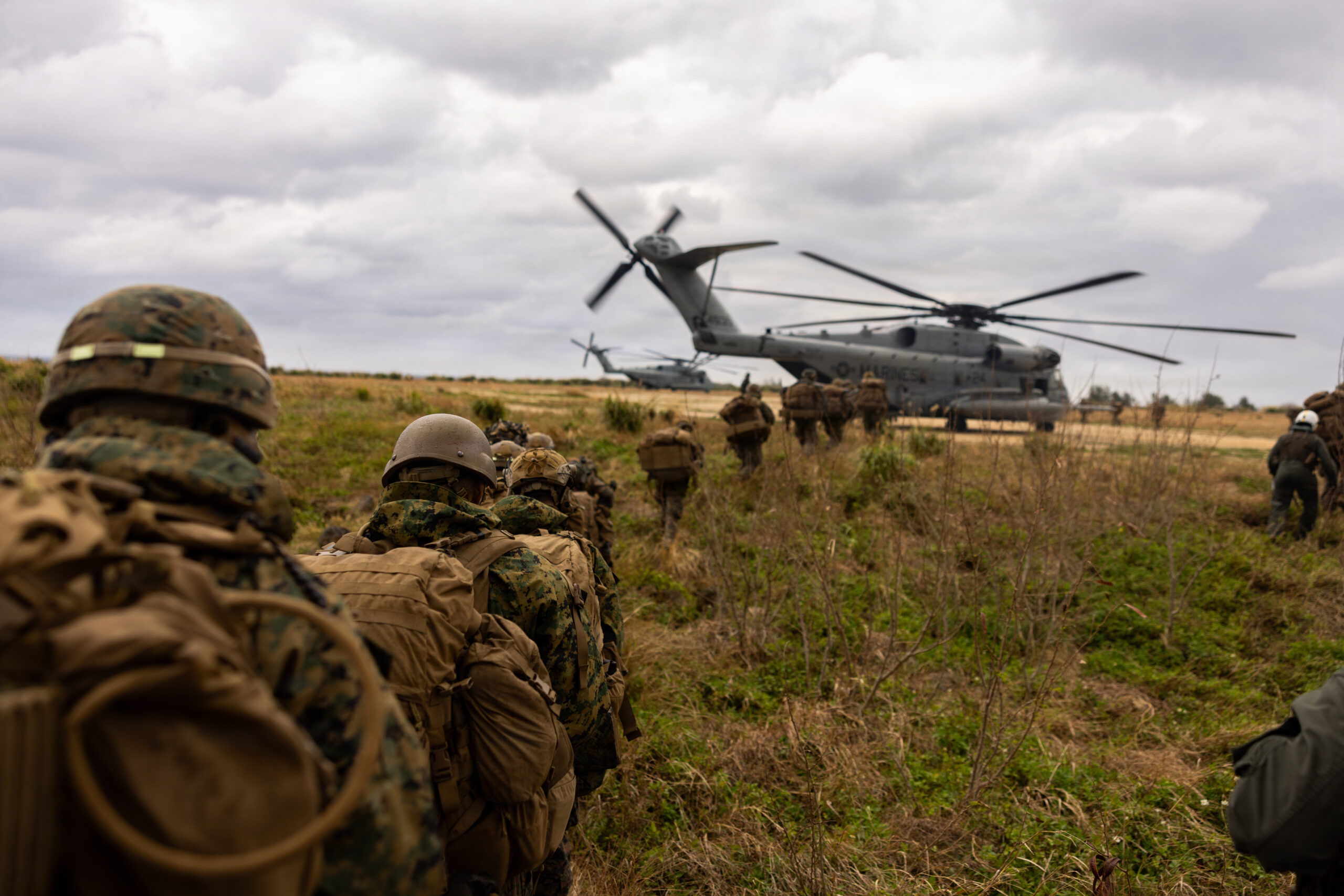
Marine Corps Tightens Rules to Curb Heat and Cold Casualties

The Marine Corps is updating its playbook for surviving the elements, issuing fresh guidelines aimed at preventing heat and cold-related injuries across the ranks.

This month’s release marks the first major overhaul of the Corps’ Heat and Cold Stress Injury Prevention Program in over a decade, signaling that the brass is taking a harder look at how its warriors train and operate under extreme weather conditions.

Marines are no strangers to pushing their limits, operating everywhere from blazing deserts to frozen tundra.

But with rising concerns over heat exhaustion, dehydration, and frostbite incidents, the Corps wants its commanders to get serious about monitoring environmental stress on the force.

The administrative notice mandates that units track temperature conditions in real time and train troops to recognize early signs of danger before they become casualties.

The directive instructs leaders to ensure “all potentially exposed personnel receive training on the causes, prevention, and treatment of heat and cold stress injuries.”

In short, the Corps wants consistency across commands—no more leaving weather risk management to chance or gut instinct.

Training will now formally include lessons on the wet-bulb globe temperature index, work/rest cycles, flag warning systems, and the wind chill index.

The Corps also urges commanders to rely on their medical officers for refresher courses and to ensure troops complete this training before exposure to extreme climates, whether scorching or freezing.

It’s not the first time the Marine Corps has tackled this issue. The previous version of the guidelines, released in 2015, shared many of these core ideas. What’s different now is the sharp focus on accountability and detailed data collection.

Every heat stroke, frostbite case, and related incident must now be logged through the Risk Management Information System—ensuring no lapse or oversight escapes notice.

These changes come amid a string of tragic training deaths tied to heatstroke. The updated policies are designed to cut those numbers to zero by reinforcing responsible command oversight.

When Marines collapse under the sun during training, it’s no longer acceptable to chalk it up to “tough luck” or “just part of the job.” The Corps wants measurable protocols and enforced breaks before exhaustion sets in.

Commanders are also ordered to create standard operating procedures for operations in extreme temperatures, with clear direction for temperature tracking and hydration schedules.

The old habit of “powering through the heat” might sound hardcore, but the Corps is putting readiness over bravado. After all, nobody wins a fight—or completes a mission—when laid up with heatstroke.

The rules apply equally to cold weather environments. Units training in frozen climates must assess risks tied to frostbite and hypothermia, ensuring Marines wear proper gear and are monitored for early signs of exposure.

Those with pre-existing conditions or medication sensitivities will now require evaluation by medical personnel before they join environmental stress training.

A new emphasis on medical readiness also features prominently in the directive. Commanders are instructed to ensure military medics are available at all times during high-risk training operations.

Further, units must designate a “sufficient number” of troops trained to spot and treat heat and cold casualties on the ground the moment symptoms appear.

One practical change involves tighter coordination between base command and the units in the field.

Each installation is now directed to maintain functional wet-bulb globe temperature meters and ensure environmental data collection remains accurate and up to date.

It’s not enough to eyeball the heat; now, the numbers have to be tracked, logged, and acted on.

Many Marine bases—especially those across the southern United States and Pacific islands—experience punishing temperatures for large portions of the year. With the summer training cycle ramping up, the timing of this update comes at a critical moment.

Keeping Marines battle-ready without burning them out is no easy balance, and the Corps clearly wants to stay ahead of the curve.

While some in the ranks may roll their eyes at yet another layer of administrative oversight, the intent here is to preserve combat strength and prevent needless losses. The Marine ethos values toughness, but real discipline includes knowing when to refit and when to hydrate.

As temperatures climb and weather swings grow more unpredictable, the smartest warrior is the one who trains hard—but survives to fight tomorrow.

The updated rulebook is both a nod to Marine grit and a reminder that vigilance is part of the mission.

The Corps fights and wins in every clime and place, but it takes brains and organization—not just brute endurance—to keep it that way.

News

Russian Soldiers Last Just 20 Minutes on Front Lines, CIA Chief Confirms

Russian troops on Ukraine’s front lines are facing a meat grinder of biblical proportions, with many surviving less than half an hour before being killed or wounded, according to CIA Director John Ratcliffe.

His assessment, shared this week at the Defense and Innovation Summit in Pennsylvania, paints a brutal picture of Moscow’s human wave tactics and highlights how technology-driven warfare is rewriting the rules of combat.

Ratcliffe confirmed that the average Russian recruit sent to the front in Ukraine survives between 20 and 30 minutes, primarily due to the lethal precision of AI-powered drones that Ukraine has fielded.

For the first time, a high-ranking American intelligence official has pulled back the curtain on just how catastrophic this conflict has become for Russia.

“Our intelligence is consistent with what’s been seen on the ground,” Ratcliffe noted.

“The average life expectancy of a Russian recruit right now, arriving on the battlefield in Ukraine, is estimated to be between 20 and 30 minutes. That’s because AI-powered drones have gotten to be such specialized, low-cost killing machines.”

That statement reflects the staggering shift in modern warfare as advanced technology increasingly determines the outcome of major conflicts.

Ratcliffe stressed that the U.S. cannot afford to lag behind in this new era of combat innovation where drones and artificial intelligence serve as force multipliers capable of crushing even numerically superior armies.

According to data from the Center for Strategic and International Studies, the casualty ratio between Russia and Ukraine has widened dramatically, reaching almost 8-to-1 during the first half of 2026. E

arlier in the war, the ratio hovered around 2-to-1 or 3-to-1. The growing divide underscores how effective Ukraine’s use of precision-driven, AI-guided systems has become.

European and Ukrainian officials estimate that over two million soldiers have been killed or wounded since Moscow’s invasion began in February 2022. Of those, approximately 1.4 million are Russian, including as many as 450,000 confirmed dead—the highest toll suffered by any major power since World War II.

The Kremlin’s constant waves of mobilized men are being chewed apart faster than they can be trained or equipped.

Ratcliffe emphasized that this massive casualty count is evidence of a larger truth: mastering cutting-edge military technology is now every bit as essential as traditional manpower or hardware.

“The takeaway is that the mastery of these emerging technologies is every bit as important as military strength,” he said. “That’s why an inferior force, four and a half years later, has held off the superior force of Russia.”

Ukraine’s battlefield innovation has effectively halted Russia’s advances. Its AI-guided drones are rewriting the tactical playbook and proving that asymmetric warfare remains the great equalizer when matched with steady resolve and creativity.

Ratcliffe pointedly warned that Washington must learn from this and stay ahead of technological shifts or risk being left in the dust by adversaries willing to adapt faster.

“The pace of their advance has stopped as Ukraine’s mastery of emerging technologies—especially drone warfare—has become such a great equalizer,” Ratcliffe said. “It shows why we have to be leading on this in all respects for us to maintain our place in the global marketplace.”

That statement wasn’t just about Ukraine. It was a thinly veiled call to action for U.S. policymakers to stop letting bureaucrats slow down military innovation.

Under President Trump and War Secretary Pete Hegseth’s leadership, the Department of War has been reoriented toward mission clarity, modernization, and lethal efficiency. Ratcliffe’s remarks fit perfectly into that strategic framework: dominate the technological battlefield or become obsolete.

Meanwhile, Ukraine’s partnerships with Western allies are growing stronger. This week, Kyiv signed a $6 billion drone production deal with the European Union, while President Volodymyr Zelenskyy announced progress on a similar multibillion-dollar package with Washington.

For all the chaos of Europe’s politics, when it comes to Russia’s aggression, there is a growing recognition that technology—and not just manpower—is what will win this war.

As the Kremlin continues sending untrained conscripts into a high-tech death trap, Moscow seems increasingly desperate.

The Russian regime once prided itself on Soviet-era manpower and tank warfare, but in today’s battlefield, AI-guided drones don’t care how many men Putin throws into the meat grinder. They simply hunt, target, and destroy.

For the United States, Ratcliffe’s message was unmistakable: Ukraine’s example is not just a story about heroism—it’s a reminder that modern warfare waits for no one.

Any nation unwilling to innovate might soon find its soldiers sharing the same grim fate as Russia’s—counting their life expectancy in minutes.

News

Cool Relief Returns to Hawaii Barracks As Repairs Restore Air Conditioning for 4,000 Soldiers

After a week of sweltering tropical heat, thousands of soldiers stationed across Hawaii finally have cool air back in their barracks.

Roughly 4,000 troops at Schofield Barracks, Wheeler Army Airfield, and Helemano Military Reservation can now turn their air conditioners back on following critical repairs at a troubled water treatment plant that took down key infrastructure earlier this month.

An issue with underground water pumps had forced the garrison to shut off water-cooled chiller systems to preserve what little water supply remained. The move was necessary after multiple pumps failed, leaving only one functioning system to push water across the bases.

With those chillers consuming nearly 40 percent of the daily water demand, leaders had no choice but to prioritize drinking water and sanitation over comfort.

Garrison spokesman Nathan Wilkes explained that, as of Thursday, engineers have brought a second deep well pump online at the treatment plant. Repairs continue on a third pump expected to return to service early next week.

With that progress, the garrison has cautiously started restoring full utilities to the soldiers who have spent a miserable stretch enduring Hawaii’s humidity without climate control.

Wilkes said his team continues to monitor for any remaining technical issues. “We are tracking a couple of isolated cases where condensation leaks have been found, but the systems are holding and the team is knocking out any remaining issues,” he told reporters.

In other words, the worst appears to be over, and soldiers can breathe easier — literally.

The shutdown originated from a series of equipment failures on July 9 when motors at the local plant burned out due to age, extreme heat, and even an electrical fire.

That combination crippled the water network that feeds roughly 22 of the 27 permanent party barracks in the region known as AO North, according to Col. Rachel Sullivan, commander of U.S. Army Garrison Hawaii. Faced with dwindling capacity, her team moved swiftly to prevent a complete collapse of the water system.

Sullivan noted that the temporary fix is just that — temporary. Long-term upgrades are badly needed, and the current plan involves relocating the aging deep well pumps from 585 feet underground to surface-level systems that will be easier to maintain and repair.

Unfortunately, government contracting delays mean that full modernization of the water plant might not wrap up until 2029 or even 2030.

In the meantime, the Army Corps of Engineers’ Rapid Critical Infrastructure Team has stepped in to replace the existing deep well pumps and motors on an accelerated eight-month timeline.

The cooperation between local garrison leadership and the Corps shows what decisive action looks like — something all too rare in the bloated world of government projects.

Despite the inconvenience, Sullivan’s team kept a firm grip on basic support services throughout the outage. Drinking water remained available, sanitation systems stayed operational, and the 25th Infantry Division deployed four specialized High Incentive Portable Potable Water Systems to ensure household water needs were met.

Soldiers and families were also encouraged to report wasteful water use, and both Military Police and the Directorate of Public Works were actively responding to those reports.

Several water restrictions remain as the repairs continue. Car washes have been closed and landscaping irrigation has been paused to preserve capacity for essential uses.

These are minor inconveniences compared to the potential chaos of a full water failure, something Sullivan and her engineers clearly managed to avoid.

This episode serves as another reminder that America’s military infrastructure—particularly in far-reaching locales like Hawaii—needs serious attention. Facilities built decades ago are under strain from weather, usage, and bureaucratic neglect.

Yet once again, it’s the resilience of American troops and their war department teams that keeps operations moving forward.

While the Biden administration continues talking about “green transitions” and billions for bureaucratic pet projects, the basics like reliable utilities for military communities often go underfunded.

The result? Soldiers sweating it out while waiting for leaders to prioritize them over politics. Thankfully, the on-the-ground commanders in Hawaii didn’t wait for Washington—they fixed the problem and put their troops first.

For now, the cool air is flowing again, and that’s good news for the men and women ready to fight if called upon. They’ve shown patience and toughness through the discomfort, and now they can focus on their mission—not surviving a tropical sauna in their own barracks.

Credit goes where it’s due—to the crews who dug in and turned things around without waiting on another slow-moving Washington task force.

When the job needs to get done, it’s still the American soldier and a few dedicated engineers who make it happen.

News

Hegseth Fires Up Pentagon Review to Restore Real Combat Standards

Secretary of War Pete Hegseth has never been one to tiptoe around hard truths, and his latest move inside the War Department proves it.

Barely months after taking command, Hegseth ordered a new deep-dive into whether America’s combat readiness has taken a hit since the Pentagon’s politically driven decision back in 2015 to integrate women into ground combat roles.

Critics are already melting down, accusing him of running a study “built to reach one conclusion.” Translation: they’re terrified the facts may not fit their preferred narrative.

Hegseth, a combat veteran who’s actually worn the uniform and seen the battlefield, has been outspoken for years about his belief that the armed forces should prioritize lethality, not identity politics.

During a recent interview, he didn’t mince words: “It hasn’t made us more effective. It hasn’t made us more lethal.” He’s not wrong. Despite a decade of glowing bureaucratic studies, the military’s overall readiness and recruitment numbers have declined while woke social experiments have thrived.

Pentagon Orders Unified Overhaul To Supercharge Warfighter Fitness And Brainpower
Marines on a motivational run at Marine Corps Air Station Futenma, Okinawa, Japan. (Cpl. Jeremiah Barksdale/Marine Corps)

The new review, directed from the highest levels of the War Department, will take a hard look at the “operational effectiveness” of the Army and Marine Corps’ combat units. That phrase alone has the usual crowd of left-leaning advocacy groups — and their media allies — clutching their pearls.

They insist, of course, this is all a veiled attempt to push women out of combat roles. What they fail to mention is that Hegseth’s efforts are focused on standards — the objective yardsticks that determine whether any warrior, male or female, is truly battle-ready.

Hegseth’s critics point to his book The War on Warriors, in which he slammed the Pentagon’s misplaced priorities and warned that political correctness was eroding America’s fighting edge. They call it “sexist.” Warriors call it honest.

Marines Engage in Multiple Firefights Defending U.S. Embassy in Haiti
Marines with the 22nd Marine Expeditionary Unit (Special Operations Capable), walk back-to-back down a hallway during a live-fire shoot house at Camp Santiago, Puerto Rico on April 18, 2026. Marine Corps photo by Sgt. Tanner Bernat.

Opponents such as Sue Fulton from the Women in the Service Coalition argue that Hegseth’s study is little more than a pretext for rolling back “progress.” But her definition of progress appears to include watered-down standards and gender-based quotas. Meanwhile, Hegseth’s team has made clear: they’re not targeting women—they’re targeting weakness. “Service members want a challenge,” a War Department briefing read. “They do not want to be part of a losing team.”

At every stage, Hegseth has emphasized that any evaluation must be driven by performance, not politics. The same liberal lawmakers now railing against him were singing a different tune when bureaucrats rammed through the 2015 decision to open all combat roles, ignoring the caution of senior commanders.

Those commanders, as it happens, turned out to be right: mixed-gender units statistically underperformed and reported higher injury rates.

The researcher leading Hegseth’s new review, Dr. Jane Pinelis, is no stranger to controversy. She helped conduct the original Marine Corps study in 2015 that found all-male units outperformed gender-integrated ones on 69% of tasks.

US Troops Poised To Resume Poland Deployments After Abrupt Pentagon Halt
Soldiers assigned to Bull Troop 1, 2nd Cavalry Regiment, near Bemowo Piskie Training Area, Poland, May 7, 2026. A cancelled deployment of U.S. troops to Poland may now be back on, according to a Polish defense official. Army photo by Spc. Thomas Madrzak.

That study was conveniently shelved by the political leadership of the time because it didn’t fit their pre-written storyline. The same establishment is now nervous that Hegseth’s willingness to revisit the truth will once again expose the costs of progressive social engineering in the military.

Hegseth’s detractors love to bring up his critics by name — retired colonels, former bureaucrats, and think-tank analysts who have never had to drag a wounded comrade under fire. They spin the same narrative: that “there’s no problem to solve,” that “standards haven’t been lowered,” and that the issue is settled.

Yet the real-world evidence from the front lines, where readiness and cohesion matter more than ideology, tells a different story.

Senator Mazie Hirono and other Democrats have already tried to corner Hegseth’s generals by demanding assurance that no standards have been lowered.

Their hearings produced predictable talking points, but those scripted statements don’t explain why field units frequently report operational drag in mixed formations. It’s the classic Beltway dodge — pretend everything’s fine, then accuse anyone raising the alarm of bigotry.

Unlike the Obama-era brass who rubber-stamped “gender integration” studies to please politicians, Hegseth’s team reportedly insisted that this new research include combat-relevant field tests.

Recruits Surge Past Goals But Training Bottlenecks Still Slow Mission Readiness
A drill instructor with Charlie Company, 1st Recruit Training Battalion, Recruit Training Regiment, conducts final drill aboard Marine Corps Recruit Depot Parris Island, South Carolina, April 18, 2026. (Cpl. Jordy Morales/Marine Corps)

That means boots on the ground, ammo cans lifted, real weight carried, and actual combat simulations measured. If that’s “sexist,” then America better hope there’s more of it.

The political left might want to cry foul, but this kind of study is what the War Department should have done from the beginning.

After all, national security isn’t a sociology experiment. The military’s mission is to win wars—not check DEI boxes.

Analysts inside and outside the Pentagon admit that modern warfighting demands technical skill, endurance, and resilience, regardless of gender.

Hegseth’s point is simple: if you can do the job, prove it under identical standards. If you can’t, you don’t belong in the fight. That’s meritocracy, not misogyny.

While Democrats like Rep. Chrissy Houlahan rush to introduce bills protecting “gender inclusion” in combat roles, the real warriors are watching whether Hegseth’s War Department finally brings some long-overdue sanity back to military policy.

America deserves the toughest, most lethal fighting force possible. Secretary Hegseth is daring to ask the uncomfortable questions necessary to get there. And that’s exactly why the professional outrage machine is going haywire.

News

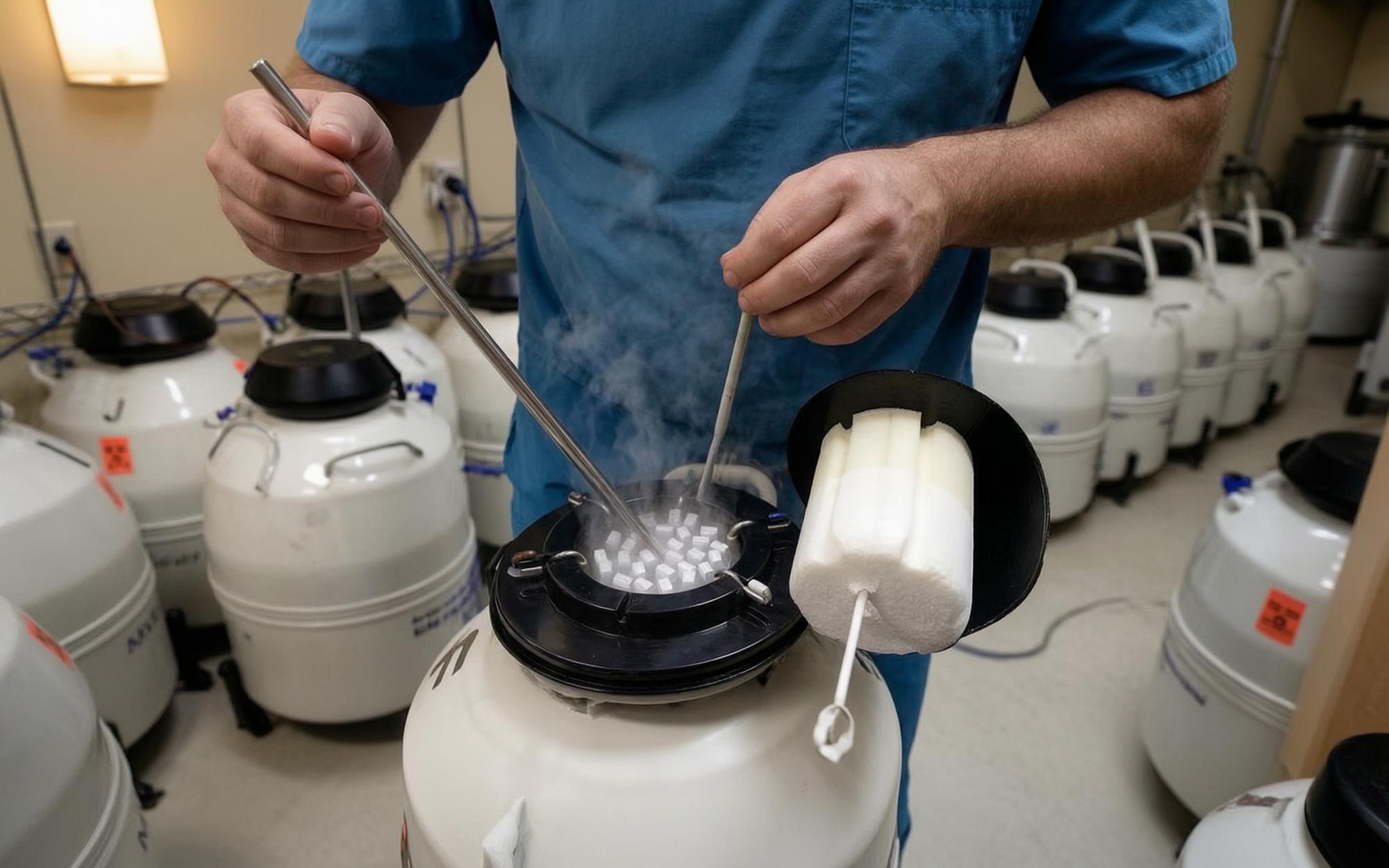
Pentagon Moves to Boost Troop Health With New Testosterone Screening Program

The Pentagon is ramping up its focus on troop wellness with a new testosterone replacement therapy program aimed at tackling what’s become known as “operator syndrome.”

This initiative, directed by War Secretary Pete Hegseth, promises to bring long-overdue attention to hormonal health problems plaguing special operations forces and other high-tempo military personnel.

On Wednesday, Hegseth announced that annual health checkups for service members over 30 will now include routine testosterone screening. Younger troops can also request testing.

In a straightforward video statement on X, Hegseth emphasized that if medical providers recommend treatment, “it’s entirely your choice to receive testosterone replacement therapy.”

The program comes amid growing conversation within the special operations community about the physical and hormonal toll of sustained deployments, sleepless nights, and relentless training.

“Operator syndrome,” the term coined by psychologist Chris Frueh, describes a collection of health challenges connected to long-term service under extreme conditions. Veterans, active-duty troops, and even first responders like police and firefighters have shown similar symptoms.

Frueh explained that “the high op tempos, the sleep deprivation, the circadian disruption, the repetitive repeated blast exposures—all of these have a profound effect on hormones.” When hormonal balance breaks down, he said, “it hurts sleep, it hurts brain health, and it hurts metabolic functioning.”

The Pentagon’s new screening effort targets just one part of a much bigger puzzle. Experts like Frueh note that testosterone treatment is not a one-size-fits-all fix.

Comprehensive care needs to address stress, sleep, diet, and even substance use—areas where current military medical structures too often fall short. “Our medical care is siloed,” Frueh said. “Everything gets treated in isolation. The whole point of operator syndrome is that these issues are interconnected.”

Many veterans have already sought hormone treatments outside the standard War Department medical system. In that environment, a new industry has sprung up—offering nontraditional hormone and metabolic treatment programs.

New 10th Mountain Brigade to Lead CENTCOM Rotation as ISIS Threat Persists
U.S. soldiers assigned to the 10th Mountain Division shoot a 60mm mortar during a training exercise at the Joint Readiness Training Center on Fort Polk, Louisiana, Aug. 15, 2025. (Spc. Mariah Aguilar/U.S. Army)

Dr. Mark Gordon, a neuroendocrinology specialist, has treated countless special operations veterans privately, blending hormone regulation with advanced diagnostics.

“Just looking at testosterone is like only filling up one tire on your car with air and leaving the other three flat,” Gordon said. “You need all the key hormones optimized.”

In his view, testosterone replacement therapy—or TRT—is a tool, not a cure. “This is why in some people when they get TRT, they don’t get better—it’s because we’ve totally missed other hormones.”

U.S. Deploys Small Team to Nigeria After Attacks Prompt Renewed Cooperation
A U.S. soldier, left, coaches his Nigerian counterpart during a training exercise at a remote military compound located about 145 miles north of Abuja, Nigeria, Feb. 14, 2018.Twelve U.S. soldiers provided tactics and training instruction to about 200 Nigerian army soldiers from the 26th Infantry Battalion. The seven-week training course includes instruction on reacting to an improvised explosive device, reacting to an ambush, securing an objective, operations planning and more. Army photo by Capt. James Sheehan

TRT also comes with risks, including the body’s decreased ability to produce its own testosterone over time, alongside potential impacts on fertility and overall endocrine balance.

Gordon said he “rarely” recommends direct testosterone therapy, stressing that doing so locks a person into a lifetime of medication “instead of actually fixing the cause of the deficiency.”

Another endocrinology specialist, Dr. Richard Auchus from the VA Ann Arbor Healthcare System, echoed that caution. “If you put them on CPAP and they get a good night’s sleep and recover their pulsing, then their testosterone comes back to normal,” he said.

“Just giving them testosterone could actually make sleep apnea worse.” The goal, he added, should be to identify and fix reversible causes whenever possible.

There’s also the elephant in the room—performance-enhancing substance abuse. The military has battled sporadic steroid misuse issues in elite units for decades.

U.S. Army Quietly Stages Rotation in Philippines as Washington Expands Pacific Partnerships
U.S. Army soldiers with the 25th Infantry Division train in the Philippines as part of exercise Balikatan 25. Army photo by Staff Sgt. Brenden Delgado.

Regular drug tests don’t cover testosterone or synthetic androgens, though commanders can order specialized tests if misuse is suspected. Every service branch bans unregulated steroid use, with violations punishable under the Uniform Code of Military Justice.

As Dr. Auchus noted, “People dope with testosterone all the time because it’s performance enhancing. There’s a gray line between restoring normal health and outright doping.” That gray area could prove tricky as the Pentagon expands access to testosterone screenings and treatments.

Auchus, who once served in the Air Force medical corps, said honesty between troops and providers is vital.

“There’s the risk of taking androgens in and of itself. And then if you don’t come clean about that, I can’t help you,” he said. “If you’re not honest with me, then it just perpetuates the problem.”

Europe’s Quiet Military Wakeup: Why Western Defense Hinges on U.S. Tech and America Must Lead
A Marine holds a defensive position during Exercise Aurora 17 in Larbro, Sweden, Sept. 21, 2017. The Marine is assigned to Marine Rotational Force-Europe. The exercise includes forces from the United States and other nations to promote common regional security. Marine Corps photo by Cpl. Careaf Henson

Still, under Hegseth’s leadership, this program represents the most serious attempt in years to confront health issues long ignored within the special operations ranks. By focusing on restoring strength, energy, and overall warrior readiness, the initiative fits squarely within Secretary Hegseth’s push to reempower America’s fighting force after years of bureaucratic neglect and medical complacency.

At its core, this is about rebuilding the men and women who’ve carried the heaviest burdens in America’s post-9/11 wars. From the Green Berets to the SEALs, from Rangers to air commandos, these operators have faced extraordinary demands on their bodies and minds.

Recognizing and addressing their hormonal and physiological realities is a step toward ensuring a more resilient, combat-ready force for the next generation.

News

Air Force Bets Big on Thousands of Low-Cost Cruise Missiles to Overwhelm Enemies

The U.S. Air Force is turning a major page in its strategy book, moving away from ultra-expensive cruise missiles toward an arsenal that can be built in bulk and fired at will.

The Pentagon announced new framework agreements with three companies for the Family of Affordable Mass Missiles, known as FAMM, signaling a clear pivot toward a “quantity has a quality all its own” approach rooted in battlefield realism rather than bureaucratic extravagance.

At the heart of the new program are three defense innovators: Anduril, CoAspire, and Zone 5 Technologies. Each will be developing its own low-cost missile variant designed to expand the Air Force’s strike reach across vast distances without draining the war chest.

The decision reflects a long-overdue correction in Pentagon acquisition strategy—championed by War Secretary Pete Hegseth—to favor fast, scalable, and affordable solutions that deter near-peer adversaries like China and Russia.

The contrast in costs tells the story. The Air Force’s current Joint Air-to-Surface Standoff Missiles cost over $1.3 million apiece. In stark comparison, the new FAMM missiles will clock in around $218,000 each—a price point that lets the service fire several shots for the cost of just one of its high-end weapons. This means the Air Force could saturate enemy defenses with sheer numbers instead of relying solely on elite but limited munitions.

FAMM comes in two variants: FAMM-L, designed for fighters and bombers, and FAMM-P, meant to be dropped by cargo planes. Both will boast operational ranges between 250 and 500 miles, a sweet spot that allows pilots to strike deep behind enemy lines while staying well outside the reach of hostile missile defenses.

According to Anduril, their Barracuda-500 missile was “specifically designed to expand the United States’ stand-off strike capability.”

In a statement, the company said, “By augmenting existing critical munitions inventories with a more affordable, producible, and flexible option, Anduril is enhancing America’s arsenal of munitions, ensuring that we have the capability required to deter our adversaries.”

Top NATO Commander Accelerates Patriot Missile Deliveries to Ukraine Amid Rising Demand
The Army test fires a Patriot missile in a recent test. The Patriot missile system is a ground-based, mobile missile defense interceptor deployed by the United States to detect, track and engage unmanned aerial vehicles, cruise missiles, and short-range and tactical ballistic missiles. Patriot, along with other missile defense systems, are included in the Army Air and Missile Defense 2028, which provides the Army’s overarching vision for the AMD force, describes how the AMD force is postured to support the Army and joint forces, and articulates what must be accomplished to achieve the 2028 desired end state of preventing and defeating adversary air and missile attacks through a combination of deterrence, active and passive defense, and support to attack operations. (U.S. Army photo)

The framework agreements don’t lock in immediate missile purchases but instead set the stage for a long-term partnership. This contract model gives these firms confidence to invest in production lines while keeping the Air Force’s procurement options open.

The expectation is that real production will ramp up beginning in 2027, with as many as 8,000 missiles purchased annually across all vendors.

Anduril’s deal runs for seven years, with CoAspire and Zone 5 signed on under similar terms. Collectively, the Air Force intends to buy roughly 28,000 FAMM missiles over five years, at a projected program cost of $12.6 billion.

It’s an investment strategy rooted in wartime practicality: giving airmen the tools to dominate any engagement without being handcuffed by budgetary absurdities.

Still, none of these deals mean anything without congressional approval. The Pentagon will need lawmakers on board to fund the multiyear agreements. With many in Congress increasingly supportive of industrial expansion and rearmament amid global instability, there’s a growing recognition that speed and affordability are now just as vital as capability.

To keep the vendors sharp and competitive, the Pentagon has tied the deals to firm fixed-price terms with guaranteed minimum orders. Companies that outperform expectations and beat production schedules become eligible for more orders.

Cruise Missiles Are the Real Backbone of Modern Warfare
180326-N-UK333-012
PACIFIC OCEAN (March 26, 2008) An unarmed Trident II D5 missile launches from the Ohio-class ballistic missile submarine USS Nebraska (SSBN 739) off the coast of California. The test launch was part of the U.S. Navy Strategic Systems Program’s demonstration and shakedown operation certification process. The successful launch certified the readiness of an SSBN crew and the operational performance of the submarine’s strategic weapons system before returning to operational availability. (U.S. Navy photo by Mass Communication Specialist 1st Class Ronald Gutridge/Released)

This incentivized model, a hallmark of Hegseth’s Acquisition Transformation Strategy, aims to break free from stagnant procurement habits that plagued the War Department for decades.

Michael P. Duffey, undersecretary for acquisition and sustainment, praised the agreements as proof of progress. He said the FAMM deals exemplify efforts to “expand the defense industrial base, field capabilities faster, and attract private investment.” Translation: the War Department is finally moving at the speed of war, not red tape.

Zone 5 Technologies—though acquired by Norwegian firm Kongsberg—continues to run its U.S. operations out of California. Anduril is a familiar American defense disruptor headquartered in California, and CoAspire hails from Virginia.

All three companies stand to benefit from the War Department’s push to tap into private-sector speed and innovation rather than relying solely on the traditional “Big Five” contractors that dominate the landscape.

This FAMM effort also coincides with the Army-led Low-Cost Containerized Missiles program that’s engaging many of the same companies.

That program focuses on portable, ground-based missile systems that could fill warehouses and transport containers worldwide—a logistical advantage that echoes the same “cheaper, faster, smarter” spirit driving the Air Force’s FAMM initiative.

Cruise Missiles Are the Real Backbone of Modern Warfare

The message behind this new strategy couldn’t be clearer: the Pentagon is done overpaying for yesterday’s solutions. With Secretary Hegseth leading the charge, the Department of War is sharpening America’s arsenal for an age of rapid confrontation and high-intensity conflict.

The United States no longer needs to rely on scarcity and complexity to win. This time, it’s about scale, strength, and a return to tactical common sense.

News

USS Sampson Accidentally Dumps 2,000 Gallons of Diesel Fuel Into Seattle Harbor

A guided missile destroyer stationed in Seattle accidentally released thousands of gallons of diesel fuel into local waters this week, prompting an urgent response from military and environmental crews.

The USS Sampson, an Arleigh Burke-class Aegis destroyer, was undergoing routine defueling operations at the Vigor Shipyard on Harbor Island when the incident occurred Monday.

According to the War Department, around 2,000 gallons of diesel escaped into Elliott Bay. Earlier estimates placed the spill at closer to 5,000 gallons, but recalculations later lowered that figure. Either way, it was a serious breach that raised eyebrows in both military and environmental circles.

Containment procedures were fortunately already in place before the spill happened.

The Navy had pre-positioned oil containment booms around the vessel — standard protocol for such work — which helped keep the contamination localized. That decision likely prevented a much broader environmental headache for the city of Seattle.

“The Navy is working with shipyard contractors and spill response partners to resolve this quickly and responsibly,” the Navy said in an official statement. Crews have been working on a 24-hour schedule to recover as much of the diesel as possible. By Tuesday evening, officials reported that most of the escaped fuel had been recovered.

A combination of three portable skimmers, a skimmer boat, and oil-absorbent pads were deployed to soak up the diesel from the surface of the harbor. The containment boom and absorbent barriers will remain in place until experts confirm that all recoverable fuel has been eliminated and the destroyer is safely moved into dry dock.

The Washington State Department of Ecology confirmed that cleanup operations are continuing in coordination with the U.S. Coast Guard and Navy environmental units. According to the department, the containment measures were functioning as expected and significantly limited the environmental damage.

However, the Coast Guard’s initial review determined that the U.S. Navy was at fault for the spill. That finding will undoubtedly be part of the investigation now underway to determine whether procedural failures or mechanical issues led to the release. It’s a reminder that even the world’s most powerful military fleet occasionally faces human and technical error.

Despite the accident, this isn’t the USS Sampson’s first brush with operational scrutiny. The destroyer had just returned to its home port of Naval Base San Diego last September after completing a deployment in the Caribbean. The ship supported U.S. Southern Command’s counter-narcotics mission before being replaced by its sister ship, the USS Stockdale.

Engineers familiar with Arleigh Burke-class destroyers point out that defueling operations can be particularly delicate due to the fuel volume and complex pumping systems involved. Even a minor equipment malfunction can lead to an unplanned discharge — and when working with thousands of gallons of diesel, “minor” isn’t the right word.

For Seattle, the incident also hit a nerve with local officials who have long complained about the risks of military and industrial operations near the city’s shoreline. Yet, as some military advocates noted, the Navy’s quick and comprehensive response to contain and recover the spill showed the professionalism embedded within the service’s operational protocols.

While environmental activists were predictably quick to criticize the Navy, those familiar with maritime operations recognized the event as an operational accident rather than systemic negligence. Given the immediate reaction and recovery efforts, the long-term environmental impact is expected to be minimal.

Officials say that once all fuel traces are cleared and inspections complete, the vessel will resume its maintenance schedule before returning to operational readiness. No injuries or security concerns were reported, and harbor traffic around Harbor Island proceeded without disruption.

The spill might not rise to the level of an international incident, but it is a blunt reminder that every operation carries risks, even in port. As investigations continue, the Navy’s transparency and rapid recovery effort will be key to reassuring both the public and Congress that the fleet holds itself accountable.

Under the leadership of War Secretary Pete Hegseth, the Department of War has placed renewed emphasis on maintenance discipline and accountability throughout the fleet. This incident will likely fuel further discussions about risk management, repair discipline, and the importance of maintaining America’s naval readiness while protecting its home waters.

Despite Seattle’s political theatrics, the reality is simple — the Navy confronted an operational error, moved fast to correct it, and is cleaning up its mess.

That’s what professional militaries do. The USS Sampson will soon be back on duty, and the mission to project American power at sea will continue, mistakes and all.

News

Pentagon Launches Testosterone Check Program to Boost Warrior Readiness

War Secretary Pete Hegseth is once again shaking things up at the War Department, this time with a new policy aimed squarely at troop health and combat effectiveness.

Starting this year, troops aged 30 and older will undergo annual testosterone screenings as part of their routine health assessments.

The announcement came directly from Hegseth in a social media video on Wednesday, with his signature no-nonsense approach that has marked his tenure leading the nation’s military machine.

Hegseth said the new program is about giving troops every physical edge they can get in a demanding, often unforgiving profession. “We want to make sure every warfighter has the right testosterone levels to operate at your absolute best,” he declared.

Troops under 30 may also opt for the screenings voluntarily.

The move follows years of growing concern about declining testosterone levels among American men, especially those in physically and mentally taxing professions such as the armed forces.

Multiple studies since the 1990s have shown a measurable drop in testosterone among young men, signaling what some researchers describe as a generational hormonal decline.

Hegseth pointed out that this biological shift matters a great deal when it comes to maintaining an aggressive and ready fighting force. Testosterone affects everything from strength and endurance to confidence and focus—traits no nation’s military can afford to lose.

In his words, it’s about “keeping America’s edge on the battlefield and the warrior’s spirit sharp.”

The link between stress, operational tempo, and low testosterone is no secret among military doctors. Years of high stress, combat deployments, poor sleep, and mental strain have all been shown to lower testosterone levels, often compounding other health challenges faced by service members.

The Department of Veterans Affairs already offers evaluation and treatment protocols for low testosterone, including hormone replacement therapy, but the War Department’s new screening effort marks the first time the active-duty force will be systematically checked.

The initiative’s roots trace back to congressional action. In 2024, lawmakers inserted a provision into the fiscal year 2025 national defense bill mandating a detailed briefing on the military’s approach to testosterone deficiency. Many saw this as long overdue, given mounting anecdotal evidence from elite operators and career service members struggling with unexplained fatigue, emotional flatness, and reduced drive.

Special operations veterans, in particular, have been outspoken about the need for greater recognition of hormonal decline as a legitimate readiness concern. Some have even formed nonprofits and clinics catering specifically to veterans dealing with what’s now known as “Operator Syndrome.”

The term refers to a cluster of physical and psychological symptoms—many rooted in hormonal imbalance—that emerged among operators after years of extreme stress and deployment cycles.

For Hegseth, the testosterone screening initiative fits neatly into his broader philosophy of restoring strength, focus, and warrior culture to the U.S. military. Throughout his time in leadership, he’s pushed to strip away political distractions and bureaucratic nonsense, replacing them with priorities that directly enhance lethality and survivability.

“The modern battlefield is brutal and unrelenting,” Hegseth reminded viewers.

“By addressing these health markers early, we keep our troops at the leading edge of lethality and readiness—and give them the same level of support they give this nation: the absolute best.”

Unlike the defense czars of the past who obsessed over diversity quotas and woke training sessions, Hegseth’s War Department is steering hard back to fundamentals. This initiative sends a message: America’s military will no longer ignore issues that directly affect performance and combat capability.

Medical experts within and outside the armed forces note that testosterone deficits can also drive sleep issues, depression, lethargy, and poor motivation, which can quietly degrade a unit’s operational effectiveness.

By catching these issues early, Hegseth’s program could prove every bit as impactful as physical conditioning or weapons qualification when it comes to keeping troops mission-ready.

Some in the media will no doubt twist the program as “controversial,” but Hegseth’s move is arguably one of the most practical morale and readiness boosters in years.

When the commander of a special forces unit finds half his men struggling with fatigue and stress chemistry, that’s not vanity—it’s science.

The rollout of this program underscores the administration’s commitment to warrior wellness and lethality.

Under President Trump’s leadership and War Secretary Hegseth’s guidance, the military is realigning priorities toward battle readiness, masculine strength, and operational dominance—the core ingredients of victory.

In short, the Pentagon isn’t just testing testosterone levels. It’s testing whether America still has the resolve to keep its fighters strong, proud, and prepared to win.

WATCH BELOW:

News

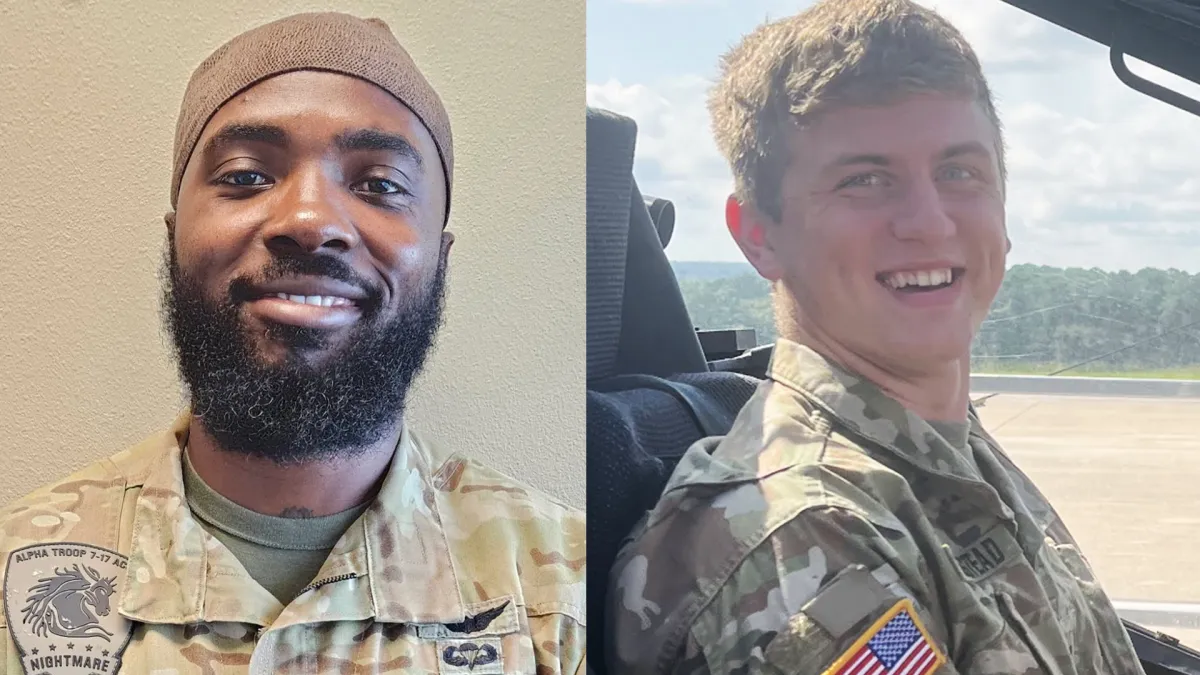
Inmate Ran Brazen VA Scam From Behind Bars Targeting Sick Veterans and Their Families

A Washington state inmate pulled off a disgusting and deeply personal con against some of this nation’s most vulnerable heroes, using nothing more than a jail phone and a twisted sense of deceit.

Federal prosecutors say Darryl Lamont Young, 41, ran an elaborate scam from inside King County Jail, making dozens of calls to VA medical centers across the country, pretending to be a legitimate employee. His goal wasn’t patriotism or penance—it was exploitation.

Authorities confirmed that Young used these calls to trick VA staff into revealing the identities and personal details of seriously ill veterans under care, veterans who sacrificed for the flag while this con artist preyed on their suffering.

Once Young obtained the family contact information of the ailing veterans, he and his accomplice, Aqeelah Ngiesha Williams, 29, moved in for the kill. They called relatives pretending to be VA officials offering COVID-era relief payments. What they really wanted were bank details—and what they took was money meant for food, medicine, and dignity.

According to the Justice Department, Young executed this despicable plan more than 60 times between late 2021 and early 2023, ultimately stealing about $8,900. His four-day trial ended with a conviction on 14 counts of aggravated identity theft and wire fraud. Williams was found guilty on 12 similar counts.

“While they did not get a huge amount of money with this scheme, the harm they caused to those already suffering a health crisis is deserving of federal prosecution,” said U.S. Attorney Gorman in a Department of Justice statement. That’s putting it mildly.

This wasn’t some high-tech cybercrime operation. It was old-fashioned scamming, but with a twist of cold-hearted precision. Jail calls in King County are free, and the local VA medical center didn’t receive any notification that the incoming caller was an inmate. That loophole handed Young the anonymity he needed to pose as “Jason in bed control” or “Travis” in “patient registration” at the VA.

Posing as a fellow employee, Young convinced VA staff to transfer him to out-of-state hospitals, where he continued his impersonations. Those hospitals, unaware of the jail origin of the call, treated him as one of their own and complied with his requests.

As the Justice Department pointed out, Young had served in the military himself, giving him valuable insight into VA protocols and operations. This knowledge made the ruse tragically effective.

After obtaining personal details, Williams helped facilitate follow-up calls to the veterans’ family members. Together they would play the parts convincingly, promising a COVID-related “relief payment” for the sick veteran and asking for financial details to process it. Once the information was secured, they siphoned off the funds, conveniently depositing the stolen cash straight into Young’s commissary account.

What’s most infuriating is how easily bureaucratic negligence allowed an inmate to call federal medical institutions without alerting staff to the source of the call. For a government known for its surveillance excesses, it somehow failed to monitor its own sanctioned phone systems effectively.

It’s not simply the theft of dollars that disgusts—it’s the betrayal. Every veteran deserves trust, respect, and the assurance that the systems designed to care for them aren’t being weaponized by criminals hiding behind an orange jumpsuit.

Federal prosecutors got their convictions. But the underlying scandal is that it took more than a year and over 60 successful cons before the system caught up. That’s not vigilance, it’s complacency.

One can’t help but wonder what Secretary of War Pete Hegseth—himself a fierce advocate for accountability inside veterans’ systems—thinks of these embarrassing operational failures. If Washington wants to stop scams like this, it should start by cutting through layers of red tape and demanding real accountability across the War Department’s cooperative agencies.

The betrayal of America’s sick and wounded warriors is the lowest of the low, but this case shows what’s possible when unchecked access meets government incompetence. It should serve as a wake-up call that vigilance is not optional; it’s a duty.

As Young awaits his final sentencing, veterans and their families are left asking the same question they’ve been asking for years: who’s really watching the guardians?

News

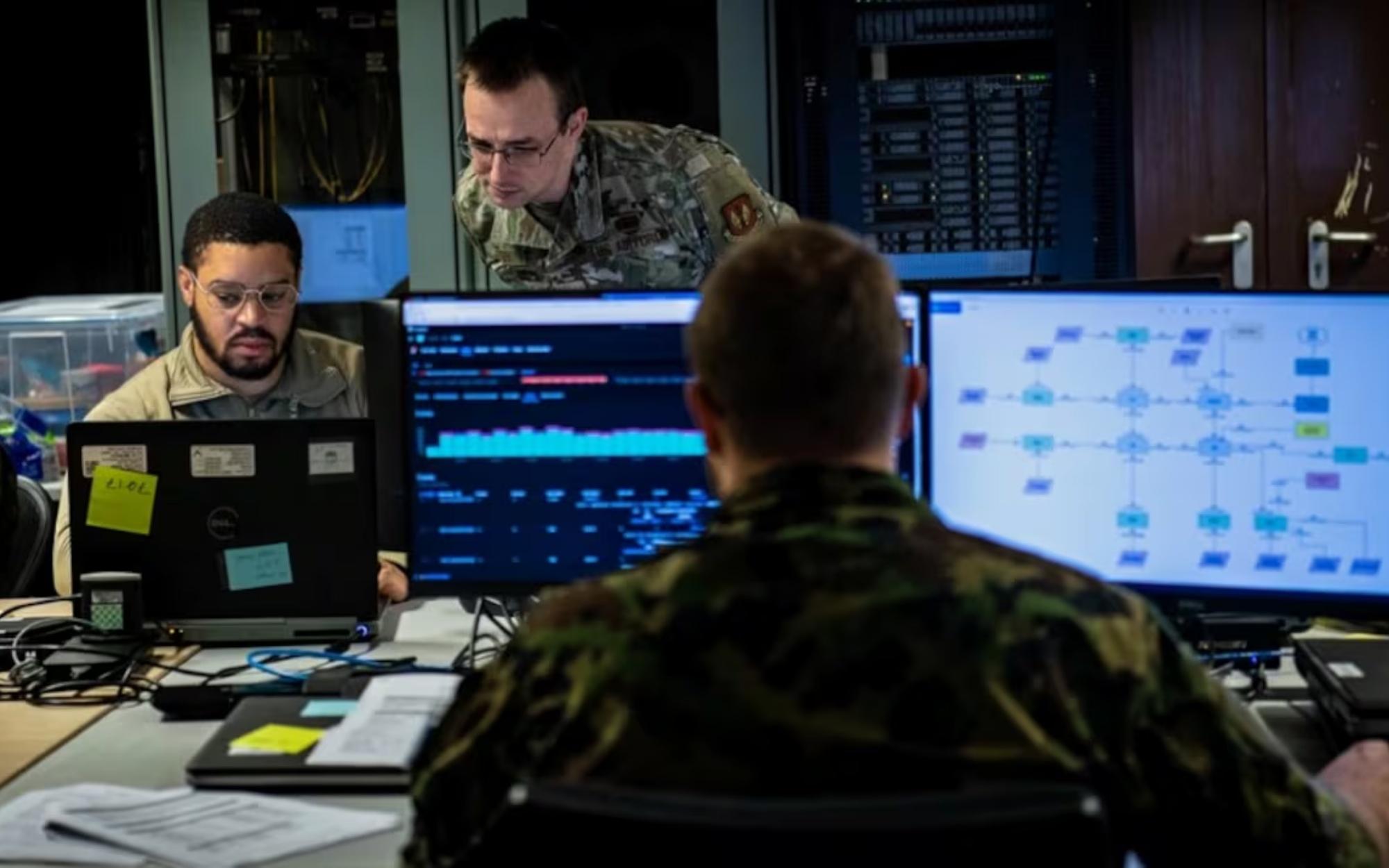
Nearly 12,000 Military Tricare Members Hit by Major Data Breach

Nearly 12,000 Tricare beneficiaries in the West Region were notified this month that their personal and health information may have been exposed following a data breach involving TriWest Healthcare Alliance.

The incident, which occurred in mid-April, raises fresh concerns about cybersecurity within the federal systems that handle sensitive data for America’s service members and their families.

According to letters sent to affected beneficiaries, an unauthorized individual gained access to TriWest’s systems on April 16 and downloaded limited information.

That breach included names, Department of War Benefits Numbers, and ZIP codes associated with Tricare members. In a handful of cases, additional data such as Social Security numbers, addresses, and dates of birth were also taken.

Officials said the company was unaware of any misuse of the compromised information, but the potential for abuse remains real. To ease concerns, TriWest is offering those affected a free 24-month credit monitoring plan through Experian.

It’s a standard corporate response, but hardly one that calms fears among families already trained to secure their data while serving their country.

TriWest, which serves roughly four million beneficiaries in the Tricare West Region, handles care for active duty, retired, National Guard and Reserve members, their families, survivors, and certain former spouses.

Eligibility for Tricare is verified through the government’s centralized database known as the Defense Enrollment Eligibility Reporting System, or DEERS—a repository that has long been a prime target for hackers.

The company insists it acted swiftly once the intrusion was discovered. Officials say they took “immediate action” to block further unauthorized access and cooperated with government agencies to begin the notification process.

Yet, some letters to beneficiaries were dated July 2—more than two months after the breach occurred. For many military households used to timely communication from their chain of command, that delay adds insult to injury.

A TriWest spokesperson claimed the timeline was consistent with “applicable law and notification requirements.”

That’s bureaucratic speak for “we got around to it when we had to,” and it doesn’t exactly inspire confidence among those whose personal information is now potentially floating in cyberspace.

TriWest has since brought in third-party forensic experts to analyze the data breach and determine precisely what information was accessed.

Officials also claim to have tightened system controls, implemented new password reset safeguards, and expanded monitoring tools to better detect unauthorized activity in the future.

Additionally, employees have been given “further training” to recognize cyber threats—a measure that should have been in place well before April.

The breach comes as the military and its private contractors face an escalating wave of cyber attacks from foreign adversaries and criminal outfits.

Russia, China, Iran, and North Korea have all targeted U.S. systems before, and the Department of War continues to flag cybersecurity as a vital front in modern defense.

When personal data tied to military families is exposed, it isn’t just a privacy issue—it becomes a matter of national security.

Experts point out that hackers often use stolen personal data to attempt social engineering, phishing, and espionage operations.

For a network linked to U.S. forces and their dependents, even a “limited” compromise poses long-term risks that extend beyond damaged credit. Identity theft can be repaired; infiltrations of critical systems cannot.

Those affected have been urged to monitor their credit reports closely and contact TriWest’s designated hotline if they notice suspicious activity.

Beneficiaries can also report potential identity theft through the Federal Trade Commission at identitytheft.gov, though that process can be tedious and time-consuming.

While TriWest deserves credit for offering credit monitoring, the fact remains that this is yet another instance where contractors entrusted with military data failed to adequately protect it.

It is not the first time, and unless priorities change, it won’t be the last. Bureaucratic complacency and slow accountability have become chronic ailments across the enterprise that supports the uniformed services.

For years, Washington’s political class has poured billions into expanding digital networks yet failed to ensure they’re properly armored.

Under President Trump and War Secretary Pete Hegseth’s leadership, the emphasis has rightly returned to real security—military readiness, hardened infrastructure, and cyber defense that actually deters adversaries rather than excuses mistakes.

Incidents like this reinforce why the War Department’s modernization programs must continue full speed ahead. Protecting the data of America’s warriors and their families should not be a back-office afterthought—it should be treated as a frontline mission. If a contractor can’t keep our heroes’ information safe, they shouldn’t be getting paid with taxpayer dollars, period.

For now, TriWest says the leak has been contained and “steps have been taken” to prevent future occurrences. But military families know the familiar refrain: trust, verify, and stay vigilant.

Cyber defense in today’s world takes more than talking points—it demands constant action and accountability that matches the gravity of the threat.


Scroll to Top