Author name: Chase Brennan

News

Gavin Newsom ‘Invests’ Millions to Keep Killing the Unborn at Planned Parenthood

California Governor Gavin Newsom announced Thursday that the state will allocate more than $140 million in taxpayer money to support Planned Parenthood operations, making California the fourth state to do so after federal funding was cut under actions led by President Donald Trump and congressional Republicans.

The funding will go toward keeping 109 Planned Parenthood clinics open across the state.

California joins Washington, Colorado, and New Mexico in providing state-level funding to replace lost federal support.

“California is a reproductive freedom state, and this latest investment continues to show our belief in protecting access to essential health care in times of distress,” Newsom said in a statement.

“Trump’s efforts to defund Planned Parenthood put all our communities at risk as people seek basic health care from these community providers.”

According to Planned Parenthood Affiliates of California, several clinics were preparing to close following the loss of federal funding.

Planned Parenthood was reportedly planning to eliminate primary care services at locations in Orange and San Bernardino counties starting in December.

Five other clinics in the Bay Area, Santa Cruz, and the Central Valley have already shut down in recent months.

“The Planned Parenthood affiliates in California are grateful to Governor Newsom and our allies in the Legislature for taking this necessary step to keep Planned Parenthood health centers open and able to provide critical services as they weather the impacts of the federal defund,” said Jodi Hicks, President and CEO of Planned Parenthood Affiliates of California.

The federal restrictions came through legislation passed by Congress and signed by President Trump earlier this year.

The measure prohibits Planned Parenthood from receiving Medicaid reimbursements for any services, including not only abortions but also other health care such as mammograms, pap smears, birth control, and testing for sexually transmitted infections.

Supporters of the restrictions have long argued that while federal law already bans taxpayer money from directly funding abortions, the organization’s federal reimbursements for other medical services indirectly subsidize abortion procedures.

Planned Parenthood has denied the claim, saying abortions account for less than ten percent of its total services.

Dr. Janet Jacobson, medical director for Planned Parenthood clinics in Orange and San Bernardino counties, told CalMatters that the loss of federal funds is “destroying our primary care program.”

“It’s inhumane to take away people’s health care,” Jacobson said.

“Folks that have Medi-Cal should be able to see the provider of their choice for primary care.”

Planned Parenthood officials estimate that it requires about $27 million each month to operate all of its California facilities.

Hicks said the new funding from the state is necessary to maintain operations following the loss of federal money.

“President Trump and Congressional Republicans’ targeted attacks on Planned Parenthood are not only unconscionable, but a deliberate effort to undermine California’s values and promise of reproductive freedom,” Hicks said.

“Today’s funding commitment is critical to protecting vulnerable Californians’ constitutional right to access reproductive health care.”

Right to life organizations have criticized the decision, arguing that taxpayer dollars should not be used to support an organization that performs abortions.

They also contend that state funding for Planned Parenthood undermines the intent of federal law, which has barred direct federal funding for abortion services since 1977.

California’s decision comes as lawmakers in Oregon and New York consider similar measures to allocate public money to Planned Parenthood.

The organization’s leaders say such state partnerships will be necessary to sustain operations as federal funding remains restricted.

With California’s latest commitment, Planned Parenthood is expected to keep all 109 of its clinics open through 2026, ensuring continued operations in counties that were preparing for closures earlier this year.

News

Lawmakers Want Answers After Artillery Shell Explosion Over Highway

A celebration intended to honor the Marine Corps’ rich legacy turned unexpectedly dramatic when an artillery shell detonated above Interstate 5 near Camp Pendleton, sending shrapnel onto the closed highway and igniting a fierce debate over leadership, public safety, and political posturing.

The incident unfolded during a high-profile event marking the 250th anniversary of the Marine Corps.

This was no ordinary birthday party. Military might was on full display, with aircraft, ships, and amphibious assault vehicles participating, and live artillery fire scheduled as a grand finale.

Both Vice President JD Vance and Secretary of Defense Pete Hegseth attended, emphasizing the administration’s deep respect for America’s armed forces.

However, when a shell from an M777 Howitzer failed to clear the roadway and exploded in midair, shrapnel struck a California Highway Patrol motorcycle and a patrol car.

Lawmakers Want Answers After Artillery Shell Explosion Over Highway

Fortunately, no injuries were reported, but the fallout went far beyond the dented hood of a cruiser.

It became the latest flashpoint in the ongoing feud between California leaders and the current federal administration, highlighting stark differences in approach, communication, and priorities.

For many, including those in the Trump administration, this demonstration was a testament to military excellence and a rare opportunity for civilians to witness the professionalism of America’s finest.

At the same time, California lawmakers like Rep. Mike Levin expressed disappointment and concern, suggesting that “the decision-making did not put public safety first.”

Levin, joined by 26 other California Congress members and both state senators, swiftly penned a letter to Secretary Hegseth, demanding a full investigation and clarity on how such a decision was made.

Senator Catherine Blakespear, whose district includes Camp Pendleton, called the display “almost absurd,” questioning both its military and community value.

Her remarks reflected the prevailing sentiment among state Democrats, who viewed the exercise as an unnecessary risk, possibly orchestrated for the benefit of federal officials.

Yet, as any military expert will confirm, such exercises are meticulously planned. Retired Army artillery officer Ian Bennett explained, “You want to make sure that everything is done safely because you don’t want to have a mishap offramp all the good that you’re doing.”

Live-fire exercises involve multiple rehearsals, and firing over a freeway—while highly unusual—underscores the seriousness with which officials intended to mark the Marine Corps’ milestone.

Bennett added, “From my personal perspective, that’s not something I would consider,” highlighting the unique nature of this event.

Communication—or the lack thereof—became another battleground.

Local officials claimed they were not adequately informed about the demonstration, leading to confusion up to the day of the event.

Oceanside Police Department Assistant Chief John McKean described a planning process riddled with “a lot of unknowns,” while Senator Blakespear pointed out her office “wasn’t even informed or invited.”

This disconnect culminated in a last-minute closure of Interstate 5, a decision Governor Gavin Newsom defended as necessary for public safety.

He cast the live-fire exercise as political theater intended to “intimidate Trump’s opponents,” a charge that Republican leaders quickly dismissed.

Representative Darrell Issa denounced the closure as “a spiteful publicity stunt… to ruin the occasion,” arguing that experienced Marine Corps leaders were overruled for political reasons.

Despite the heated rhetoric, facts show the highway was closed for less than an hour, far shorter than initial estimates.

Even so, the episode left many residents and commuters startled and frustrated, as they shared photos of surreal highway signs warning of artillery fire overhead.

While noise from military exercises is not uncommon in San Diego and Orange Counties, firing directly over a civilian corridor is almost unheard of.

Secretary Hegseth and his team now face calls for a thorough review of the planning, communication, and execution of the event.

While critics point fingers, others argue that such demonstrations are essential for maintaining a strong, visible military and honoring the sacrifices of America’s service members.

Rep. Levin emphasized that the anniversary was meant to “bring the country together to honor the force’s 250 year history,” but insisted that “our Marines deserve to be celebrated without compromising these ideals.”

Ultimately, the administration has pledged to investigate, and both state and federal partners will undoubtedly draw lessons from this dramatic episode.

The Camp Pendleton incident serves as a reminder of the balance leaders must strike between celebrating American strength and protecting the safety and trust of the communities they serve.

With passionate voices on both sides and the world watching, one thing is certain: the legacy of the Marine Corps—and the ideals it stands for—remains fiercely defended.

News

FBI Dismantles Violent Philly Drug Ring After Nearly a Decade of Chaos

The FBI and federal prosecutors announced Friday the indictment of 33 alleged members of the Weymouth Street Drug Trafficking Organization, accused of running one of Philadelphia’s most active drug markets for nearly a decade.

Federal officials said 24 defendants were arrested during coordinated operations Friday, eight were already in custody, and one remains at large.

Agents executed 11 federal search warrants, with additional results expected in court filings.

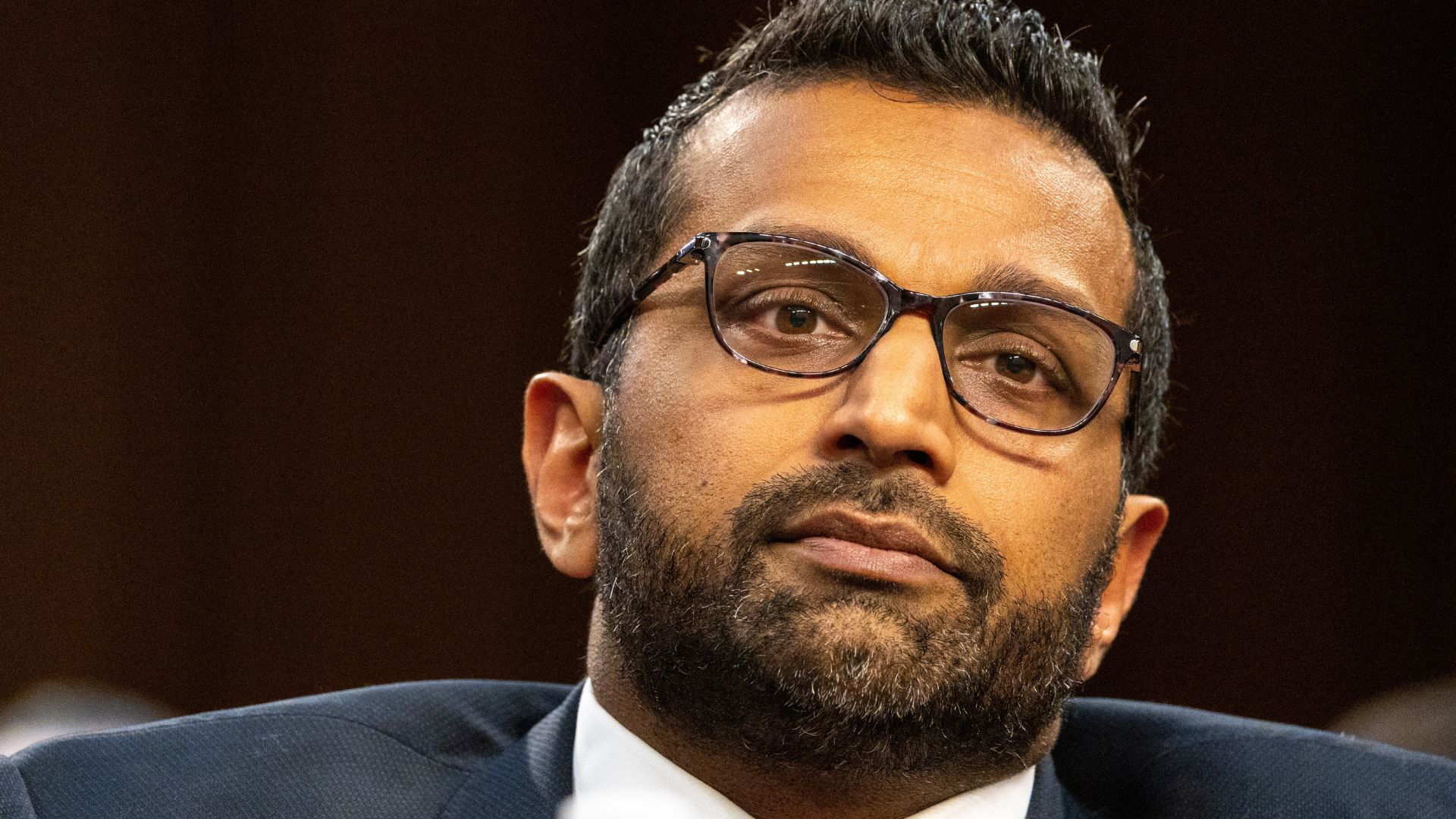
At a press conference in Philadelphia, FBI Director Kash Patel described the operation as a model for reclaiming violent neighborhoods through sustained law enforcement cooperation.

Patel credited years of collaboration between the FBI, the Philadelphia Police Department, and the U.S. Attorney’s Office.

“Today, even more criminals are off the streets because of the diligent work of the FBI and our partners,” Patel told Fox News Digital.

“Over 30 people have been charged for their alleged role in drug trafficking and dozens of other offenses. These individuals were charged with distributing fentanyl, heroin, and cocaine on one of the most prolific drug blocks in Philadelphia. They were members of a violent drug trafficking organization and used violence to enforce their territory and sell drugs that poison our city streets and community. The FBI will continue our work to put an end to drug trafficking and violence in our cities.”

“This takedown is how you safeguard American cities from coast to coast,” Patel said.

“We have permanently removed a drug trafficking organization off the streets of Philadelphia.”

U.S. Attorney David Metcalf said the case focuses on the 3100 block of Weymouth Street in Kensington, a central hub of the city’s open-air drug market.

The indictment charges a conspiracy spanning January 2016 through October 2025, involving the distribution of fentanyl, heroin, crack cocaine, and cocaine.

“It’s a massive drug-trafficking conspiracy spanning nearly a decade, the largest federal indictment this century brought by our district,” Metcalf said.

“We targeted it like a precision missile at Kensington’s epicenter.”

Metcalf confirmed that 22 defendants were arrested in Friday’s sweep, while eight others already in local custody will be transferred to federal court next week.

Agents recovered dozens of firearms and significant quantities of narcotics from multiple alleged stash sites, with detailed totals to be presented in upcoming filings.

Prosecutors identified the organization’s alleged leaders as Jose Antonio Morales Nieves, 45, of Luquillo, Puerto Rico, known as “Flaco,” who “essentially owned” the block and charged rent to other dealers; Ramon Roman-Montanez, 40, of Philadelphia, known as “Viejo,” who directed daily operations and managed shifts; and Nancy Rios-Valentin, 33, of Philadelphia, who oversaw finances and scheduling.

Authorities said the crew allegedly used violence, including shootings, assaults, and intimidation tactics, to maintain control of their territory and retaliate against witnesses.

Officials noted that no formal murder or shooting charges have yet been filed, though the investigation remains ongoing.

FBI Special Agent in Charge Wayne Jacobs said the operation involved nine tactical teams and hundreds of officers across multiple states.

Most arrests took place in Kensington, with others in Puerto Rico, Delaware, and New Jersey.

“For too long the Weymouth Street drug organization flooded Kensington with drugs and terrorized residents with horrific acts of violence and intimidation,” Jacobs said. “That ended today.”

Jacobs added that the FBI will launch new public-safety initiatives encouraging residents to report criminal activity securely.

“Our job doesn’t end with these arrests,” he said.

“We will remain here, standing with the people of Kensington.”

Philadelphia Police Commissioner Kevin Bethel said the takedown reflects the department’s ongoing strategy to dismantle organized crime in open-air drug markets.

“We’re not going to apologize for removing people who terrorize our community,” Bethel said.

“This is the model we can keep running.”

Officials said the case was developed under PSN Recon, a branch of Project Safe Neighborhoods that merges federal, state, and local intelligence to target violent offenders at the organizational level rather than through isolated arrests.

Metcalf explained that the working group meets monthly to identify high-level suspects for joint prosecution.

Deputy Attorney General Todd Blanche said the Justice Department remains committed to dismantling violent criminal networks.

“Drug traffickers who poison our communities and enforce their territory through violence will face the full force of federal law,” Blanche said.

“Working alongside our state and local partners, the Department of Justice will continue to dismantle these criminal networks and restore safety to neighborhoods that have suffered for far too long.”

Patel concluded by thanking investigators and prosecutors for their years of work.

“You need courageous prosecutors to bring these cases,” he said.

“This is exactly how you safeguard American lives. The blocks belong to the residents, not the drug dealers.”

“For the criminals that remain out there,” Metcalf warned, “the next indictment has a space with your name on it.”

News

FBI Director Kash Patel: We’re ‘On the Verge’ of Exposing Antifa’s Funding Network

FBI Director Kash Patel said Wednesday that the bureau is close to identifying the financial networks and leadership structures behind Antifa, the decentralized left-wing organization linked to multiple incidents of political violence and civil unrest across the United States.

In an interview with Just the News, Patel stated that the FBI’s investigation has uncovered indications that foreign adversaries may be supporting Antifa and similar domestic extremist groups.

“There are indications that support for anti-American radical groups is coming from America’s enemies overseas,” Patel said. “And the bureau is following the money.”

Patel, who was appointed FBI Director by President Donald Trump, said investigators are also looking into possible domestic sources of support, including U.S.-based nonprofits operating under IRS tax-exempt status.

“Look, the thing I can tell you is that money doesn’t lie, and the thing we’re doing at the FBI is following the money,” Patel explained.

“And thanks to President Trump, we now have Antifa designated, rightfully so, as a domestic terror organization. And we have had multiple investigations going on.”

According to Patel, those investigations involve tracing financial transactions, identifying intermediaries, and exposing the flow of funds that support Antifa’s organizational activities.

“We are mapping out the money,” he said, adding that the FBI is also relying on independent journalists and online investigators who have been documenting Antifa activity for several years.

Patel noted that many of these independent researchers have been providing critical intelligence to federal investigators since law enforcement officers often face challenges infiltrating Antifa’s decentralized networks.

“They’re the ones on the ground, getting us ground level intelligence, because law enforcement isn’t able to enter these spaces, and these people are brave enough to do it,” he said.

The FBI Director also revealed that the bureau has launched a new internal program focused solely on identifying and dismantling the financial infrastructure supporting Antifa.

“Tracking Antifa has become so important that we have created an entire new program and division dedicated to uncovering the money that is funding these operations,” Patel said.

Patel has spoken frequently in recent weeks about the FBI’s expanded focus on domestic extremist groups.

Last month, during an interview with Fox News, he reaffirmed that the agency is treating Antifa “like the domestic terrorists that they are.”

He said the FBI’s counterterrorism divisions are now using methods similar to those previously employed against international terrorist networks such as al-Qaeda and ISIS.

The director’s latest remarks follow a significant development in federal law enforcement’s efforts against Antifa.

Last week, a grand jury handed down a first-of-its-kind indictment charging two individuals connected to a Texas-based Antifa cell with terrorism.

The charges stem from a July attack on federal officers stationed at an Immigration and Customs Enforcement (ICE) facility.

The indictment marked the first time the Department of Justice has brought terrorism charges specifically related to Antifa activity.

Federal prosecutors described the attack as “premeditated and politically motivated,” alleging that the suspects coordinated online with members of other Antifa-affiliated networks before targeting federal personnel.

Patel said the bureau’s continued focus on Antifa reflects a broader national security effort to address both foreign and domestic threats.

“We are dealing with an organization that is highly decentralized but strategically funded,” he said.

“Our job is to expose every layer of that system — and we’re close.”

The FBI’s expanded operations come as part of a larger counterterrorism initiative announced earlier this year under President Trump’s directive to classify Antifa as a domestic terrorist organization.

Patel said the agency’s ultimate goal is to dismantle the network’s command structure and prosecute those responsible for financing and orchestrating violent political activity across the country.

News

U.S. Expands Deadly Strikes on Drug Smugglers in Pacific Waters with Ninth Strike Against Drug-Carrying Vessel

The U.S. military intensified its fight against narcotics trafficking this week, launching a ninth strike against an alleged drug-running vessel in the eastern Pacific Ocean.

Defense Secretary Pete Hegseth confirmed that three people were killed in the latest operation, marking a new phase in the Trump administration’s broader campaign to dismantle drug networks fueling America’s addiction crisis.

This strike followed another late Tuesday that killed two suspects in the same region. Until now, most U.S. military operations had targeted vessels in the Caribbean Sea.

The recent shift to the eastern Pacific reflects both an expanded targeting area and a direct effort to cut off drug routes used by South American cartels. Since the strikes began last month, at least thirty-seven people have been killed.

Hegseth underscored the administration’s resolve, drawing a striking comparison between the war on terror and the war on narcotics.

“Just as Al Qaeda waged war on our homeland, these cartels are waging war on our border and our people,” Hegseth said. “There will be no refuge or forgiveness — only justice.” He later referred to the drug cartels as “the ‘Al Qaeda’ of our hemisphere,” signaling a serious escalation in tone and intent.

President Donald Trump has justified the strikes by asserting that the United States is engaged in an “armed conflict” with these criminal organizations.

The administration has declared cartel members “unlawful combatants,” using the same legal framework once applied to terrorist groups under President George W. Bush.

When asked about the legality of the latest attack, Trump was unequivocal. “We have legal authority. We’re allowed to do that,” he said.

The president also hinted that similar operations could soon extend to land targets.

“We will hit them very hard when they come in by land,” he explained from the Oval Office. “We’re totally prepared to do that. And we’ll probably go back to Congress and explain exactly what we’re doing when we come to the land.”

Secretary of State Marco Rubio defended the strategy, emphasizing the moral and national security dimensions of the campaign.

“If people want to stop seeing drug boats blow up, stop sending drugs to the United States,” he said. Trump echoed that reasoning, explaining that the goal of these strikes is to save American lives.

“The only way you can’t feel bad about it,” he said, “is that you realize that every time you see that happen, you’re saving 25,000 lives.”

Videos released by Hegseth showed small boats loaded with brown packages being destroyed in precise airstrikes. In one clip, a vessel erupted in flames seconds after impact.

Another video showed similar destruction, with packages believed to be cocaine floating in the water afterward.

These visuals underscored the administration’s message that it will not hesitate to destroy trafficking networks at their source.

The United States has built up a significant military presence in the Caribbean and along the coasts of Venezuela and Colombia.

This increased deployment has fueled speculation about broader intentions toward the Venezuelan regime of Nicolás Maduro, who faces narcoterrorism charges in U.S. courts.

Still, administration officials have maintained that the focus remains on stopping drugs that, as Trump often notes, “poison American communities.”

The eastern Pacific is one of the world’s busiest drug-trafficking routes, carrying cocaine from Colombia, Peru, and Ecuador.

The latter’s bustling ports and vast container systems have become convenient cover for cartels shipping drugs disguised as exports. Despite criticism, the Trump administration has emphasized results over rhetoric, arguing that decisive military action is essential to disrupt the deadly supply chain.

The strikes, however, have sparked a new debate in Washington. Lawmakers from both parties have raised concerns about presidential authority and transparency.

Some Democrats have argued that Congress should authorize such actions. Senator Richard Blumenthal, a Democrat on the Armed Services Committee, claimed the strikes were “lawless” and “reckless,” arguing that smugglers should be captured and interrogated instead of targeted militarily.

The Republican-controlled Senate recently voted down a Democratic-sponsored resolution that would have required Trump to seek further congressional approval.

Senator John Kennedy of Louisiana voiced his support for the president’s approach, saying that he had spoken with Rubio about the legal implications.

“He has researched the legal ramifications carefully and he believes we’re on solid ground in attacking these narcoterrorists,” Kennedy said. “I trust his judgment.”

While critics accuse the administration of overreach, supporters view the strikes as a necessary message to cartels that the era of leniency is over.

Under Trump’s leadership and Hegseth’s direction, the U.S. military has adopted a doctrine of deterrence through strength.

The administration’s position is clear: those who profit from the suffering of Americans will face swift and uncompromising justice.

The campaign has reshaped how the United States views drug trafficking — not as a criminal nuisance, but as an act of war against the American people.

As Hegseth and Trump continue to push forward, it is evident that this administration intends to make the fight against narcoterrorism a defining front in defending America’s security and sovereignty.

WATCH BELOW:

News

Gov. Glenn Youngkin Declares State of Emergency Over “Democrat Shutdown” Threatening SNAP Benefits

Virginia Governor Glenn Youngkin declared a state of emergency Thursday, citing an impending funding shortfall caused by what he called the “Democrat Shutdown,” which he said could deplete Supplemental Nutritional Assistance Program (SNAP) benefits for more than 850,000 Virginians starting November 1, 2025, as reported by Fox News.

“The Democrat Shutdown will cause SNAP benefits to run out for over 850,000 Virginians in need starting Nov. 1, 2025,” Youngkin said from Richmond.

“I refuse to let hungry Virginians be used as ‘leverage’ by congressional Democrats. I am declaring a State of Emergency due to the Democrat Shutdown to protect hungry Virginians in need.”

Youngkin urged Virginia’s Democratic senators, Mark Warner and Tim Kaine, to vote in favor of ending the shutdown through a clean continuing resolution, a measure Republicans have proposed in Congress.

“This is an extraordinary action and is only necessary because of the shamelessness of congressional Democrats — including every Democrat in our entire delegation — who refuse to pass a clean continuing resolution to open the federal government,” Youngkin said.

The governor’s order will allow Virginia to use state-level emergency funds to continue providing food benefits until federal funding resumes. Youngkin said the state would not allow families to go without support due to what he described as political gridlock in Washington.

“The state of emergency enables us to ensure continuity of essential nutrition programs,” Youngkin added. “We will continue providing food benefits to qualified Virginians until congressional Democrats put the interests of Virginians in need ahead of their politics.”

Youngkin also thanked President Donald Trump for backing his decision. “I’m grateful to President Trump for supporting our efforts to protect Virginians during this crisis,” he said.

Lt. Gov. Winsome Earle-Sears, who is running to succeed Youngkin, echoed the governor’s commitment to ensuring uninterrupted food assistance. “At Governor Youngkin’s direction, food benefits will be provided without interruption to support Virginia families,” Earle-Sears said in a statement.

The Department of Agriculture has warned that SNAP funding could begin to lapse nationally in early November if Congress fails to reach an agreement. Virginia’s emergency declaration makes it the first state to officially extend benefits through state intervention.

Other states, including Pennsylvania, Colorado, and Illinois, have issued warnings about the possible suspension of benefits but have not yet declared emergencies or announced backup funding measures.

As the standoff in Washington continues, Youngkin’s declaration underscores growing state-level concern over the federal government’s inability to pass a spending bill, with governors preparing to fill the gap for residents most affected by the shutdown.

News

SNAP Crisis Grows While Democrats Refuse to End Government Shutdown

Federal food assistance for more than 42 million Americans is at risk as the ongoing government shutdown continues with no agreement in sight between Democrats and Republicans over a spending plan, as reported by Fox News.

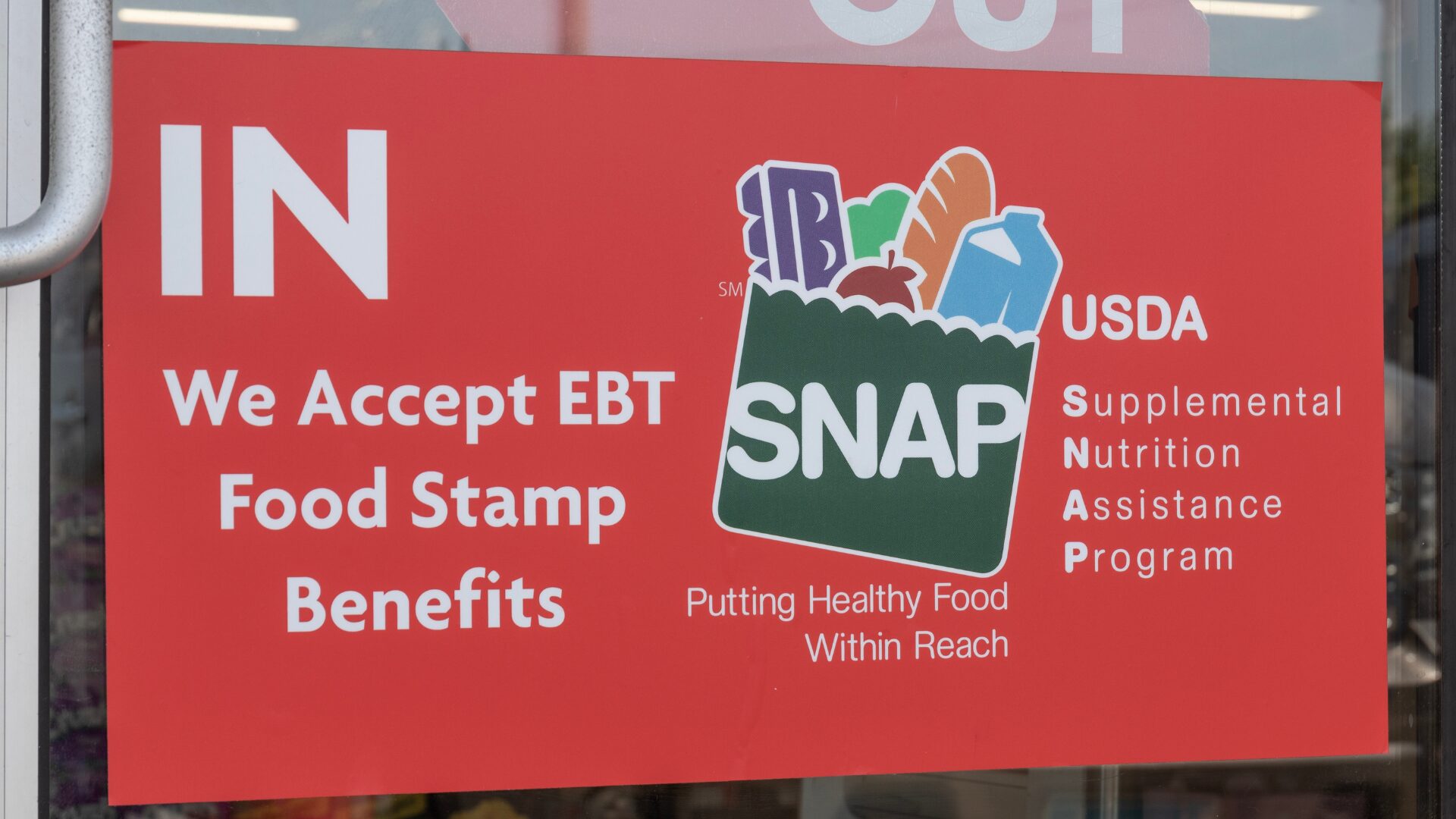
The U.S. Department of Agriculture (USDA) warned Thursday that funding for the Supplemental Nutrition Assistance Program (SNAP) — formerly known as food stamps — is expected to run out by November 1. The memo, obtained by Fox News Digital, was sent to state agencies overseeing the program.

“It requires about $8 billion each month to fund SNAP benefits nationwide. When there’s no funding it impacts not just pockets of people, but it’s going to impact people all around the country,” said Rev. Eugene Cho, president and CEO of Bread for the World, a nonprofit hunger advocacy organization.

Several states have already begun warning residents about possible funding lapses, while Virginia Governor Glenn Youngkin declared a state of emergency Thursday to ensure food benefits continue during the federal funding impasse.

Cho noted that the severity of the impact will vary from state to state. “Yes, funding comes from the federal government, but the administration of it happens through local states,” he explained.

“And so, when it comes to SNAP, states are on a little bit of a different rhythm in terms of how they’re conveying the reduction or the elimination of SNAP benefits.”

The USDA also warned that the Women, Infants and Children (WIC) program, which serves nearly 7 million women and young children, could soon run short of funds as the shutdown drags on.

The political stalemate in Washington has drawn sharp criticism, with Republicans accusing Senate Democrats of prolonging the shutdown by refusing to pass a clean continuing resolution (CR).

“We are approaching an inflection point for Senate Democrats,” a USDA spokesperson told Fox News Digital. “Continue to hold out for healthcare for illegals or reopen the government so mothers, babies, and the most vulnerable among us can receive timely WIC and SNAP allotments.”

The House passed a seven-week extension of fiscal year 2025 funding on September 19, but the measure has failed 12 times in the Senate, where additional Democratic votes are needed to overcome a filibuster.

Senate Democrats have demanded that any resolution include extended Obamacare subsidies and the repeal of Medicaid cuts included in the GOP’s One Big, Beautiful Bill Act (OBBBA).

House Agriculture Committee Chair Glenn Thompson, R-Pa., warned that Democratic inaction risks devastating consequences.

“Millions of American families are about to lose access to food assistance because Democrats are openly admitting to being afraid of their far-left base and refuse to reopen the government,” Thompson said.

“We need to reopen the government, so we can put Americans first by making sure families can put food on the table and our farmers are supported.”

The Trump administration has redirected some federal resources to cover shortfalls, including $300 million from tariff revenues for WIC funding and defense research funds to ensure military paychecks are met. However, these measures are temporary.

Democrats have urged the administration to access the government’s $5 billion SNAP contingency fund.

“It’s time the administration do right by seniors, children, and veterans and utilize the SNAP contingency fund to ensure benefits can be provided for November,” said Rep. Angie Craig, D-Minn.

House Minority Leader Hakeem Jeffries, D-N.Y., said Thursday that the administration could use the emergency funds but has chosen not to. “There’s about $5 billion available in a contingency fund for emergency circumstances just like this,” he said.

“But the administration refuses to agree to use it. Why? Because they want to starve the American people as part of their continuing effort to visit cruelty on everyday Americans.”

Unless Congress acts, SNAP benefits are expected to expire nationwide within days, leaving millions without assistance and amplifying pressure on Democrats to reach a deal to end the shutdown.

News

Texas Democrat Threatens to Slash Republicans’ Throats on Live CNN Interview

A Texas state lawmaker running for Congress, Rep. Jolanda Jones, drew condemnation Wednesday after a televised interview on CNN in which she said she would respond to political opponents with violent force.

Jones made the remarks during an appearance on Erin Burnett’s program, telling the host that because she is “from the hood” she would escalate confrontations to physical harm.

“I’m from the hood, okay!? So when the bully comes like – if there are no rules you have to figure it out so Donald Trump has changed things,” Jones said.

She went on to link her comments to what she described as Democrats losing support among certain constituencies: “And I think that’s why Democrats are losing black people. That’s why they’re losing poor people.”

Jones then described a violent escalation in blunt terms: “Because poor people, all they want is for us to fight, so if you hit me in my face, I’m not gonna punch you back in your face, I’m gonna go across your neck.”

She added an explicit call for political retribution directed at other states, saying, “You gotta hit hard enough where they won’t come back and so yeah, for the same way that I went to New York and spoke with governor Kathy Hochul and said that if they’re gonna try to wipe up out in Texas, we need to wipe out every Republican in New York and California, and Illinois.”

The exchange was notable not only for Jones’s language but for the soft response she received from the CNN host.

Burnett did not confront Jones about the violent phrasing or demand clarification during the live interview, a point that critics seized on afterward.

Jones is campaigning for the U.S. House seat in Texas’s 18th Congressional District.

Her campaign materials emphasize extensive domestic policy priorities and a combative approach toward Republican opponents.

On her campaign website, Jones lays out a slate of policy goals in language quoted directly from the site:

“In Congress, I will fight to stop Trump cuts to healthcare and Medicaid, Social Security, education, and veterans. I’ll fight to lower the cost of prescription drugs, expand coverage for mental health care and substance abuse – and make healthcare more affordable and accessible for all of us,” Jones writes.

She also pledges to prioritize reproductive rights: “I’ve been fighting my entire career for women’s rights, bodies, and voices, and will never stop working to restore abortion rights to make sure women — not politicians — make their own healthcare decisions.”

Jones framed her campaign as a call to more aggressive Democratic action: “Everywhere I go, people ask why Democrats aren’t fighting harder. Join me – and together, let’s show them exactly how to fight Donald Trump,” the website states.

Jones’s remarks on CNN come amid heightened scrutiny of political rhetoric and the role media outlets play in moderating interviews.

Critics argued the host should have challenged Jones’s descriptions of violence and asked whether she was endorsing physical harm against political opponents.

Supporters of Jones have defended her statements as rhetorical and contextualized within a broader critique of political tactics and inequality; detractors said the comments cross a line by normalizing threats of physical violence.

The episode adds to a series of high-profile moments in which elected officials’ on-air comments have prompted debate about acceptable political discourse.

Federal and local law-enforcement agencies are typically sensitive to direct threats and language that could be interpreted as incitement.

Legal experts say that while heated rhetoric is protected in many circumstances as political speech, statements that amount to targeted threats or calls for violence can carry legal consequences depending on context and intent.

Jones’s campaign did not immediately respond to a request for comment beyond the statements on her website.

The CNN segment remains available in archived clips and on the network’s digital platforms, where viewers can review the exchange in full.

As Jones continues her congressional bid, the incident is likely to be raised by opponents and media analysts alike, who will scrutinize both the lawmaker’s rhetoric and the network’s handling of her remarks.

News

Kristi Noem Reports Nearly Half a Million Criminal Illegal Alien Arrests Under President Trump

The Department of Homeland Security has arrested more than 480,000 illegal aliens since January, most of whom have criminal charges or prior convictions, according to Homeland Security Secretary Kristi Noem.

The announcement came Monday during a press conference in Sarasota, Florida, where Noem outlined the department’s ongoing enforcement actions under President Donald Trump’s direction.

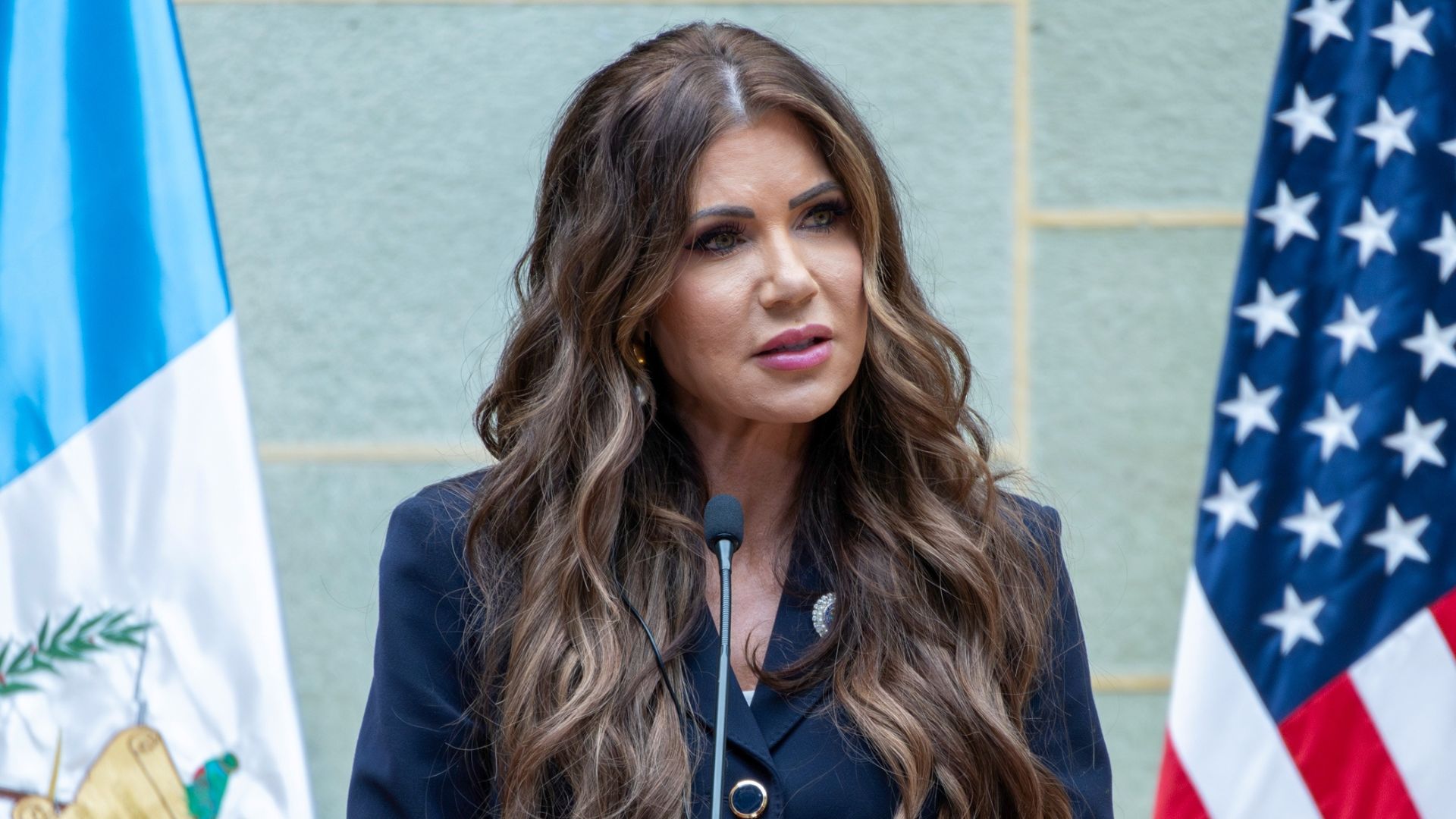
“Since January, the Department of Homeland Security has arrested over 480,000 criminal illegal aliens — 70 percent of those individuals have criminal charges against them or have been convicted of those criminal charges,” Noem said.

The arrests represent a significant expansion of Immigration and Customs Enforcement (ICE) operations nationwide. Noem said the department remains committed to removing dangerous individuals who pose a threat to public safety.

“We are not going to let these individuals terrorize our streets anymore and we’re not going to let them make victims out of families that live in this country,” she said.

According to Noem, DHS and ICE have prioritized targeting illegal aliens with serious criminal histories, including repeat offenders who have re-entered the United States after deportation. “We are focused on the worst of the worst, bringing these individuals to justice,” she said.

Among the cases highlighted during the briefing was that of Erick Carlos Artiles Ramos, an illegal alien from Cuba who was previously convicted of homicide, kidnapping, robbery, armed carjacking, and drunk driving.

Artiles Ramos had been ordered deported by a federal immigration judge in 2008 but evaded removal until ICE agents apprehended him earlier this year.

Another case involved twice-deported illegal alien Oscar Alfredo Retana Marroquin of El Salvador, who was taken into custody after being convicted of sexual assault of a child and driving under the influence.

ICE also arrested Arturo Sanchez Morales, an illegal alien from Mexico who had previously been deported and had a final deportation order dating back to 2019. Sanchez Morales has been convicted of lewd or lascivious acts with a minor, incest with a minor, and driving under the influence.

In addition, ICE officers arrested twice-deported illegal alien Lelis Reinaldo Bejarano-Zeron of Honduras, who has prior convictions for domestic violence.

Noem said these arrests reflect DHS’s renewed focus on enforcement after years of lax policies. The department, she said, is concentrating its resources on individuals with violent criminal records or those who have re-entered the country after prior deportations.

“Every arrest we make represents a step toward restoring law and order in communities that have been affected by repeat offenders,” Noem said. She added that ICE is working in close coordination with federal, state, and local agencies to locate, arrest, and remove criminal aliens.

Federal data from DHS shows that the current arrest totals mark one of the highest enforcement surges in recent years, driven by a directive from President Trump to expand interior enforcement operations and close gaps that had allowed criminal aliens to remain in the United States.

Noem said the administration will continue to pursue deportations aggressively and ensure that those with criminal backgrounds are removed from U.S. communities. “Our priority remains protecting the American people,” she said. “We will continue these operations until the job is done.”

The department did not provide additional details about pending prosecutions but confirmed that a majority of the recent arrests involved individuals with violent felony convictions. ICE officials said the agency will release updated nationwide enforcement figures in the coming weeks.

News

Media Melts Down as Trump Builds New White House Ballroom

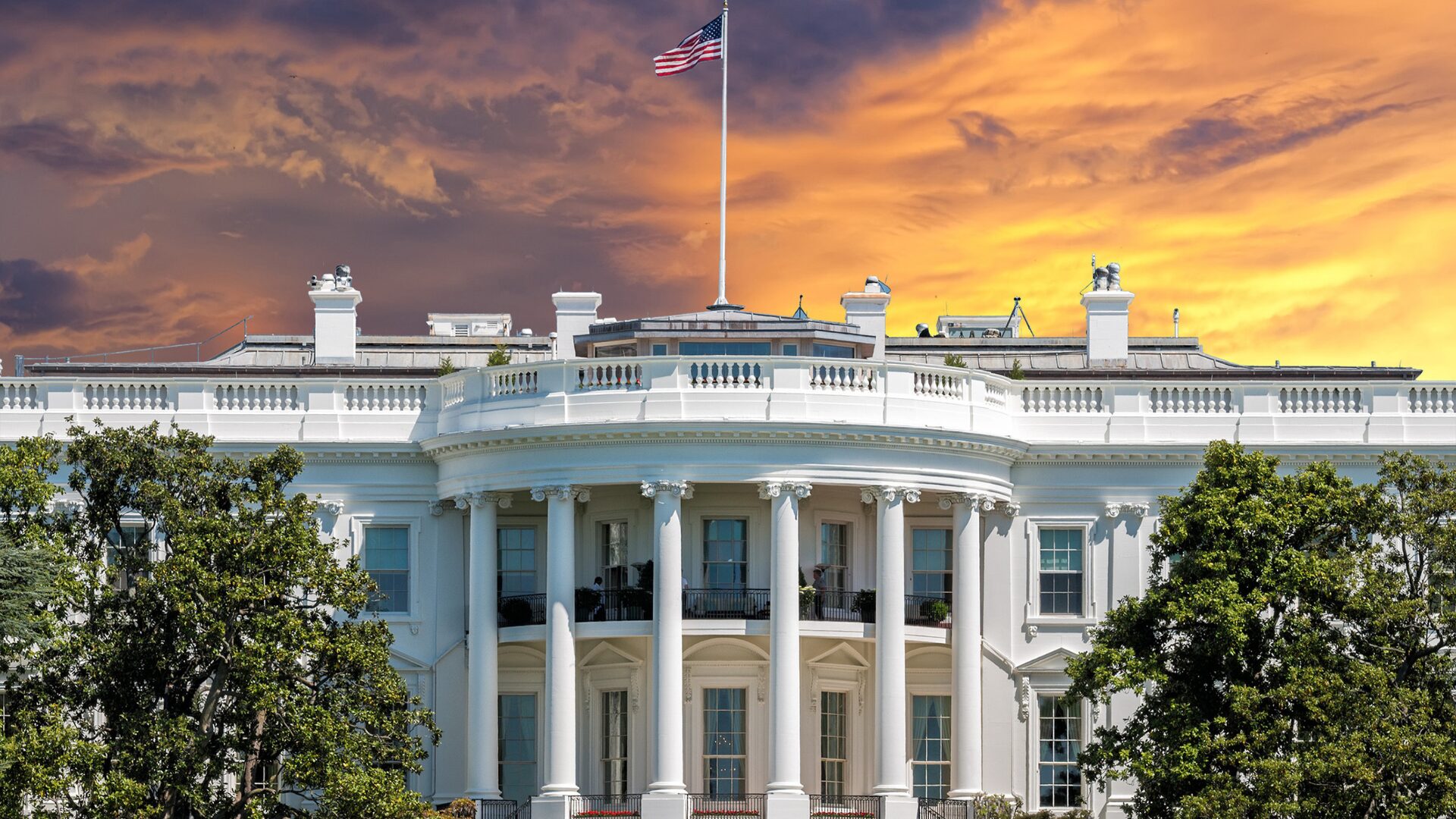
Construction crews began partial demolition work Monday on the East Wing of the White House to make way for a new ballroom, according to federal officials and public filings.

The renovation, which is being privately funded, immediately drew criticism from several left-leaning commentators and media outlets, some of whom claimed President Donald Trump was “demolishing” historic parts of the building.

Footage posted online showed sections of the East Wing facade being removed, prompting speculation that the construction could damage the historic character of the presidential residence.

However, White House officials confirmed that the East Wing addition under renovation is not part of the original structure and that the project had received all required preservation and construction approvals.

According to National Park Service records, the East Wing in its current form was built in 1942 under President Franklin D. Roosevelt as a practical addition that sits above a World War II-era bunker.

The structure was intended primarily for office use and staff access, rather than as part of the original 19th-century White House design.

White House officials described the project as a modernization effort designed to improve functionality for official events and state gatherings.

The new ballroom will provide additional space for formal receptions, ceremonies, and press events, reducing the need for large outdoor tents currently used for major occasions.

Despite those explanations, several media figures and commentators reacted negatively to reports of the construction. CNN’s Jim Acosta and other outlets expressed concern that the renovation was altering the appearance of the White House, describing it as an unnecessary or damaging project.

Historical records show that modifications to the White House complex are not unusual. Multiple presidents have added recreational and structural features to accommodate modern needs.

President Harry S. Truman oversaw extensive reconstruction of the main residence between 1948 and 1952, including the creation of the current Oval Office. President Richard Nixon installed a bowling alley in the Eisenhower Executive Office Building after removing one from the West Wing.

President Barack Obama added a basketball court, while George W. Bush made extensive upgrades to the Situation Room.

The construction currently underway does not affect the historic main residence, the West Wing, or any preserved sections of the White House interiors.

Officials confirmed that preservation standards required by the National Park Service and the White House Historical Association are being followed throughout the process.

The new ballroom project is being financed through private donations rather than taxpayer funds. According to the White House, the ballroom will be equipped with modern event technology, improved accessibility, and additional security infrastructure.

Reaction to the project among the public has been mixed. Supporters have noted that the new space could reduce logistical strain during large events and formal gatherings, while critics argue that it reflects unnecessary expansion.

White House staff have not released a completion date for the project, but said construction is expected to continue through the first half of 2026. The area affected by the work has been closed to public tours during the renovation period.

Officials said no significant damage to historic portions of the White House is expected during the process, and updates on the project’s progress will be provided through regular preservation briefings.


Scroll to Top