
The Congressional Budget Office has put the cost of U.S. combat operations against Iran at about $38 billion through Aug. 1, a grim tally that reaches well beyond money.
Its analysis identifies depleted missile defense interceptors as the campaign’s central opportunity cost for the U.S. military.
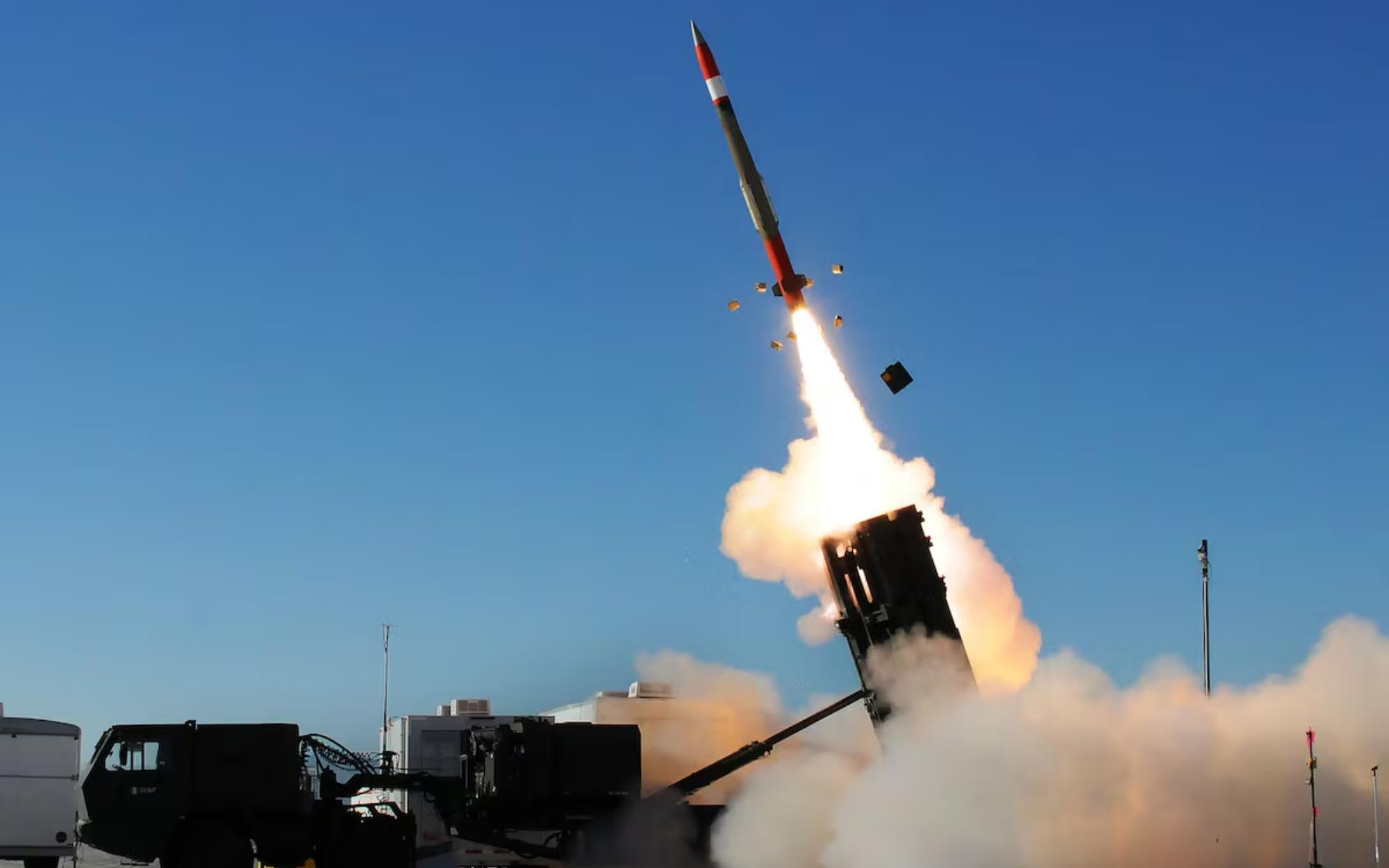
CBO estimates the conflict has consumed between one half and two thirds of the U.S. inventory of certain missile defense interceptors since June 2025.
That leaves fewer weapons available for a future conflict, while rebuilding the stocks could take at least five years even if production increases.
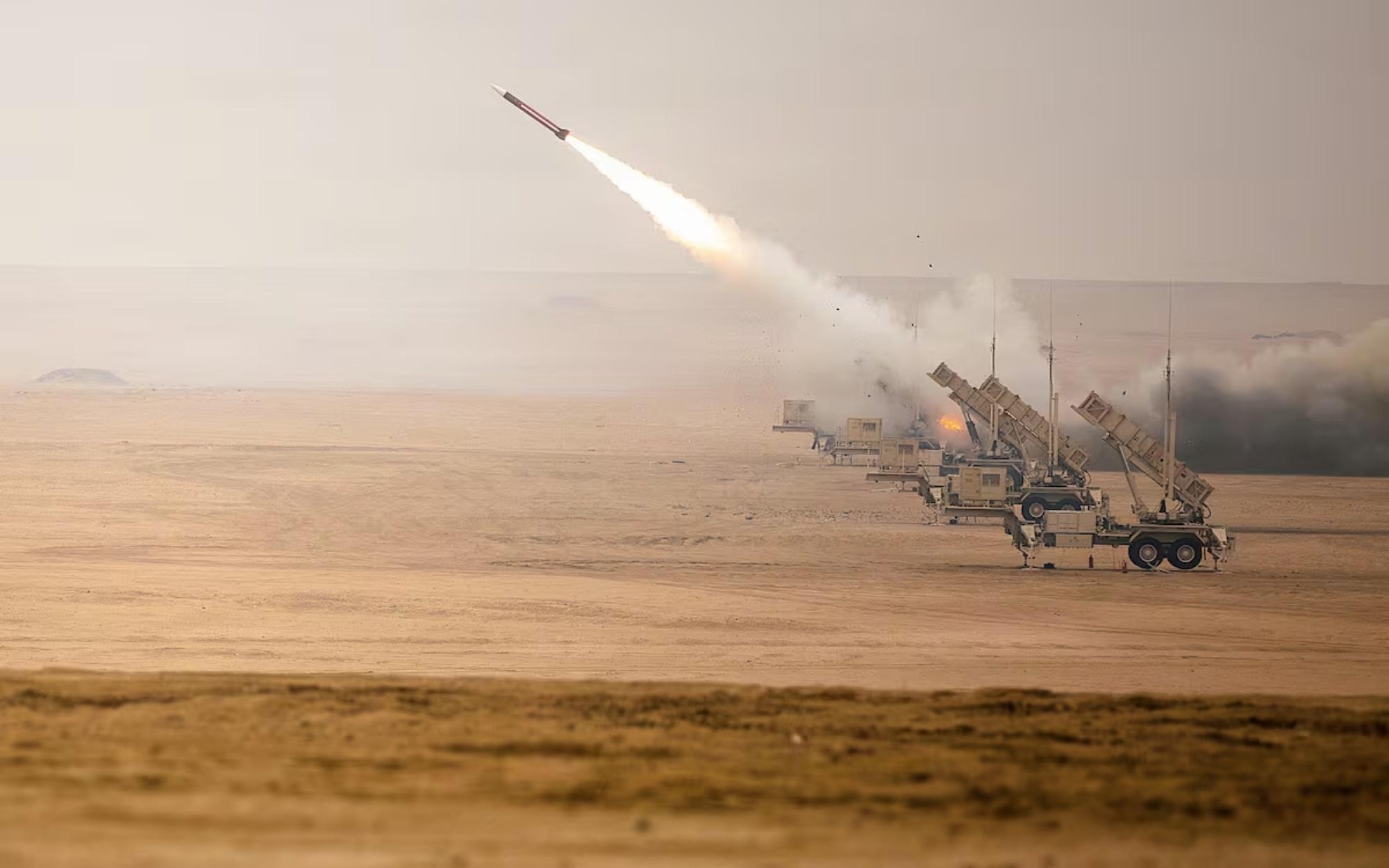
The estimate covers Patriot, Terminal High Altitude Area Defense, or THAAD, Standard Missile-3 and Standard Missile-6 interceptors.
CBO applied its estimate to the combined inventory of those four systems rather than presenting separate depletion levels for each weapon.
The Pentagon does not disclose how many interceptors remain in the inventory, according to CBO.
Analysts instead compared reported missile expenditures with the total number of missiles the DoW has purchased to estimate how much of the combined inventory has been consumed.
Replacing munitions expended through Aug. 1 would cost an estimated $21.7 billion, CBO found.
The four interceptor systems account for $13.1 billion of that amount, while land attack cruise missiles account for another $7.3 billion and other munitions add $1.2 billion.
A separate War Department inspector general report placed the operation’s cost at $33.4 billion through June 29.
CBO said its broader $38 billion figure includes expended munitions, equipment losses, increased flying hours, other operations and higher fuel costs.
The CBO estimate does not include expenses borne by other federal agencies.
It also excludes military operating costs that were already included in the federal budget, keeping the analysis focused on additional costs tied to combat operations.
Beyond munitions, increased flying hours produced the largest expense at $10.4 billion.
Fuel added another $2.7 billion, while replacing equipment lost in battle would cost $1.9 billion, including a THAAD radar that Iran destroyed.
CBO said U.S. forces expended large quantities of munitions during the campaign’s opening weeks, particularly while defending against Iranian ballistic missile and drone attacks. The pace placed heavy demands on weapons that are both expensive and produced at relatively low rates.
A Patriot or SM-6 costs roughly $4 million per interceptor, according to CBO.
The agency estimated that a THAAD interceptor costs about $12 million, while a sophisticated SM-3 carries a unit cost of approximately $28 million.
The United States had already used significant quantities of these interceptors while defending Israel, CBO said, before expending more during Operation Epic Fury. The resulting stockpile strain now sits alongside the direct financial cost of the fighting.
Operation Epic Fury’s initial phase involved about 250 tactical aircraft, including roughly 90 aircraft from two carrier strike groups, as well as an amphibious ready group.
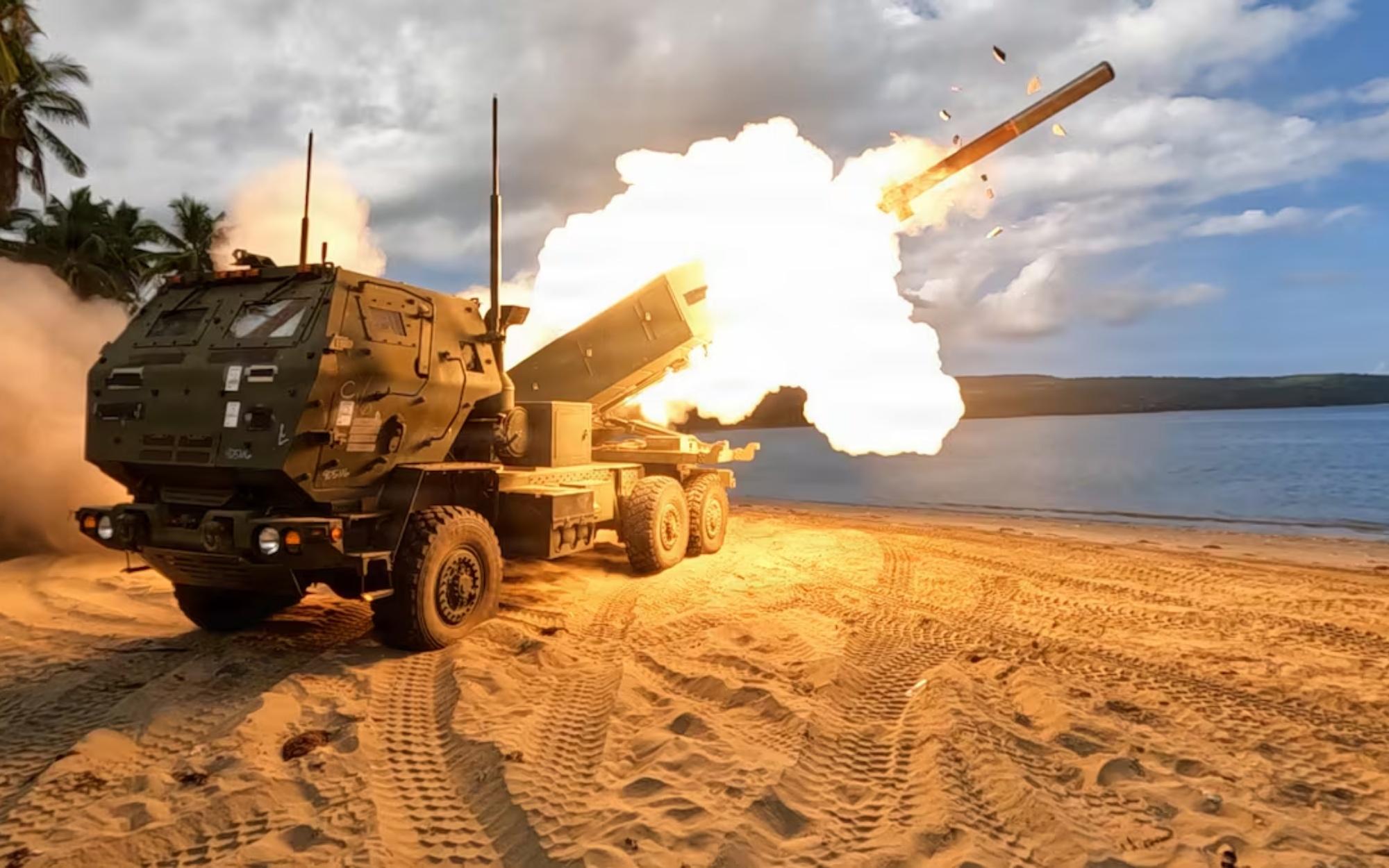
Bombers, airlifters, refueling tankers, other Navy vessels and Army air defense, aviation and artillery units supported those forces.
CBO said the Pentagon did not respond to its requests for information. Analysts therefore relied on government databases and public reports, leading the agency to caution that its estimate carries considerable uncertainty.
The administration requested $87.6 billion in supplemental funding in June, including $67.1 billion for the DoW. Of that amount, $42.3 billion was identified as directly related to the conflict, about 10% above CBO’s estimate.
The bill is still climbing. CBO estimates each additional month of relatively low intensity fighting would cost roughly $2 billion to $3 billion, with expenses potentially rising if military operations intensify.
CBO warned that the depleted interceptor inventory could present a particular problem during a conflict with China because Beijing maintains large numbers of ballistic and cruise missiles.
Replacing the weapons already expended, even with increased production, could require at least five years.
