
American troops now have a new handbook explaining how to detect drones, respond to them, and avoid becoming easy targets themselves.
It even warns that reflections from eyeglasses, glowing cigarettes, electronic devices, and discarded meal packaging can expose a position from above.
The Pentagon’s Joint Interagency Task Force 401 published the 2026 Counter Small Unmanned Aircraft Systems Quick Reference Guide on Tuesday.
The manual covers drone tactics, battlefield procedures, available countermeasures, and systems already in the American inventory, including lasers, jammers, and interceptors.
Task Force 401 was created in 2025 to coordinate drone defenses and tactics across the military services.
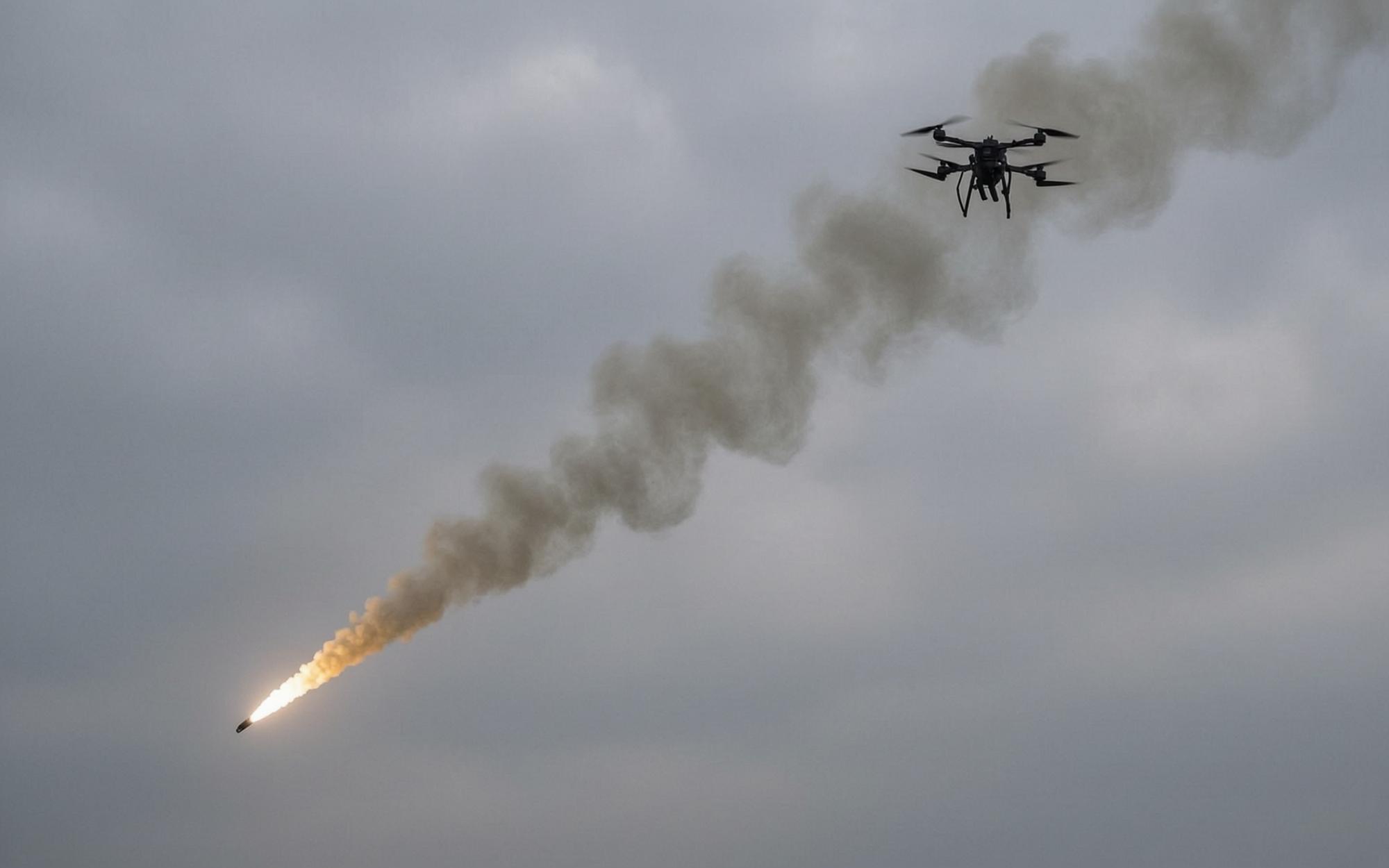
That mission has become increasingly urgent as cheap unmanned aircraft reshape battlefields, threaten American installations, and give hostile forces an inexpensive way to hunt personnel.
The handbook makes clear that “it is not a substitute for doctrine or detailed technical guidance.”
Instead, officials describe it as “a practical tool to help leaders and operators better understand the C-UAS landscape, identify solutions appropriate to their missions, and apply lessons learned.”
Lt. Col. Adam Scher, a spokesperson for the task force, said this is the first unclassified version made available.
A classified edition was issued last year, and officials plan to revise the public guide as threats evolve and fresh information arrives from the services and other government partners.
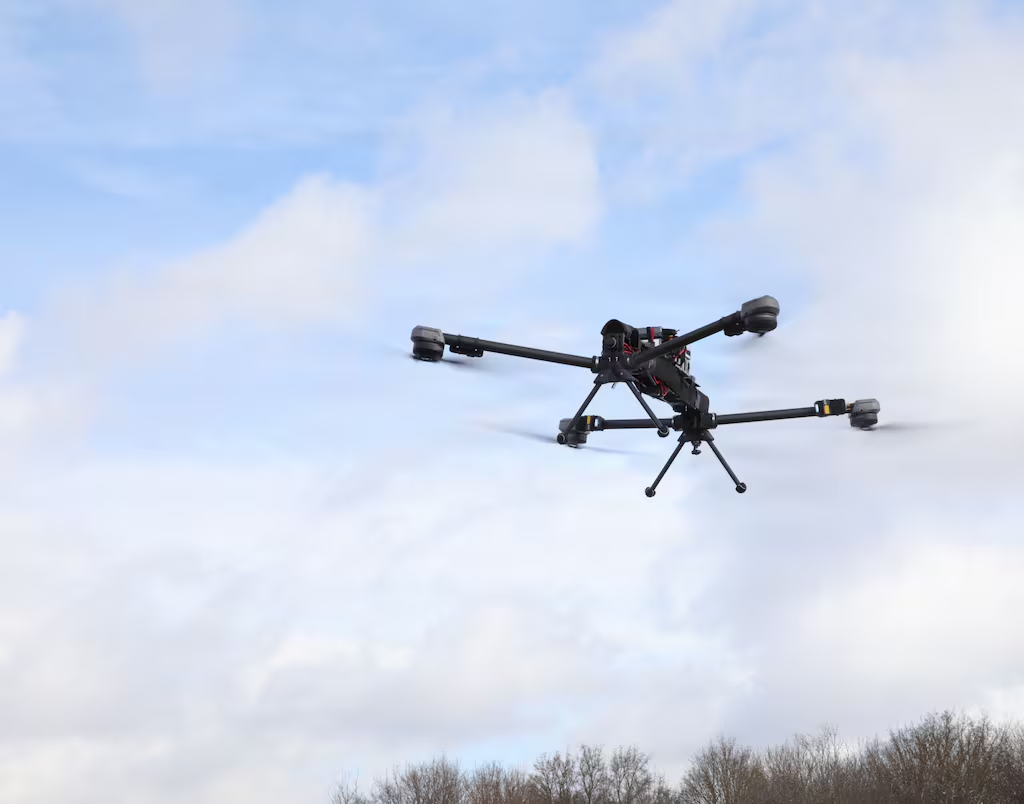
The manual divides drone defense into four basic stages. Troops must detect the unmanned aircraft, track it and determine whether it is hostile or friendly, defeat it through kinetic or nonkinetic means, and report the incident through the chain of command.
Not every counter drone tactic requires an expensive laser or some contractor built gadget with a price tag large enough to make taxpayers wince.
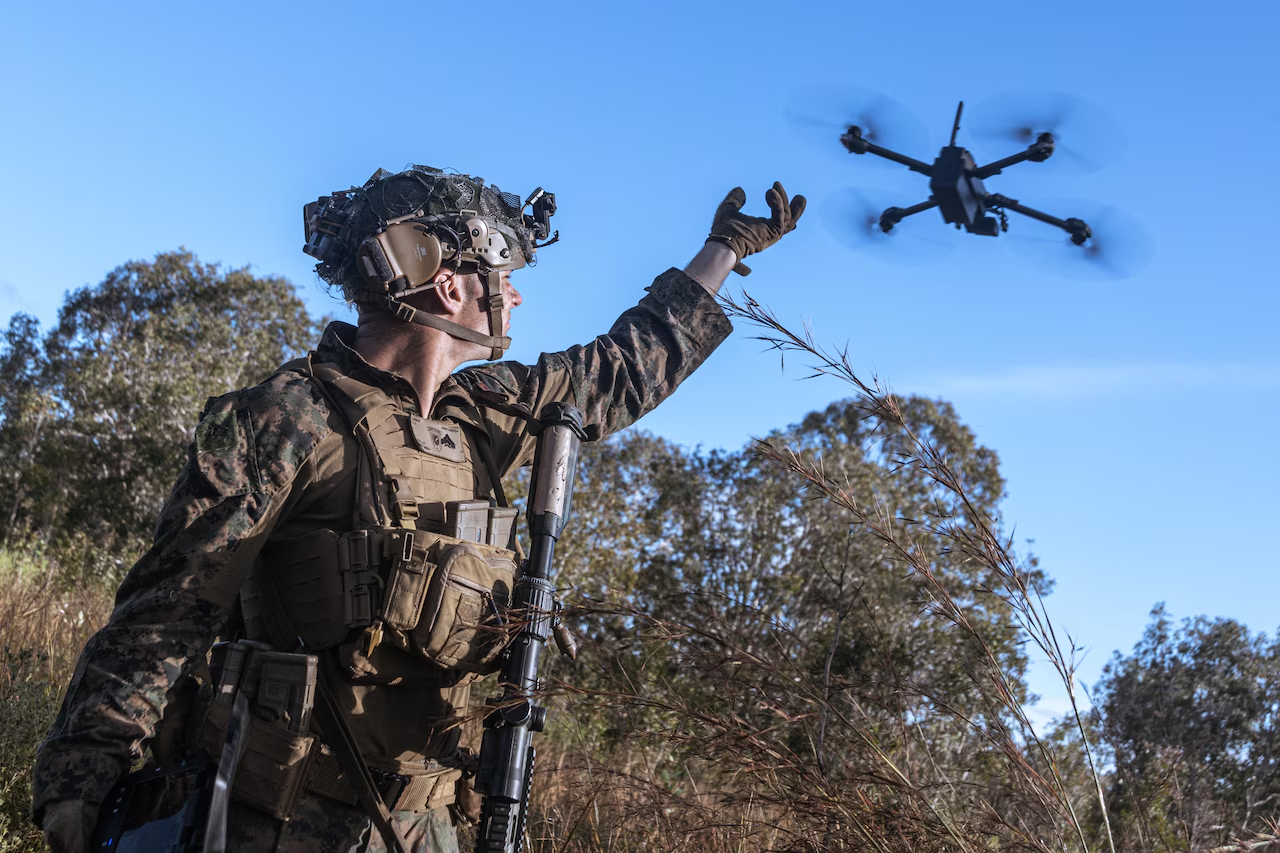
The guide includes photographs and straightforward instructions showing ground forces how to scan for drones, estimate their movement, and react with equipment already available.
One method is called the “football field technique.” By visualizing distance in increments of a 100 yard football field, troops can estimate how far they may need to lead a moving drone when attempting to shoot it down.
The handbook also teaches service members to use their hands as simple measuring tools while watching the horizon.
That technique can help observers divide the sky into sectors and monitor areas where either low flying or higher altitude drones may appear.
Shooting down a drone is only part of surviving beneath an increasingly crowded battlefield sky. The guide places heavy emphasis on “camouflage discipline,” reminding troops that modern sensors can spot small mistakes that would once have seemed harmless.
Cell phones, smart watches, fitness trackers, lit cigarettes, and reflective glasses can all reveal activity or location. Even abandoned trash and debris can become dangerous because it “creates visual contrast,” giving drone operators an obvious clue that personnel have occupied an area.
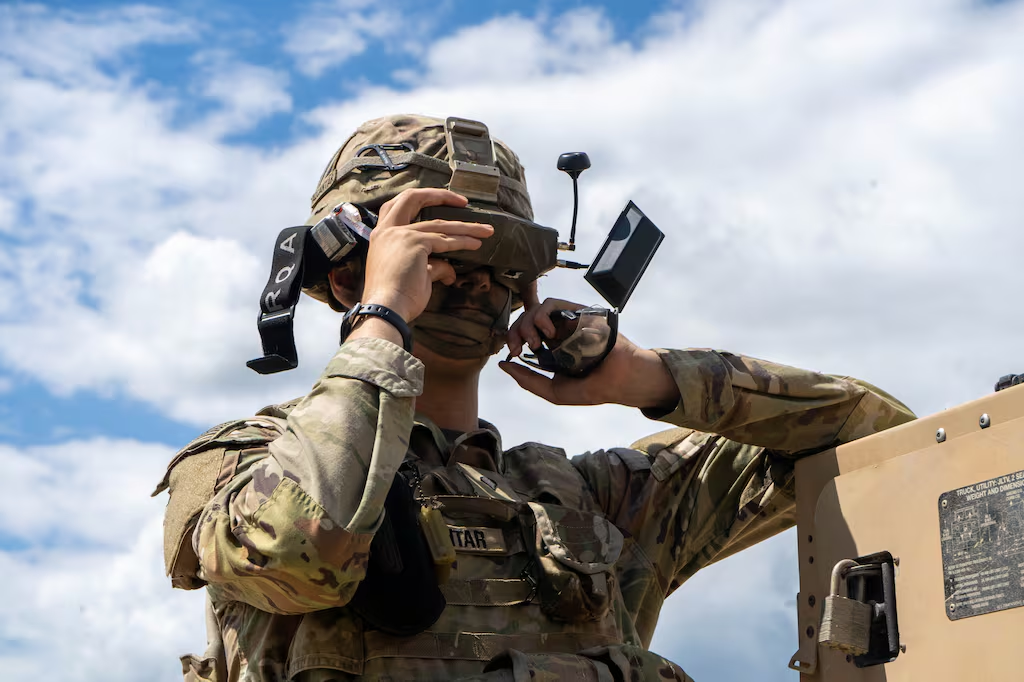
Radio emissions are another serious concern because wearable devices have already created operational security problems for American forces in the Middle East.
Troops who carry civilian electronics into combat may unknowingly broadcast patterns, movement, or location data to an enemy waiting overhead.
In January, the task force also released its “Guide for Physical Protection of Critical Infrastructure.”
That document outlined protective measures for military bases, expanded the authority of installation commanders to respond to drones, and offered instructions for hardening areas considered especially vulnerable.
American drone defenses have received greater scrutiny since the deadly 2024 attack on Tower 22 in Jordan and during more recent operations involving Iran.
The new guide recommends “compartmentalization,” meaning heavily populated spaces such as dining facilities and barracks should be divided into smaller areas using “ballistic resistant walls.”
Although the handbook is unclassified, its “lessons learned” section directs authorized personnel to additional Army, Navy, Marine Corps, Coast Guard, and NATO resources that require official access. That allows troops to begin with a practical public reference while preserving more sensitive tactics and technical information behind controlled systems.
Scher said the guide “reflects lessons” gathered from battlefields in Europe and the Middle East.
It also incorporates experience from federal, state, and local law enforcement agencies preparing counter drone protection for the FIFA 2026 World Cup, America 250 events, and military operations along the southern border.
The central message is blunt: drones have made carelessness deadlier and concealment more complicated.
Whether the giveaway is a radio signal, a shining lens, a pile of meal trash, or troops clustered inside an unprotected building, the enemy only needs one opening, and this handbook aims to give American forces fewer of them.
