
Chronic maintenance delays have left U.S. Navy attack submarines tied to piers instead of patrolling beneath the waves, according to a Government Accountability Office review. The consequences include billions of dollars wasted and a submarine force placed under even greater operational strain.
Over the past decade, “these delays resulted in an estimated $3.4 billion in costs to sustain crews and submarines that provided no operational capability,” the report found.
That means taxpayers funded trained sailors and nuclear powered boats that could not perform their missions.
The readiness damage is even more alarming than the financial hit.
Between 2016 and 2025, maintenance backlogs for attack submarines produced roughly 15,000 lost operational days, a staggering gap for a fleet already being pushed hard.
The GAO includes “active idle time,” when submarines are waiting for maintenance but can no longer conduct regular operations.
During that period, submarines and crews “must remain pier-side because they are no longer certified to conduct normal operations and cannot be inducted into a maintenance period.”
Put plainly, the Navy keeps paying for a fully staffed submarine that cannot deploy.
Los Angeles class boats collectively cost nearly $220,000 per day during active idle periods, while the figure for Virginia class submarines exceeds $237,000 per day.
“Active idle time increases the strain on the heavily used sub fleet,” Diana Maurer, a director on the GAO Defense Capabilities and Management team said.
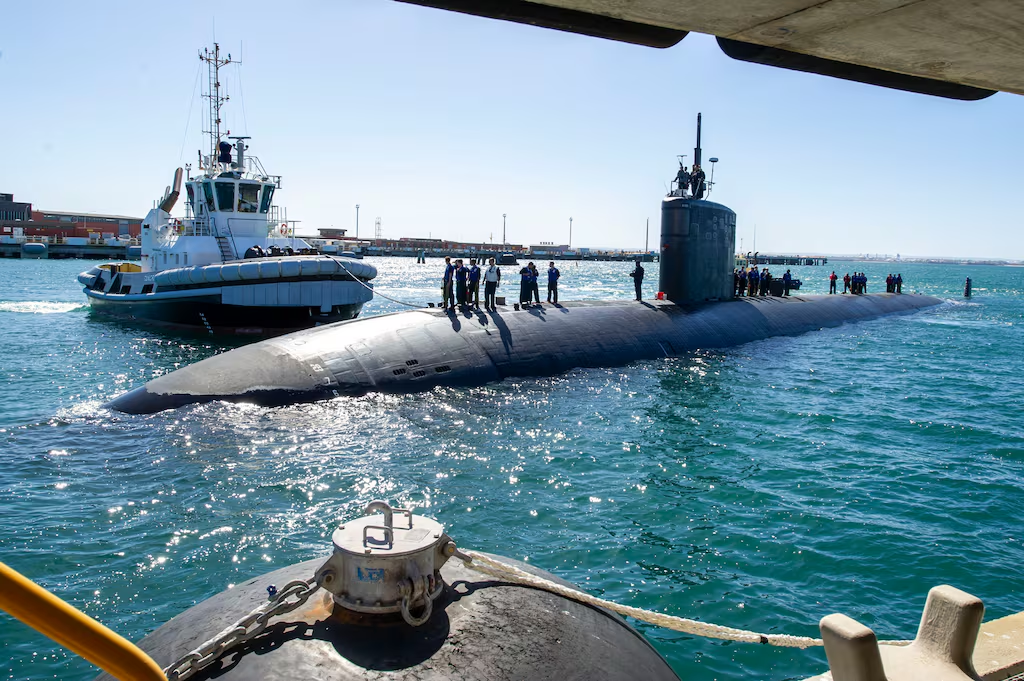
“It’s essentially a traffic jam — subs waiting to get into dry dock for depot maintenance.”
The bottleneck does not end with submarines expected to return to service.
Delays in decommissioning nuclear submarines created another $722 million in costs from 2016 through 2025, producing what the report calls “inactive idle time.”
Those retired or retiring boats “remain pier-side until a shipyard has the capacity in a dry dock to defuel their nuclear reactor.”
Until that opening appears, crews, facilities, and taxpayer dollars remain committed to vessels providing no deployable combat power.
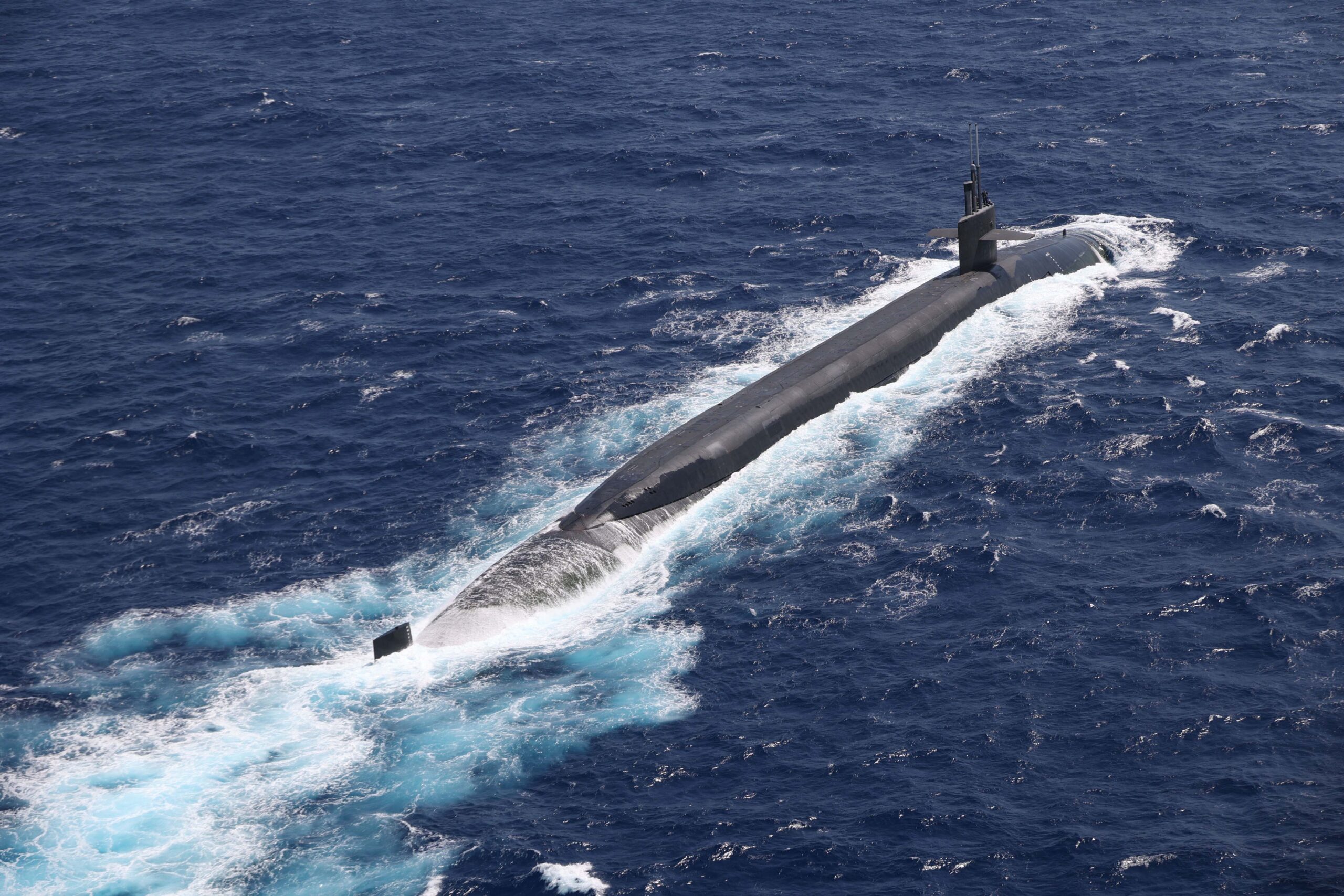
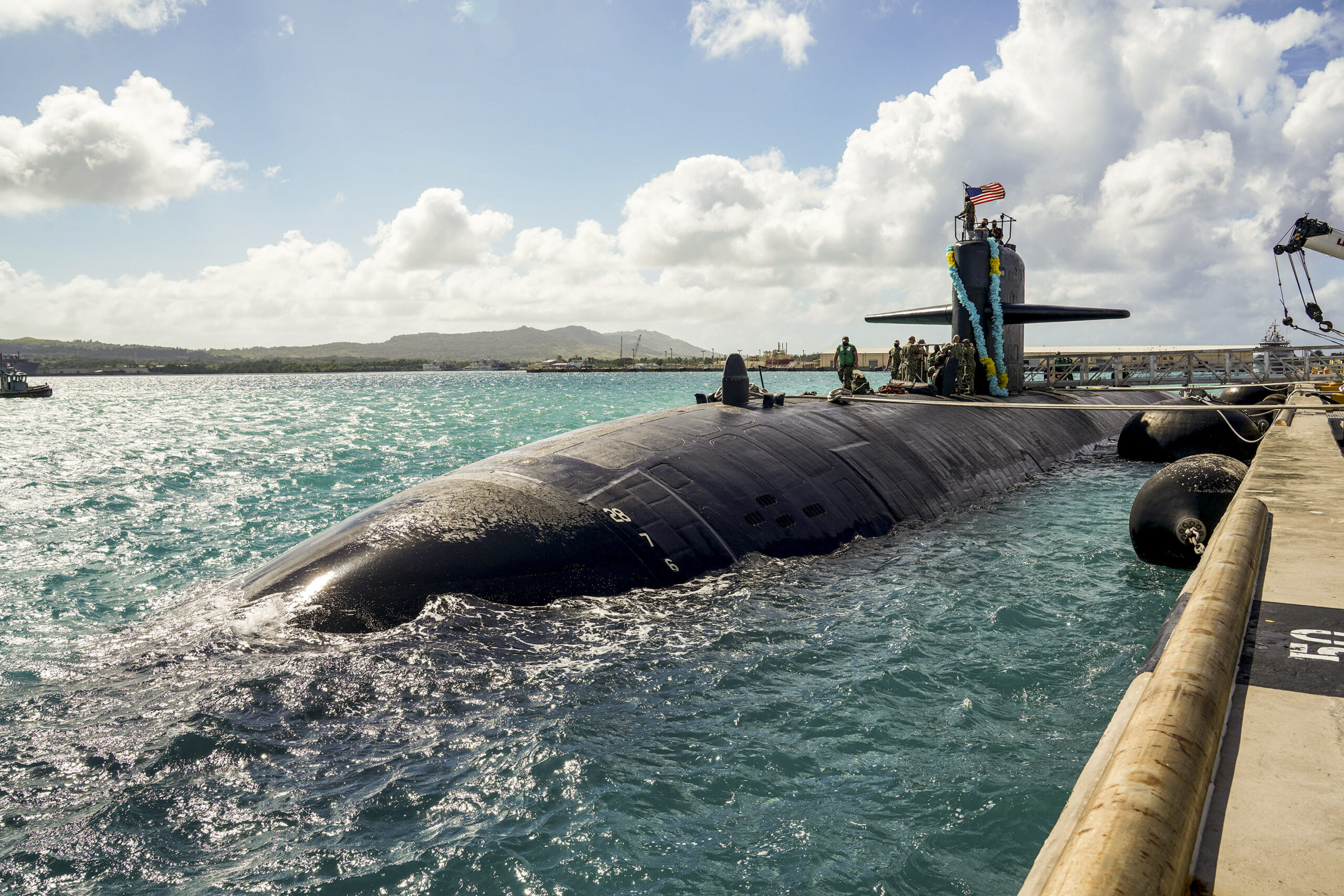
The USS Pasadena offers a glaring example of the dysfunction.
The Los Angeles class attack submarine became inactive in January 2025 but is not expected to enter Norfolk Naval Shipyard until November 2028, leaving it stuck in limbo for nearly four years.
“During this time, the attack submarine is unable to be operational since its dive certification is expired, but is still fully crewed with sailors,” the GAO stated.
The Navy plans to use Pasadena as a training platform, but the delay is still projected to cost more than $300 million.
The GAO credited the Navy with making some progress in reducing active delays, but warned that “inactive idle time for submarines has grown and is projected to worsen.” Current projections show 15 submarines accumulating approximately 14,000 inactive days from 2026 through 2030, costing an estimated $3.1 billion.
Nuclear submarine work is centered at the public shipyards in Portsmouth, Norfolk, Puget Sound, and Pearl Harbor.
Some maintenance can also be handled by General Dynamics Electric Boat in Connecticut and Huntington Ingalls Industries Newport News Shipbuilding in Virginia.
Expanding those facilities sounds obvious, but aging infrastructure and shortages of skilled labor and materials make that a long term undertaking.
Years of institutional neglect cannot be erased with another PowerPoint presentation or a fresh coat of paint on an old dry dock.
Navy officials suggested allowing nuclear reactors to be defueled while submarines remain at the pier rather than waiting for shipyard space.
Yet the report said, “However, officials were unable to provide documentation of detailed analyses conducted on the feasibility and cost-effectiveness of this option.”
Floating dry docks could provide another path, although the GAO said that option “would require additional analysis to determine technical viability.”
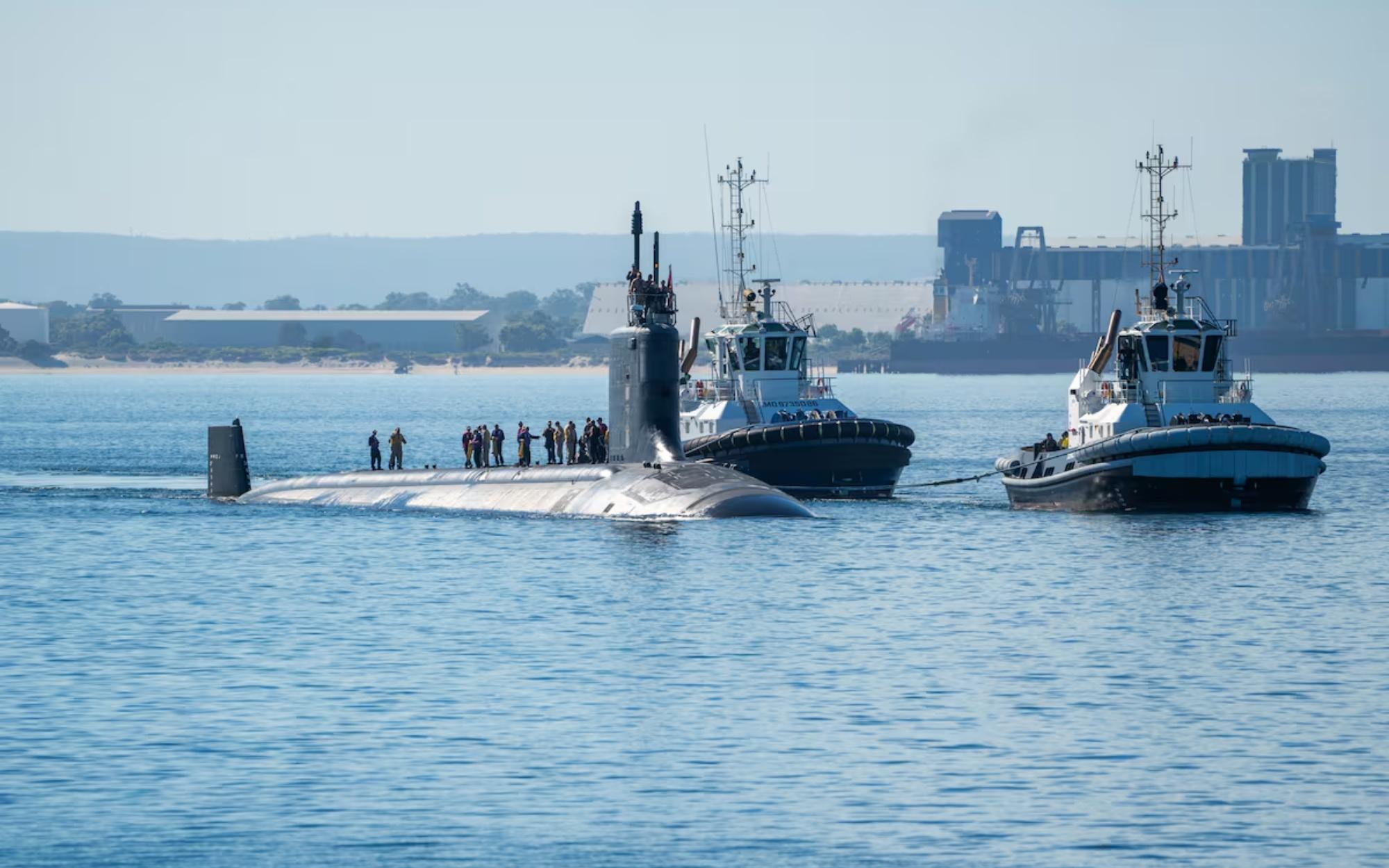
Transferring sailors from inactive submarines to operational boats is also being considered, but officials said limited shipyard capacity would still constrain that approach.
The Navy has also examined extending submarine service lives to ease the decommissioning backlog, although “these service life extensions are still pending approval,” according to the report. Meanwhile, every lost day reduces the undersea capacity available to deter China, Russia, and other potential adversaries.
“The problems we reported for attack subs are similar to what we’ve seen over the years in other parts of the fleet,” Maurer said.
The report presents President Trump and Secretary of War Pete Hegseth with another costly readiness mess demanding accountability, urgency, and results rather than the usual bureaucratic excuses.
