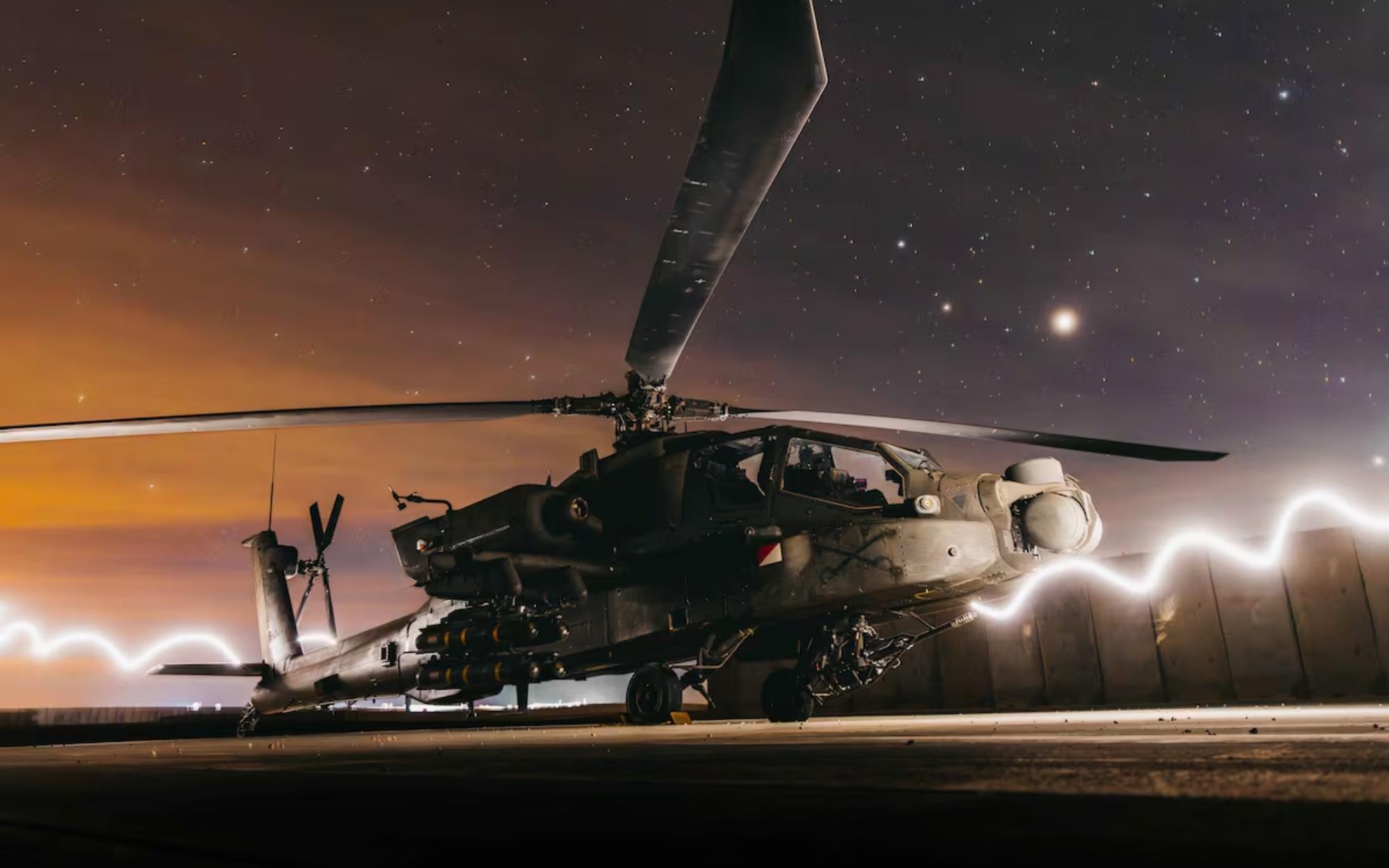
The Army has temporarily grounded Apache helicopter training flights following a deadly crash near Fort Hood, Texas, that claimed the lives of two soldiers.
The service announced the pause Friday afternoon as investigators began examining what went wrong during the aircraft’s final flight.
The decision affects AH 64 Apache training flight operations across the Army.
Leaders said the halt is intended to protect crews while officials work to determine whether the accident revealed a broader safety problem.
The announcement came two days after an AH 64E Apache assigned to the 1st Cavalry Division crashed during a maintenance test flight.
The helicopter went down near Salado, Texas, roughly 30 miles from Fort Hood.
Army officials said commanders had ordered a “temporary stand-down of AH64 Apache training flight operations.”
No date has been announced for when those training flights might resume.
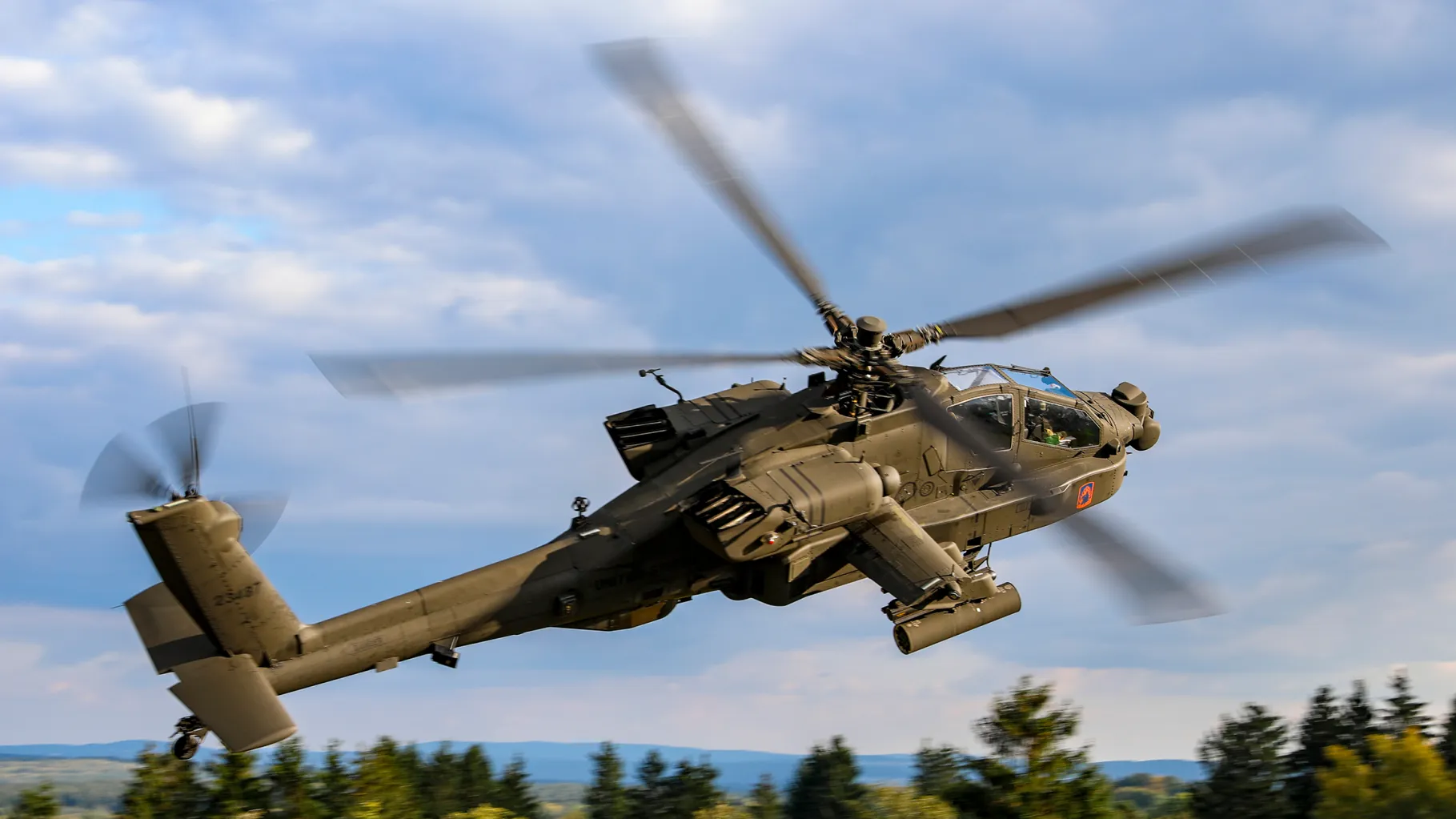
“The stand-down will remain in effect until we have a better understanding of the root cause of the accident,” the Army said in its statement. “We currently have no additional information to share.”
The United States Army Combat Readiness Center is investigating the crash.
That investigation will examine the aircraft, maintenance records, flight conditions, crew actions, and any other evidence that could explain why the Apache went down.
The crash killed Chief Warrant Officer 2 Deontre T. Huey and Warrant Officer Seth L. Olmstead.
Both soldiers were pilots assigned to Bravo Company, 1st Battalion, 227th Aviation Regiment, 1st Air Cavalry Brigade, 1st Cavalry Division.
Their deaths represent another painful loss for the Army aviation community, where dangerous missions continue even during maintenance and training operations.
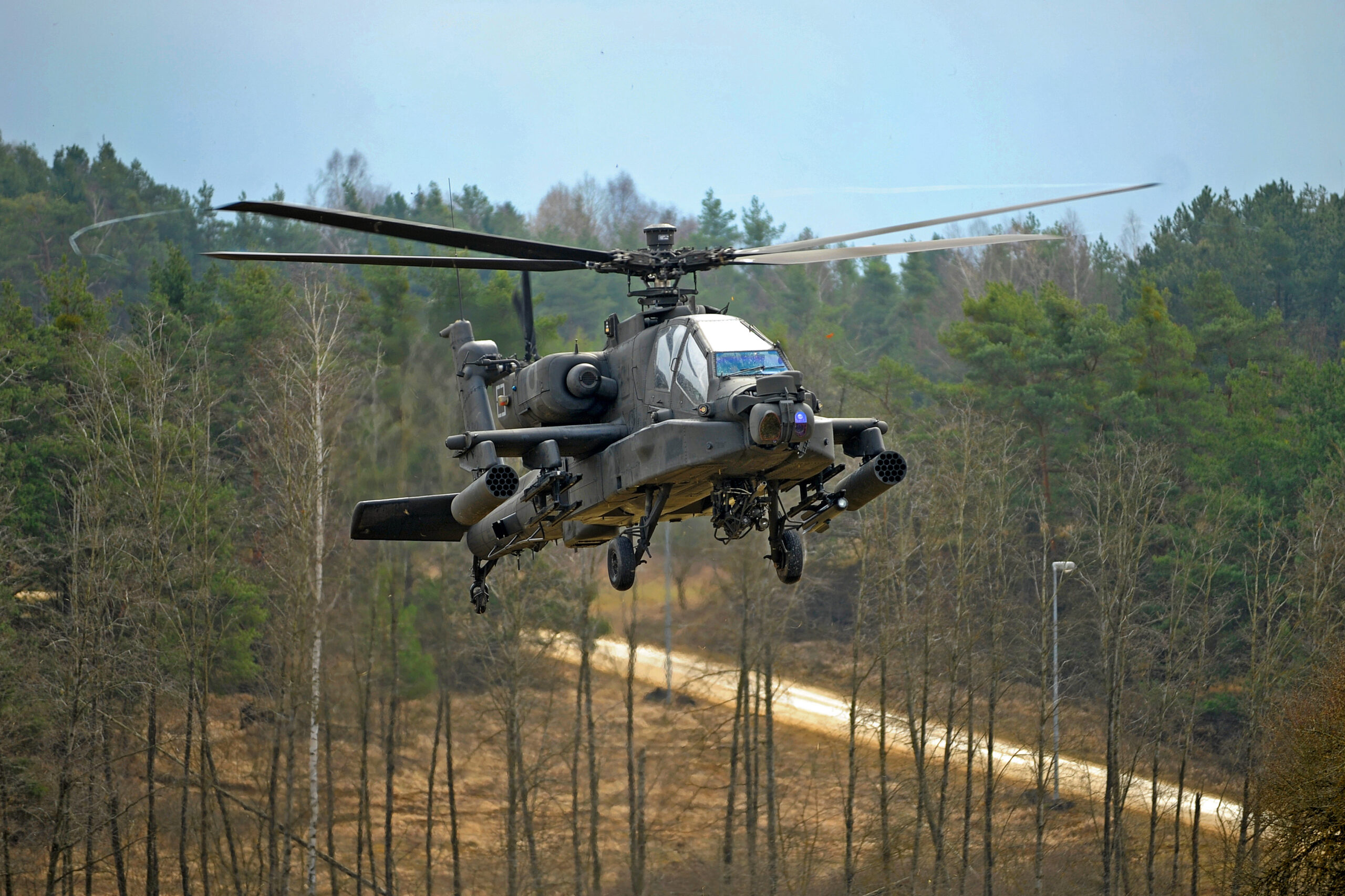
A maintenance test flight can require crews to evaluate aircraft systems under carefully controlled conditions, but aviation always leaves little room for mechanical failure or human error.
The Apache is a two seat attack helicopter that has served with the Army since the 1980s.
Over several decades, the aircraft has received substantial updates designed to keep pace with changing tactics, battlefield threats, sensors, communications systems, and weapons.
The AH 64E is the modern version of the platform and remains a central part of Army attack aviation.

Its ability to locate targets, support ground troops, and operate in demanding combat environments has made it one of the service’s most recognizable aircraft.
The temporary grounding does not establish what caused Wednesday’s crash, and Army officials have not publicly pointed to a mechanical defect, maintenance failure, or crew mistake.
The standdown instead gives investigators breathing room to gather evidence before commanders put more training crews into the air.
That caution comes as the United States military confronts a troubling series of aviation mishaps at home.
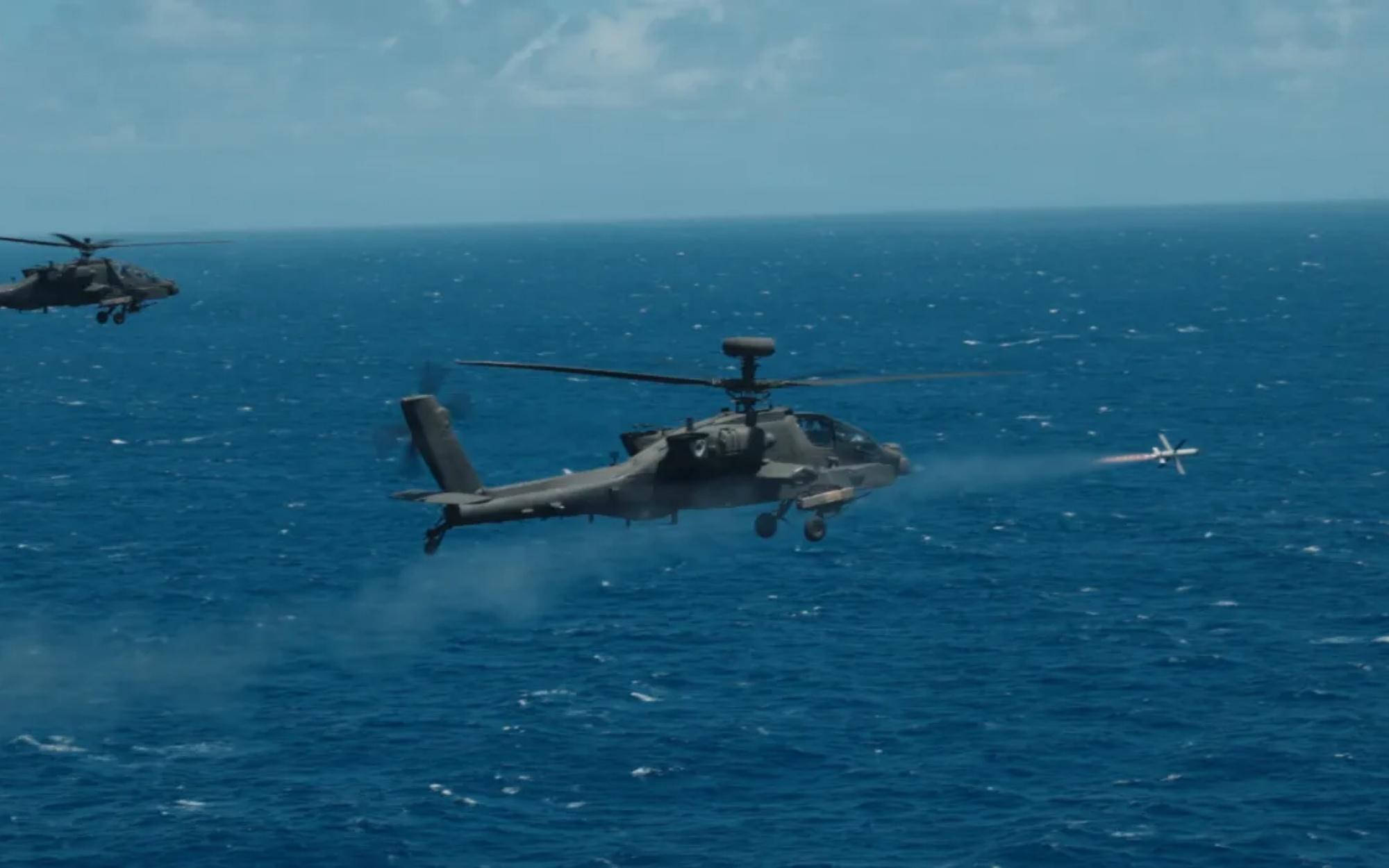
During the past four months, crashes involving aircraft from multiple military branches have occurred across the country, and some of those incidents have been fatal.
Military aviation is inherently demanding, but repeated accidents naturally raise hard questions about readiness, maintenance, training tempo, and aging equipment.
Those questions cannot be answered by speculation, which is why the Combat Readiness Center’s findings will be critical for commanders and Apache crews.
For now, the Army’s Apache training fleet will remain grounded until leaders have a clearer picture of the accident’s root cause.
The immediate priority is finding the truth, protecting other aviators, and honoring Huey and Olmstead with a thorough investigation rather than rushed assumptions.