
The Army is putting serious money on the table to keep experienced aviators in uniform, even as it trims thousands of junior aviation slots and prepares for a future increasingly shaped by drones and uncrewed aircraft.
Senior pilots can now qualify for retention bonuses of up to $200,000 if they agree to remain on active duty for as long as six years. The program comes after the Army announced last year that it would cut 6,500 aviation jobs and shut down nearly all flying units in the reserves.
According to a July 26 Army message, the new Active Duty Service Obligation agreements are aimed at senior flyers and will be capped at a soldier’s 25th year of service. In plain English, the Army is trying to hold onto the people who actually know how to fly, train and maintain combat aviation readiness.
“This program is essential to retain rated aviators critical to the success of the Army’s mission,” officials said in the policy memo. “The rated aviator inventory will be reviewed each quarter and the [aviation bonus] program will be adjusted to meet the needs of the Army.”
That language may sound like standard Army paperwork, but the reality underneath it is much sharper. After years of losing seasoned pilots to commercial airlines, the service is now trying to patch a senior experience gap while also reshaping the aviation branch for the next battlefield.
Before the latest round of cuts, aviation retention was moving in the opposite direction. Congress and the military services had been scrambling to keep pilots from walking out the door and heading for better paychecks in the airline industry.
In the fiscal year 2017 national defense bill, Congress raised the maximum incentive pay available for military aviators across the services. The Army also began offering 10 year contracts to new pilots, hoping to keep them in the cockpit longer.

But piling up junior pilots did not solve the deeper problem. A chief warrant officer four with more than 20 years of service told Task & Purpose that the Army now has too many younger aviators and not enough senior hands to train them.
“We’ve recognized massive capability gaps in our tracked aviator pool, mostly because of the rise in airline hiring,” the chief warrant officer said. “They tried increasing accessions, creating [a] glut of junior pilots with no one to train them. But you can’t fix a senior experience gap with a bunch of new pilots.”
That is the part the spreadsheet crowd always seems to discover the hard way. Aviation skill is not manufactured overnight, and no PowerPoint from the Pentagon can replace thousands of hours of cockpit experience.
The bonuses are aimed at chief warrant officers, with monthly amounts tied to time in service and the length of the new commitment. Pilots with 12 to 14 years in uniform can receive $75,600 for agreeing to serve three more years.
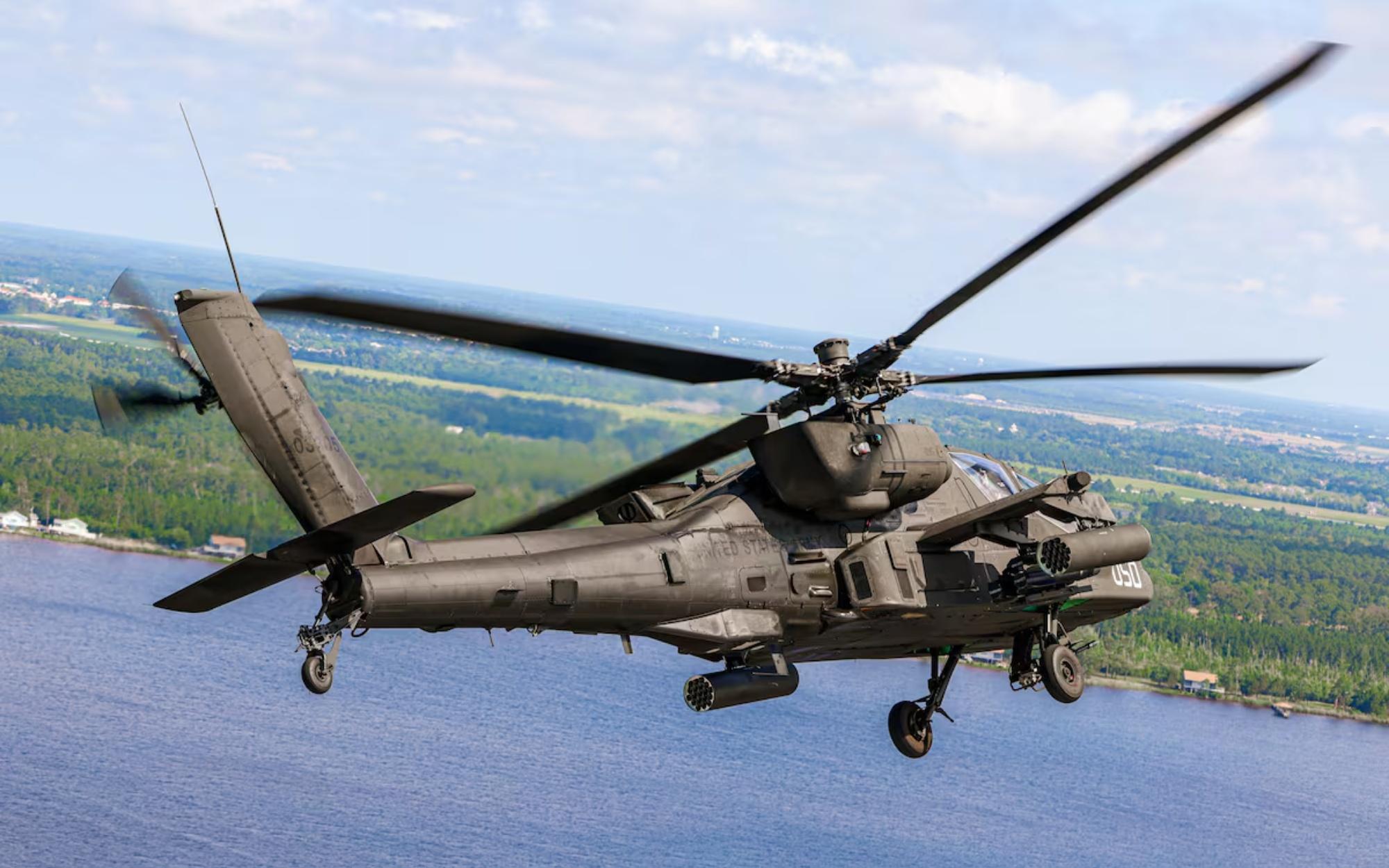
Warrant officers with at least 18 years of service can sign contracts for four, five or six more years. Those deals can bring in between $120,000 and $209,880, depending on the terms.
The Army is prioritizing several key specialties, including instructor pilots, maintenance officers and maintenance test flight evaluators. Those roles are especially important for Black Hawk, Apache and Chinook helicopter units, which remain the backbone of Army aviation.
Bonuses may also be available for aviation mission survivability officers who fly Chinooks. That is a narrow but critical field, because survivability in contested airspace is not some academic talking point when American crews are flying into real threats.
The fiscal year 2026 retention push lands less than a year into a major aviation shakeup. Army officials said last year that the service would cut 6,500 active duty aviation jobs, including pilots, air crews and maintenance soldiers.
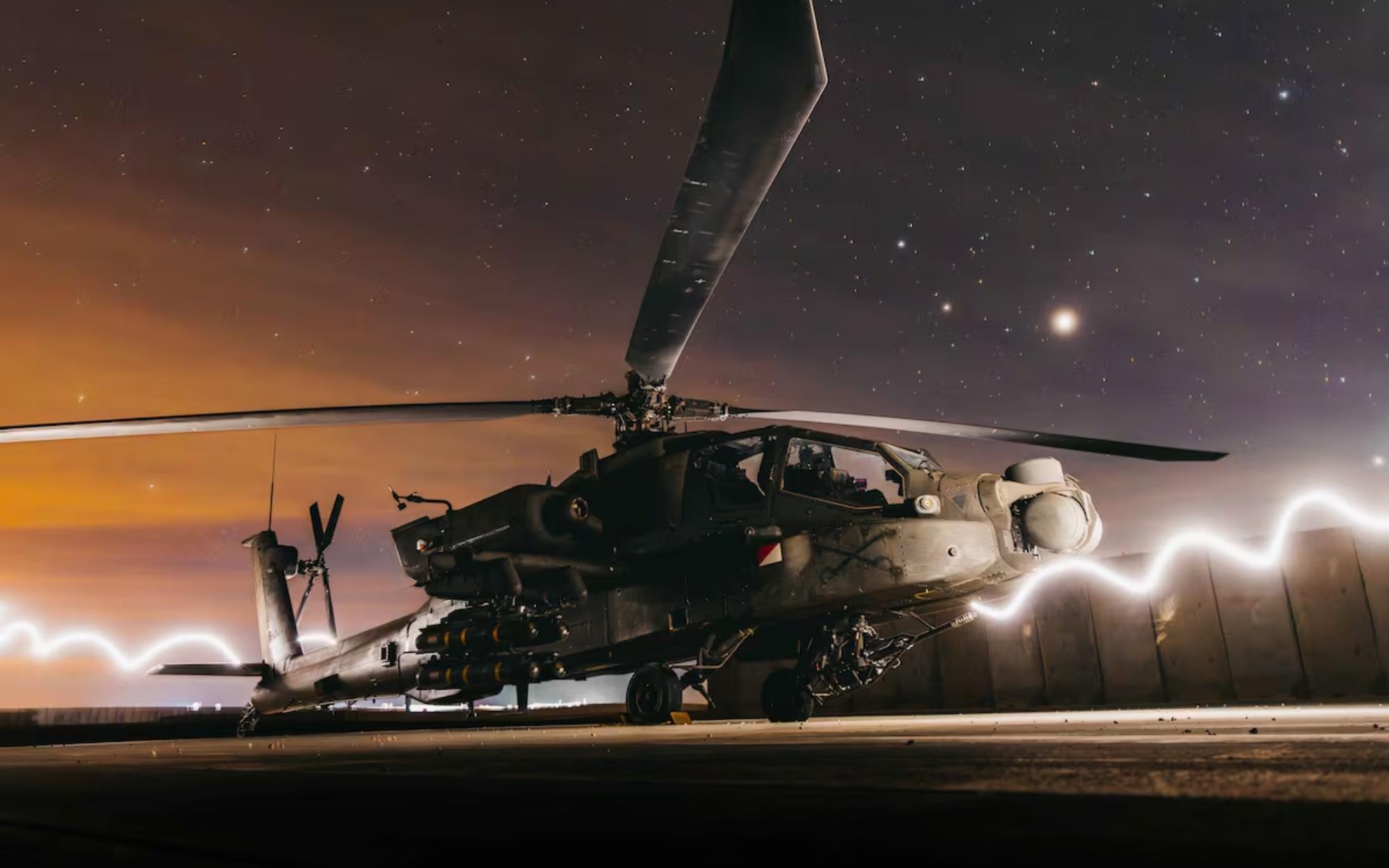
The reserve component is also taking a heavy hit. Nearly 4,600 Army Reserve soldiers are facing cuts as the service moves to eliminate its helicopter units.
Officials told Task & Purpose that most active duty reductions would happen through natural attrition, including retirements and career changes. Still, hundreds of junior officers identified as bottom performers are expected to be pushed out.
Aviators have said the overhaul damaged morale and left some soldiers questioning whether they had a future in the Army. That is not exactly surprising when the service tells one group it is cutting aviation jobs while offering another group six figure money to stay.
The strategic logic is clear enough, because the Army needs experienced pilots to train the force it still has while preparing for drones, uncrewed systems and a faster future fight. But the execution will matter, because combat aviation cannot afford a hollow middle where senior competence should be.
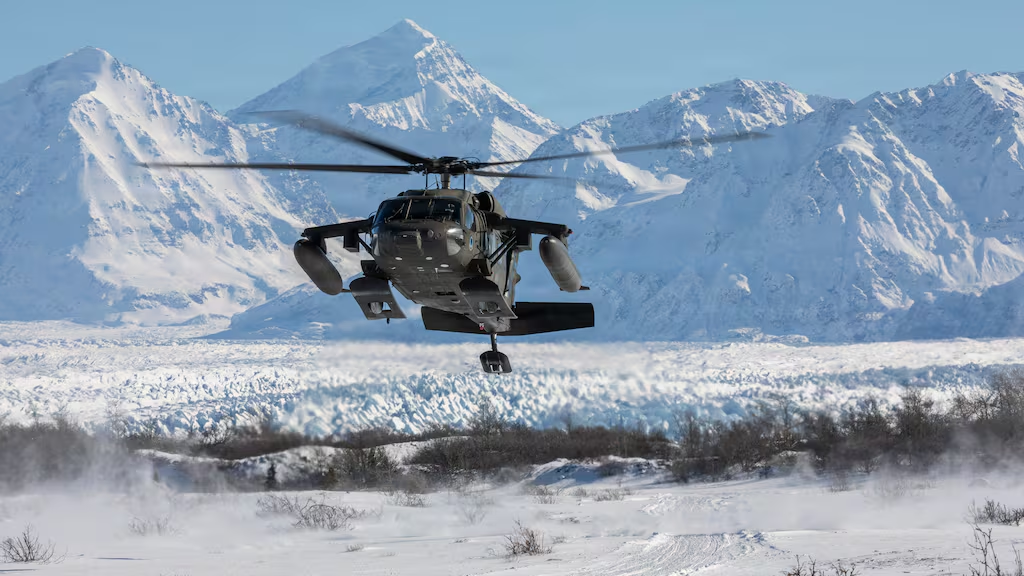
For Secretary of War Pete Hegseth and the Trump era national security team, this is exactly the sort of readiness problem that deserves blunt attention.
America does not win wars with buzzwords, it wins with trained crews, maintained aircraft and leaders who understand that experience is a battlefield asset.
