
A Marine Corps F-35B was involved in a serious aviation mishap Friday morning near Marine Corps Air Station Miramar in Southern California, with the pilot ejecting safely before being recovered by emergency crews.
The Marine Corps confirmed the incident in a statement, describing it as the military’s most serious category of aviation accident.
“We can confirm a Class A mishap involving a Marine Corps F-35B in the vicinity of [Marine Corps Air Station] Miramar,” the Marine Corps said in a statement.
“The pilot ejected and has been recovered. More information will be available as the situation develops.”
The crash happened at approximately 10 a.m. Pacific Time, according to the Marine Corps.
The aircraft was assigned to Marine Aircraft Group 11, 3rd Marine Aircraft Wing, and was involved in an unspecified mishap on the flightline at the base.
A witness told the Associated Press that the aircraft crashed while landing at the base, which would put the mishap at one of the most dangerous phases of flight.
The Marine Corps later said the pilot was in stable condition and was being treated at a local medical facility for injuries that were not considered life threatening.
That is the good news, and in a business where steel, fuel, speed, and unforgiving physics all meet at once, getting the pilot back alive is no small thing.
Local media in San Diego reported smoke rising near Marine Corps Air Station Miramar after the crash.
Aerial footage described by local outlets appeared to show the aircraft in a burned field just outside the base, a grim visual reminder that even America’s most advanced fighter jets do not come with a magic force field.
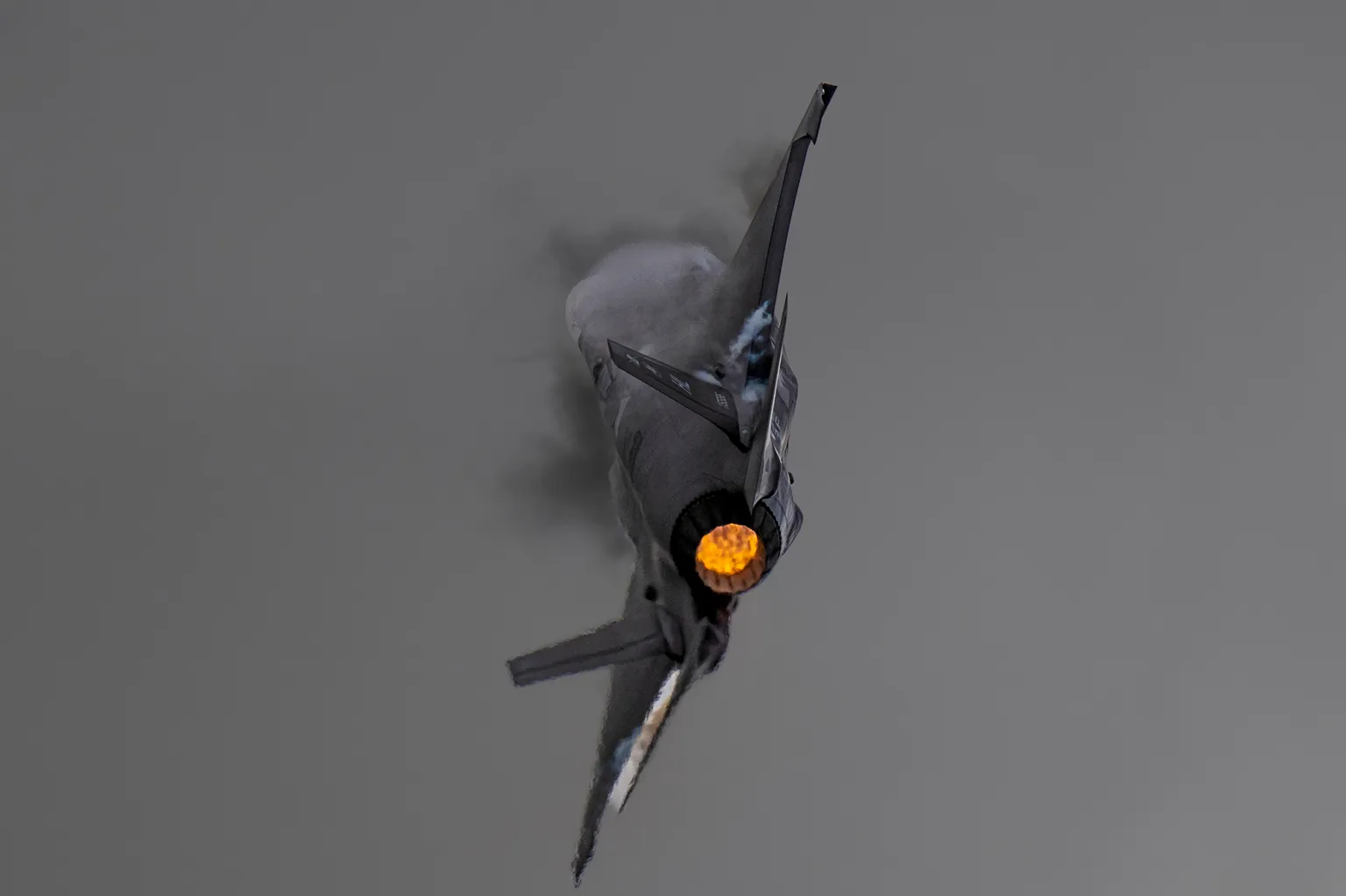
A Class A mishap is the military’s highest level of aviation accident classification.
According to the military, that category applies when there is a loss of life or when equipment damage exceeds $2.5 million.
With the F-35B, that dollar figure is not exactly hard to reach.
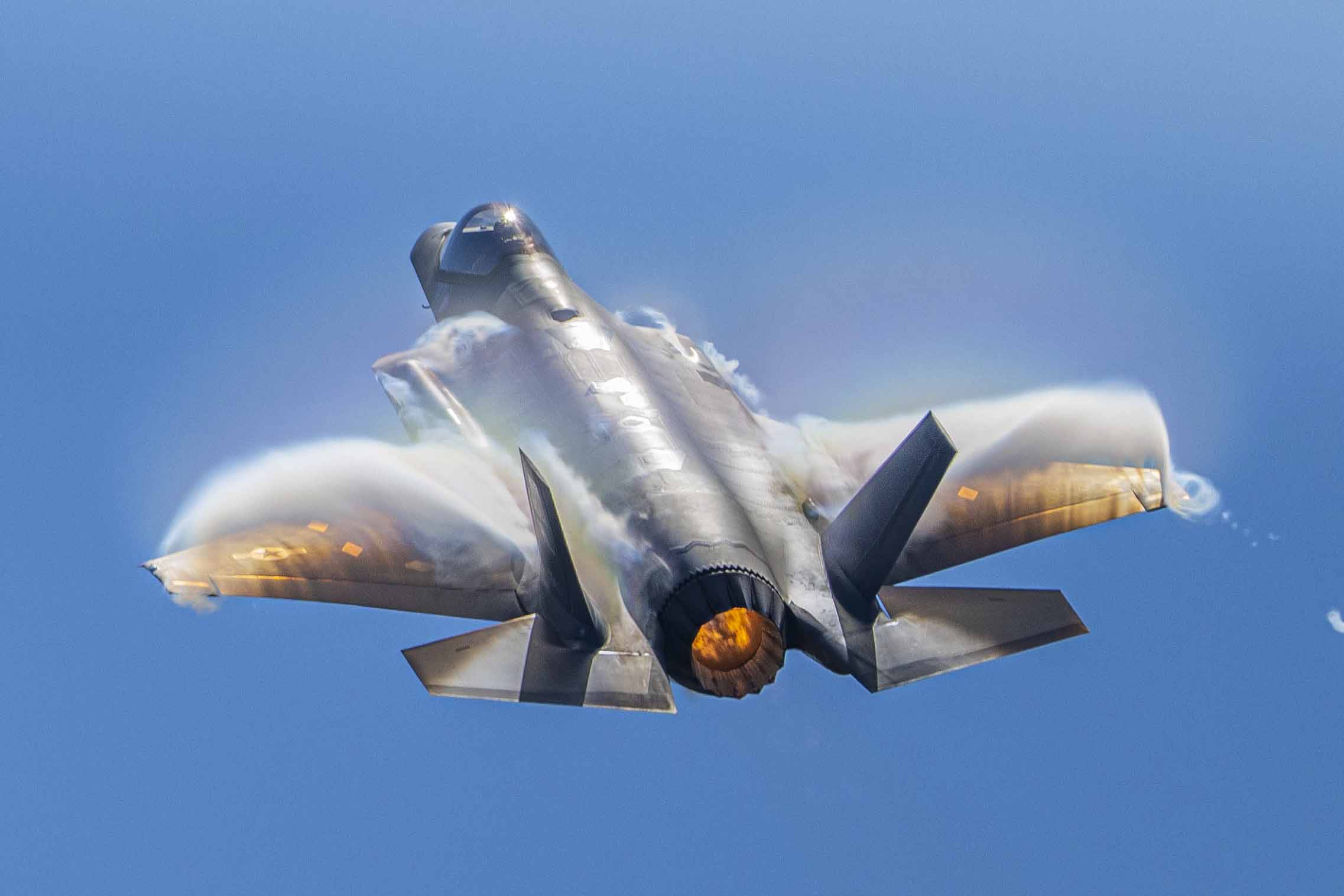
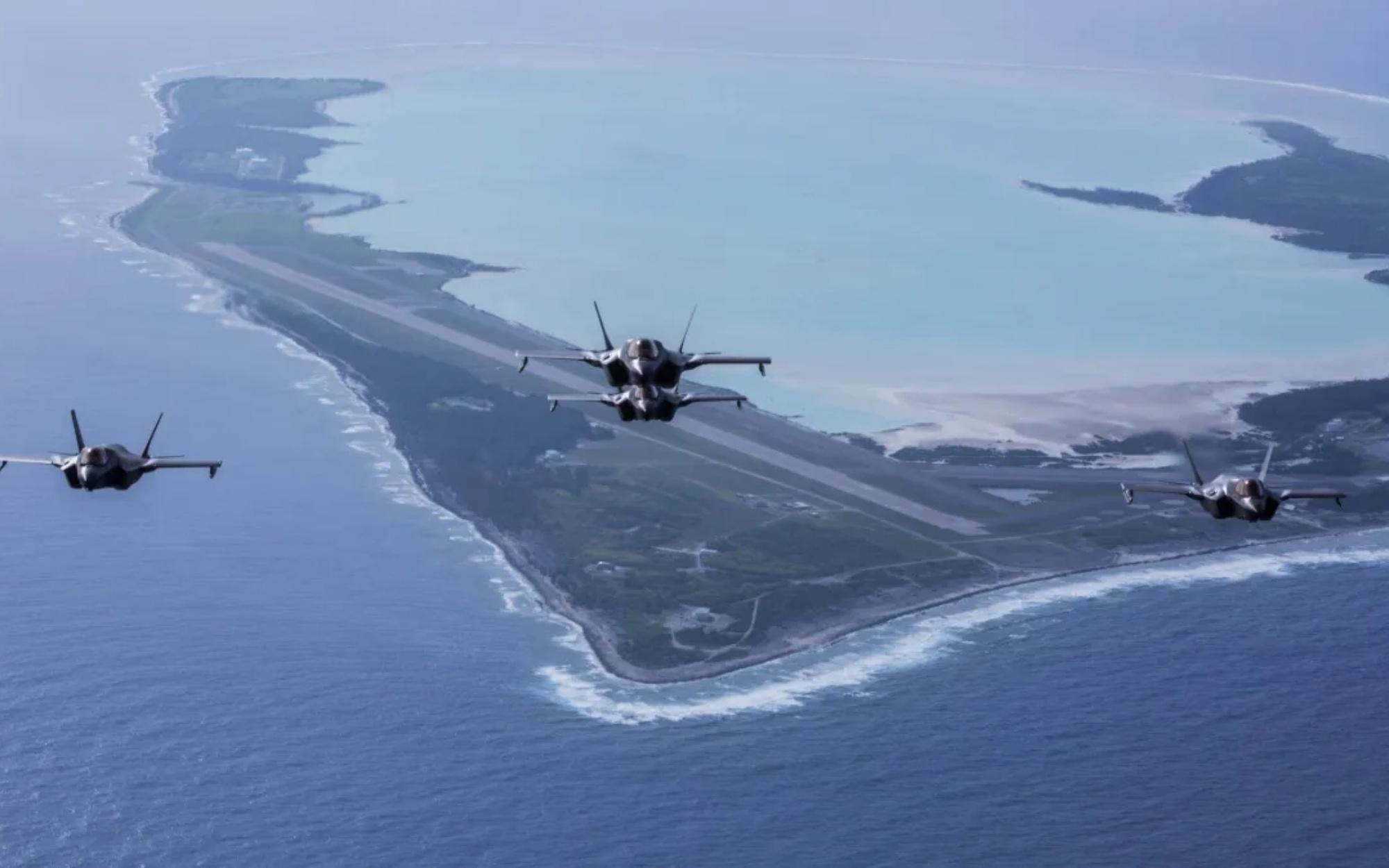
The short takeoff and vertical landing variant flown by the Marine Corps is one of the most complex tactical aircraft in the American inventory, built to operate from amphibious assault ships and austere locations where conventional fighters cannot.
That capability is part of what makes the aircraft so valuable to Marines, especially as the service keeps its eyes fixed on the Indo Pacific and the very real possibility of having to operate from scattered bases under enemy threat.
But complexity cuts both ways.
The more advanced the machine, the more unforgiving the maintenance, training, inspection, and operational tempo can become when anything goes wrong.
Marine Corps officials did not immediately release details about what caused the mishap.
They also did not provide a full damage assessment for the aircraft, though the Class A designation makes clear that this was no minor runway scrape or routine maintenance headache.
The incident adds to a troubling run of stateside aviation accidents in recent months across the military.
In May, two Navy E/A-18G Growlers collided during an airshow in Idaho, though all four crew members safely ejected.
In June, a Marine Corps F/A-18 Hornet assigned to Marine Aircraft Group 11, 3rd Marine Aircraft Wing, crashed near Mount Rainier in Washington state.
Then, on June 15, an Air Force B-52 Stratofortress crashed shortly after taking off from Edwards Air Force Base in California, killing all eight people on board.
That string of incidents will almost certainly draw attention from aviation safety investigators, unit commanders, and leadership at the Department of War.
No serious military force can shrug off repeated mishaps involving high value aircraft, especially at a time when America’s adversaries are watching every readiness gap like vultures circling a fence line.
The Marine Corps will now have to determine whether Friday’s crash was caused by mechanical failure, pilot factors, environmental conditions, maintenance issues, or some combination of factors.
That process can take time, because investigators must examine flight data, wreckage, maintenance records, training history, weather, and communications before reaching conclusions.
For now, the most important fact remains that the pilot survived.
Marine aviation is dangerous by nature, and every ejection is a violent emergency that can injure or kill even when the system works as designed.
Still, the loss or severe damage of a fifth generation fighter is a serious blow.
The F 35B is not just another aircraft parked on a ramp, but a centerpiece of Marine Corps plans for future combat against sophisticated enemies with long range missiles, drones, sensors, and air defenses.
The crash near Miramar is now another reminder that readiness is not a slogan.
It is built every day by pilots, maintainers, air traffic controllers, commanders, and inspectors who have to get the details right, because a mistake at this level can turn a billion dollar force structure into smoke over Southern California.
The Marine Corps said more information will be released as the situation develops.
Until then, the service has a live pilot, a wrecked aircraft, and a fresh set of hard questions waiting on the flightline.
