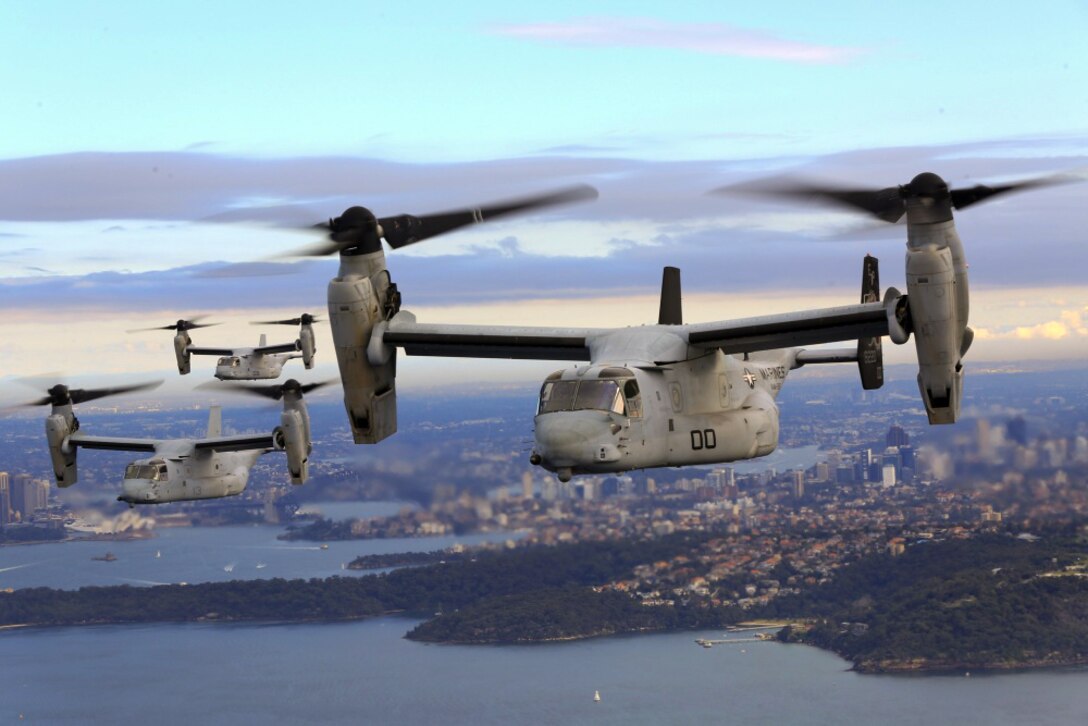
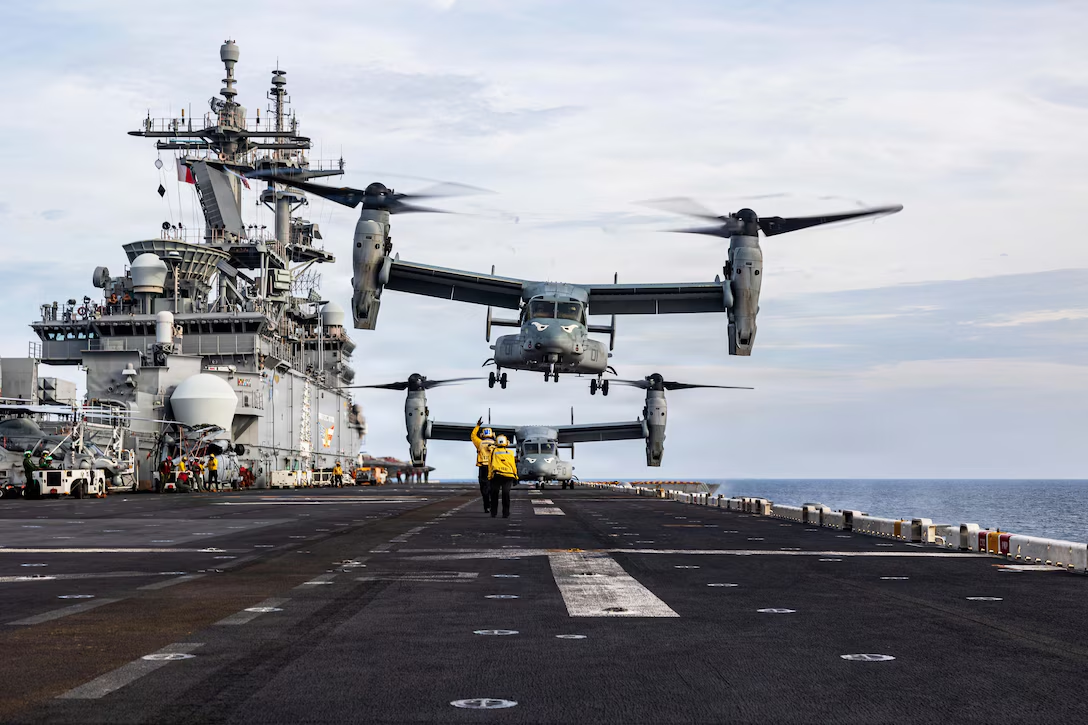
The Marine Corps has officially received the last of 359 MV-22B Ospreys ordered over the past two decades, closing a major procurement chapter for one of the most recognizable and consequential aircraft in modern Marine aviation.
The final delivery, announced Tuesday by Corps officials, marks the end of a long fielding effort for the tiltrotor aircraft that changed how Marines move from ships, remote bases and forward positions into the fight.
The Osprey’s defining feature is its rotating engine design, which allows it to fly long distances like an airplane while still hovering and landing vertically like a helicopter.
That combination gave Marine commanders range and flexibility that the old CH-46 Sea Knight simply could not match.
The Corps began operational use of the aircraft in 2007, and the MV-22B eventually replaced the Sea Knight across the force.
In plain English, the Marines traded a legacy workhorse for a faster, longer legged aircraft that could stretch the battlefield and keep enemies guessing.
The military’s Ospreys usually cost between $75 million and $90 million per aircraft, so this was never a bargain bin aviation program.
The Air Force operates roughly 50 Ospreys in its special operations fleet, while the Navy uses a smaller number for ship to shore transport.
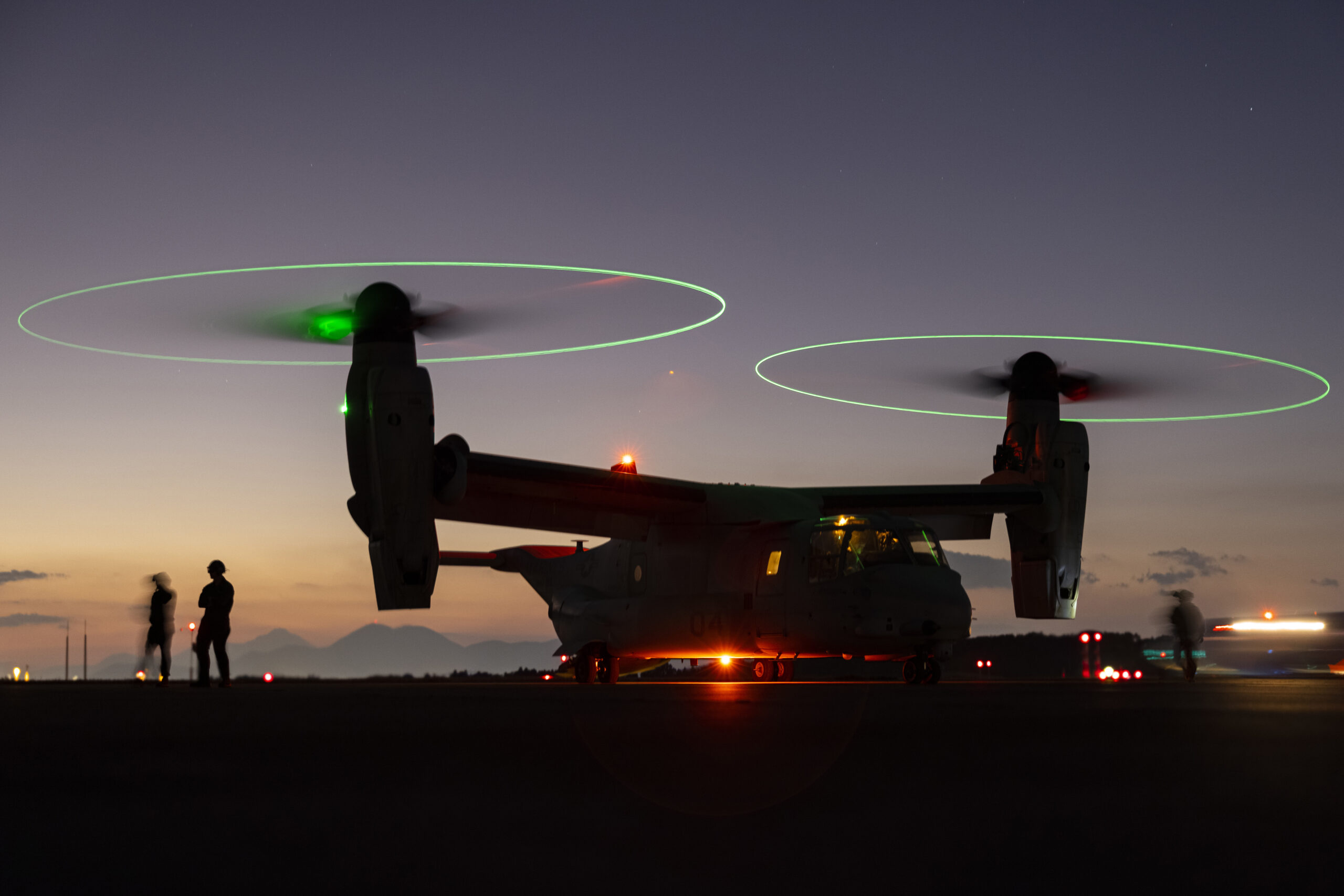
For the Marines, however, the MV-22B became something much bigger. It is considered the backbone of the aviation element inside the Marine Corps Air Ground Task Force, the formation Marines rely on when it is time to put combat power where America needs it.
Lt. Gen. William Swan, the deputy commandant for aviation, said during a ceremony in Amarillo, Texas, that the aircraft reshaped Marine aviation over the past 20 years. That is not the sort of claim military leaders toss around lightly, despite what the spreadsheet warriors in Washington might think.
“Before the Osprey, distance imposed a very different decision calculus for our Marine commanders,” Swan said during the speech.
“The V-22 connected ships, expeditionary bases, forward positions, and distributed forces in ways previous generations could only imagine.”
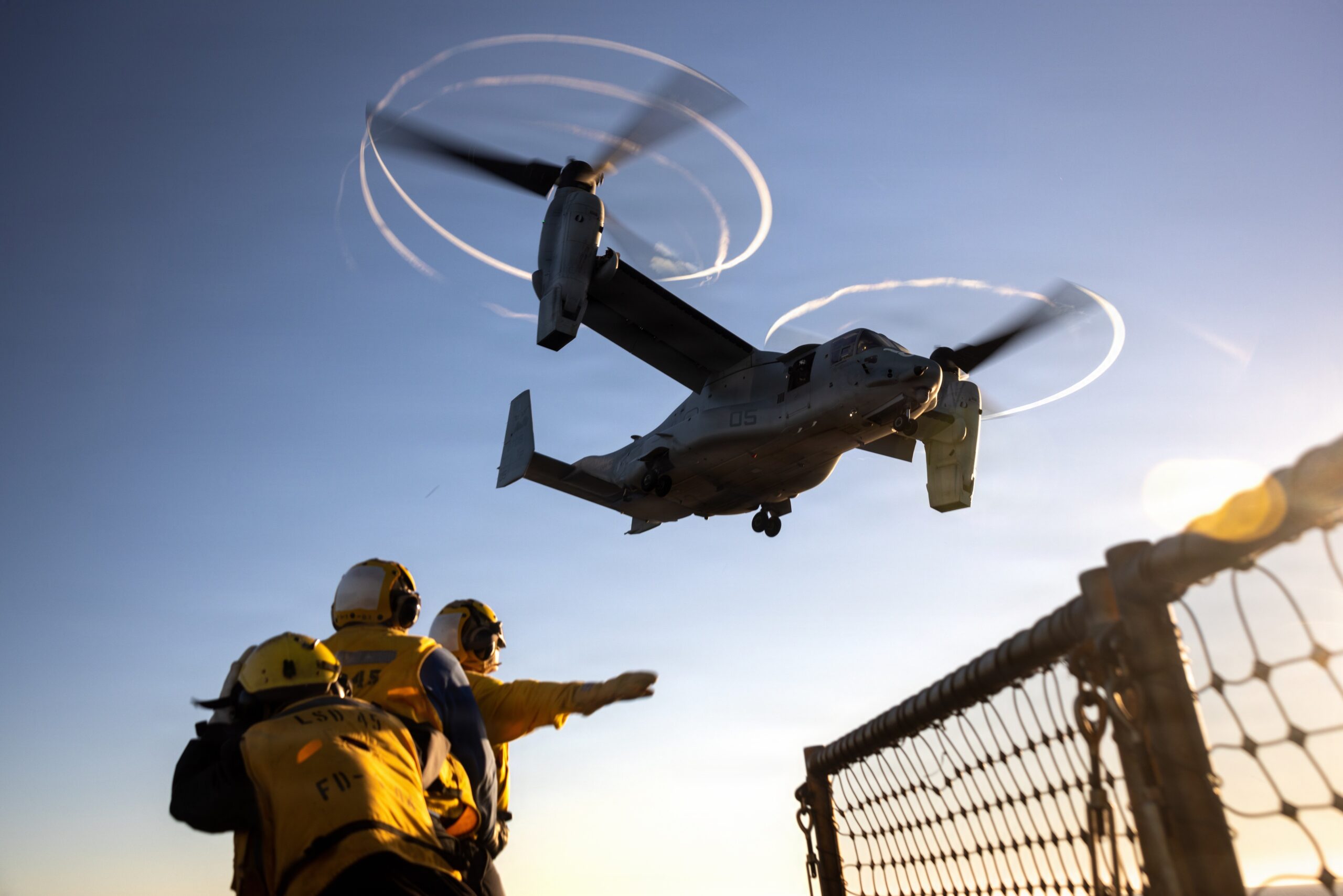
That reach gave commanders new ways to seize the initiative and create problems for the enemy before the enemy could get comfortable. In modern war, that kind of speed and range is not a luxury, it is survival.
“The MV-22 didn’t simply replace the CH-46,” Swan said.
“It fundamentally changed the way the MAGTF generates combat power. For nearly 20 years, the Osprey has helped Marine Aviation respond to crises, support combat operations, conduct humanitarian assistance, and deliver Marines wherever our nation and joint force needed them to be.”
The numbers behind the aircraft are substantial. Swan said the Osprey accounts for about 75 percent of the Corps’ rotary wing assault support capability and has logged more than 686,500 flight hours across 114 operational deployments.
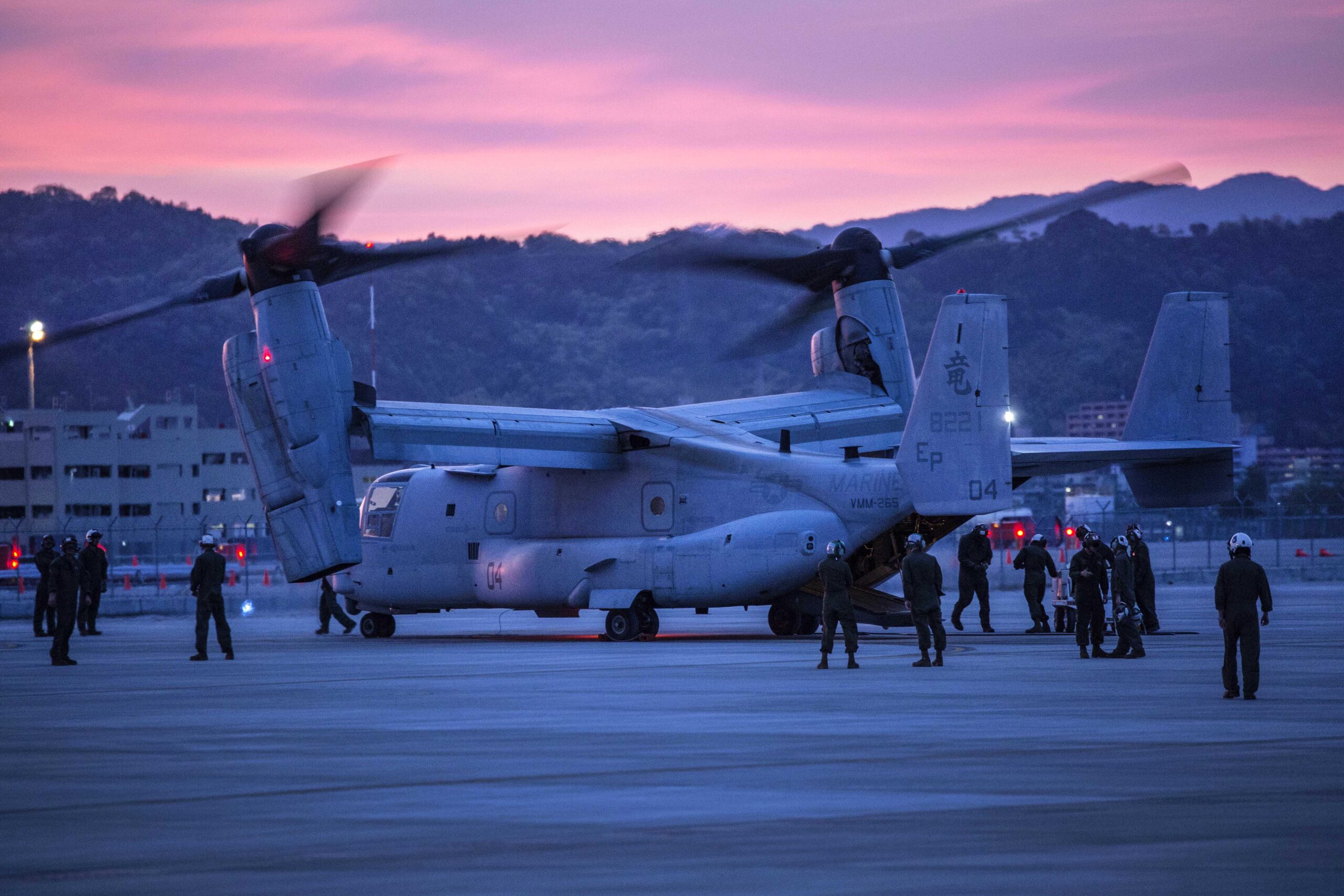
Still, the Osprey’s record has not been without serious problems. The aircraft has been vulnerable to a mechanical failure known as a hard clutch engagement, which can cause pilots to lose control.
Investigators determined that one such failure caused a June 2022 MV-22B crash that killed five Marines.
The entire Osprey fleet across all three services was temporarily grounded in 2023 as the military confronted the issue, because no amount of capability matters if crews cannot trust the machine.
Marine officials say steps have been taken to deal with the problem. Capt. Jacob Sugg, a Marine Corps spokesman, said no hard clutch engagements have been reported since February 2023.
Even so, restrictions remain on how far certain MV-22B aircraft can fly based on the condition and type of their Proprotor Gearbox.
That component transfers power from the aircraft’s engines to its propellers, and Naval Air Systems Command says the limits vary depending on the gearbox installed.
With the final aircraft now delivered, the mission shifts from buying and fielding Ospreys to keeping the fleet modern, reliable and lethal.
The Corps expects the aircraft to remain in service through 2055, which means today’s maintenance and modernization decisions will echo for decades.

That is exactly the sort of readiness challenge the War Department should be watching closely under War Secretary Pete Hegseth, because the next fight will not wait for slow committees and Beltway excuses.
Marines need aircraft that can launch, fly, survive and deliver combat power on time.
“We cannot assume that because the MV-22B transformed Marine aviation once, its evolution is complete,” Swan said in the news release.
“It is our responsibility to carry this legacy forward and ensure this aircraft remains ready, relevant, safe, and lethal for the fight ahead.”