
The United States military pummeled more than 100 Iranian targets Saturday night, marking the most extensive barrage yet in a week of escalating combat between Washington and Tehran.
The strikes were launched from American fighter jets, warships, and drones under U.S. Central Command’s authority, signaling that the era of half-measures in the Persian Gulf is over.
CENTCOM confirmed that American forces hit missile and drone launch sites, naval operations centers, ammunition storage facilities, communications hubs, and Iranian coastal surveillance posts.
The operation was broad, deliberate, and designed to cripple Iran’s regional aggression machinery that has terrorized international shipping lanes for years.
Iran responded with its standard bluster, firing drones and missiles toward U.S. installations scattered across Jordan, Qatar, Bahrain, Oman, and the United Arab Emirates.
Tehran claimed it was “targeting naval support infrastructure,” though early assessments show no confirmed U.S. casualties or impacts on American hardware. In short, Iran barked — but Washington bit back harder.
These latest airstrikes mark a major escalation since hostilities reignited earlier in the week.
Fighting resumed after Iranian proxies attacked cargo ships transiting the Strait of Hormuz — a vital chokepoint for global oil and trade. President Donald Trump’s administration wasted no time striking back, sending a message not just to Tehran but to every regime betting that weakness had returned to the Oval Office.
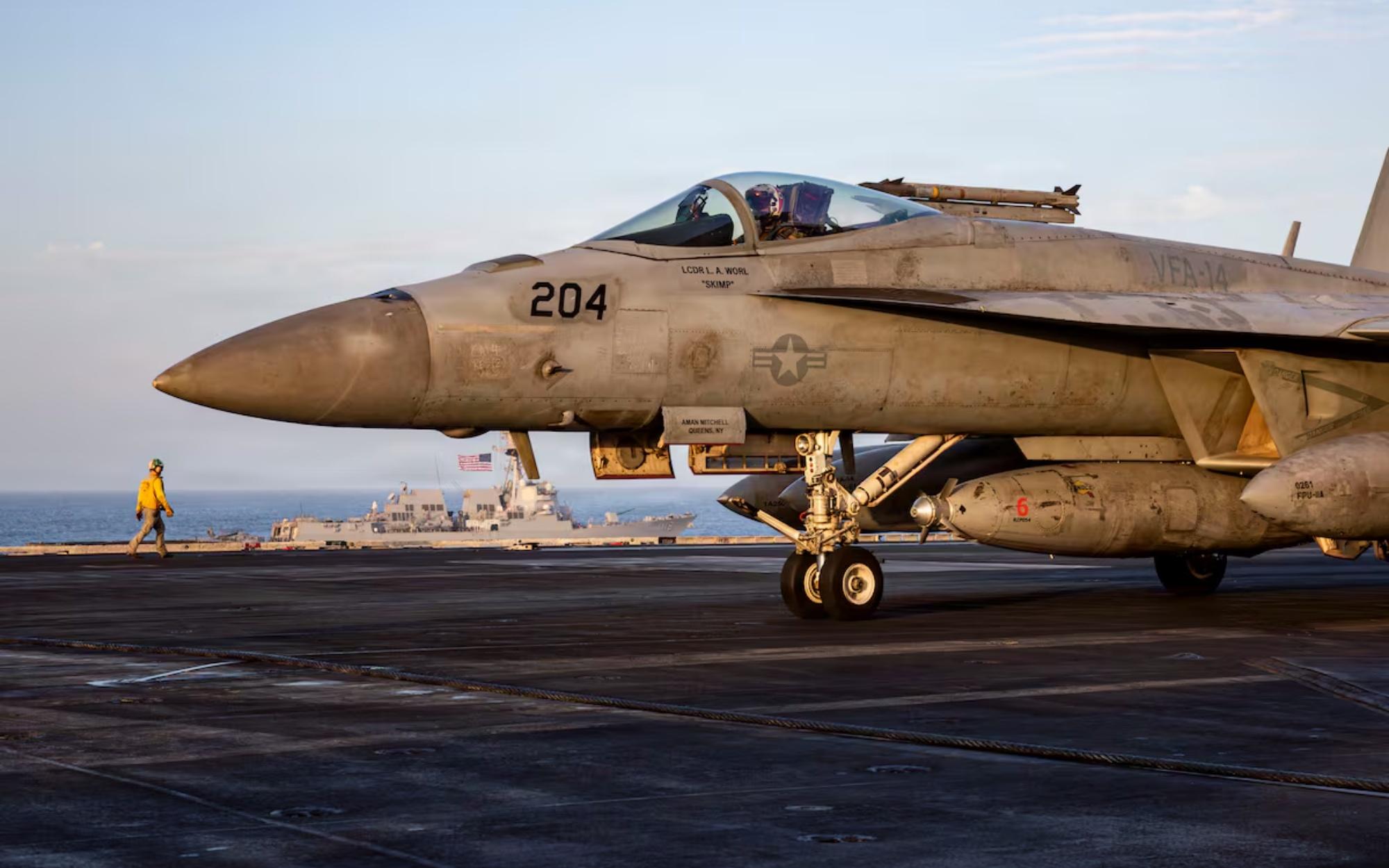
As tension across the Middle East spiked, Trump declared during the NATO summit in Turkey that the so-called ceasefire with Iran was “over.”
The statement, clear and unapologetic, ended the illusion that Iran could hide behind diplomatic paperwork while plotting attacks in international waters. Trump’s plainspoken clarity has brought back the deterrence America desperately needed.
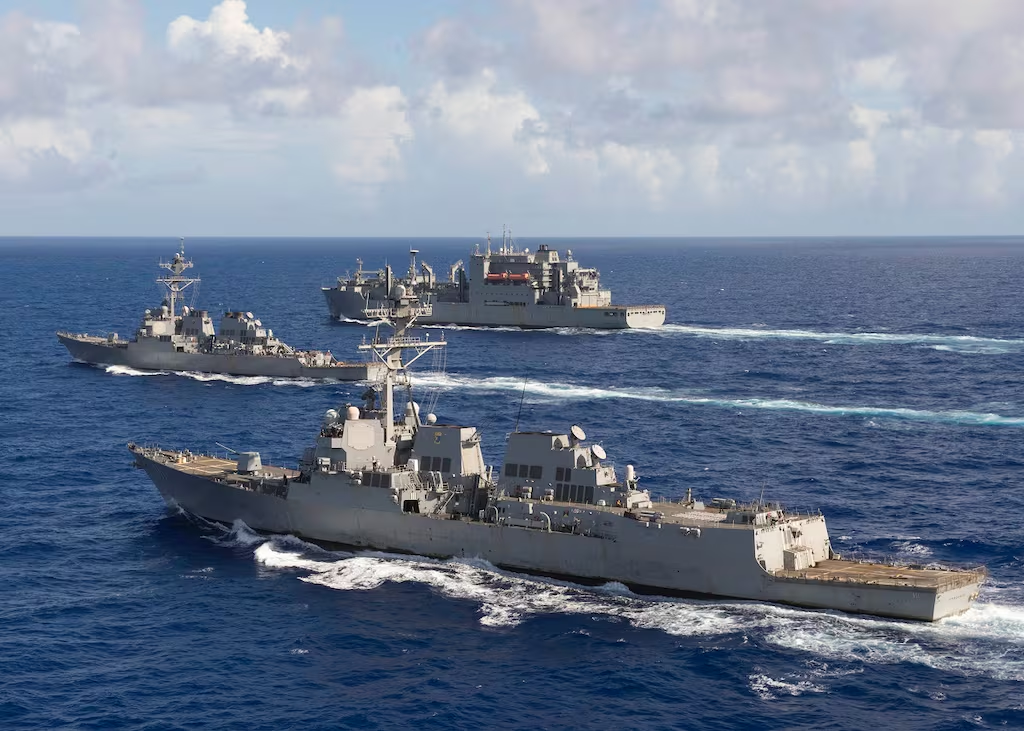
The United States currently fields two aircraft carriers, multiple destroyers, and several fighter squadrons in and around the Strait of Hormuz.
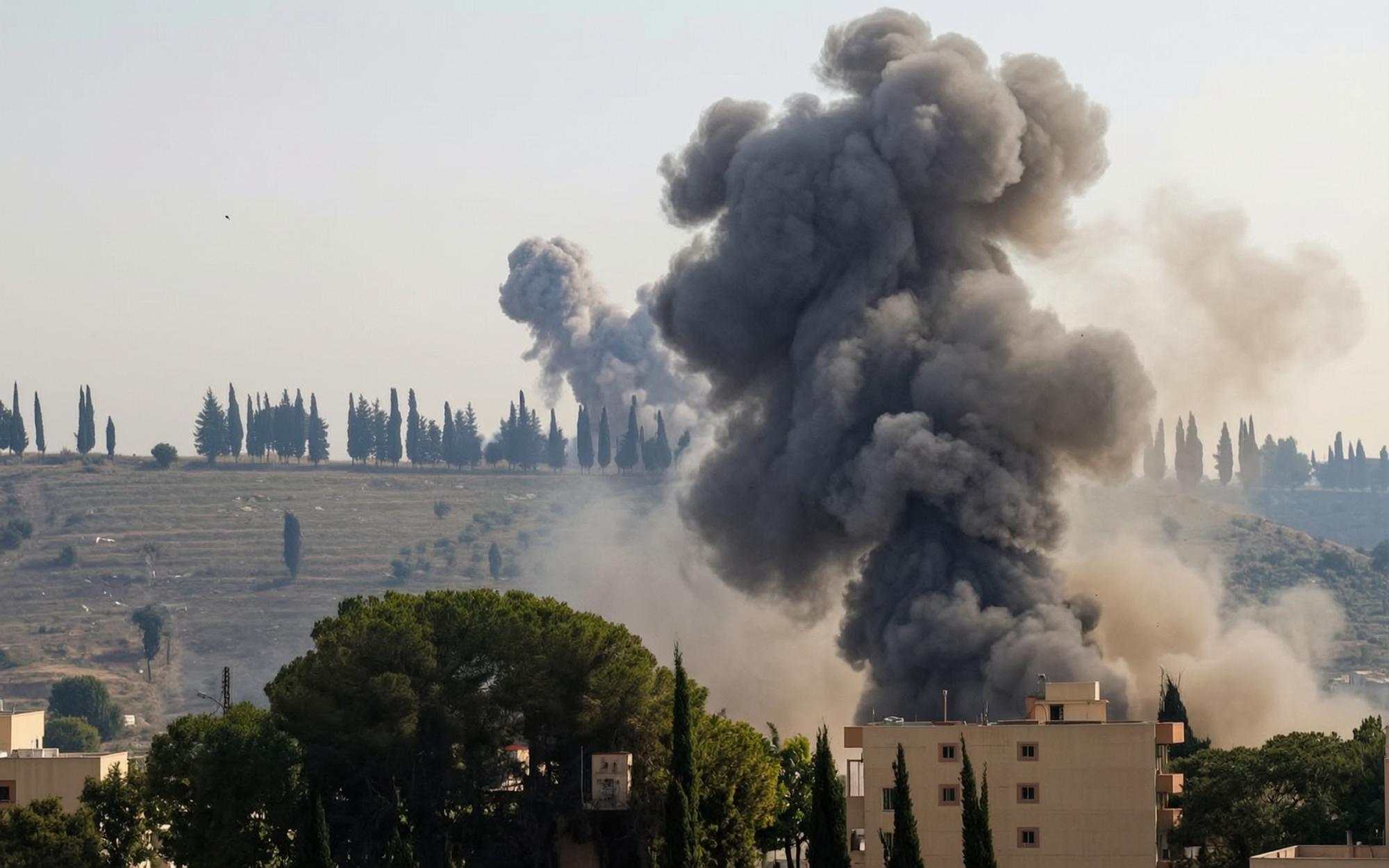
The arrival of the Boxer Amphibious Ready Group — hauling over 2,000 Marines — reinforced American posture in the region and reminded Tehran that this isn’t the sleepy, politically correct Pentagon of the Obama years. This is a War Department under Pete Hegseth’s watch, where strength, not appeasement, drives the mission.
According to updated figures from CENTCOM, America struck 80 Iranian military assets on July 7 and another 90 the following day.
In those consecutive nights of precision strikes, the targets included missile batteries, naval boats, and radar systems Tehran depended on for projecting power near the Gulf. That brings the total to more than 300 Iranian assets destroyed in less than a week.
Iran’s Revolutionary Guard Corps countered by declaring the temporary closure of the Strait of Hormuz — a symbolic act more than a practical threat.
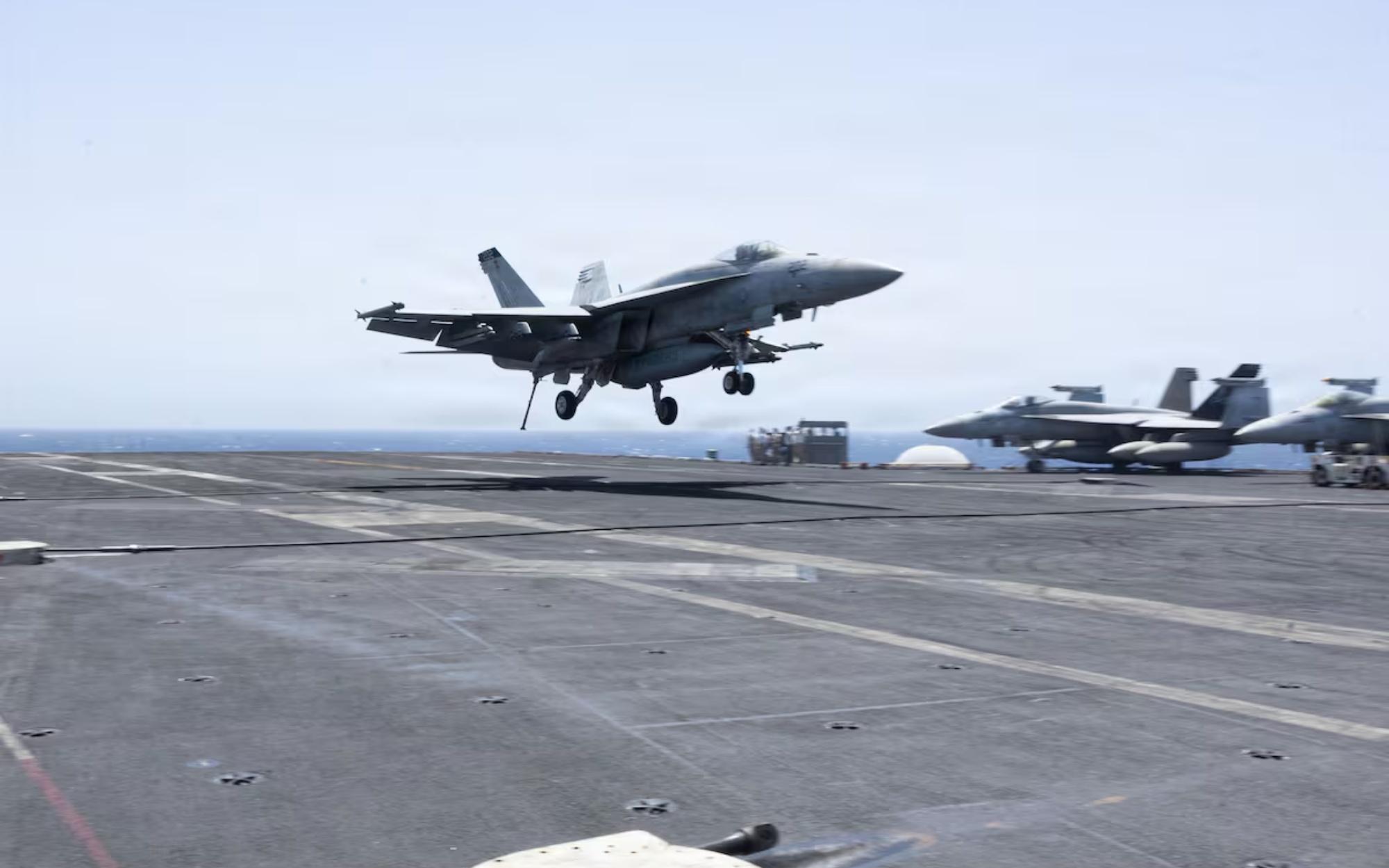
Within hours, U.S. Central Command publicly confirmed that American forces remain “positioned and prepared” to ensure free navigation through one of the world’s busiest shipping routes. Once again, Iran was exposed for what it is: bluster with rockets.
The escalating confrontation underscores a reality that many on the left refuse to confront. America’s adversaries understand one language — strength.
When the War Department acts decisively, with air superiority and a clear chain of command, enemies don’t negotiate; they retreat. Trump’s strategy, backed by Hegseth’s no-nonsense execution, is showing that the United States still owns the skies and seas when necessary.
Despite Tehran’s claims of vengeance, there is little to suggest Iran’s attacks achieved any significant military effect.
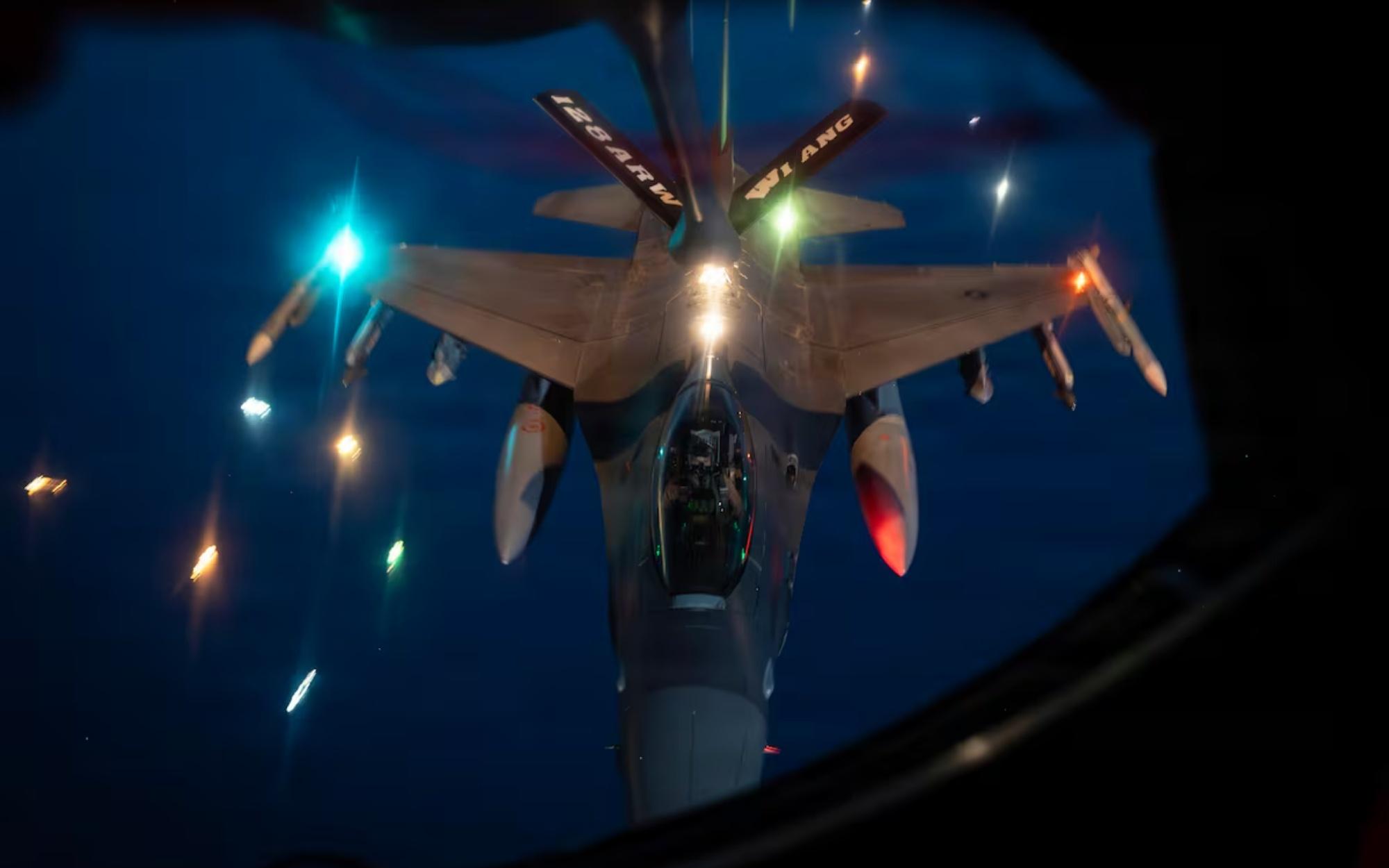
Experts indicate that the regime’s missile and drone strikes were either intercepted or failed to reach their intended marks. Meanwhile, U.S. strikes have reportedly reduced Iran’s ability to launch further long-range operations in the near future.
For decades, Iran has tested America’s resolve through proxy strikes, maritime harassment, and diplomatic gamesmanship.
The difference now is Washington’s unwillingness to blink. Trump’s insistence on projecting overwhelming force — rather than chasing another hollow “deal” — has reshaped the region’s power balance practically overnight.
While bureaucratic elites and legacy media outlets may clutch their pearls over “escalation,” realists know deterrence is built on credibility.
The War Department’s blow against Tehran isn’t just a tactical maneuver — it’s a loud reminder that the United States military, when unshackled by weakness, still carries the biggest stick on earth.
Iran’s regime wanted a show of power. It got one, courtesy of the U.S. Armed Forces. And as long as this administration holds the line, Tehran’s days of unchecked aggression in the Gulf are numbered.
